




50% Scan Efficiency Boost: Seuic
AI Scanner Helps Li Auto Crack DPM
Code Reading Challenges
Li Auto, a leading Chinese new energy vehicle manufacturer known for models such as the
Li ONE and Li L-Series, operates highly automated production bases across the country.
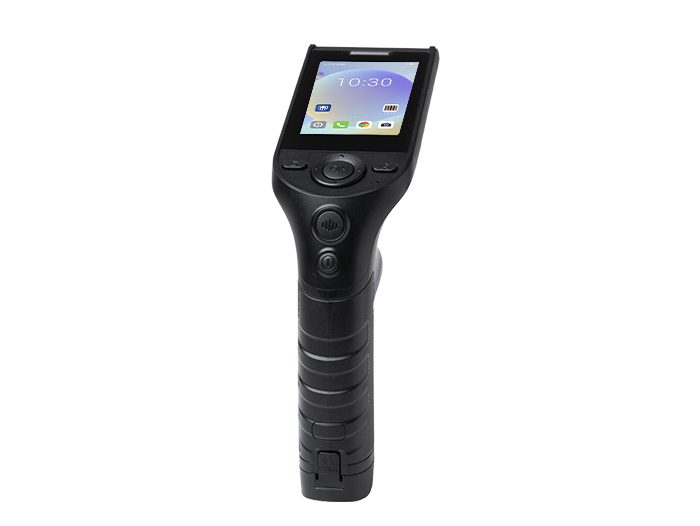
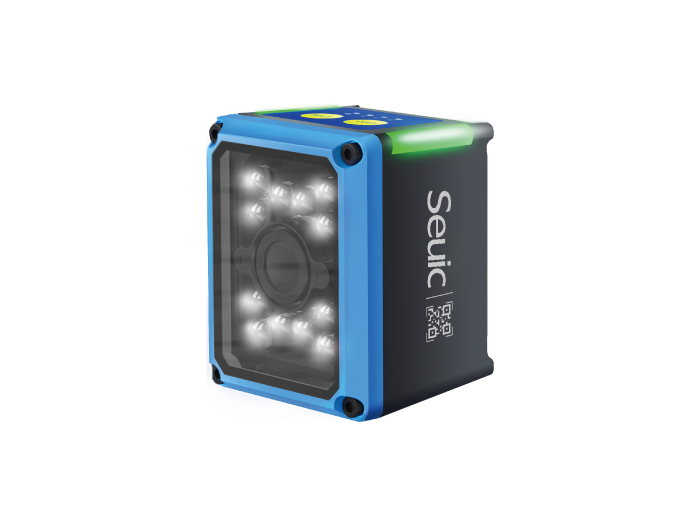
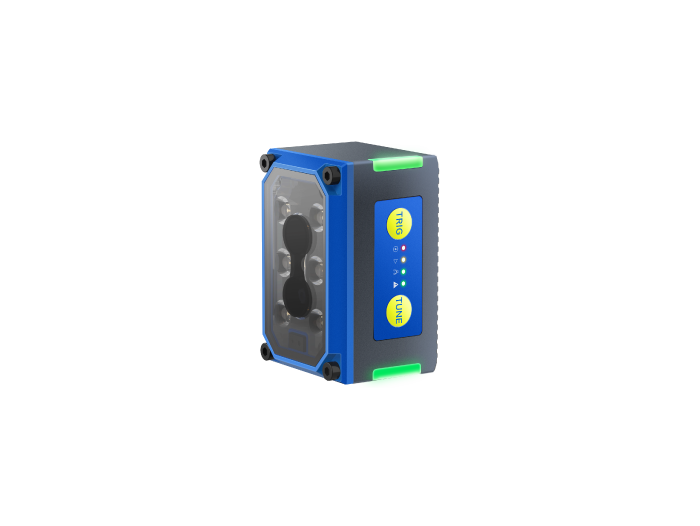
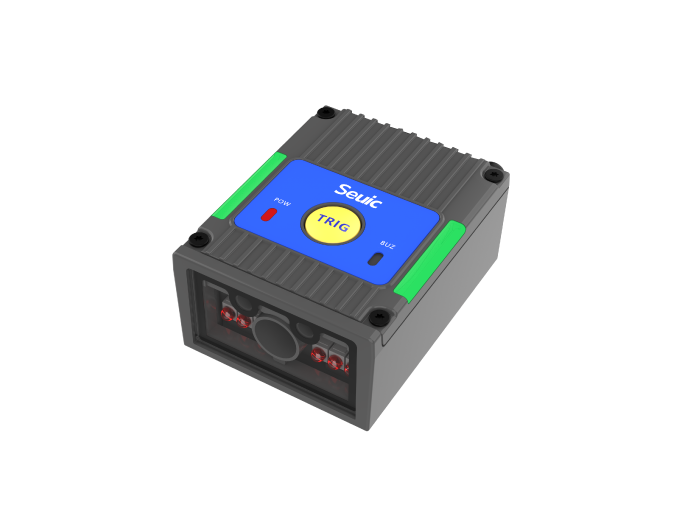
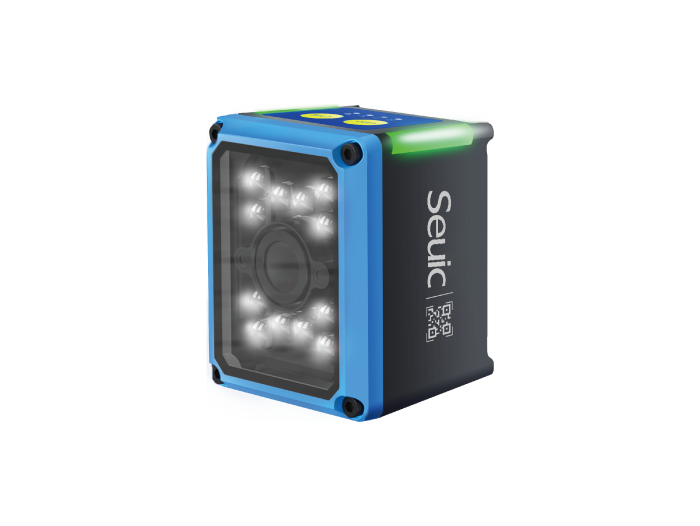
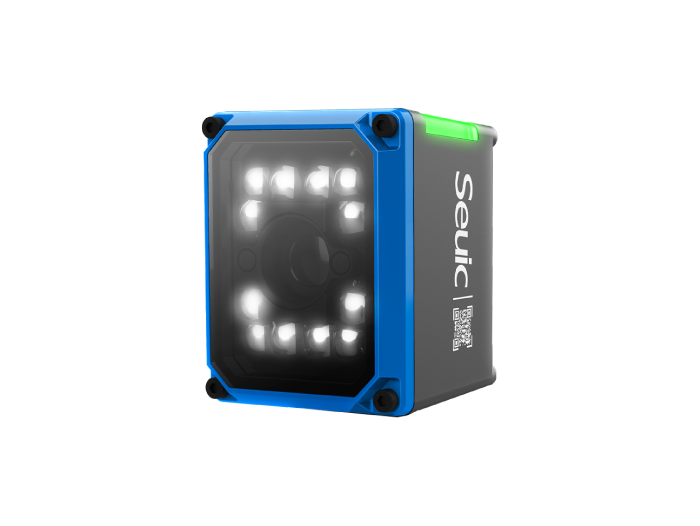
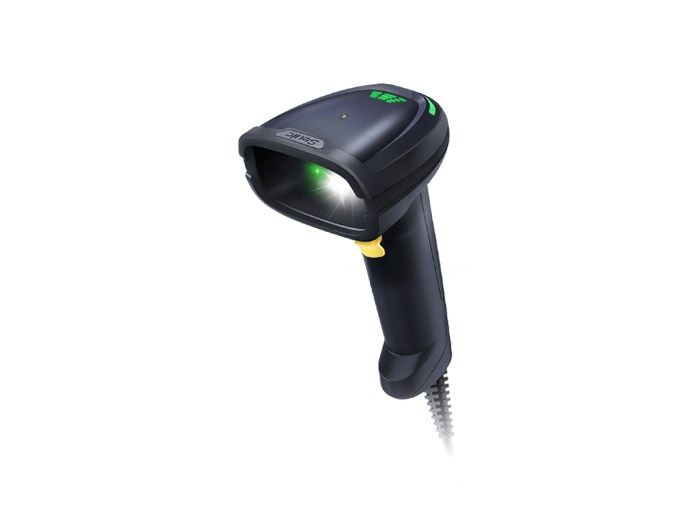
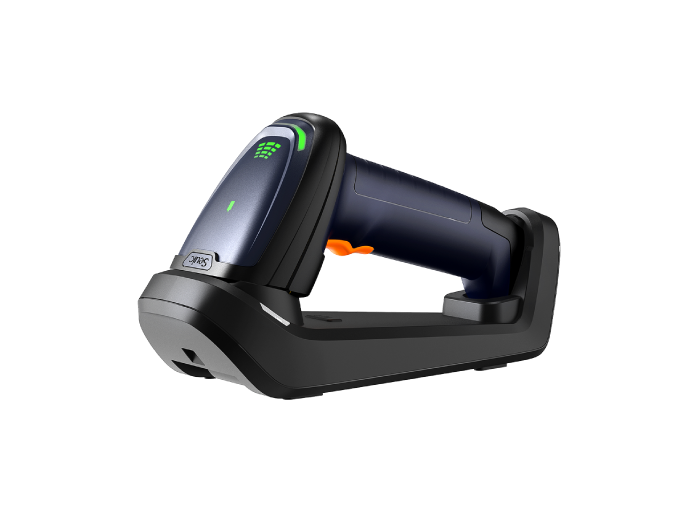
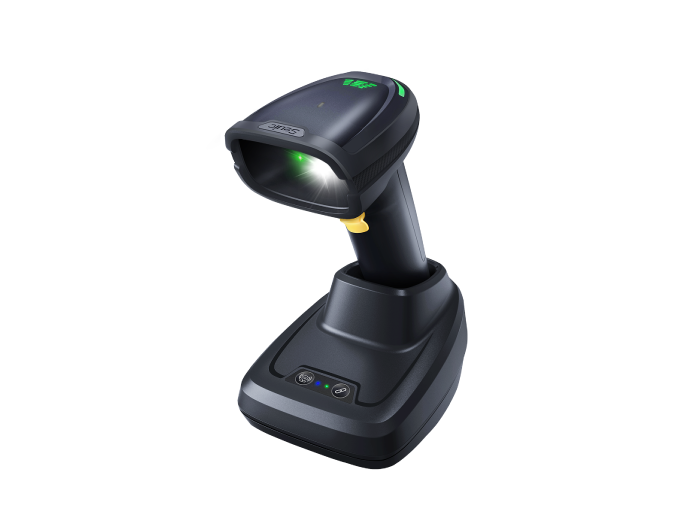
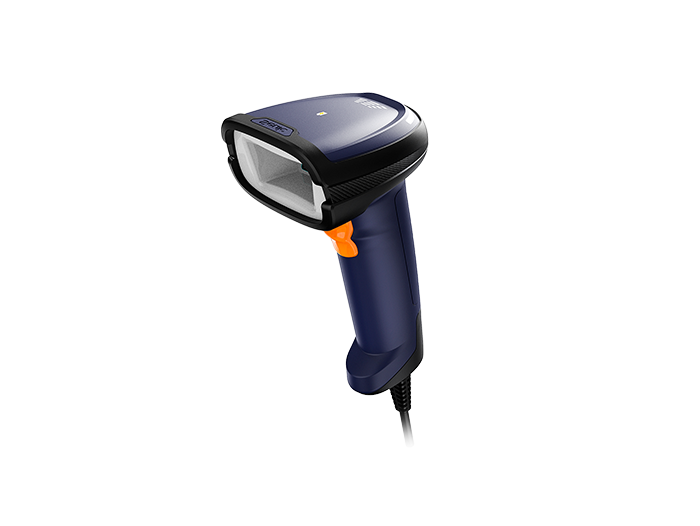
The company selected the Seuic HS325DP AI-powered smart scanner for its core component
assembly stations to solve DPM code reading challenges and maintain stable production line takt time.
Business Background
Li Auto is advancing smart manufacturing and digital factory initiatives, featuring fast production line takt times and high levels of automation. However, DPM codes on components — varying in material and marking quality — posed a challenge. Traditional scanners frequently failed to read or suffered from lag. After deploying the Seuic HS325DP AI-powered smart scanner, the company achieved millisecond response times and stable reading, ensuring continuous production line operation and full lifecycle traceability.
Pain Points
Complex and varied surfaces: DPM codes are etched onto aluminum, stainless steel, plastic, and other materials, often with oxidation layers, oil residue, surface textures, or reflections that conventional scanners struggle to read reliably.
Inconsistent marking quality: Different suppliers use laser dot peening, chemical etching, or pneumatic pin marking, resulting in wide variations in depth and clarity. Low-contrast code dots have particularly low recognition rates.
Demanding production line takt times: Scanning must be completed in milliseconds. Traditional devices require frequent angle adjustments or light source changes, severely impacting assembly efficiency.
Solution
Deploy the Seuic HS325DP AI-powered smart scanner at core component assembly stations:
1. Built-in AI image preprocessing and recognition algorithms quickly locate low-quality DPM codes and reliably read highly reflective, low-contrast, or slightly worn code marks.
2. Intelligent tri-color illumination technology automatically switches between red, white, and blue light sources to adapt to metal, plastic, oily, and other surfaces — no manual intervention required
3. Millisecond response speed matches high-speed production takt.
4. Audible and visual feedback provides clear status indication, simplifying operation and reducing changeover and training time.
Results & Benefits
50% improvement in scanning efficiency: significantly increased first-pass read rate for challenging DPM codes, reducing manual intervention and repeat scans.
10% reduction in equipment management costs: a single device handles multiple material types and marking methods, eliminating the need for multiple specialized scanners.
More stable production line takt: scanning is no longer a bottleneck, ensuring continuous and reliable operation of highly automated production lines.
Enhanced data traceability: improved accuracy of full lifecycle component traceability, supporting closed-loop quality management.
Product Used
Empowering the Field with Technology, Making Efficiency within Reach!
Take Action Now