





RFID Enables Precise Asset
Management at a Top Hospital:
Beyond Manual Audits
Using Seuic handheld terminals and RFID tagging, the hospital digitized asset management
across the entire lifecycle, from acquisition to retirement, significantly improving inventory
accuracy, audit efficiency, and asset utilization.
Business Background
A modern tertiary public hospital in Shenzhen, funded and built by Shenzhen Municipal Government, opened in late 1999, integrating healthcare services, medical research, and education. Located in the Futian Central District, the hospital became part of the Peking University-affiliated hospital network through a strategic partnership established in 2000, pioneering a close university-hospital collaboration model in China, strengthening its clinical, research, and academic capabilities.
Challenges
Disconnected systems created data silos across asset management processes.
Traditional manual inventory audits were time-consuming and inefficient.
Paper-based asset records limited the value and usability of operational asset data.
Solution
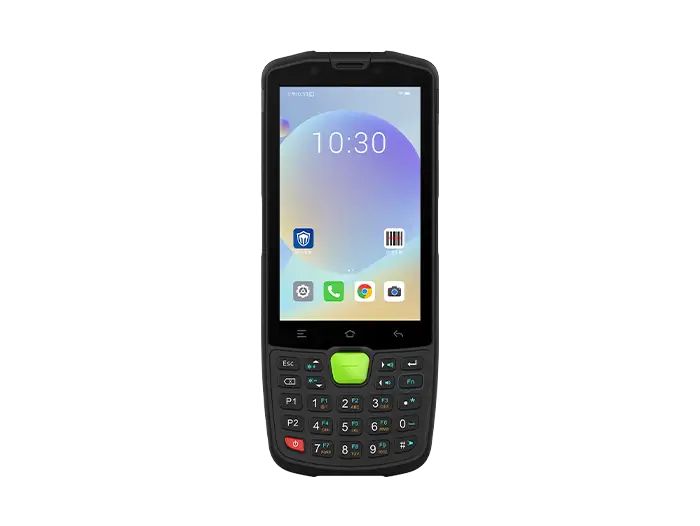
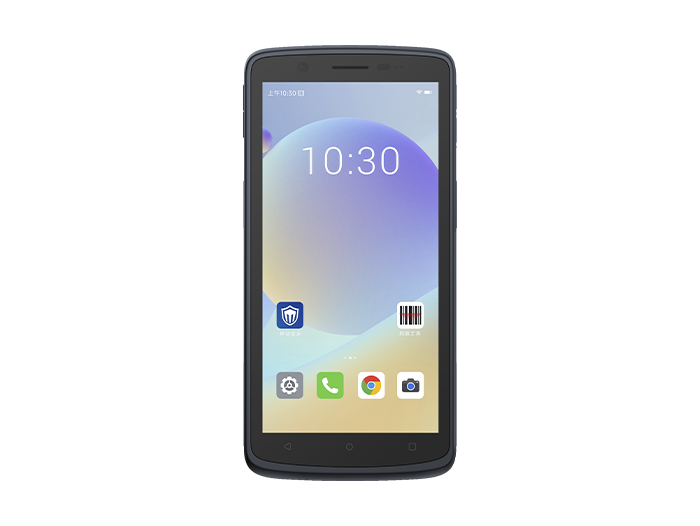
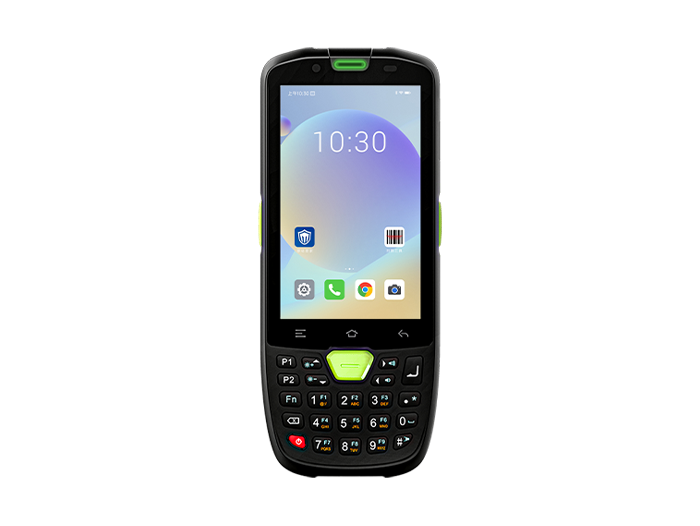
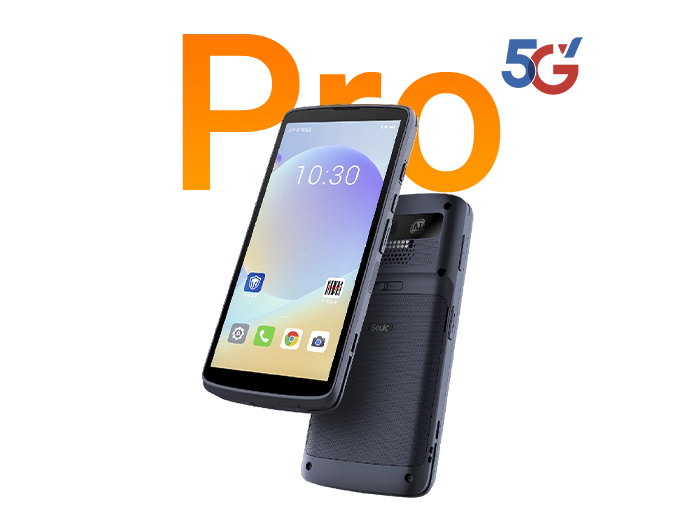
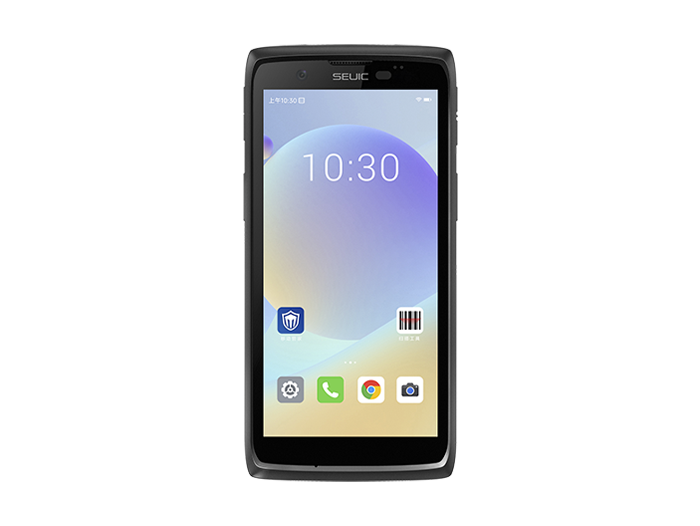
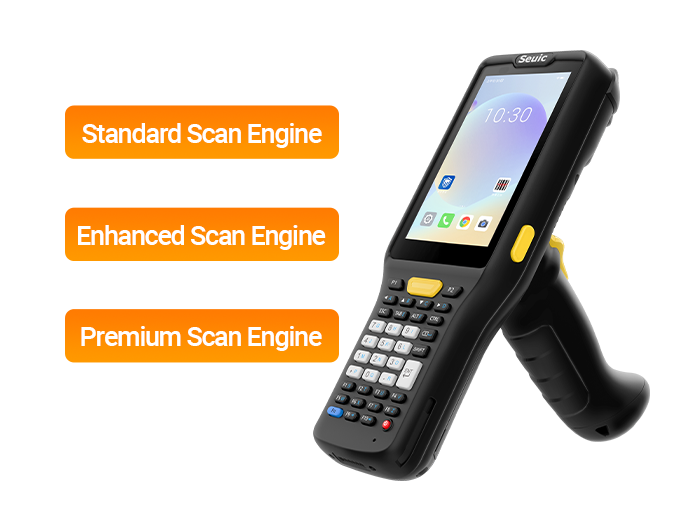
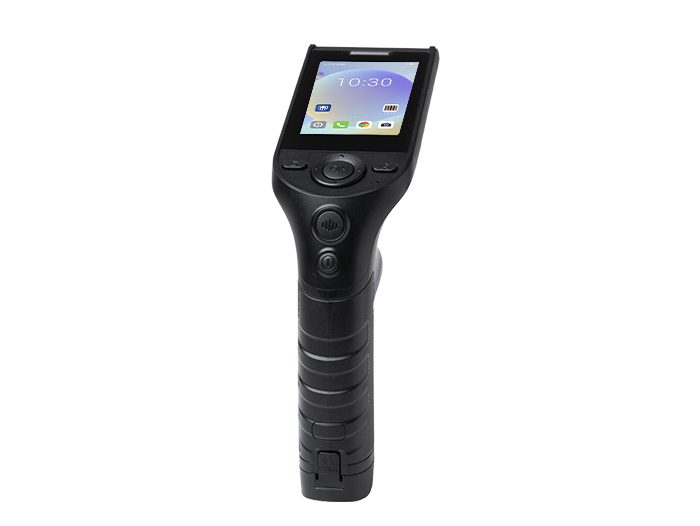
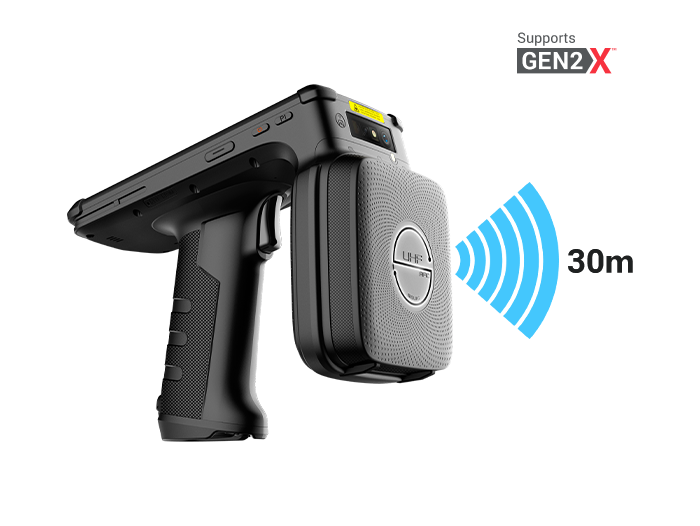
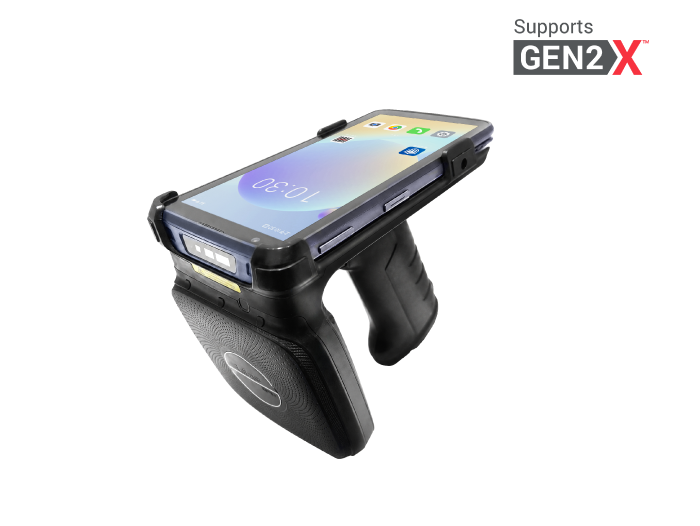
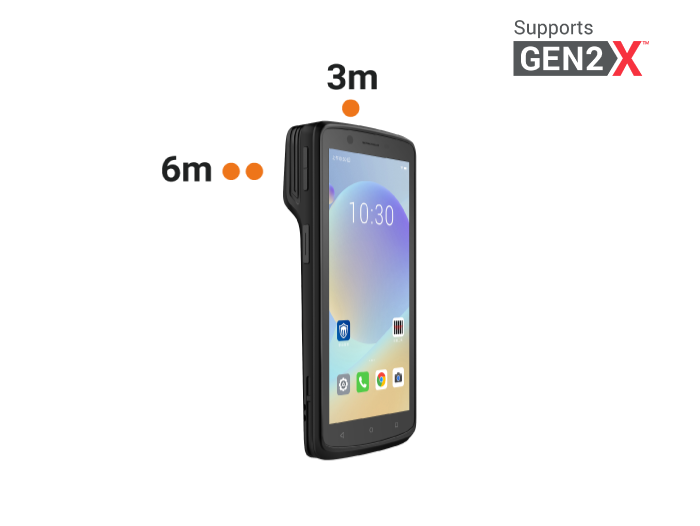
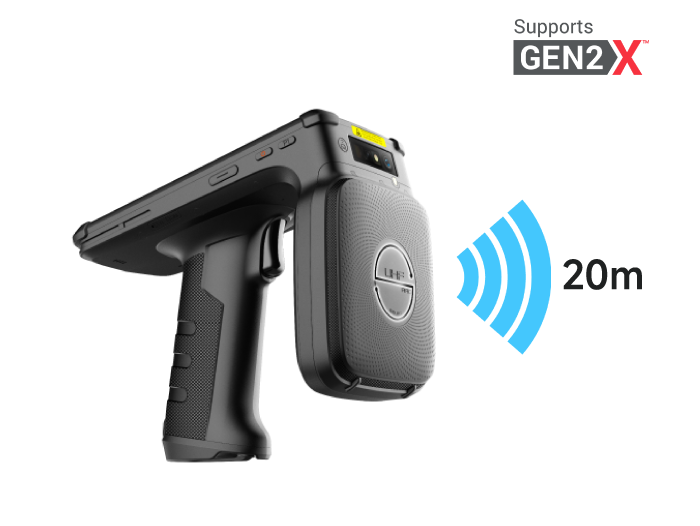
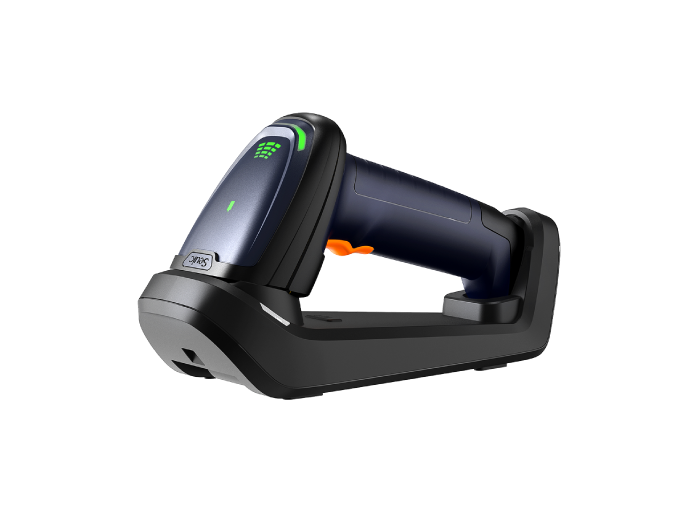
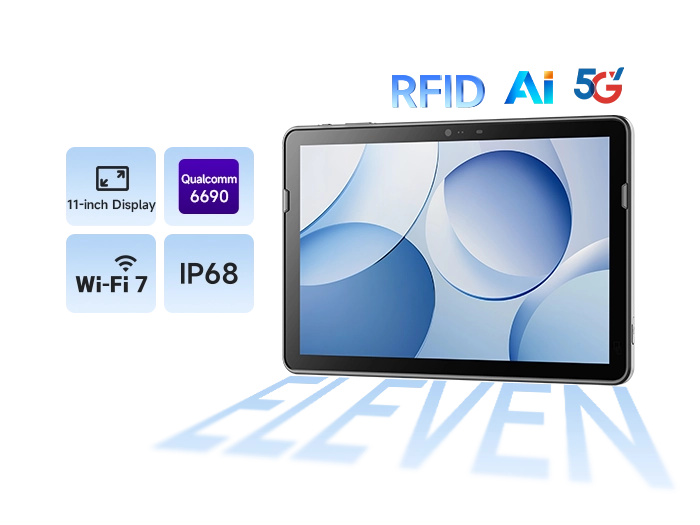
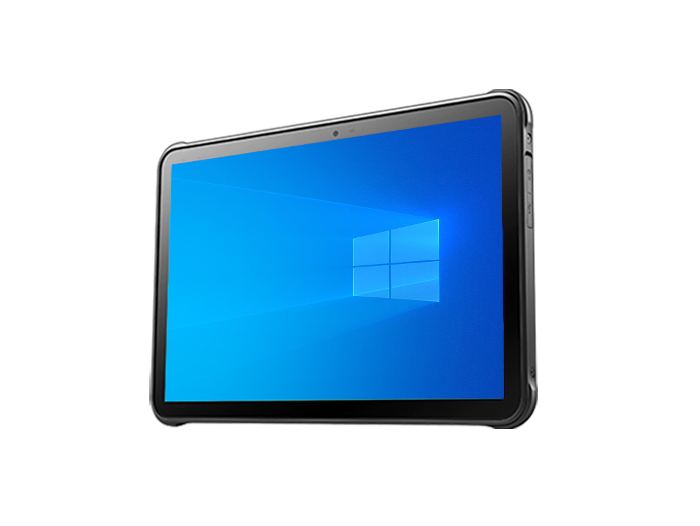
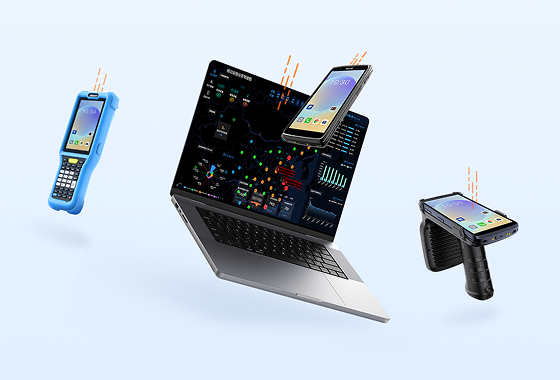
Leveraging RFID and IoT technologies, the hospital integrated physical asset tracking with digital asset records. Using the Seuic AUTOID UTouch handheld computer, staff can manage asset receiving, assignment, borrowing, transfer, maintenance, auditing, retirement, status changes, disposal, reporting, and analytics through a unified platform. This enables comprehensive lifecycle management of fixed assets with greater accuracy and efficiency.
Results
By connecting fixed assets with departments, asset managers, and end users across the hospital, the solution established a more intelligent and streamlined asset management framework. The hospital achieved higher management efficiency, improved asset visibility, and greater utilization of fixed assets throughout their lifecycle.
Empowering the Field with Technology, Making Efficiency within Reach!
Take Action Now