



Ward Round Efficiency Leap:
A Top Shandong Hospital Brings
Real-Time Care via Seuic Tablets
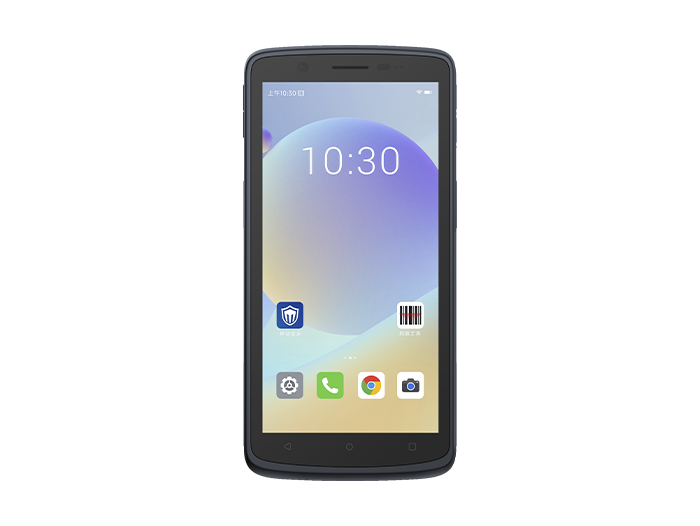
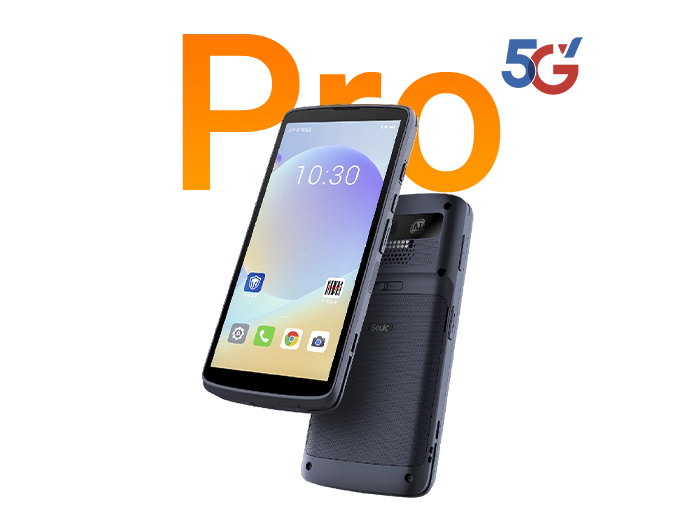
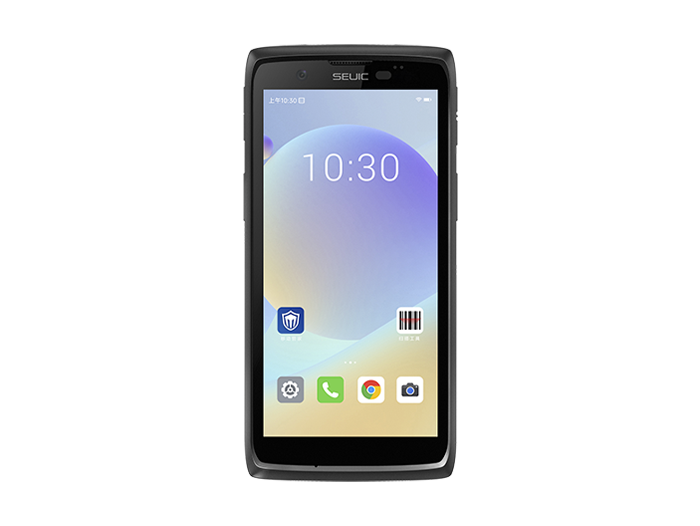
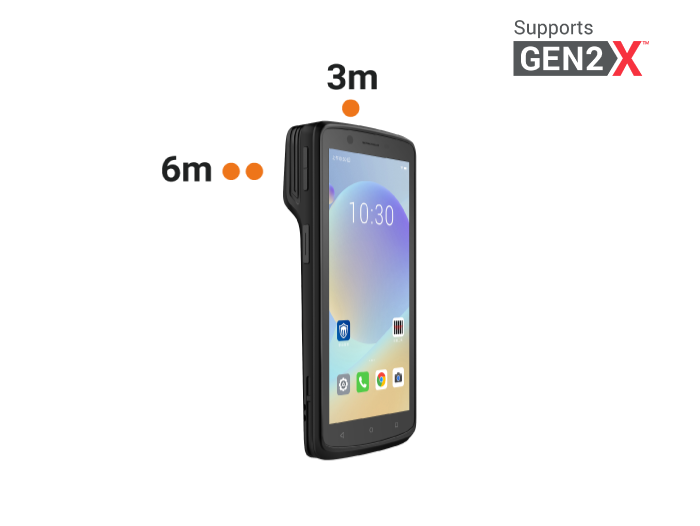
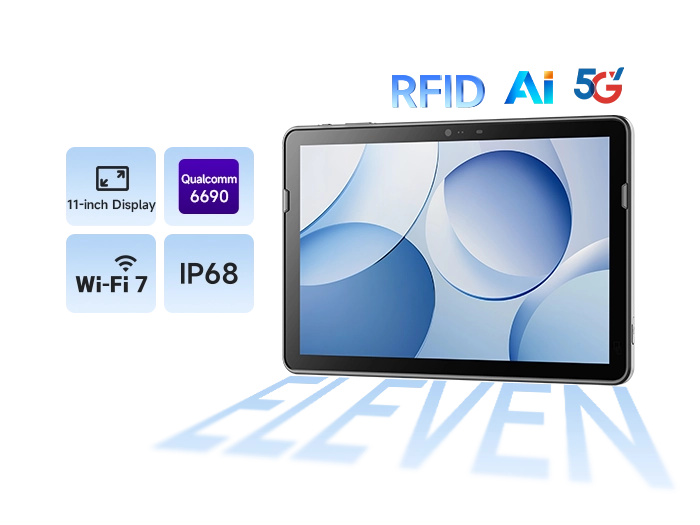
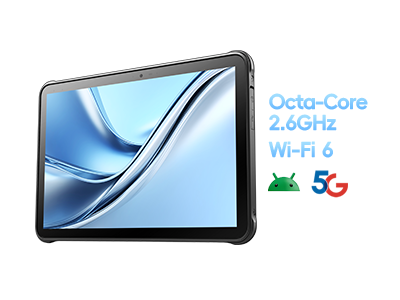
A leading tertiary hospital in Shandong deployed the Seuic AUTOID Pad Air-HC healthcare
tablet. Physicians can securely access complete electronic medical records, medical images,
and diagnostic results at the bedside while entering orders in real time, improving rounding
efficiency, order accuracy, and medication management.
Business Background
A leading tertiary general hospital in Shandong is a directly affiliated hospital of Shandong University and the First Clinical Medical College of Shandong University. It serves as a key national regional medical center, acting as both a lead and output institution for China's National Regional Medical Center program, and is also a designated participant in the development of a national-level comprehensive medical center. The hospital is recognized for its strong clinical capabilities, academic excellence, and integrated healthcare innovation.
Challenges
Traditional ward rounds relied heavily on paper medical records and manual documentation. Physicians typically moved from room to room with medical record carts, reviewing paper charts and test results, manually recording updates, and returning to their offices to enter physician orders. This process was time-consuming, inefficient, and prone to delays, particularly when managing complex patient cases.
Solution
To modernize clinical rounding workflows, the hospital deployed the Seuic AUTOID Pad Air-HC healthcare tablet as part of a mobile ward round solution. The system extends hospital information systems directly to the patient bedside, enabling physicians to securely access complete electronic medical records, laboratory reports, medical imaging, pathology results, and other clinical information in real time. Using the AUTOID Pad Air-HC, physicians can review patient data, make informed clinical decisions, and enter or update physician orders directly at the bedside. This creates a seamless bedside workflow that connects information access and clinical decision-making in real time, eliminating dependence on paper charts and post-round order entry while significantly improving efficiency and accuracy.
Results
Improved rounding efficiency through faster and more accurate access to patient information compared with traditional paper-based workflows.
Higher order accuracy by enabling physicians to enter orders directly at the bedside, reducing omissions and transcription errors.
Enhanced medication management through integration with hospital medication systems, supporting safer and more appropriate prescribing decisions.
Empowering the Field with Technology, Making Efficiency within Reach!
Take Action Now