





Auto-ID's Missing Middle
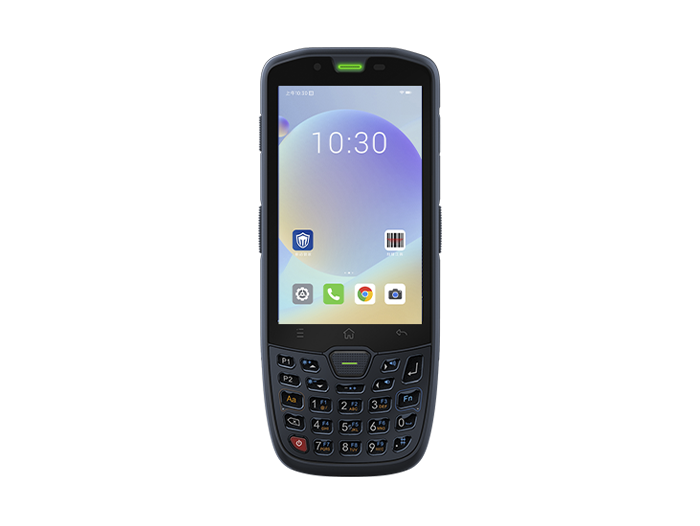
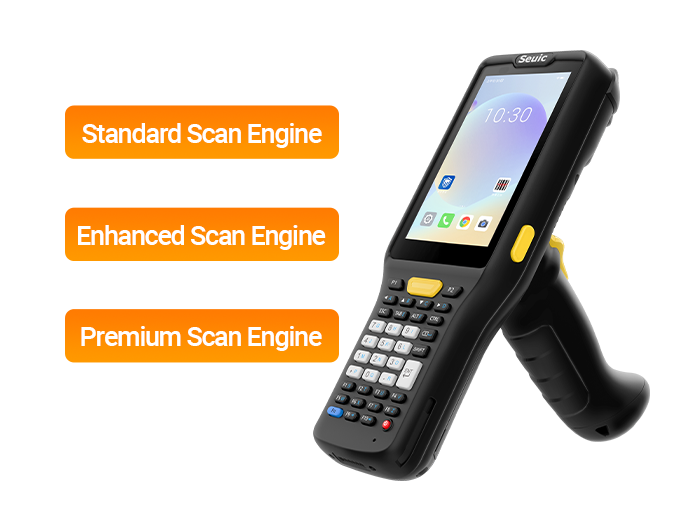
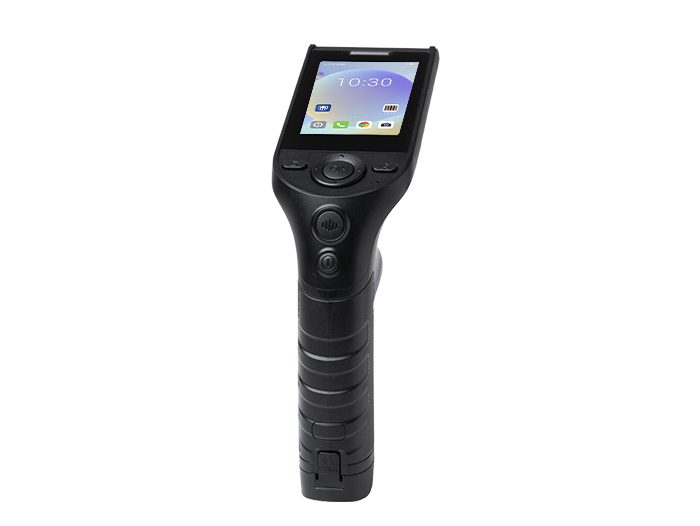
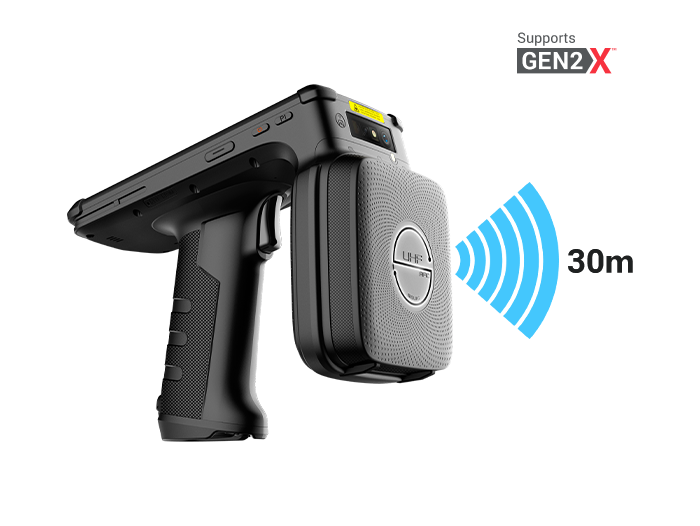
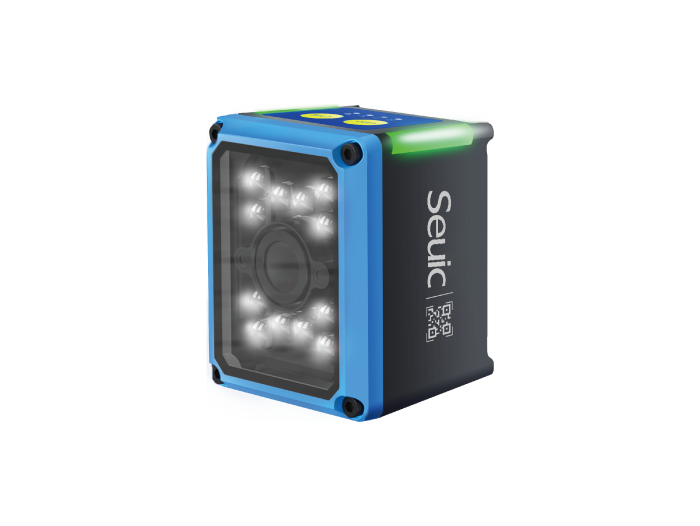
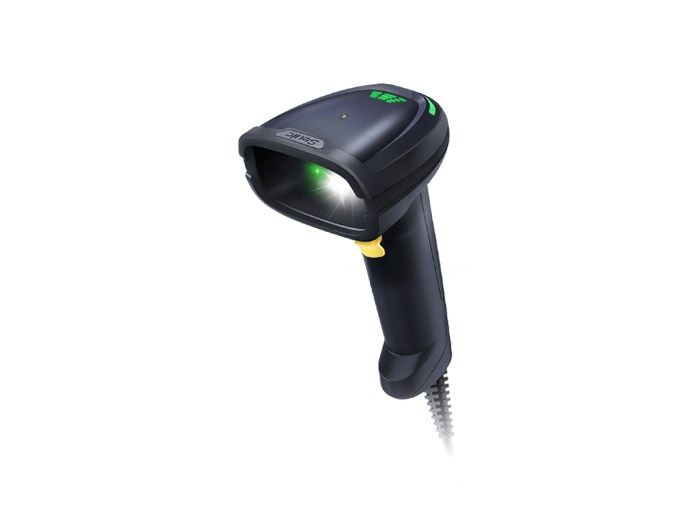
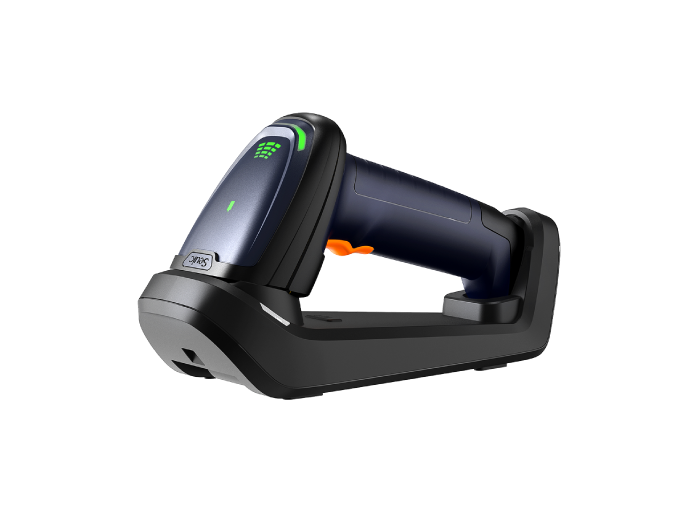
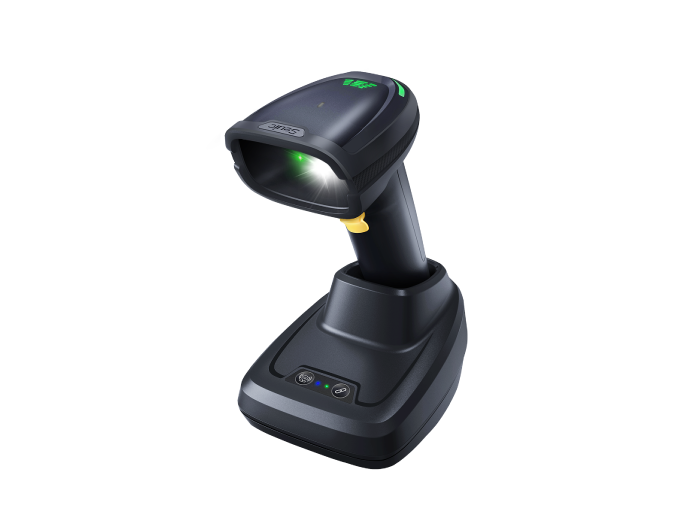
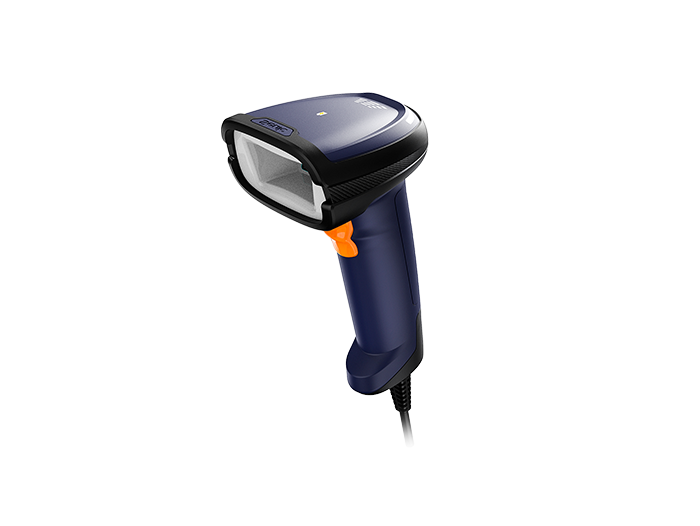
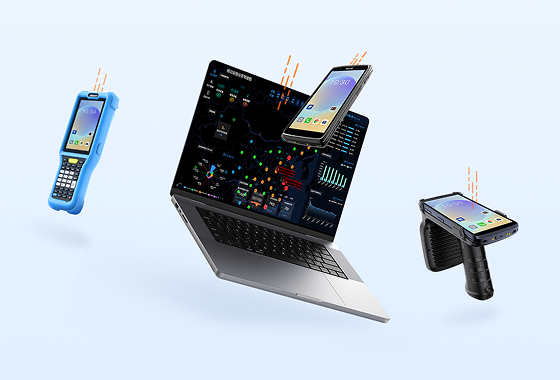
For forty years, the logic of Auto-ID has been the same: bring the reader to the item. That is what handhelds are. That is what wearables and ring scanners are. The operator walks, the operator aims, the operator triggers.
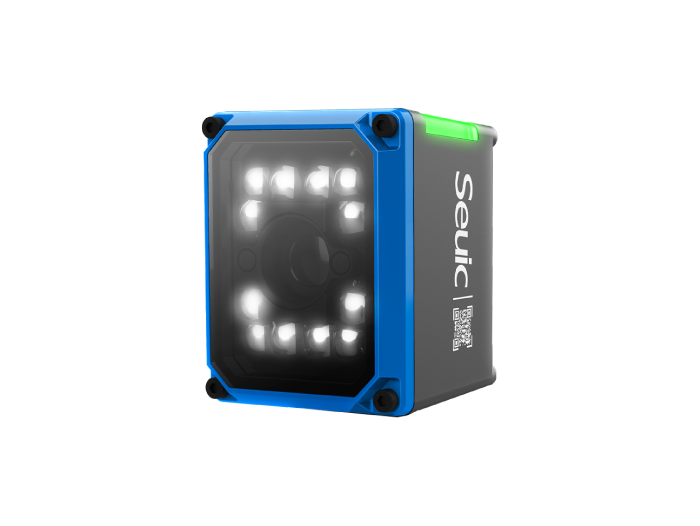
At the other end of the spectrum sits fixed automation — tunnels, portals, conveyor-mounted arrays. Extremely fast, extremely accurate, and extremely demanding: a conveyor, an integration project, a commissioning phase, a budget line that has to be defended a year in advance.
Between those two extremes there is a gap, and a surprising amount of real work falls into it.
The parcel pick-up point handing out two hundred items a day. The pharmacy warehouse receiving mixed cartons. The SME manufacturer shipping forty boxes an afternoon. The retail back office reconciling a delivery before it hits the shelf. None of them can justify a tunnel. All of them are losing time to one-by-one scanning.
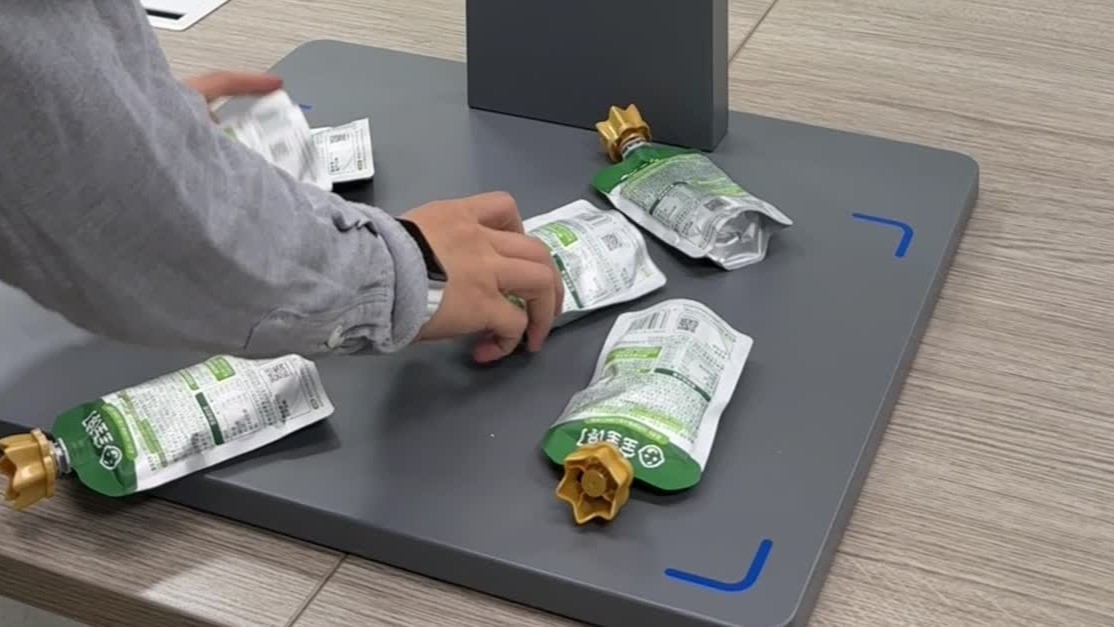
What closed the gap was not optics. It was compute.
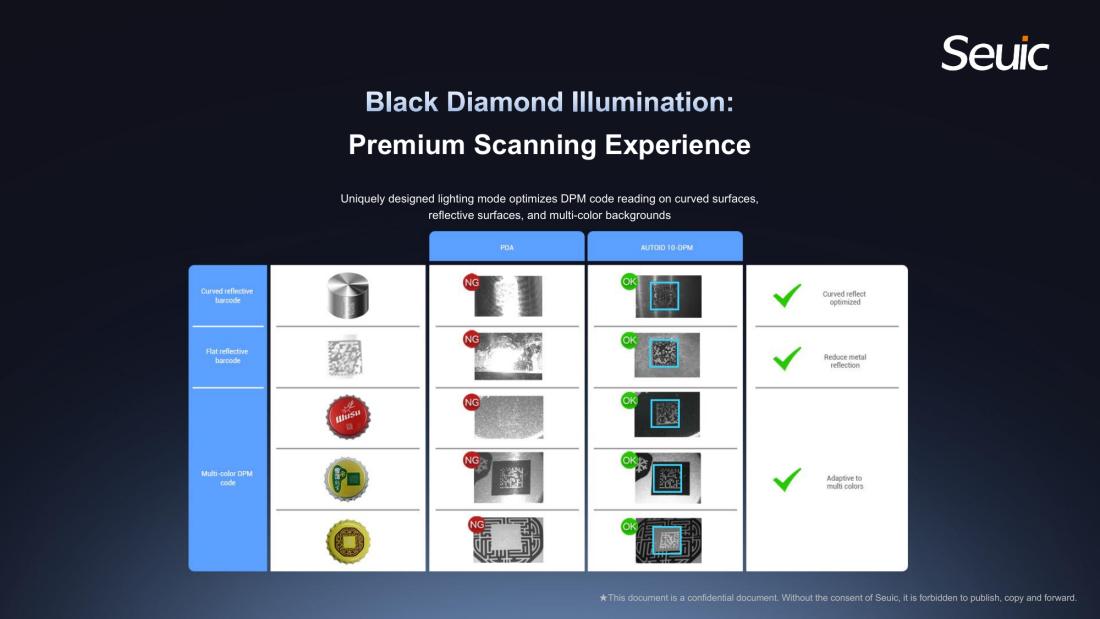
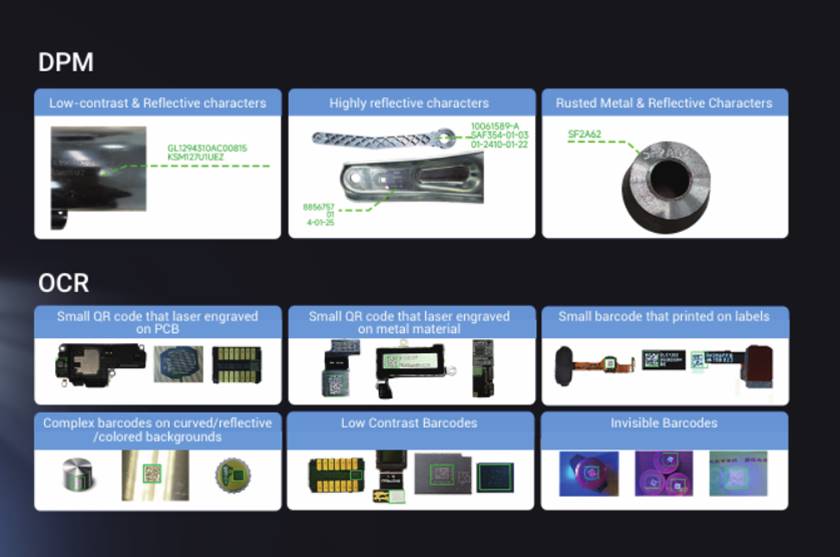
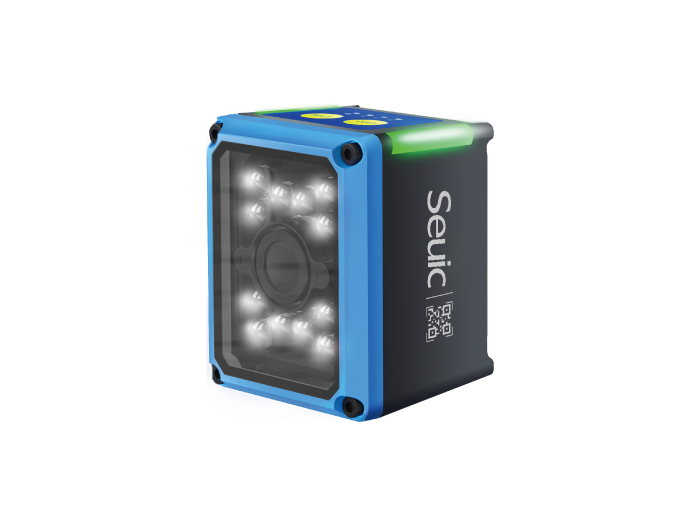
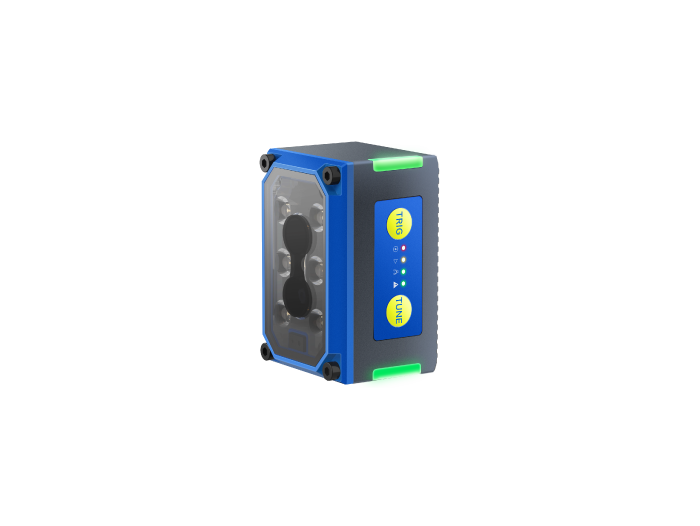
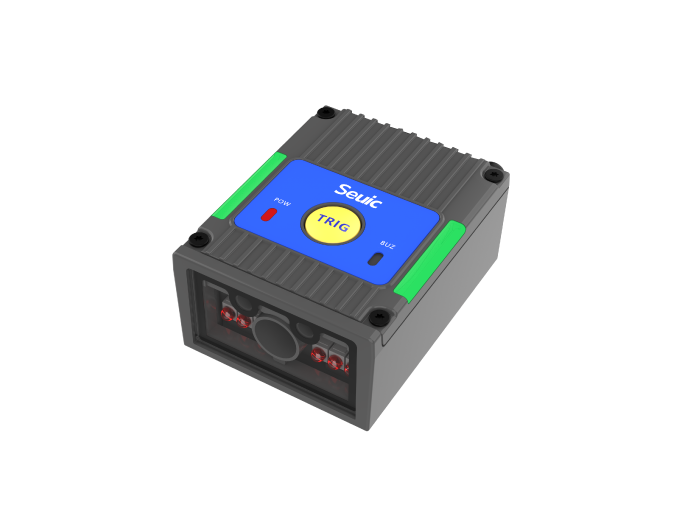
A static scanning station is, at first glance, unremarkable: a column, a camera, a screen, a flat surface. What makes it work is what happens between the shutter and the screen. An eight-megapixel sensor covering a field of view of roughly 450 by 330 millimetres, with a depth of field measured in hundreds of millimetres rather than centimetres. Several TOPS of AI compute at the edge — no server, no cloud round-trip. And an algorithm trained to locate codes inside a cluttered scene before it tries to decode them.
The practical consequence: the operator no longer presents one item. They put down whatever is in their hands — six pouches, a stack of cartons, a tray of mixed goods — and the station reads every code in a single pass. Damaged labels, partially covered codes, codes someone has written over: the failure modes that stop a laser scanner are the ones a trained model handles best.
Four places where this changes the economics
Parcel and express, outbound. Self-service drop-off and hand-out points where the constraint is not technology but queue length. Batch reading turns a sequence of scans into a single gesture, and the screen gives the customer the confirmation that otherwise requires staff.
Pharmaceutical and food traceability. Regulated flows where every unit must be captured, not sampled. The station reads the whole consignment and shows what it read — visual confirmation of completeness is itself a compliance artefact.
Manufacturing, raw material in and finished goods out. The two points in a plant where identification is still often manual because the volume never justified automation. This is the classic missing-middle case.
Logistics and e-commerce, inbound and outbound. Receiving and dispatch benches, where the item is already being handled by a human for other reasons — placing it on a mat costs nothing extra.
What I would watch
The interesting question is not whether a station can read a hundred and eighty codes at once. It is what else it can capture in the same gesture.
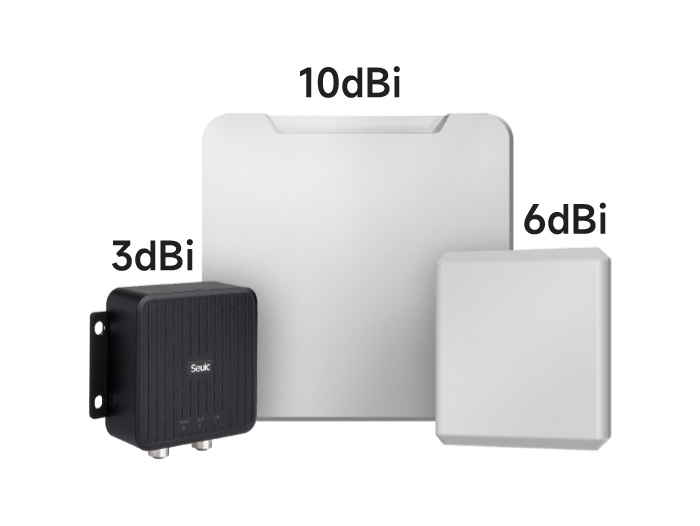
Identification is only the first layer. The same station can add RF reading, so that tagged and untagged goods pass through a single point. It can add weight. It can add dimensions. At that point the operator makes one movement and the system records what the item is, how many there are, what it weighs and how much space it occupies — the four data points that every shipping, billing and slotting decision depends on, captured once instead of four times at four stations.
That is a different proposition from a scanner. It is a data-capture point that happens to start with barcodes.
For those of us who have spent our careers in this industry, there is something quietly satisfying about it. The handheld is not going anywhere — it never was the problem. But the assumption that automation means a conveyor has been costing mid-sized operations real money for a long time.