










Why Direct Part Marking Is Quietly Becoming a Boardroom Issue
For most of its history, Direct Part Marking (DPM) has lived in a very specific corner of manufacturing: the engineer who needed a serial number to survive a paint booth, a sterilizer, or twenty years on an aircraft wing. It was a production-floor problem, solved by production-floor people.
That's changing. Three forces are converging right now, and together they're pushing DPM out of the factory and into conversations about compliance, brand protection, and enterprise risk.
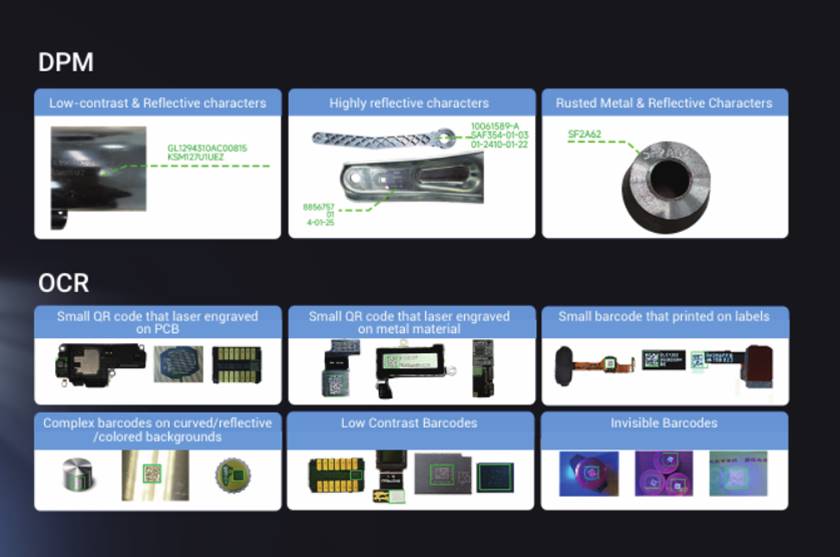
1. Regulation is starting to mandate what used to be optional.
The EU's Digital Product Passport, part of the Ecodesign for Sustainable Products Regulation, is the clearest signal. It requires a unique identifier and a machine-readable data carrier for a growing list of product categories — batteries first, with enforcement from February 2027, then extending toward textiles, furniture, electronics, steel, aluminium and tyres. The passport has to stay accurate for the life of the product, through repair and recycling. A label glued on at the factory won't survive that timeline. A mark engraved into the part will.
Medical devices are already living this. Since February 2026, the FDA's Quality Management System Regulation folds UDI compliance directly into every inspection, under program CP 7382.850. Inspectors are now checking whether marking methods actually survive autoclaving and gamma sterilization — which quietly rules out a lot of ink and adhesive approaches that used to pass.
2. The standards have matured enough to be enforceable.
You can't regulate mark permanence without a way to measure it. That's exactly what ISO/IEC TR 29158 (the DPM Quality Guideline) does, alongside sector-specific specs like AIAG B-17 in automotive and SAE AS9132 in aerospace. These aren't new documents, but they've moved from “best practice reference” to the yardstick auditors actually check against. When a standard becomes the thing an inspector cites, adoption stops being a choice.
3. The technology finally closes the gap between “marked” and “readable.”
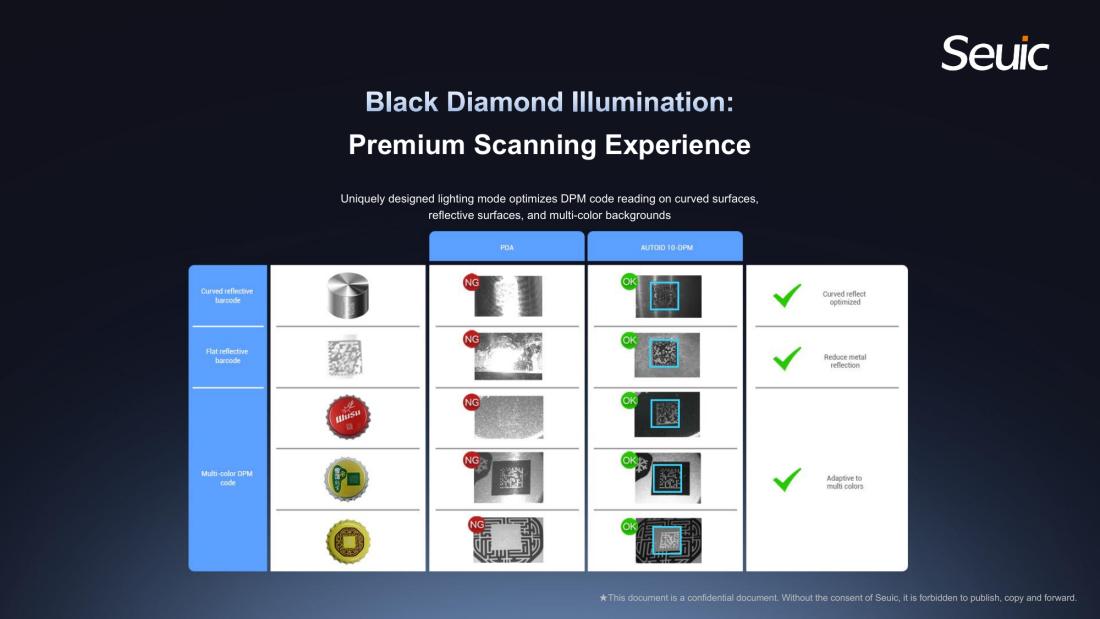
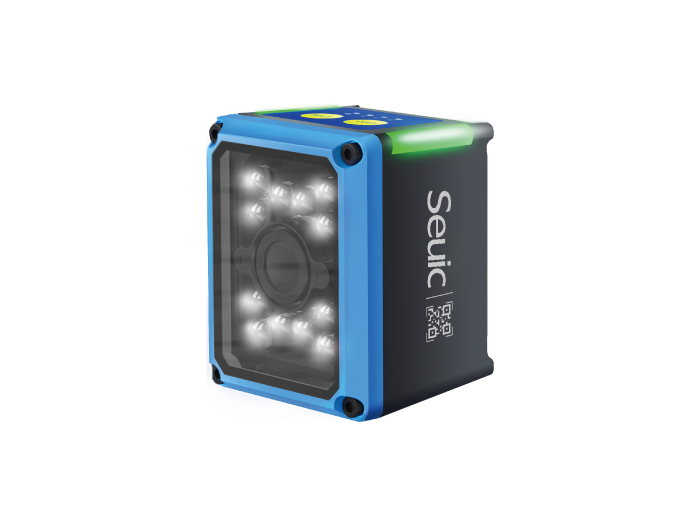
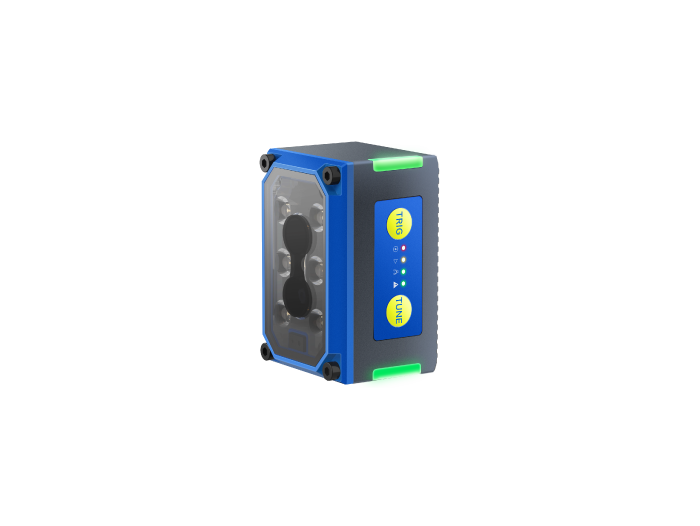
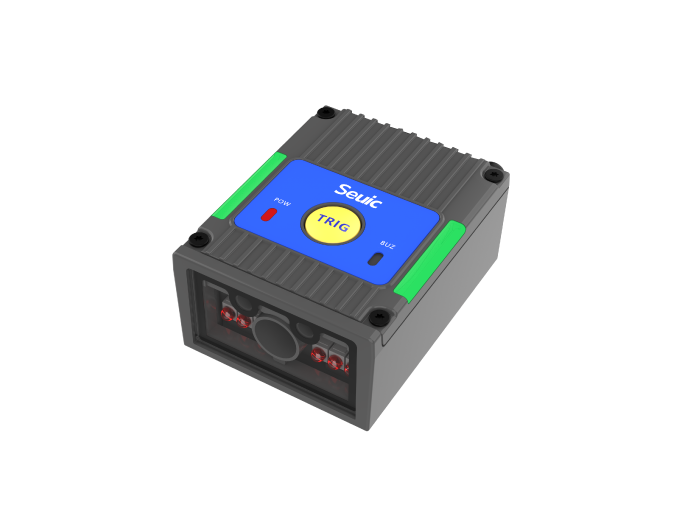
This is the part people underestimate. Engraving a Data Matrix onto a curved, reflective, oily piece of stainless steel is a very different problem from reading a printed label on a cardboard box. Low contrast, glare, geometric distortion, contamination, and mark degradation over years of handling have historically made DPM the hardest category in the AIDC world to read reliably in the field — which is exactly why the reading side of this equation (imaging, illumination, decoding algorithms) has had to catch up to the marking side. The gap hasn't fully closed everywhere, but it's closed enough that “we can mark it” is no longer a reasonable excuse for “we can't verify it downstream.”
Put those three together, and the shift makes sense.
Traceability is moving from a competitive nice-to-have to a regulatory floor. The part of that story that used to be invisible — can this specific mark actually be scanned, reliably, on the shop floor, at the loading dock, in the field, five years after it was made — is becoming the part that determines whether the rest of the compliance chain holds up. A beautiful digital product passport is worthless if the physical mark underneath it can't be read.
I've spent 22+ years in Auto-ID and data capture, mostly on the channel and go-to-market side, watching technologies move from “engineering curiosity” to “line item in a compliance audit.” DPM is in the middle of that move right now. I'd rather talk about it before it's an obvious hindsight take than after.
I'll be sharing some real-world case studies on DPM reading challenges over the coming weeks — the failure modes are more interesting than the marketing usually admits. If you're dealing with this on the regulatory, engineering, or procurement side, I'd genuinely like to hear how it looks from where you sit.
Marco Santambrogio — EU Sales Director, SEUIC Technologies.
https://www.linkedin.com/in/marco-santambrogio-22b7969/