



DPM + OCR on a PDA: Why the Display Is the Real Unlock
In my last piece I talked about why Direct Part Marking is turning into a compliance issue — Digital Product Passports, FDA UDI enforcement, standards like ISO/IEC TR 29158 that make mark quality auditable. Compliance gets you to “the mark exists and meets a quality grade.” It says nothing about whether that mark actually gets read, correctly, on the first try, by the person standing at the workstation. That's a different problem, and it's the one I want to get into here.
First: DPM and OCR are rarely separate problems.
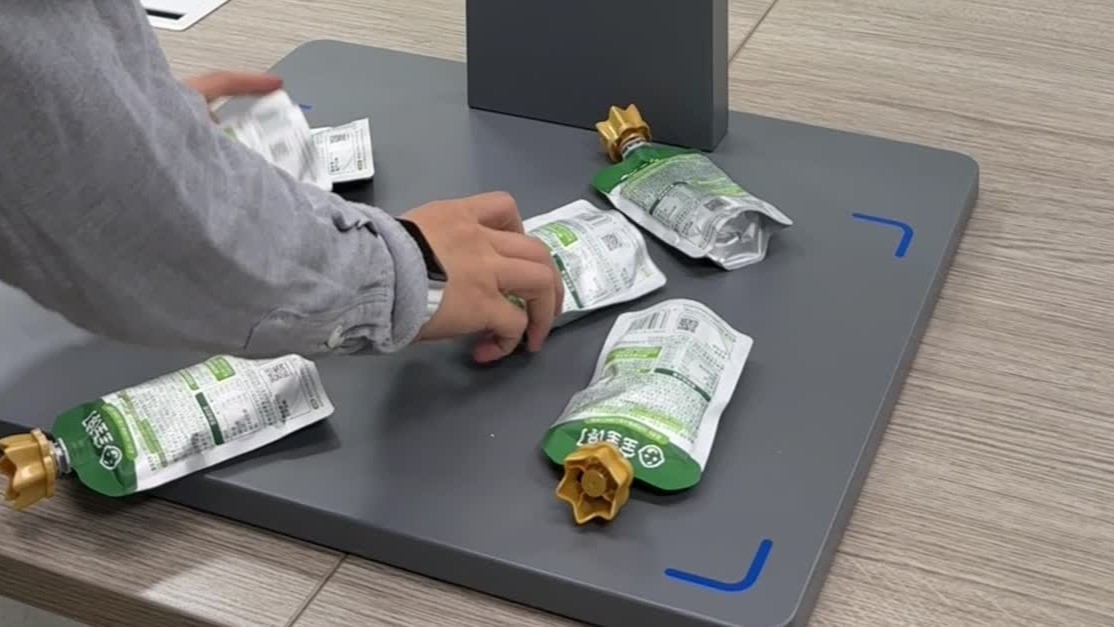
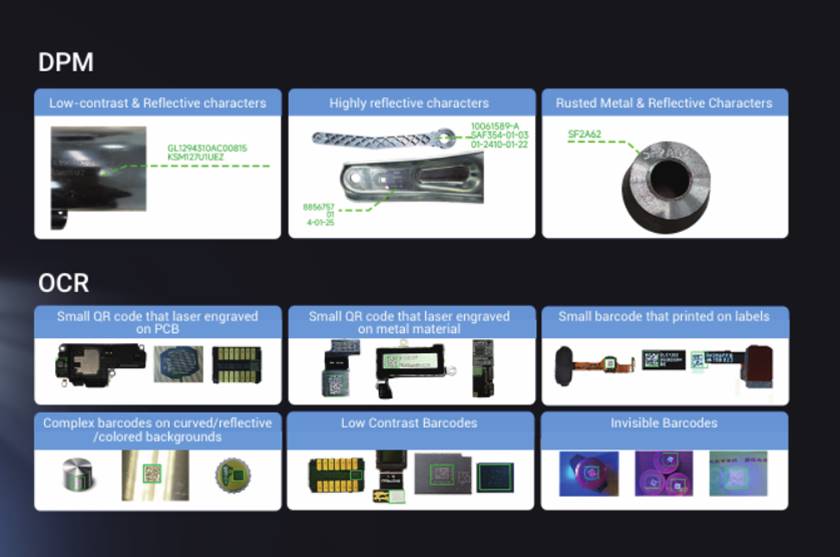
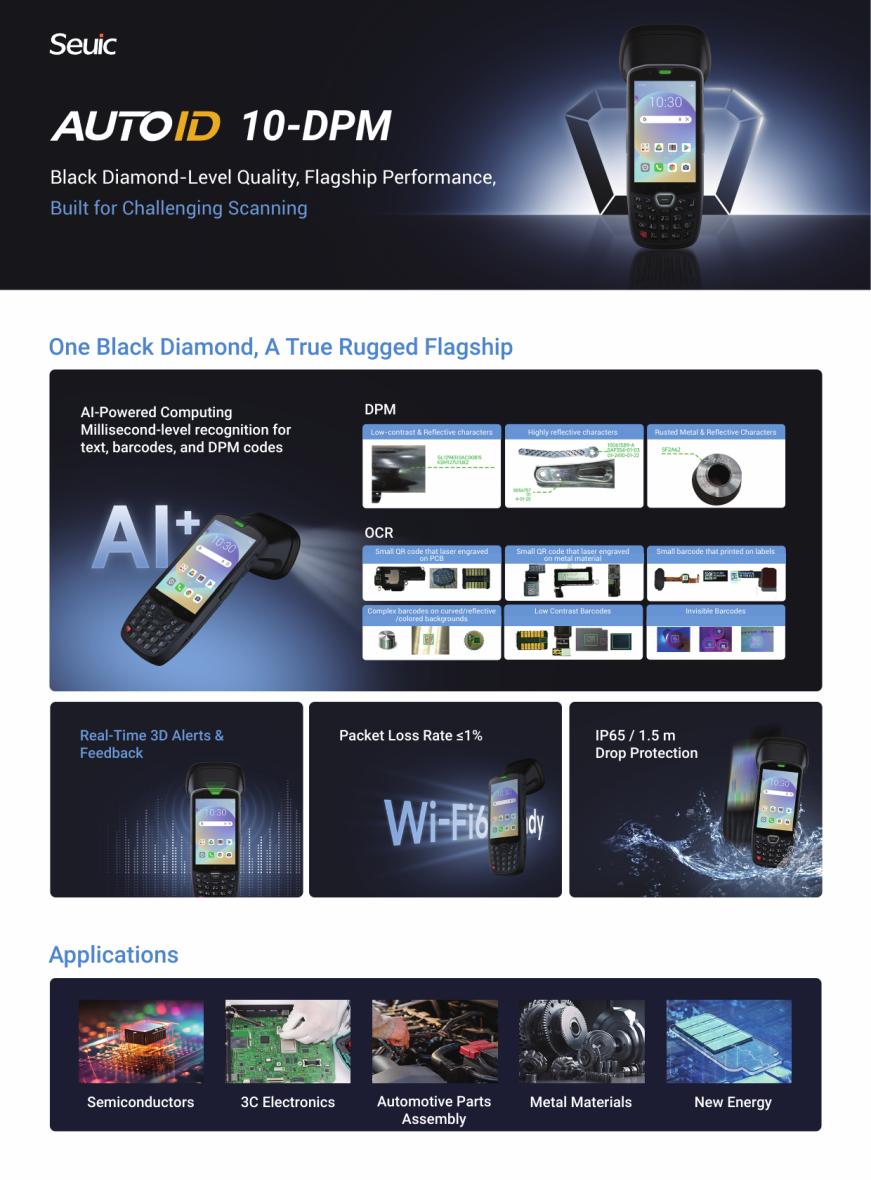
A real part on a real production line doesn't limit itself to one identification method. The same component can carry a laser-etched Data Matrix on a curved metal surface, a printed label that's picked up grease and abrasion, and a free-text batch code or serial number stamped directly into the material — no barcode structure at all, just characters a human (or an OCR engine) has to parse. Warehousing, cold chain, and automotive parts flows add their own variants: low-contrast codes on frozen packaging, reflective codes on flat metal, degraded characters on rusted or dirty surfaces.
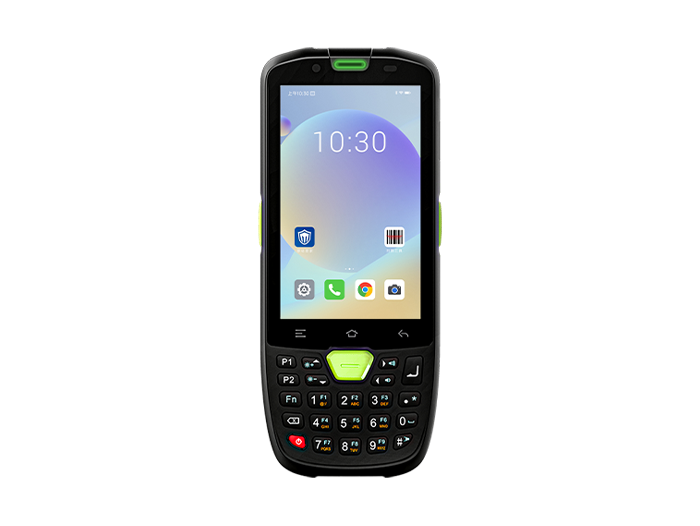
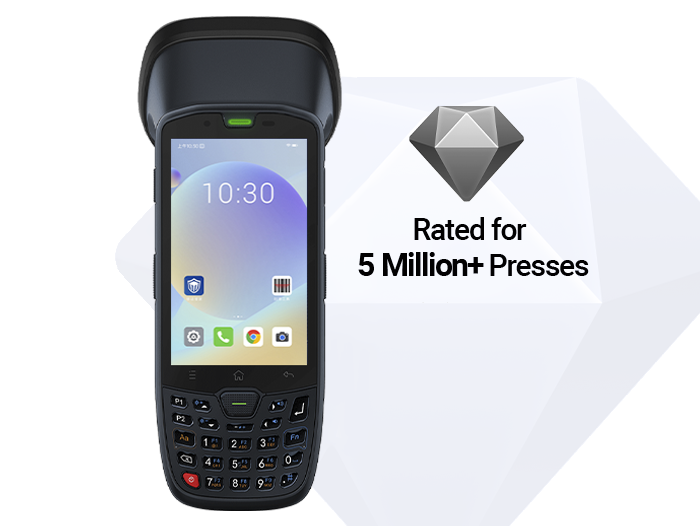
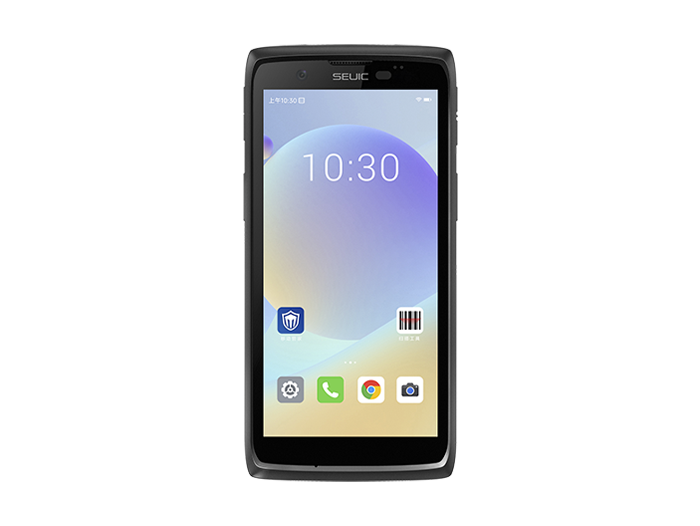
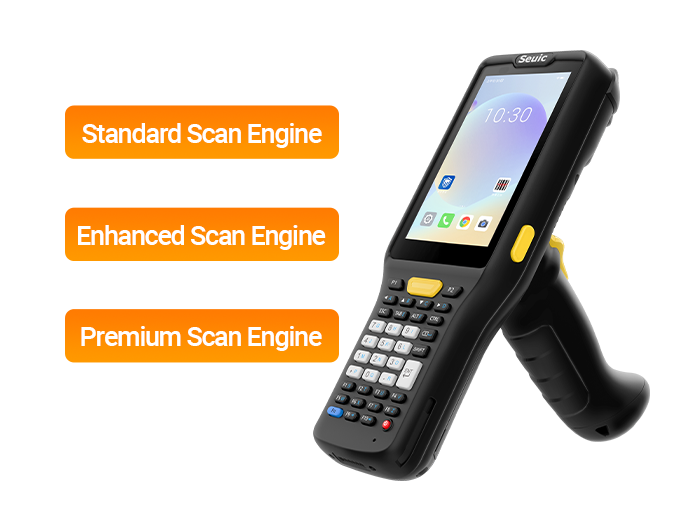
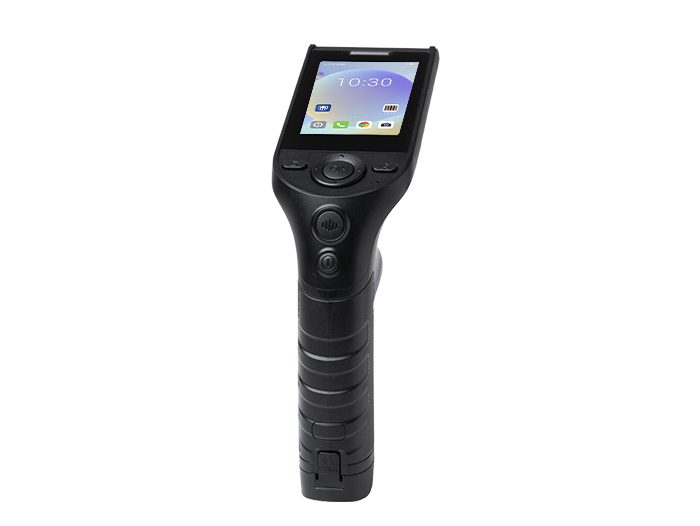
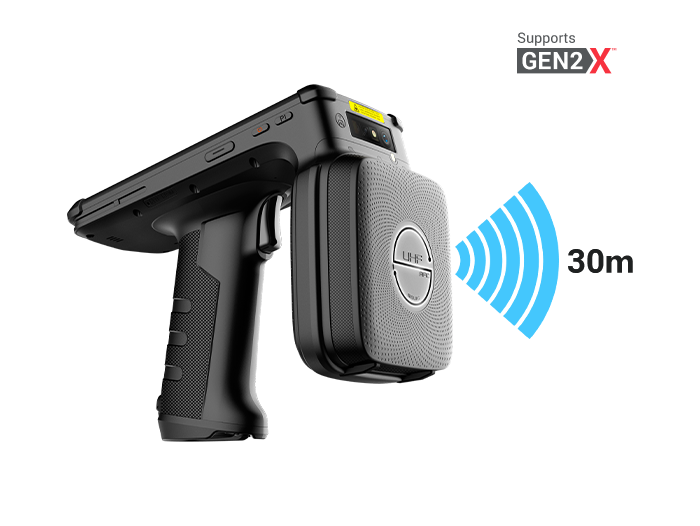
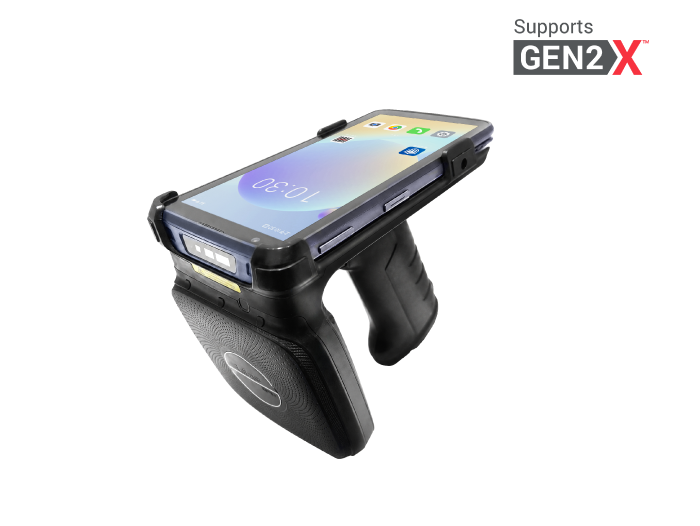
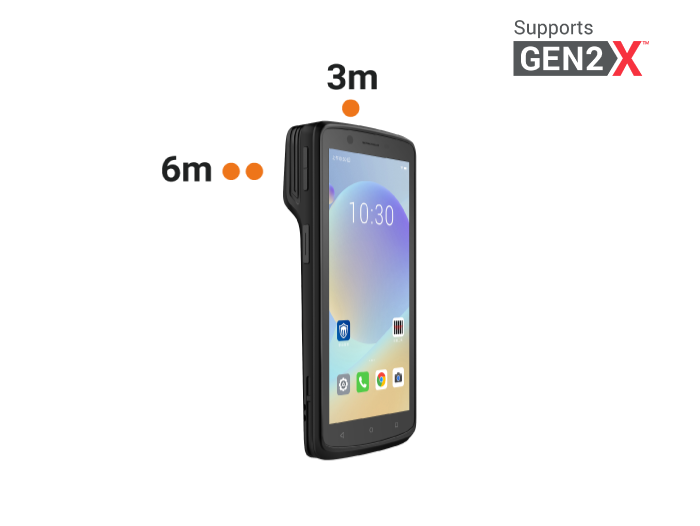
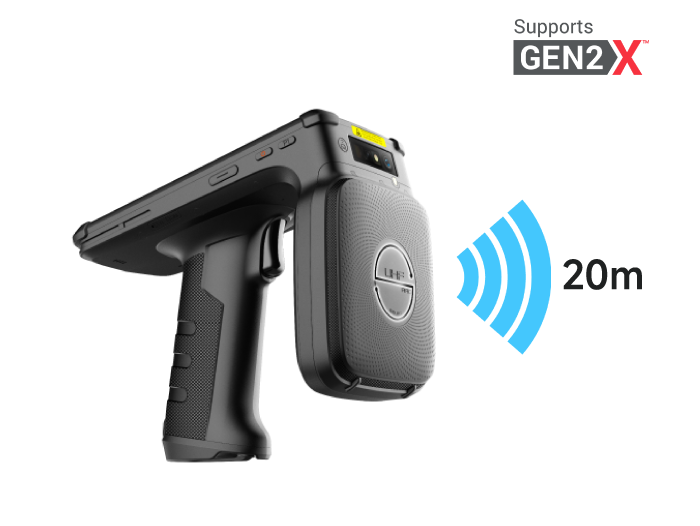
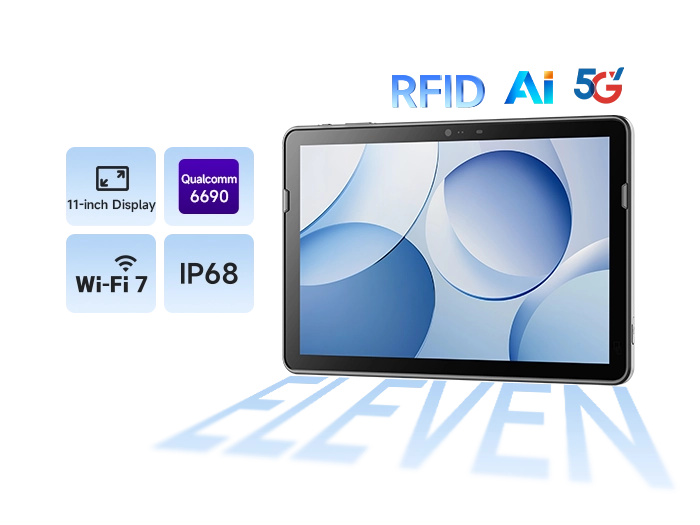
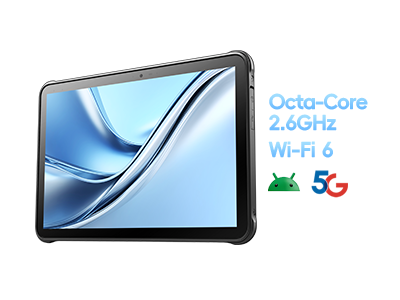
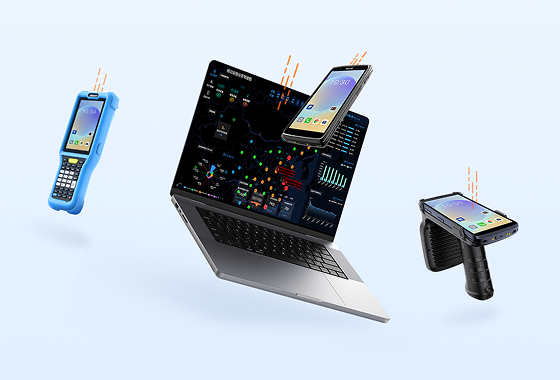
If your capture device ( handheld PDA) only decodes symbologies, every one of those free-text or degraded cases becomes a manual re-key — which is exactly the failure mode barcode scanning was supposed to eliminate in the first place. Running DPM decoding and OCR through the same imaging and AI pipeline, in the same trigger pull, isn't a feature checkbox. It's what lets one device follow the part through however it's actually marked, instead of forcing three different workflows for three different mark types on the same production line.
Second: none of that matters if the operator can't see what's happening.
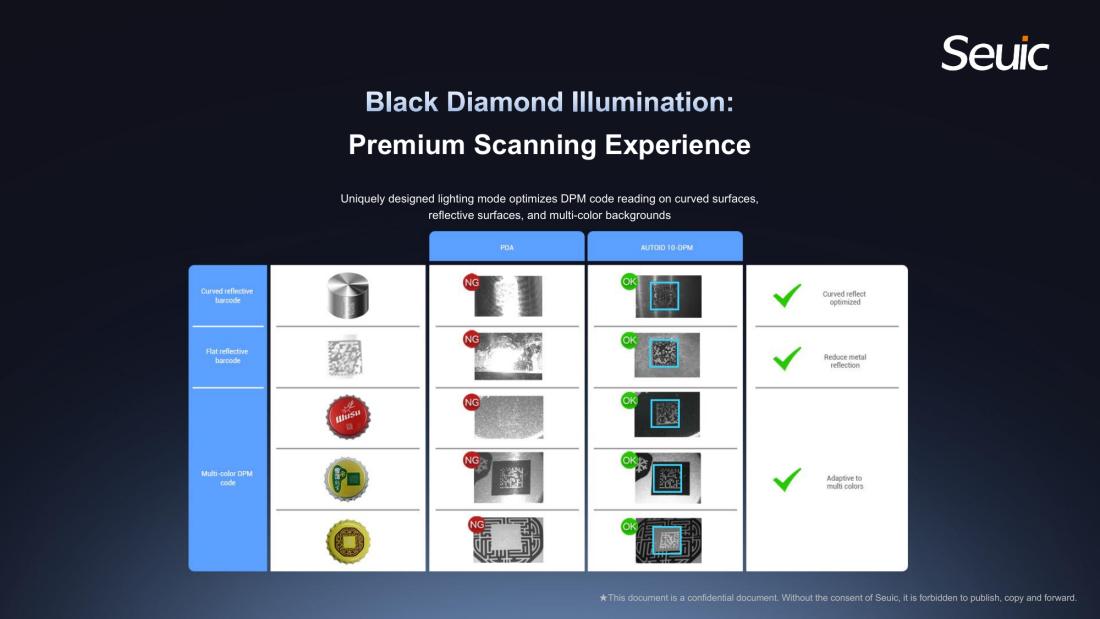
This is the part that gets underweighted in most buying decisions, because it's not a spec-sheet line item. It's a screen. But on hard-to-read marks — reflective, curved, low-contrast, degraded — a display changes three things at once:
Confirmation of aim. A laser aimer tells you where you're pointing. It doesn't tell you what you're pointing at, or which of several nearby marks the decoder is about to lock onto. A live camera view does. On a part with multiple codes close together — common in electronics and automotive assemblies — that distinction is the difference between a clean read and a silently wrong one.
Real-time focus and decode-ready feedback. Watch someone struggle with a blind-aimer scanner on a tough DPM code: point, trigger, miss, adjust distance, trigger again, adjust angle, trigger again. A display that highlights the target the instant it's in focus and recognized — before the trigger is even pulled — turns that into a closed loop the operator can see and correct in real time. The scan gets faster not because the decoder got smarter, but because the human stopped guessing.
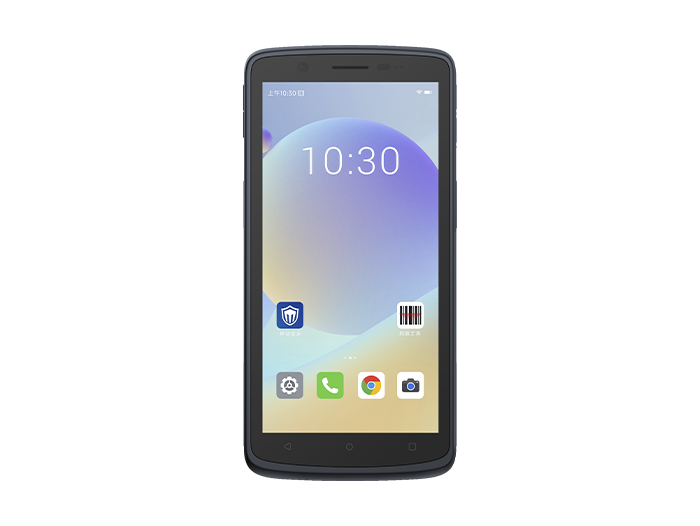
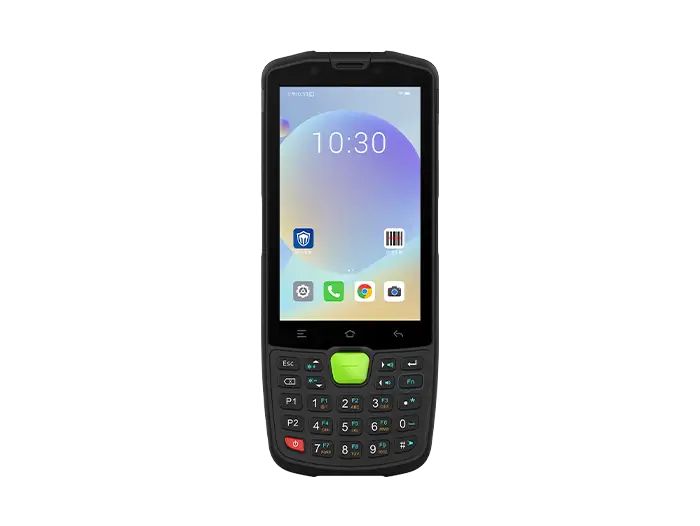
A feedback channel, not just a capture channel. Once a device has enough on-device intelligence to decode DPM and OCR live, and a screen to show it on, the handheld stops being just an input device. It can display back a pass/fail against an expected format, a cross-reference result, the next step in the process — at the exact point of capture. That's the practical meaning of “edge computing” here: not a marketing term, but a terminal that closes the loop with the operator instead of just forwarding raw data upstream and hoping the exception gets caught later.
Put together, this is a human-factors argument as much as a technical one.
A lot of AIDC purchasing conversations stay at the symbology-support level: does it read Data Matrix, does it handle DPM, what's the working distance. Those questions matter, but on the genuinely hard reading cases — the ones DPM and OCR both live in — whether the operator has a live, intelligible view of what the device is doing is often the actual variable between “this deployment cut our cycle time” and “this deployment just moved the failed reads from the scanner to the rework station.”
I'll follow this up with a couple of real deployment stories — anonymized, since I can't name the accounts — that show this pattern in practice: one on incoming-material inspection where mark condition was the whole problem, one on a workshop environment where connectivity, not the mark, turned out to be the bottleneck. Different lesson each time, same underlying point: the hard part of Auto-ID is rarely the part everyone assumes it is.
Marco Santambrogio — EU Sales Director, SEUIC Technologies.
https://www.linkedin.com/feed/update/urn:li:activity:7501170869222764544/