




Long Range RFID Reader Guide: How It Works & 6 Key Applications
In today's business environment where efficiency is everything — whether managing a sprawling warehouse, tracking thousands of packages in transit, or completing a supermarket inventory count in record time — traditional manual barcode scanning is increasingly falling short. You may be looking for a technology that can "identify objects at a distance" and process data in bulk. That's where the Long Range RFID Reader comes in.
This guide breaks down how long-range RFID readers work, examines the key factors that affect read performance, and explores their transformative applications across six core industries.
1. What Is a Long Range RFID Reader and How Does It Work?
Simply put, a Long Range RFID Reader is a device that can read and write data to electronic tags wirelessly, without contact, from several meters to even tens of meters away.
Think of it as an efficient "conversation" process:
Step 1: The reader transmits a signal. The reader continuously emits radio frequency signals at a specific frequency through its antenna, creating an energy field.
Step 2: Tags wake up and respond. When an RFID-tagged item enters this energy field, the tag's chip is activated. For passive tags (the most common type), the chip draws energy from the reader's signal and reflects back the data it carries — such as a unique ID or product information.
Step 3: The reader receives and decodes. The reader's antenna captures this weak reflected signal and sends it to the reader module for decoding. The decoded data is then transmitted to a backend management system via the network, completing one data capture cycle.
The entire process takes milliseconds and can handle hundreds of tags simultaneously — a capability that barcode technology simply cannot match.
2. Key Factors That Affect Read Range
Not all long-range RFID readers have the same "vision." Several core factors determine effective read range:
Operating Frequency: The most popular frequency for long-range applications is UHF (860-960 MHz). UHF RFID systems, with their higher energy and better directionality, can achieve read ranges from 3 meters to 15 meters or more — making them ideal for long-range applications.
Reader Transmit Power: Higher power means a stronger signal and theoretically longer read range. However, every country imposes strict regulations on wireless transmit power, so performance must be maximized within compliance limits.
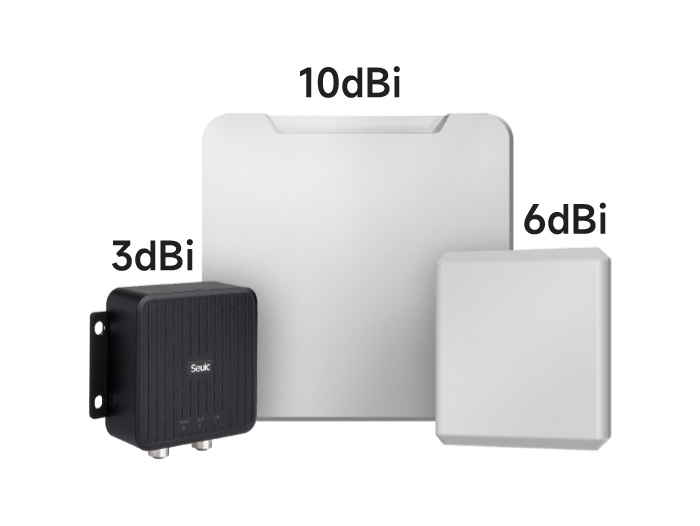
Antenna Gain and Type: The antenna is the reader's "amplifier." High-gain directional antennas concentrate energy in one direction for ultra-long-range reading, while omnidirectional antennas cover a wider area but sacrifice distance in any single direction.
Tag Type and Environment: High-performance tags have better antenna designs that reflect signals more effectively. At the same time, environmental factors — such as metal and liquids — absorb or interfere with radio waves, significantly affecting actual read range. Specialized on-metal tags are required for metal surfaces.
Multipath Effects and Interference: Signals reflecting off walls, shelving, and other obstacles create multipath effects that can cancel out signals or cause misreads. Careful on-site deployment planning is essential.
3. Six Application Scenarios: Unlocking the True Value of Long Range RFID
Now that we understand the principles and influencing factors, let's look at where this technology plays a critical role:
3.1 Warehousing & Logistics / Supply Chain Management
Pain Points: Manual scanning during receiving and shipping is slow and error-prone. Inventory counting is time-consuming and labor-intensive. In-transit cargo status lacks visibility.
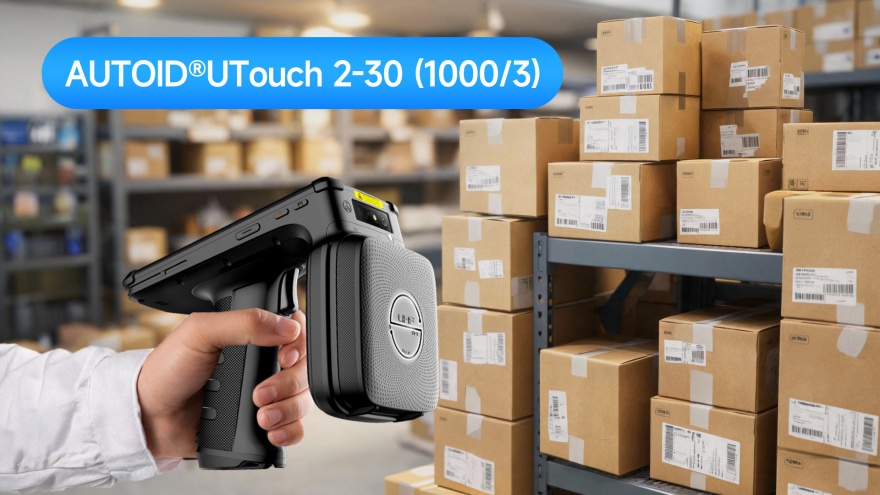
Solution: Install fixed long-range RFID readers at dock doors, paired with pallet tags on forklifts. As goods pass through, the entire pallet is registered instantly without stopping. Warehouse staff with handheld long-range readers can easily scan items deep in high racks from the aisle, compressing inventory time from days to hours.
Value: Dramatically improved receiving and shipping efficiency, reduced labor costs, real-time inventory visibility, fewer shipping errors and omissions.
3.2 Manufacturing & Production Lines
Pain Points: Work-in-progress (WIP) status is difficult to track. Critical component assembly is prone to errors. Quality traceability is challenging.
Solution: Embed heat-resistant, anti-metal RFID tags in workpiece carriers or attach them directly to products. Install long-range RFID readers at key production line stations to automatically record the time, operator, and process parameters for each step.
Value: Full transparency of the production process, supporting lean manufacturing and quality backtracking. Quickly isolate problematic batches and improve yield rates.
3.3 Retail & Brand Apparel Management
Pain Points: Inaccurate store inventory leads to stockouts or overstock. Missing data from fitting rooms. Difficulty preventing theft.
Solution: Attach RFID hang tags to every item. Staff use handheld long-range RFID readers to quickly count inventory across entire shelf sections from the center of the store. Install readers in fitting rooms and at exits to track try-on rates and trigger anti-theft alarms.
Value: Inventory accuracy rises to 99%+. Optimized replenishment decisions. Improved customer shopping experience. Significant reduction in shrinkage.
3.4 Energy & Public Utilities
Pain Points: Meter readers must enter homes to read meters — inefficient and costly. Inspecting remote pipelines, power towers, and other field assets is difficult.
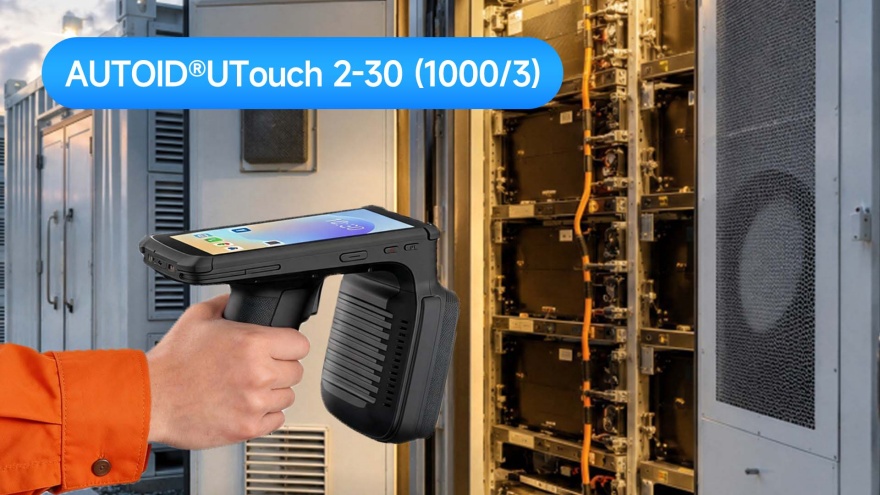
Solution: Attach RFID tags to water, gas, and electricity meters. Meter readers equipped with vehicle-mounted or handheld long-range RFID readers can batch-read customer meter data from several meters away without exiting the vehicle or entering premises. For field assets, drones equipped with readers can perform remote inspections.
Value: Greatly improved meter reading and inspection efficiency. Enhanced worker safety. Digital asset management.
3.5 Healthcare & Asset Management
Pain Points: Surgical instrument kits and high-value consumables go missing. Emergency equipment (ventilators, infusion pumps) is scattered and hard to locate when needed.
Solution: Attach RFID tags to critical medical devices and pharmaceutical packaging. Install long-range RFID readers at key nodes — department entrances, operating rooms, pharmacies — to track equipment and supplies in real time.
Value: Optimized allocation of medical resources. Ensures emergency equipment is always available. Prevents loss of high-value consumables. Improves patient safety.
3.6 Government & Law Enforcement / Public Safety
Pain Points: Large event security requires fast verification of personnel and vehicles. Road inspections struggle to efficiently intercept target vehicles.
Solution: Officers equipped with handheld long-range RFID readers can scan pre-issued ID cards or electronic license plates from a distance, quickly identifying suspicious targets in crowds or traffic.
Value: Improved law enforcement efficiency and accuracy. Strengthened security control in key areas. Powerful support for smart city initiatives.
4. Recommended Seuic Long Range RFID Reader
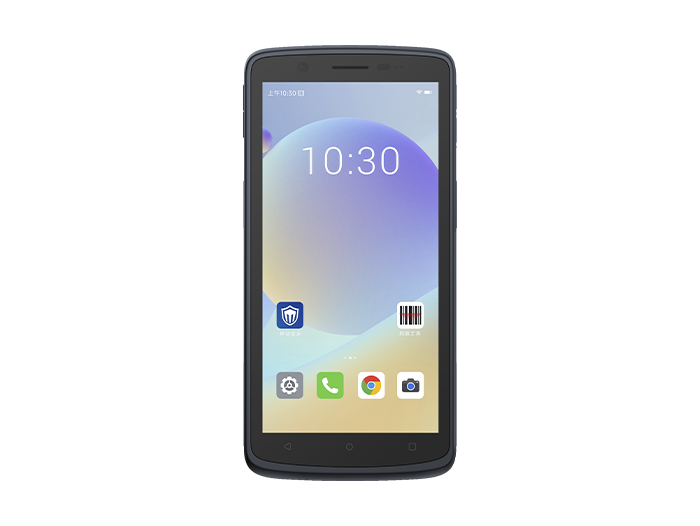
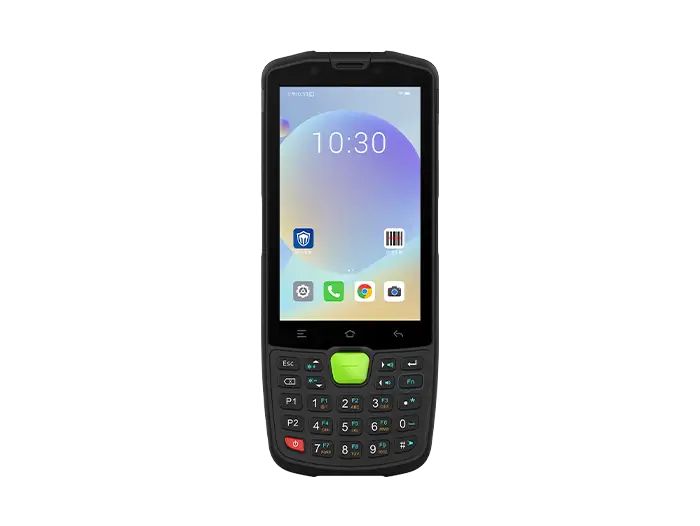
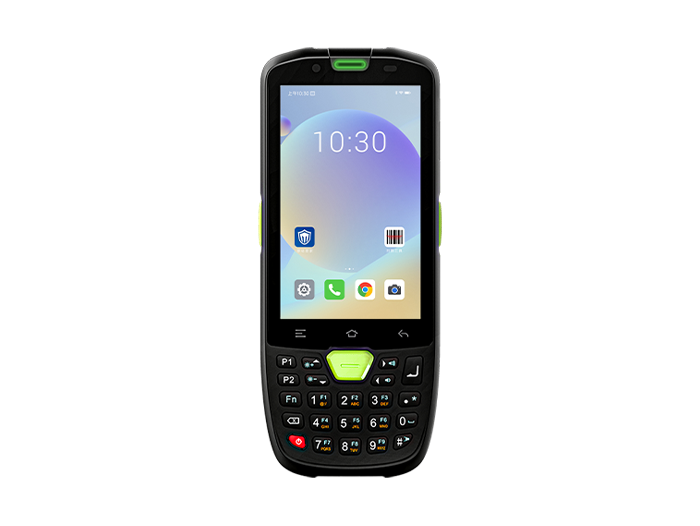
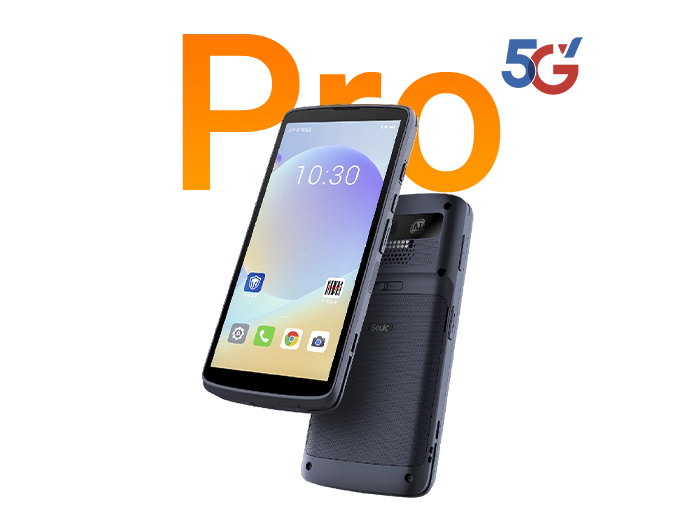
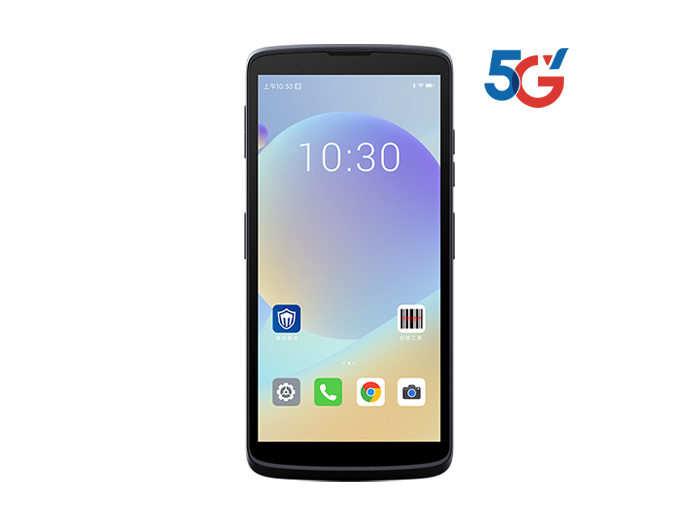
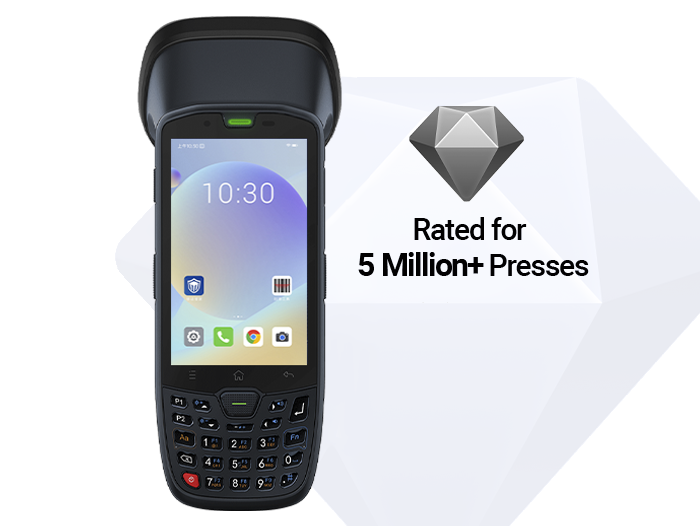
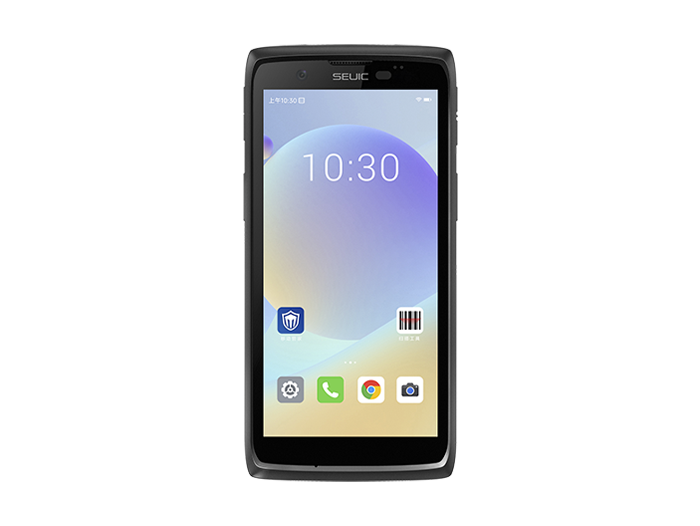
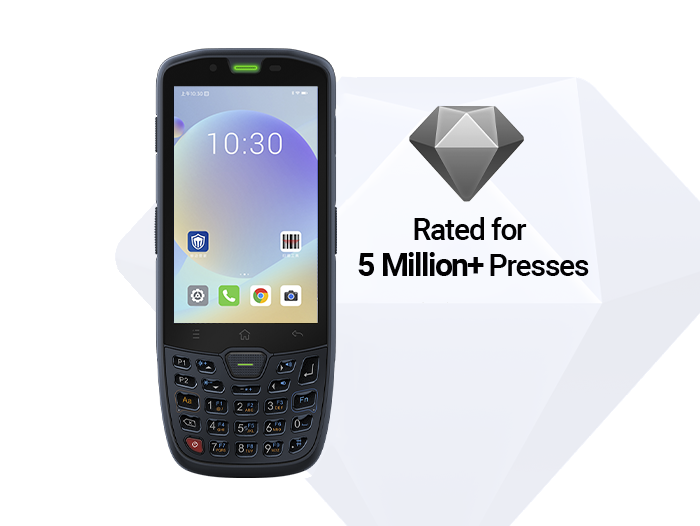
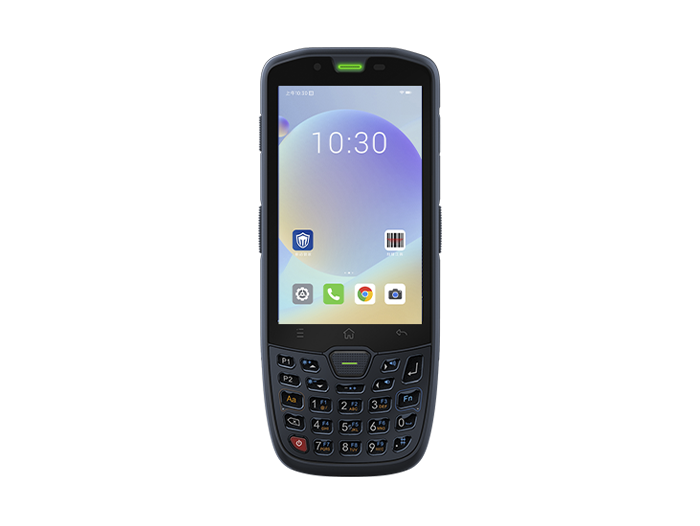
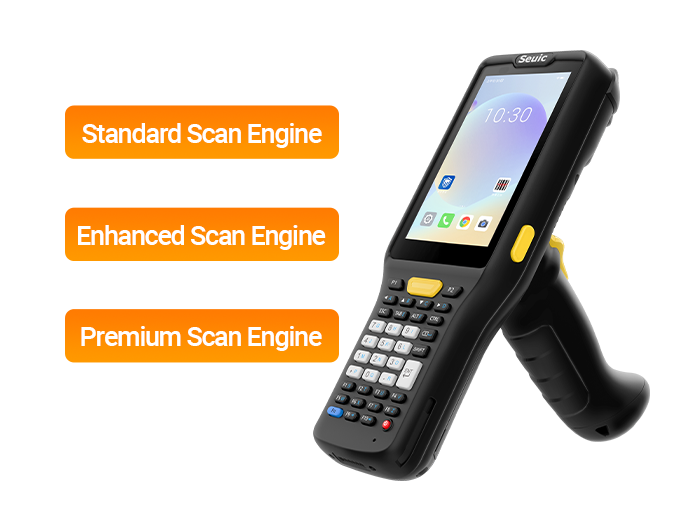
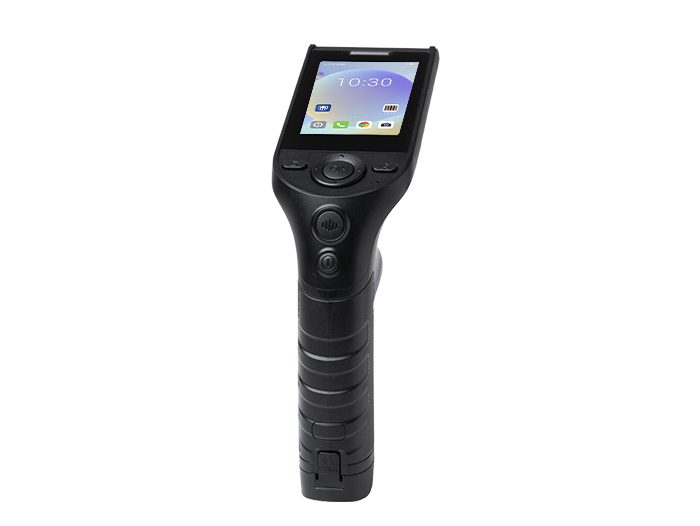
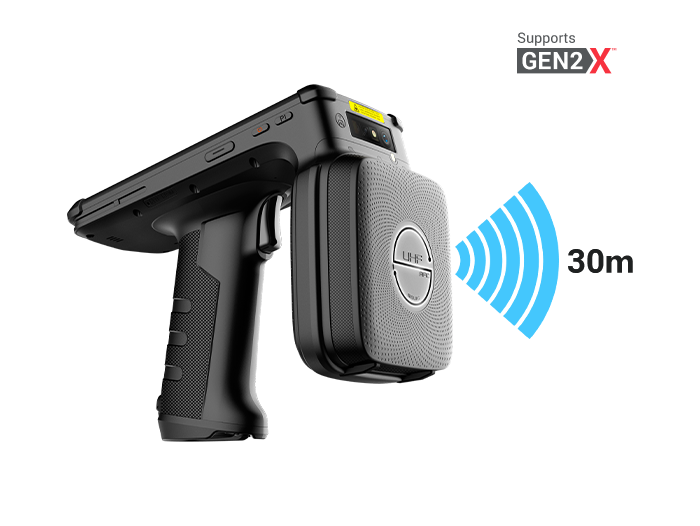
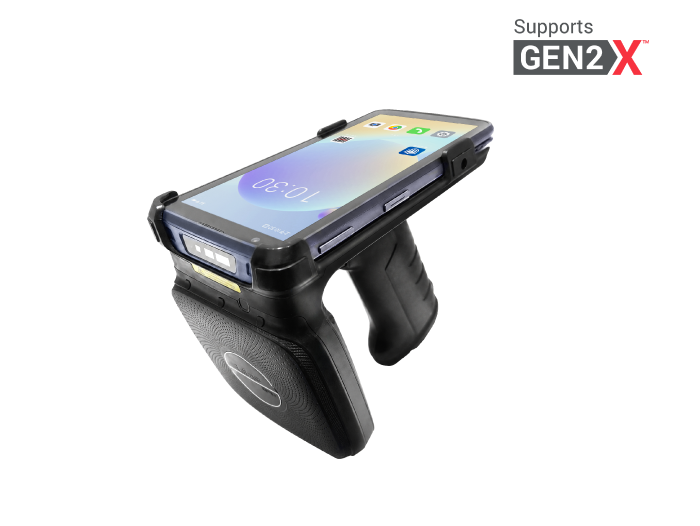
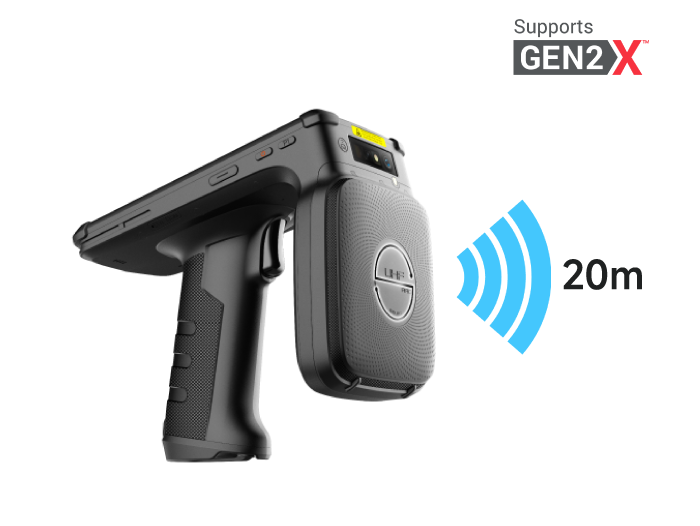
If your operations involve high-rack inventory, outdoor meter reading and inspection, retail bulk inventory, or medical asset tracking, the Seuic AUTOID UTouch 2-30 long-range RFID handheld reader deserves serious consideration. Purpose-built for long-distance, high-density reading scenarios, it achieves a read range of 30+ meters in typical environments and can batch-read 1,000 tags in just 3 seconds — solving the core pain points of traditional devices that "can't reach, can't read fully, and miss too many tags."
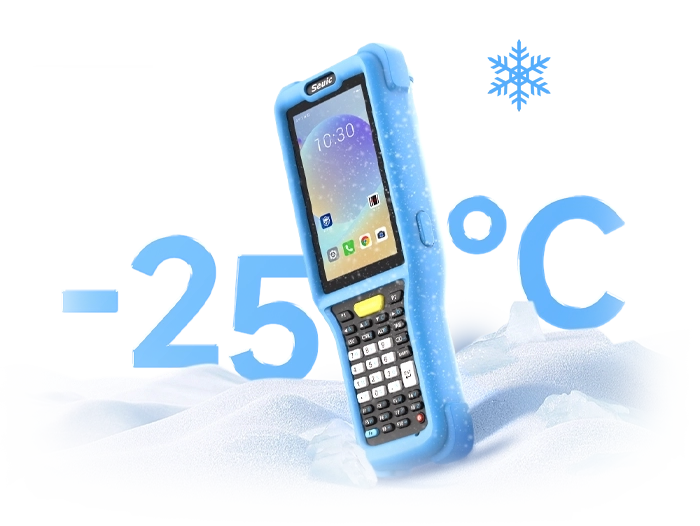
For warehouse managers, there's no need to climb ladders or use forklifts. Standing on the aisle floor, they can cover tags on every level of high racks — eliminating the risk of working at height. For meter readers and field inspectors, the 11,700mAh dual swappable battery, combined with IP67 protection and 1.5-meter drop resistance, is enough to support an entire shift of continuous outdoor operation in power, railway, and water utility scenarios. Additionally, its industry-first multi-polarization auto-detection technology improves recognition efficiency by 40% compared to traditional circular-polarization devices. It is unaffected by tag orientation, performing exceptionally well in dense inventory scenarios with randomly angled tags — such as beverages, household chemicals, and fresh produce.
The device integrates RFID, 1D/2D barcode scanning, NFC, image capture, and more into a single unit. One device handles the entire workflow — inventory counting, item location, and verification — making it a highly adaptable choice across manufacturing, retail, logistics, healthcare, energy, and other industries.
Long Range RFID Readers are no longer a concept from science fiction. They are a mature, rapidly spreading core IoT technology that overcomes the fundamental limitations of traditional identification methods in speed, distance, and batch processing — delivering an unprecedented efficiency revolution and data insights across industries. If your business is facing challenges such as inaccurate inventory, tracking difficulties, or efficiency bottlenecks, now is the time to seriously evaluate and adopt a Long Range RFID Reader. Start with a small pilot project, and you may find that the transformation it brings exceeds all expectations.
Seuic has always focused on solving real pain points in on-site operations, insisting on independent R&D and innovation, and specializing in building highly durable, adaptable, and stable industrial-grade data capture devices suited for manufacturing, retail, logistics, healthcare, public utilities, and other complex scenarios. Leveraging a full local R&D, production, and service chain, we can quickly respond to customer customization needs and provide efficient after-sales support — filling the gaps left by imported equipment. With reliable product quality, exceptional value, and comprehensive local service, we continue to empower digital transformation across industries, contributing to high-quality development of the real economy while achieving steady corporate growth.
Related News
-

Passive vs Active RFID Tags: Core Differences & When to Use Each
Product Updates | 2026.10.10Learn More
-
2D Barcode Scanner Buying Guide: Decoding, Environment & Lifecycle
Product Updates | 2026.10.10Learn More
-
What Is a 2D Barcode Scanner? Definition, How It Works & Supported Symbologies
Product Updates | 2026.10.09Learn More
-
How to Choose a Rugged Android Tablet? Ditch Spec Stacking, Use Scenario Tables
Product Updates | 2026.10.09Learn More