


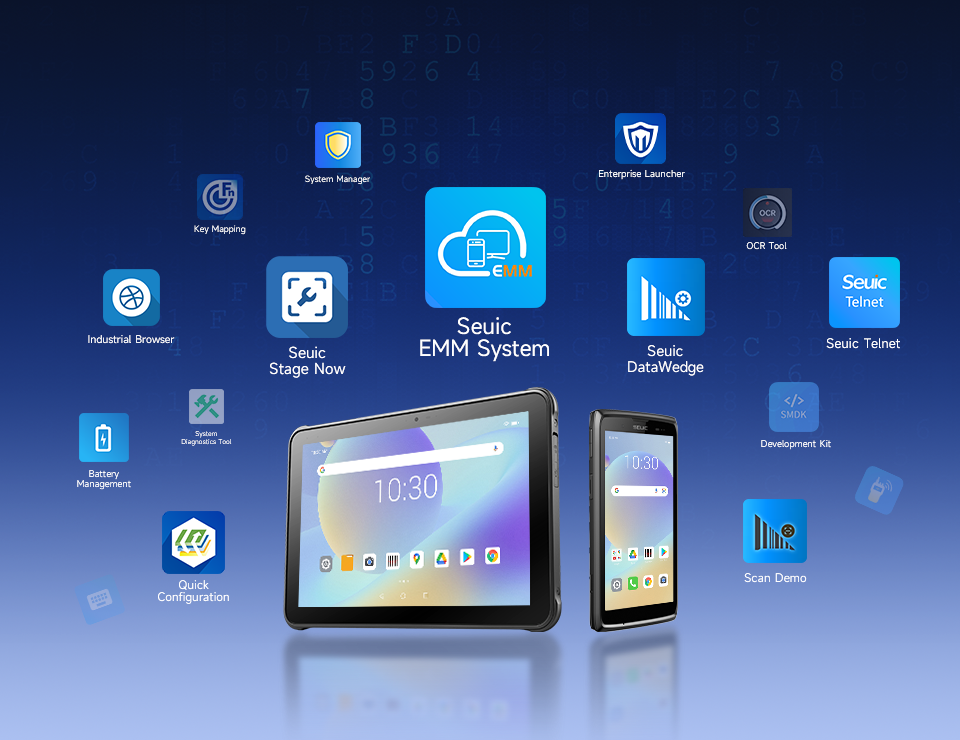


What Is a 2D Barcode Scanner? Definition, How It Works & Supported Symbologies
When sourcing barcode capture equipment, many procurement managers and engineers come across terms like "2D barcode reader" or "2D imager scanner." What exactly sets them apart from traditional laser scanners or CCD scanners? And why are more and more factories, warehouses, and retail stores upgrading to these devices?
This article explains in plain language what a 2D barcode scanner is, how it works, what barcodes it can read, and why it has become an indispensable data capture tool for digital transformation in modern enterprises.
1. What Is a 2D Barcode Scanner? (Definition)
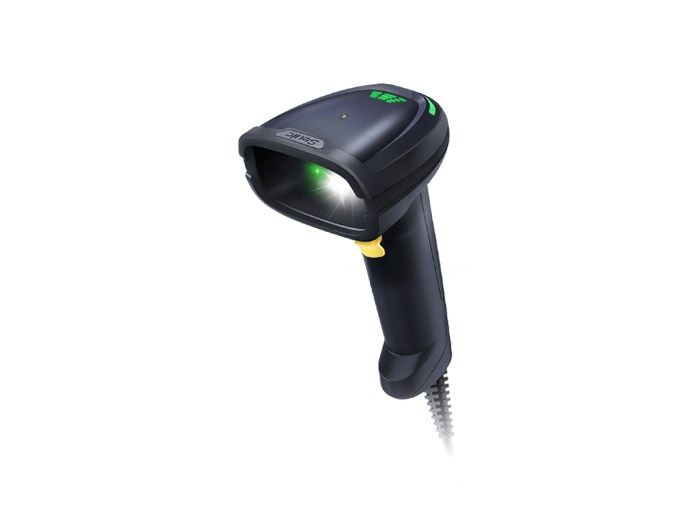
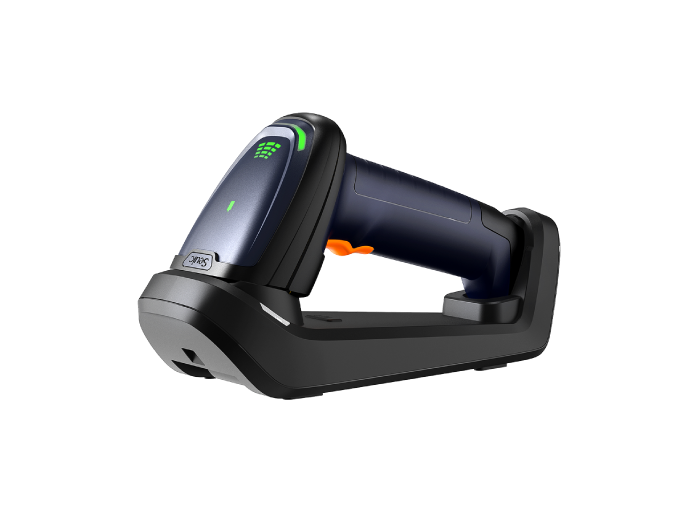
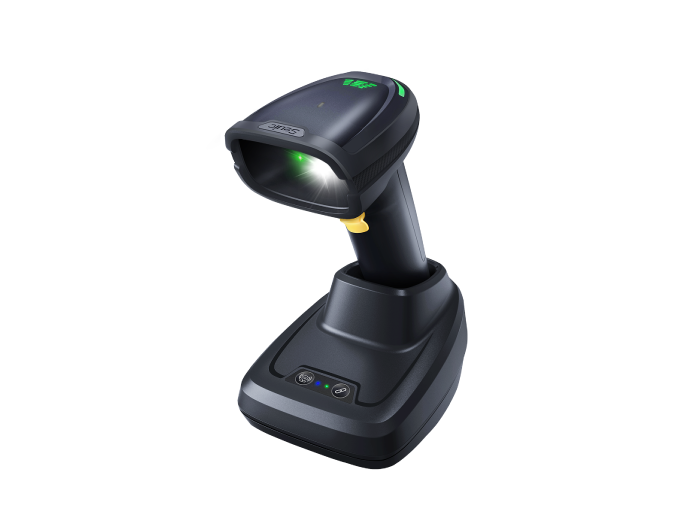
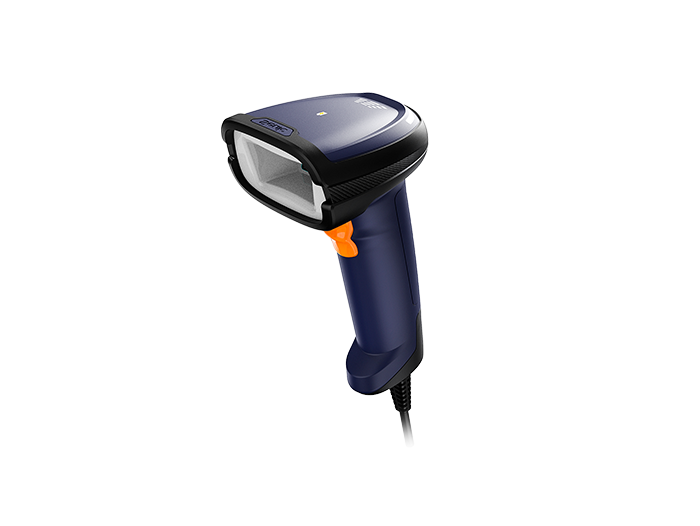
Put simply, a 2D barcode scanner — also called a 2D imager scanner — is an electronic device that uses a built-in CMOS (Complementary Metal-Oxide-Semiconductor) or CCD (Charge-Coupled Device) image sensor to "take a picture" of the entire barcode area, then decodes the captured image using advanced software algorithms.
The key difference from a traditional laser scanner: a laser scanner emits a beam of light and detects the reflected light to "read" the black-and-white bars of a barcode. A 2D imager scanner, on the other hand, works like a miniature camera — it "sees" the whole image and identifies the barcode information within that image.
This fundamental technological difference gives the 2D scanner powerful reading capabilities. It can easily read:
1D barcodes: Code 128, EAN-13, Code 39, UPC, etc.
2D barcodes: QR Code, Data Matrix, PDF417, Aztec Code, Han Xin Code, etc.
Barcodes on special carriers: Whether printed on paper or displayed on phone and tablet screens, it reads them quickly.
Damaged or blurred barcodes: Even with minor smudges, wrinkles, scratches, or poor print quality, its high fault tolerance ensures excellent read rates. It also supports omni-directional scanning — no need to align perpendicularly to the barcode like a laser gun.
2. 2D Imager Scanner vs. Traditional 1D Laser Scanner (Key Differences)
To help you understand intuitively, here is a comprehensive comparison:
| Feature | 2D Imager Scanner | 1D Laser Scanner |
| Core Technology | CMOS/CCD image sensor + decoding algorithm | Laser diode + rotating prism/mirror |
| Supported Symbologies | 1D + 2D + screen codes | 1D only |
| Scan Direction | Omnidirectional, any angle | Requires near-perpendicular alignment |
| Reading Screen Codes | Fully supported | Usually cannot read or performs poorly |
| Tolerance to Damage | Strong — handles low contrast, damaged, curved codes | Weak — requires high-quality barcodes |
| Durability | No moving parts, more drop-resistant, longer life | Moving parts (rotating motor), relatively fragile |
| Safety | White LED illumination, eye-safe | Laser — prolonged direct exposure may cause harm |
The conclusion is clear: if your work environment only requires scanning clean, printed 1D barcodes (e.g., supermarket checkout), a 1D laser scanner remains a cost-effective choice. But if your operations involve QR codes, screen codes, damaged codes, or demand higher speed and fault tolerance (e.g., production lines, warehousing, logistics, healthcare), a 2D barcode scanner is the only correct option.
3. Basic Components, Working Principle & Data Output (How It Works)
A typical 2D barcode scanner consists of the following core parts:
Illumination / Lighting System: Usually a set of high-brightness white LEDs that illuminate the barcode so the image sensor can capture a clear picture.
Image Sensor (Imager): The "eye" of the scanner. It comprises millions of photosensitive pixels that convert captured light signals into digital signals, forming a digital image of the barcode.
Decoding Algorithm: The "brain" of the scanner. Advanced algorithms in the firmware analyze, locate, correct, and decode the digital image, ultimately extracting the alphanumeric or symbolic data stored in the barcode.
Interface Module: Transmits decoded data to a connected computer, POS system, or industrial tablet. Common interfaces include USB, RS-232 serial, and Bluetooth.
Workflow:
Press scan button → LED lights up → Image sensor captures barcode photo → Decoding algorithm processes the image → Successful decode triggers a beep → Data is sent to the host via the interface.
Data output methods include:
Keyboard Wedge: Simulates keyboard input, sending barcode data directly to the cursor position — compatible with any software.
Virtual COM Port: Emulates serial communication, suitable for legacy systems or specialized software requiring a specific port.
USB HID / POS: Functions as a plug-and-play USB input device.
SDK Integration: Via a Software Development Kit, scanning functionality can be deeply integrated into your own ERP, WMS, or MES systems.
Whether you are using a standard office PC, a retail POS terminal, or an industrial embedded computer, a 2D barcode scanner connects easily and integrates seamlessly into your workflow.
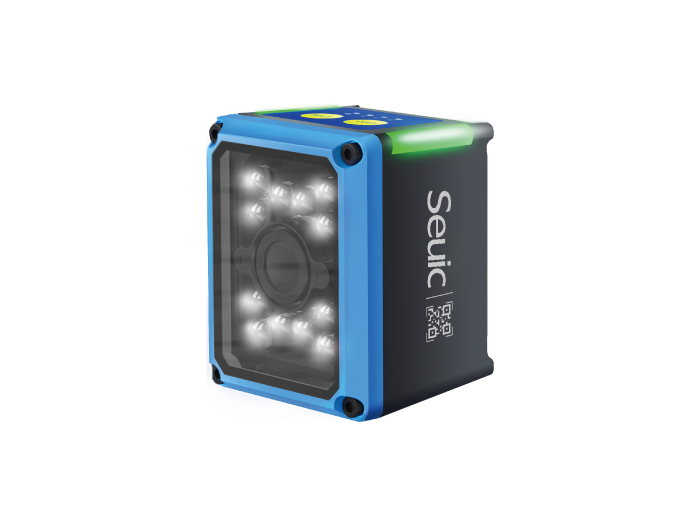
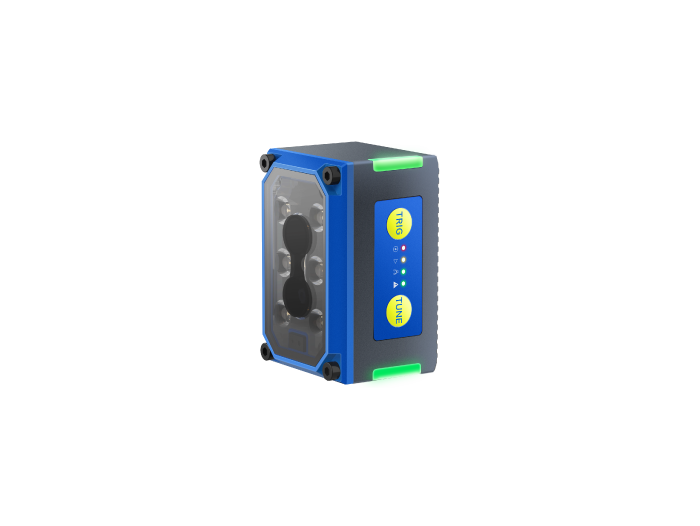
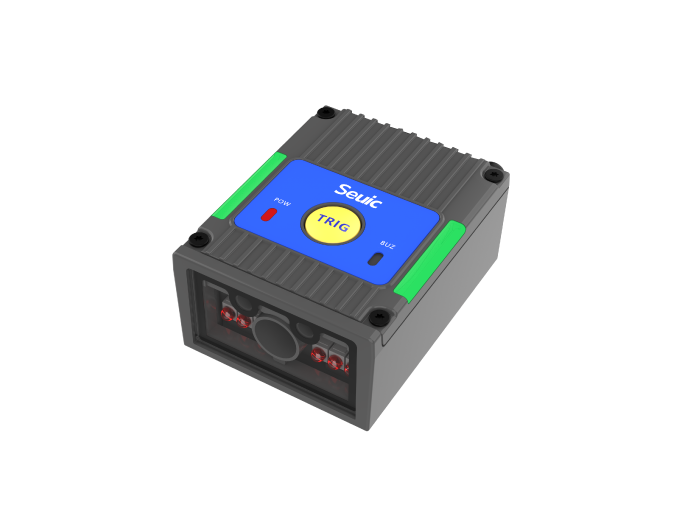
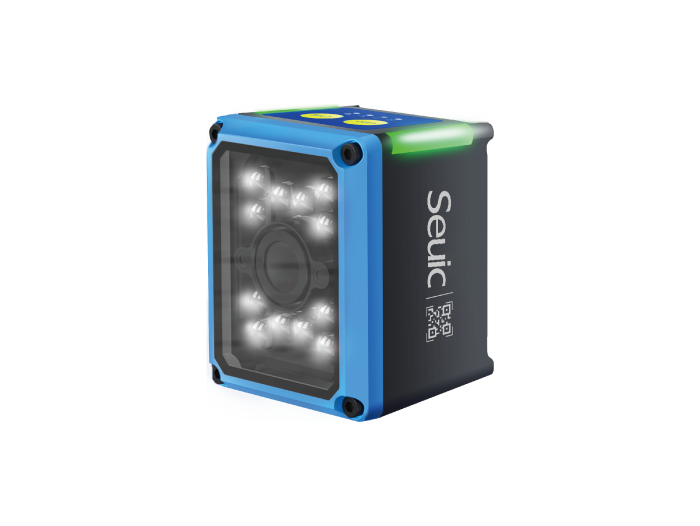
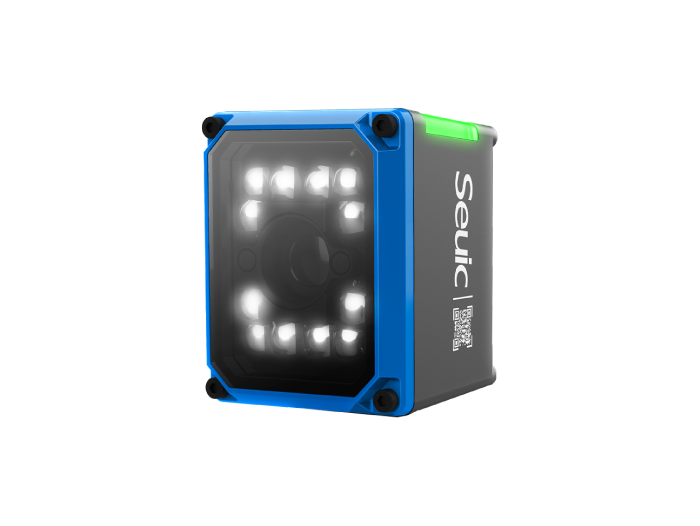
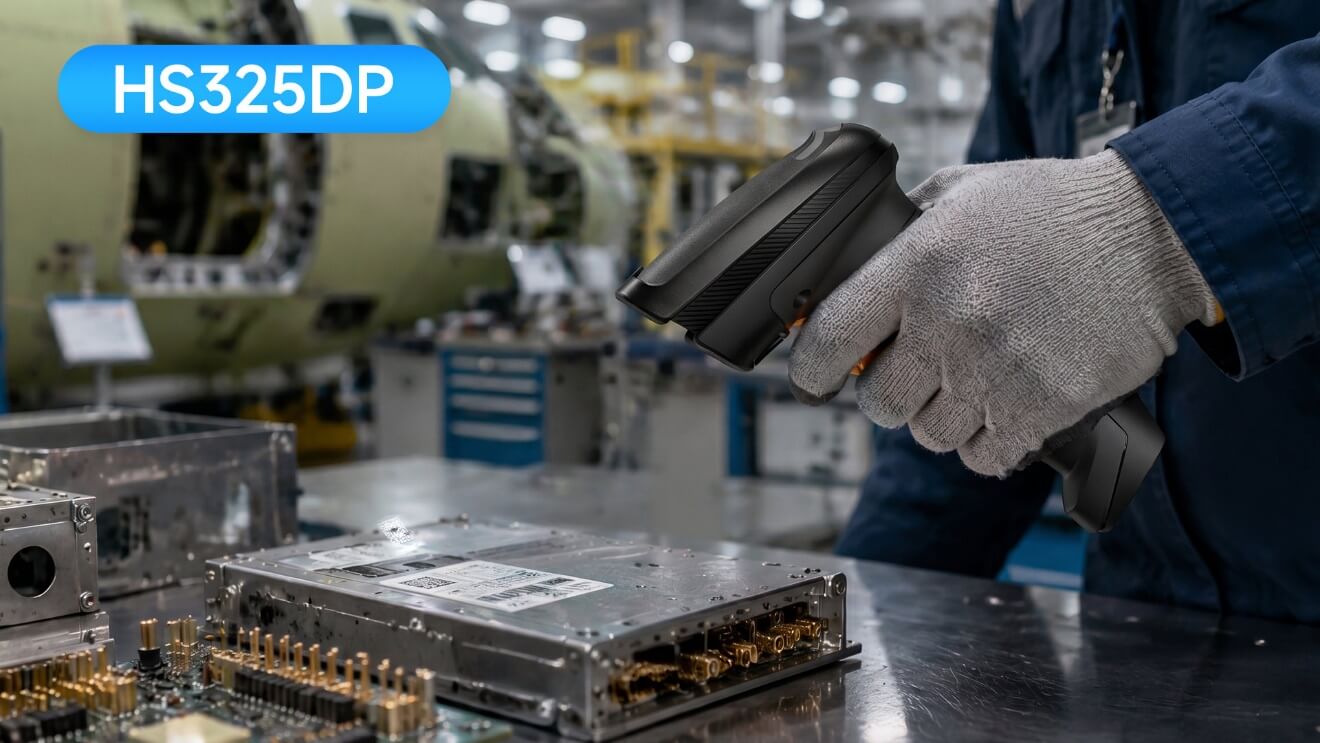
4. Industrial-Grade Example: SEUIC HS325DP AI Wireless DPM Scanner
Now that you understand the powerful fundamentals of 2D imagers, let's look at a top-tier product designed for harsh industrial environments: the SEUIC HS325DP AI Wireless DPM Scanner.
This device is purpose-built to solve the toughest challenge in manufacturing — reading DPM (Direct Part Mark) codes. DPM codes are typically laser-etched, dot-peened, or chemically etched directly onto metal, plastic, or other part surfaces. They suffer from low contrast, irregular shapes, and reflective interference — making them difficult for ordinary 2D scanners to read reliably.
The SEUIC HS325DP excels in this domain thanks to its outstanding technology:
AI Smart Decoding Algorithm: Powered by a dual-core processor and AI algorithms, it accurately recognizes distorted, curved, perforated, and other complex DPM codes, achieving millisecond response and a first-pass read rate of up to 99.99%.
Intelligent Multi-Color Illumination: Automatically switches between red, blue, and white light sources based on material type and background color, ensuring optimal decoding on any surface.
Wireless & Lightweight Design: Free from cable constraints, ideal for mobile workstations in automotive parts assembly, consumer electronics traceability, and production line data collection.
From basic checkout counters to highly automated smart factories, the 2D barcode scanner — with its powerful reading capability, excellent compatibility, and exceptional reliability — has become the core data capture tool for modern enterprises. It not only improves operational efficiency but also lays a solid data foundation for digital management.
If you are looking for an industrial-grade scanning device capable of tackling the most complex challenges — especially in DPM code reading — the SEUIC HS325DP is undoubtedly a reliable choice worth exploring. Feel free to contact SEUIC for a customized solution tailored to your specific application scenario.
Related News
-
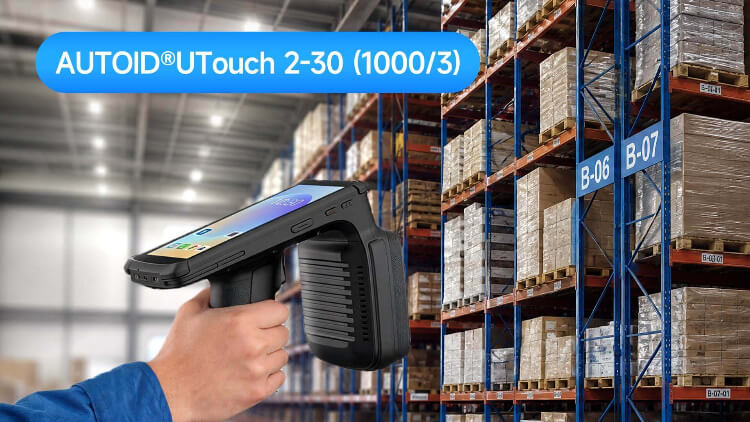
What Is an RFID Tag? Structure, Working Principle & Common Uses
Product Updates | 2026.10.08Learn More
-

Portable Barcode Scanner Vendor Evaluation Guide: Support, Lifecycle & Fleet Management
Product Updates | 2026.10.08Learn More
-
Rugged Android Tablet for Retail Stores: Inventory Management, Assisted Selling & Store Inspections
Product Updates | 2026.09.30Learn More
-
11-Inch Rugged Android Tablet: One Device for Inventory, Sorting & Dispatch
Product Updates | 2026.09.30Learn More