


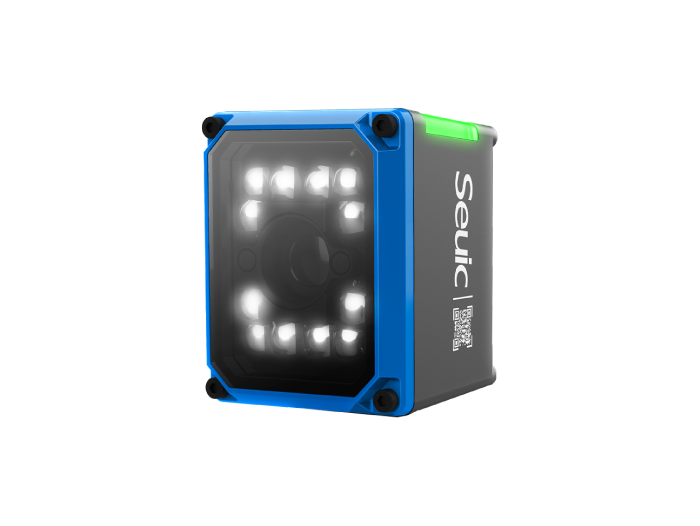
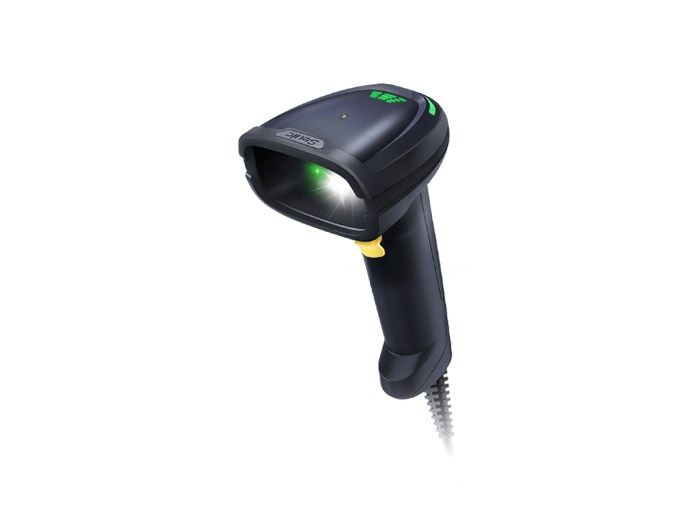
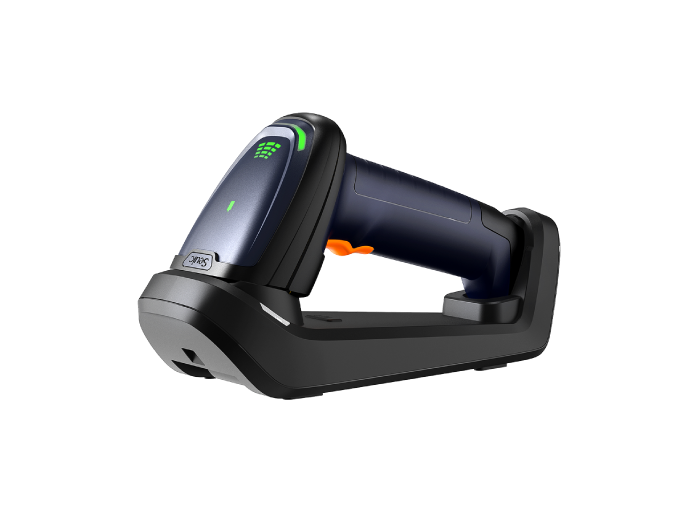
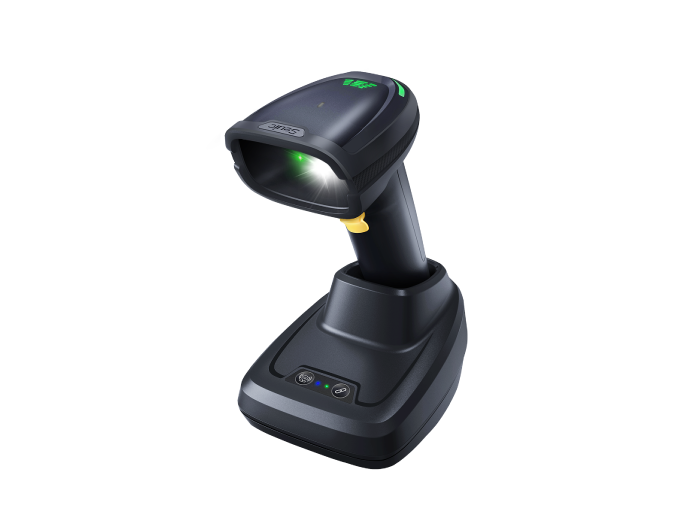


2D Barcode Scanner Buying Guide: Decoding, Environment & Lifecycle
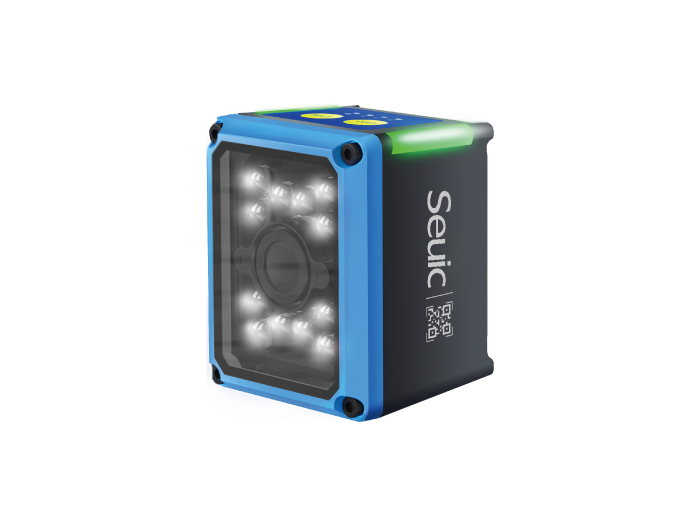
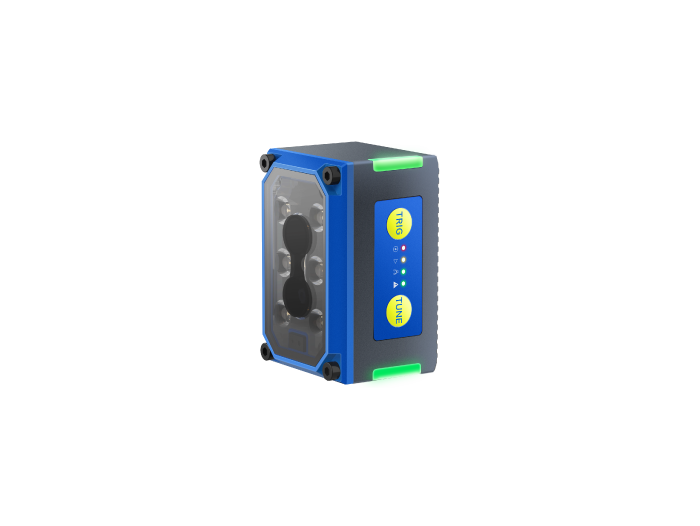
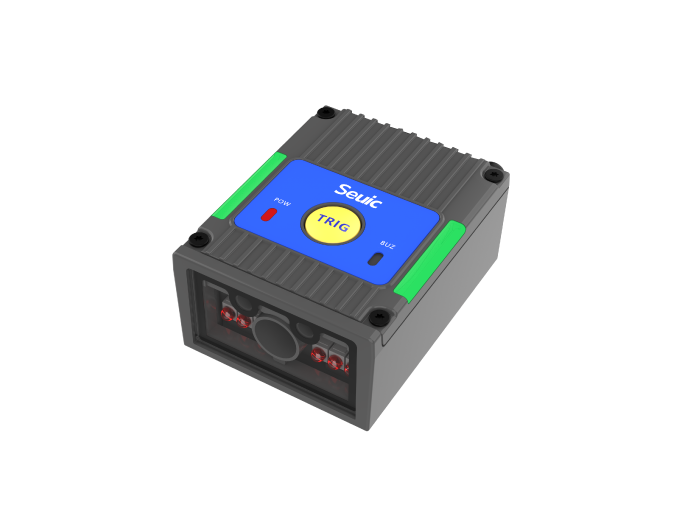
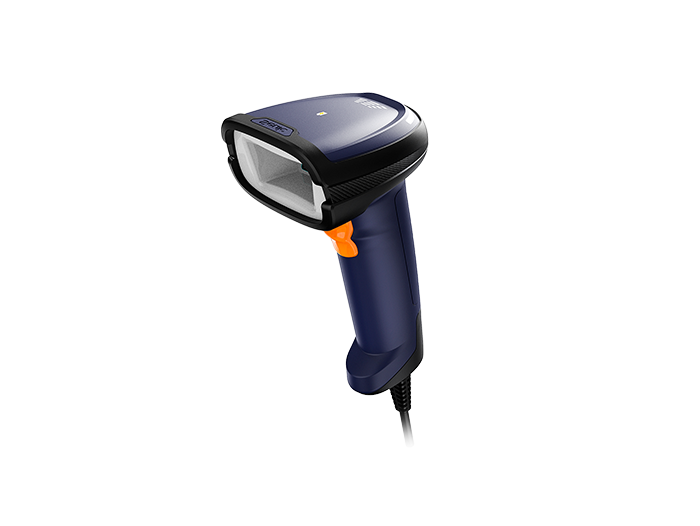
Buying a 2D barcode scanner is about more than just "can it scan QR codes." In factories, warehouses, retail stores, hospitals, parcel sorting centers, and utility meter reading sites, what really determines success is decode rate, depth of field, illumination, ingress protection, and interface compatibility. Many procurement teams compare prices upfront, only to discover after deployment that damaged codes can't be read, the scanner freezes in cold storage, distant shelf labels are unreachable, or the device won't talk to the WMS. This article covers three core purchasing specifications and industry-specific parameters to help plant managers, warehouse supervisors, QC inspectors, store managers, and field workers get it right the first time.
1. Decoding Specs: Don't Just Ask "Can It Scan QR Codes?"
Decoding is the #1 productivity metric for a 2D barcode scanner. When sourcing, ask suppliers for specs based on your label types — not just a generic "supports 2D codes."
Symbology coverage: At minimum, confirm QR Code, Data Matrix, PDF417, Aztec, Micro QR. If reading 1D supplementals, also cover Code 128, Code 39, EAN/UPC, ITF, etc. Pharma, electronics, and automotive often involve GS1 DataBar or DPM (direct part marking).
Minimum element resolution: Expressed in mils. General retail labels can tolerate 4–5 mils. For high-precision electronic reels, jewelry tags, and small pharma codes, confirm 2D resolution ≥ 3–4 mils.
First-pass read rate / decode speed: Look at first-pass read rate, not just "it can read." For high-throughput production lines and sortation systems, pay attention to motion tolerance — e.g., confirm motion decode speed (60 fps, 2 m/s motion tolerance) for conveyor belt scenarios.
Damaged and low-contrast codes: Grease, creases, reflections, and faint printing are the norm on site. Have suppliers test with your actual labels — record decode performance under low contrast, smudging, and reflective laminate.
Screen codes and paper codes: Retail checkout and hospital patient registration often involve scanning phone screens. Confirm support for backlit / low-brightness screen codes and moiré pattern suppression.
2. Hardware & Environment: Depth of Field, Illumination, Ingress Protection, Temperature
Not all 2D barcode scanners are created equal. A countertop model for retail is very different from a long-range unit for warehouse racks.
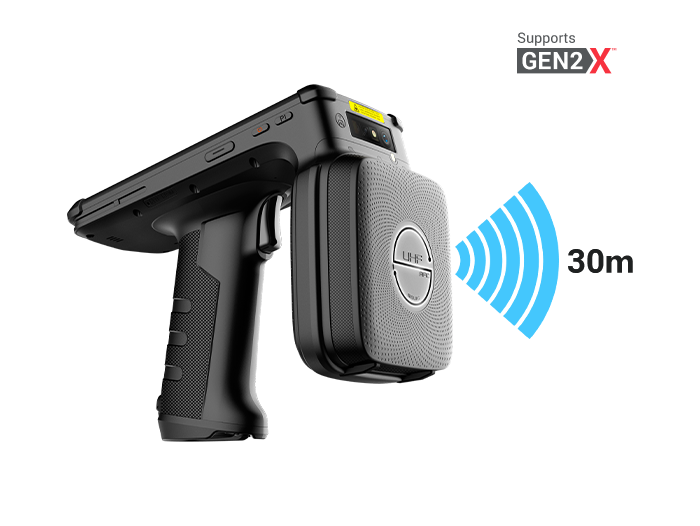
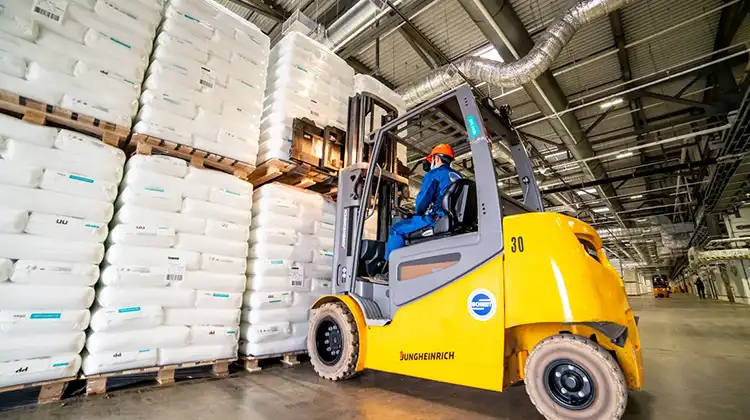
Depth of field / scan distance: Short-range cycle counting: 3–30 cm. Retail POS: 5–30 cm. Warehouse high-rack reading: confirm medium-to-long-range engine — some industrial PDAs and gun-style scanners cover several meters up to 20–30 meters. When requesting quotes, specify "minimum barcode width + nearest / farthest distance" — don't rely on vague "long range" claims.
Illumination and aiming: CMOS imagers commonly use white LED fill + red laser / green aiming. For reflective metal, curved packaging, and shiny surfaces, look at multi-illumination options (white / red / blue, polarized, diffuse). DPM laser etching, dot peening, and oily parts should be tested separately.
Ingress protection: For shop floor dust, produce mist, and outdoor rain, check IP ratings. Light industrial: IP54. Warehousing / cold storage / outdoor: IP65 or higher. Special washdown or high-pressure environments: IP67.
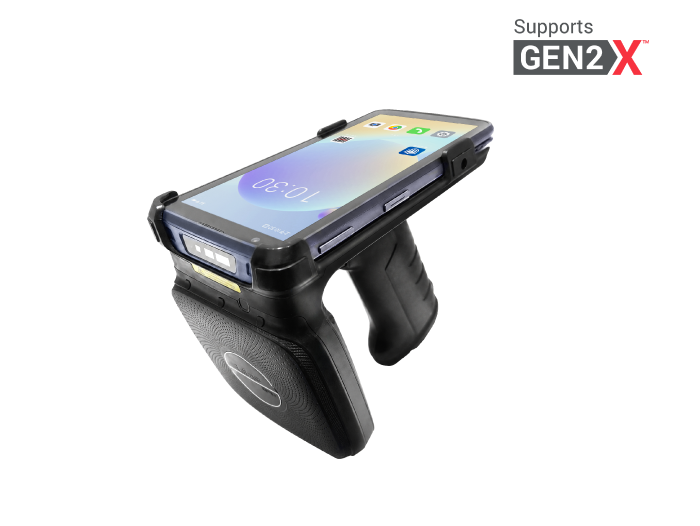
Drop and tumble resistance: Warehouse falls and loading dock drops are common. Industrial guns are typically rated for 1.8–2 m drops onto concrete, plus multiple tumble tests. If equipped with a pistol grip, confirm the drop height with the full assembly.
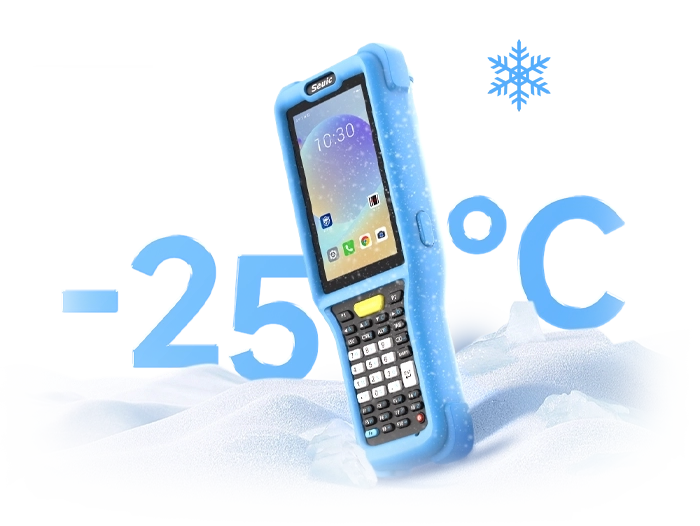
Temperature range: Ambient warehouses (0–50 °C) are fine for most units. Cold storage / cold chain: confirm low-temperature startup, lens anti-fogging, and low-temperature batteries — some scenarios go down to -25 °C. High-temperature workshops and sun-exposed loading docks: check upper limits and sunlight immunity. For humidity, focus on non-condensing standards.
Ergonomics: For gloved hands, wet fingers, bright light, and noisy environments, confirm glove touch support, vibration feedback, buzzer volume, and dedicated physical scan buttons.
3. Interface & Lifecycle: Connectivity, System Integration & Total Cost of Ownership
A barcode scanner doesn't work in isolation — it needs to feed into WMS, ERP, POS, HIS, or inspection platforms. Interface and lifecycle commitments determine the three-year total cost.
Physical interfaces: USB-HID for POS/PC; USB-C for newer terminals; RS232/485 for legacy production lines, weigh scales, PLCs, and AGVs; Ethernet for fixed-mount readers at workstations.
Wireless & networking: Bluetooth for mobile POS and tablet-paired guns; dual-band Wi-Fi / Wi-Fi 6 for high-density warehouse access; 4G/5G for field enforcement, last-mile delivery, and cross-warehouse dispatch. Pay attention to Bluetooth protocol (BLE / SPP / HID) compatibility with the host system.
System & SDK: Windows / Android / Linux compatibility should be written into the contract. For proprietary system integration, evaluate SDK availability, virtual COM port, developer documentation, and over-the-air firmware upgrade capability.
Power & battery life: Wired guns — no battery concern. Wireless guns — check mAh rating, continuous scan hours, hot-swap support, spare battery availability, and charging cradle design. For full-shift warehouse use, prefer swappable batteries with no-shutdown hot-swap.
Lifecycle & after-sales: Confirm Android OS maintenance window, spare parts availability, repair turnaround time, and warranty period. For industrial deployments, prioritize solutions with a "5-year usable" lifecycle to avoid retraining and re-integration every two years.
Total Cost of Ownership (TCO): Don't compare unit prices alone. Repair rates, manual rescans due to decode failures, cold storage downtime, and system re-integration costs often exceed the price difference between devices.
4. Industry-Specific Quick Checklist
Factory / QC / Warehouse Manager: DPM or damaged code decoding, production line motion tolerance, RS232 / SDK, IP65, drop resistance, MES / traceability system integration.
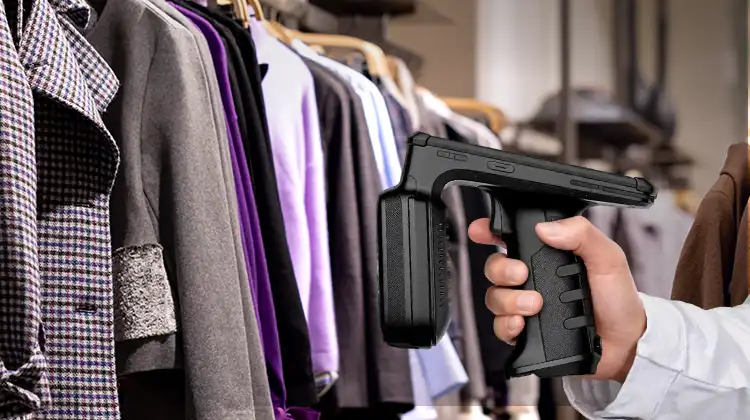
Retail Chain / Supermarket / Apparel: USB plug-and-play, screen code reading, receipt and hangtag compatibility, physical scan buttons + lightweight gun, POS integration.
3PL / E-commerce Warehouse / Parcel Sortation: Long-range shelf reading, Bluetooth / dual-band Wi-Fi, hot-swappable battery, batch receiving, real-time WMS data upload.
Hospital / Pharmacy / Nursing: Pharma GS1 / UDI symbologies, silent vibration feedback in quiet zones, disinfectant-ready housing, patient privacy and terminal permission management.
Utilities / Meter Reading / Field Service: Outdoor bright light, rain IP rating, long-distance meter codes, 4G / NFC identity verification, low-temperature or high-temperature battery endurance.
Government / Law Enforcement / Inspection: ID document QR / PDF417, on-site photo evidence capture, GPS tracking and data encryption, MDM centralized management.
5. Product Recommendation: SEUIC AUTOID Q7 Grip Industrial 2D PDA
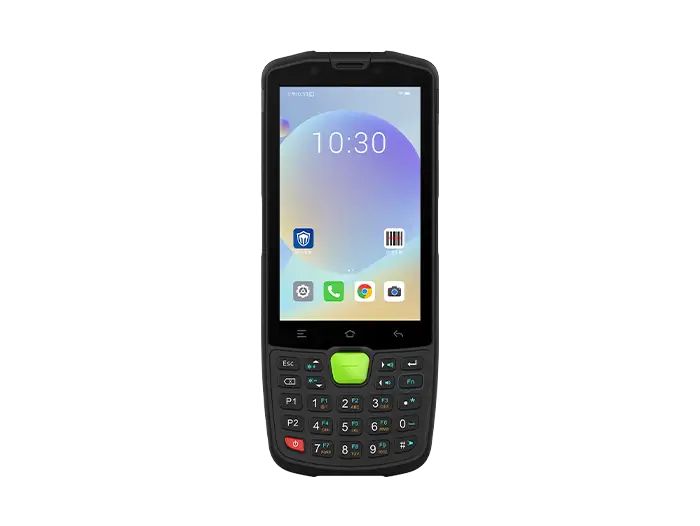
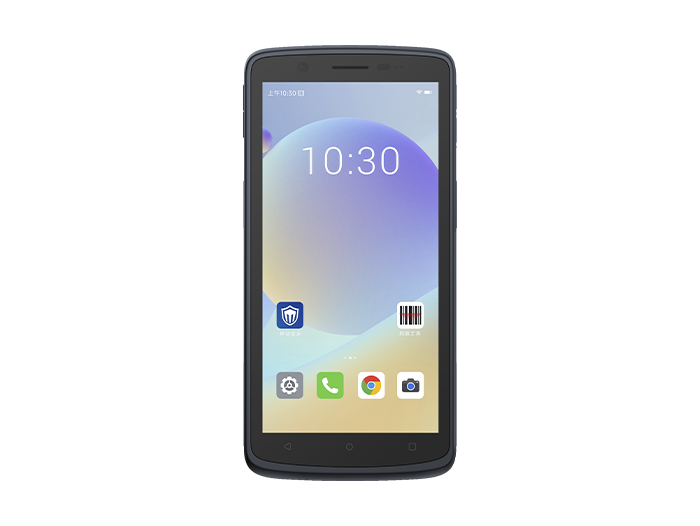
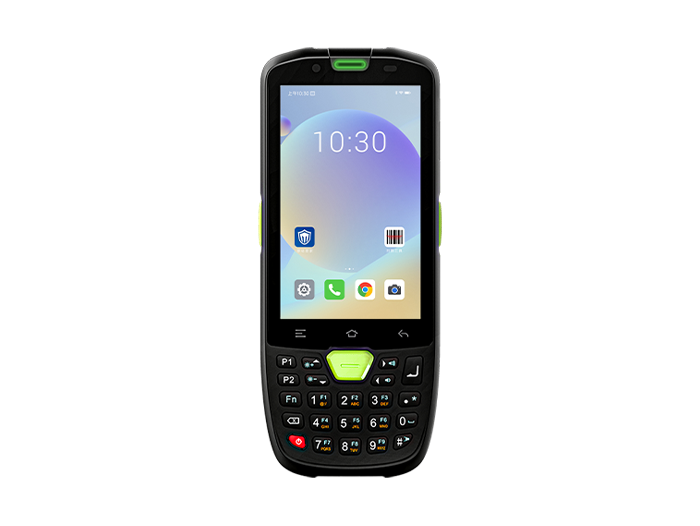
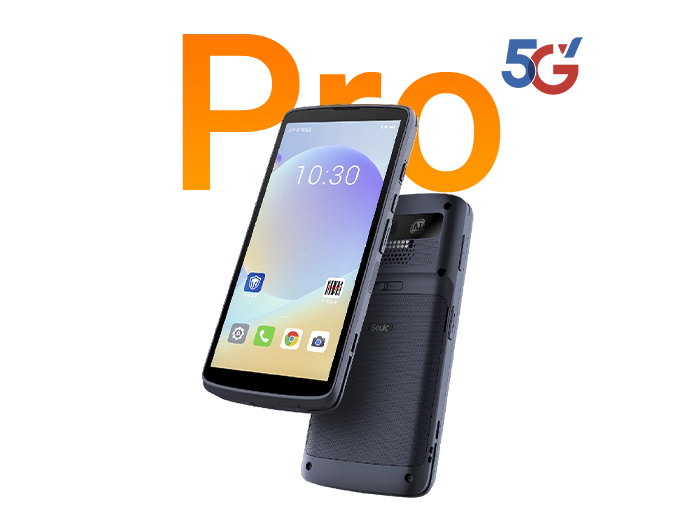
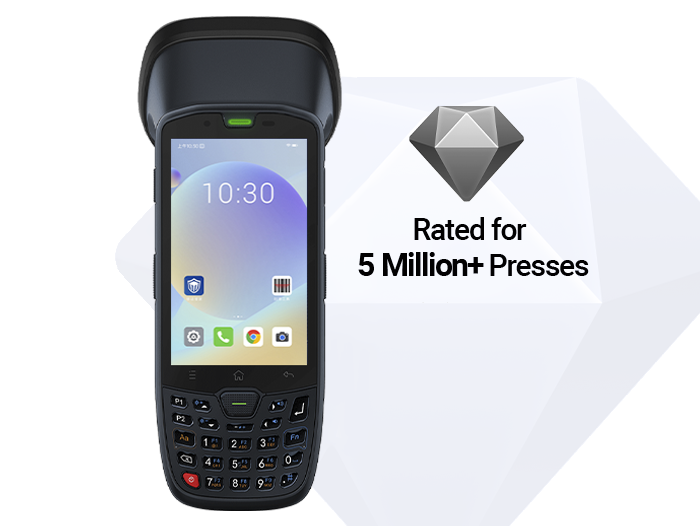
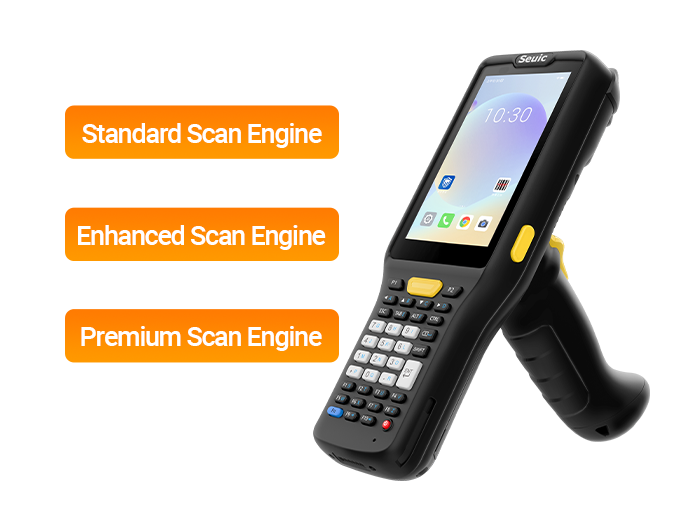
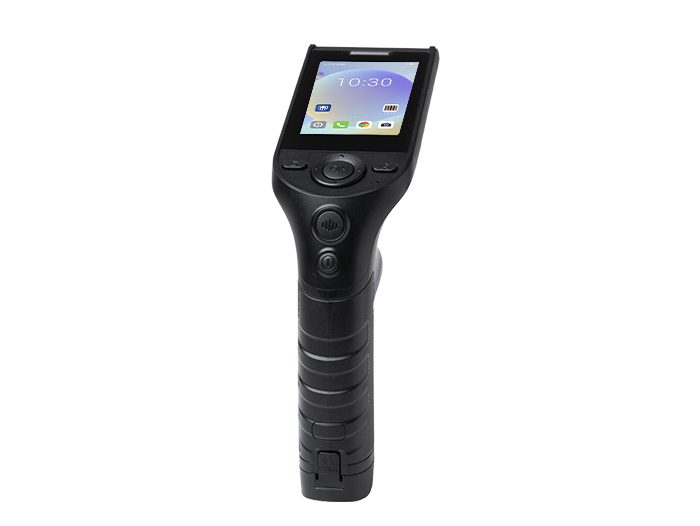
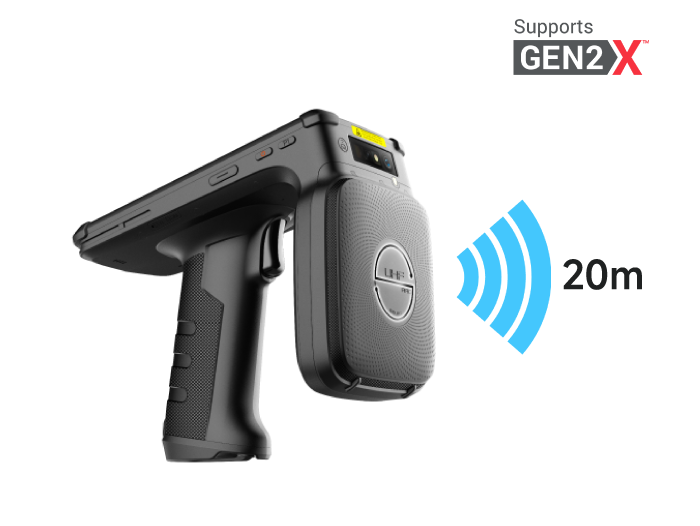
If your operations simultaneously involve "long-range shelves + cold storage + Android business systems," consider the SEUIC AUTOID Q7 Grip. Positioned as an industrial handheld PDA / 2D barcode scanner all-in-one terminal, it offers standard-range, high-density, and long-range 2D engine configurations. The long-range version achieves approximately 1–30 meters of scan coverage, making it suitable for warehouse receiving, high-rack inventory, and long-distance courier label reading.
Key purchasing considerations mapped to this guide:
Decoding: Standard / high-density / long-range 2D engines available. Optimized for worn, greasy, and reflective labels. Equipped with dual-side dedicated scan buttons.
Hardware & environment: IP65 protection, 1.8 m drop resistance. Standard version handles general warehousing and production lines; cold storage / cold chain configuration extends to approximately -25 °C with anti-fogging lens and low-temperature battery. 4.0-inch industrial display supports glove / wet-finger touch.
Platform & connectivity: Qualcomm octa-core 2.0 GHz, Android 14, 4 GB + 64 GB. Dual-band Wi-Fi with Wi-Fi Well anti-packet-loss technology, 4G LTE, Bluetooth, NFC, USB-C. Easy integration with WMS, EMS, and inspection systems.
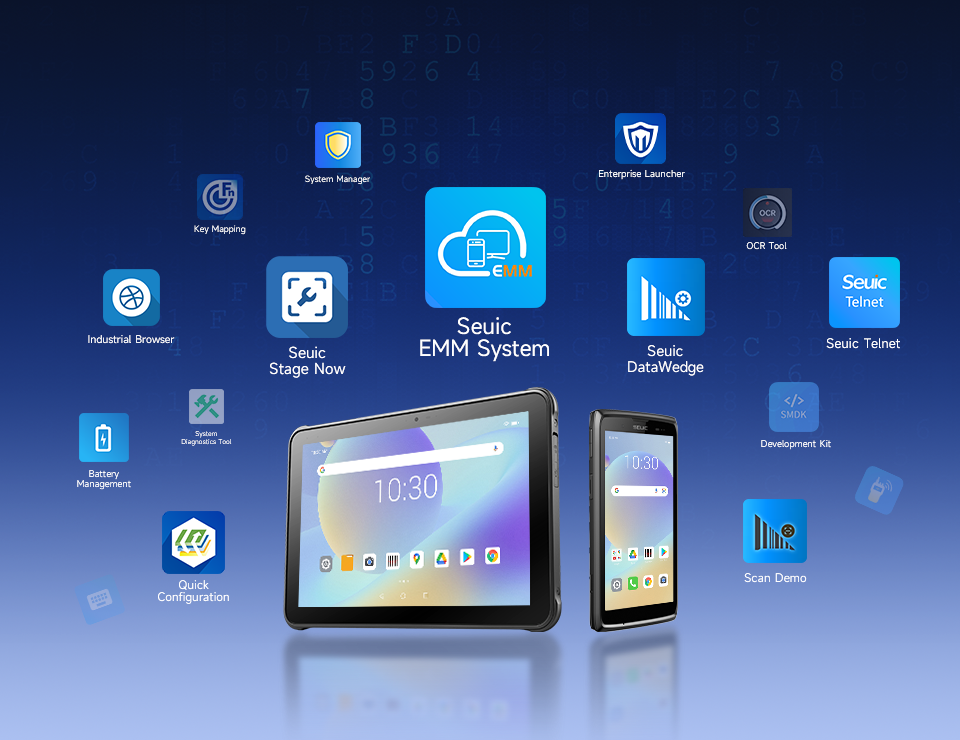
Battery & lifecycle: Removable high-capacity battery (standard ~5200 mAh; cold storage version available with larger low-temperature cell). Supports hot-swap for full-shift operation. Officially targets a 5+ year lifecycle investment, paired with SEUIC EMM for bulk deployment, remote configuration, app management, and device monitoring.
Scale validation: Over 1 million units deployed cumulatively, serving thousands of enterprises.
When buying a 2D barcode scanner, write down "what codes, what distance, what environment, what system, how many years" as your acceptance criteria — then have suppliers demo with your actual labels. Factories prioritize damaged codes and production line integration. Warehouses focus on long range and battery life. Retail looks at screen codes and POS compatibility. Healthcare emphasizes pharma symbologies and permissions. Utilities need outdoor protection and 4G. If you need an industrial Android PDA all-in-one solution, feel free to contact SEUIC — we will provide one-on-one expert consultation.
Related News
-
What Is a 2D Barcode Scanner? Definition, How It Works & Supported Symbologies
Product Updates | 2026.10.09Learn More
-
How to Choose a Rugged Android Tablet? Ditch Spec Stacking, Use Scenario Tables
Product Updates | 2026.10.09Learn More
-
What Is an RFID Tag? Structure, Working Principle & Common Uses
Product Updates | 2026.10.08Learn More
-
Portable Barcode Scanner Vendor Evaluation Guide: Support, Lifecycle & Fleet Management
Product Updates | 2026.10.08Learn More