




RFID Manufacturer Selection: China vs India Sourcing Decision Guide
In RFID procurement, "China or India" is never just a pricing question. Factory managers care about production line stability. Warehouse supervisors want inventory efficiency. Hospitals focus on traceability compliance. Utility companies worry about frequency bands and certifications. This article breaks down the differences between RFID manufacturers in China vs India at the industry chain level, helping you make a practical China vs India RFID sourcing decision.

1. Industry Ecosystem Differences Between China and India (Positioning, Not Rankings)
China's RFID ecosystem is "full-chain, high-density": From chips, inlays, specialty tags, industrial readers, and handheld terminals to middleware and industry integration — the chain is complete, iteration is fast, and scaled delivery is strong. Strengths lie in hardware cost-effectiveness, customization responsiveness, and complex scenario engineering.
India's RFID ecosystem leans more toward "application localization": Core chips and high-end reader modules still largely depend on global supply chains. Local strengths are in 865-868 MHz compliant devices, WPC/BIS certifications, and integrated delivery around ports, libraries, laundry, document tracking, and campuses. It is not a replacement for China — rather, it serves as a complementary pole for local compliance and scenario-based integration.
Simple positioning:
China = Supply chain breadth + industrial-grade hardware factory
India = Local compliance + scenario-based system deployment
2. Supplier Comparison by Role Layer
Chip and Platform Layer (Common Dependency for Both Countries)
Both countries have "domestic substitution" initiatives underway for UHF chips, but high-end projects still commonly use international chips from NXP, Impinj, EM Micro, Alien, etc. On the China side, Fudan Micro, Huada, and National Chip IoT are pushing upward. India's side focuses more on platform adaptation rather than native chip mass production.
Buyer tip: Don't ask "is it a domestic chip?" First ask about chip batch consistency, read/write protocol (EPC Gen2 / ISO 18000-6C), TID locking, and anti-cloning capability.
Tag and Consumables Layer
China camp:
Invengo, Inlay, Avery Dennison China system: large capacity for apparel hang tags, logistics labels, inlay lamination
Specialty tag manufacturers: mature offerings for on-metal, high-temperature, washable, anti-tamper, and temperature-sensing tags
Scenario coverage: footwear/apparel retail, parcel consolidation, utility metering, medical SPD, industrial assets
India camp:
Britannia RFID (manufacturing facility in Tamil Nadu): localized apparel tag production, close to Tirupur textile cluster
Local lamination and printing shops: HF/UHF tag encapsulation, hard tag injection molding — but inlays mostly imported from China or Southeast Asia
Buyer tip: Unit tag price is not total cost. Calculate: read accuracy rate × yield rate × environmental failure rate × rework labor.
Readers and Terminals Layer
China camp:
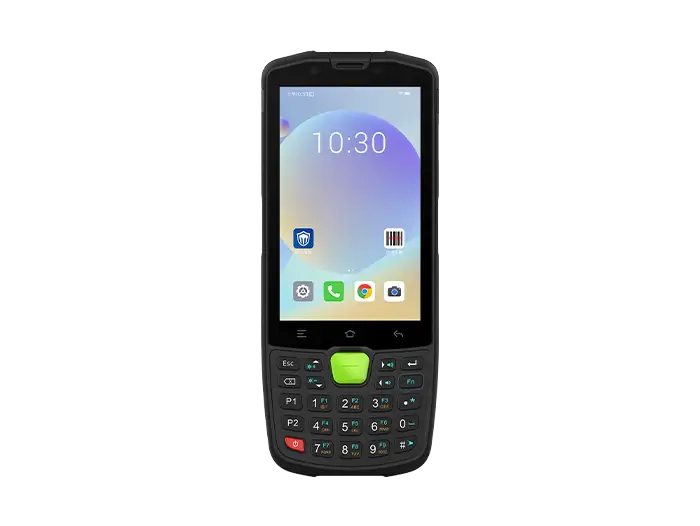
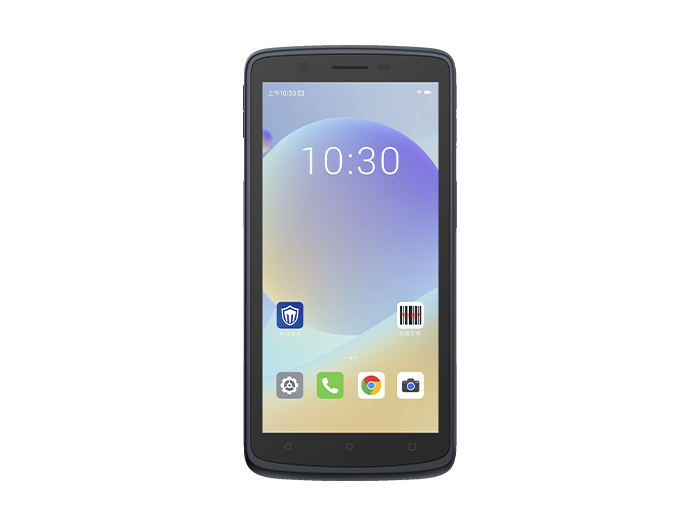
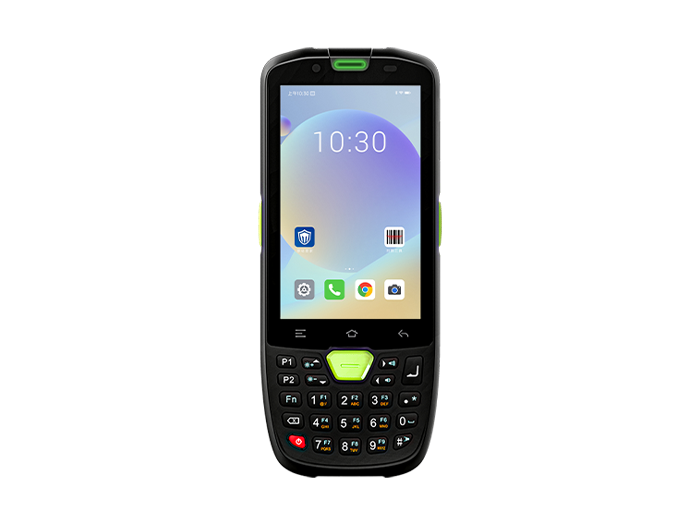
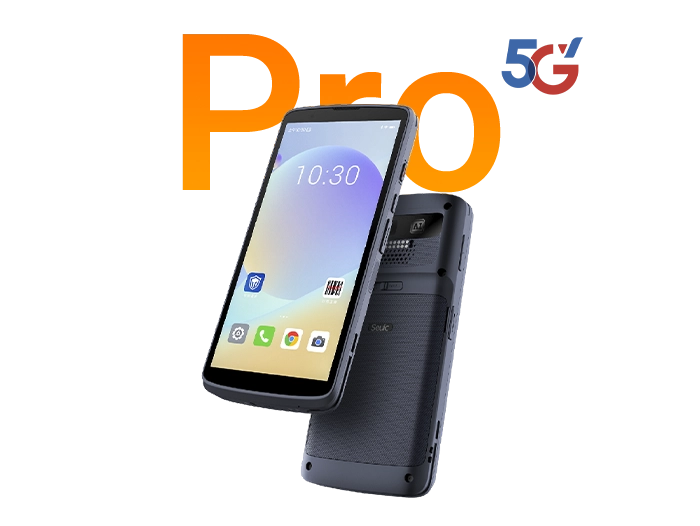
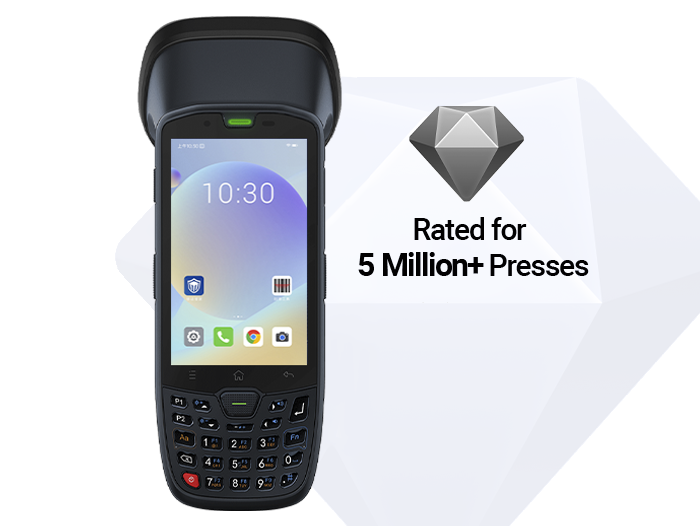
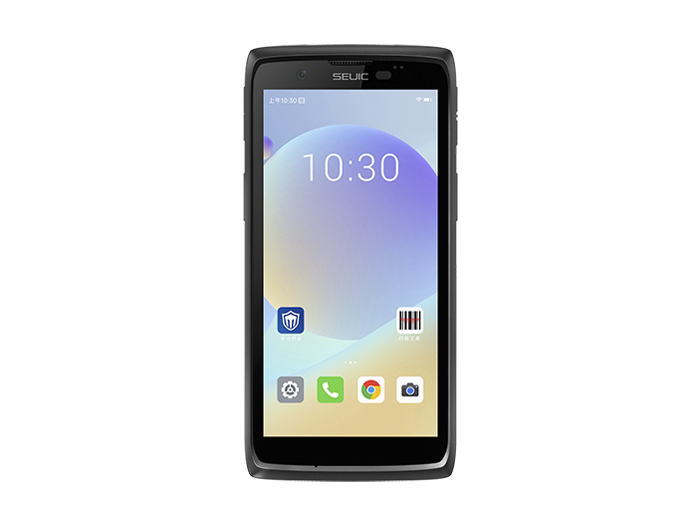
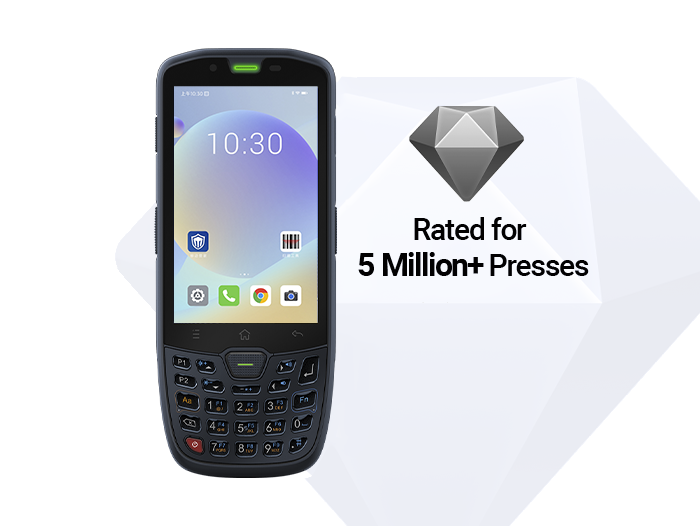
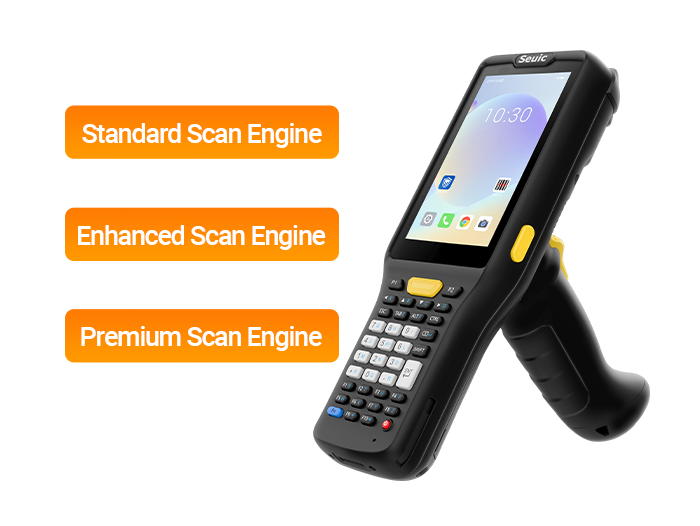
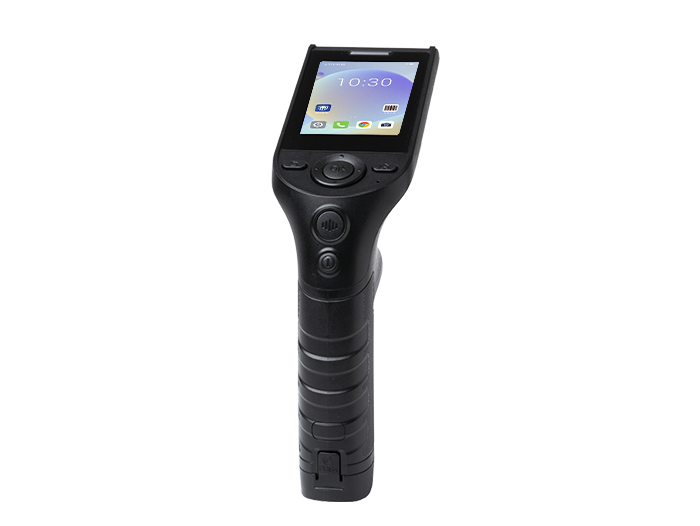
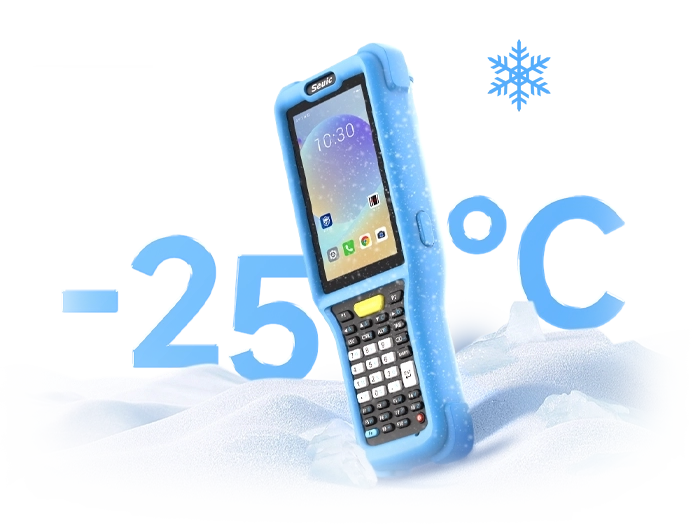
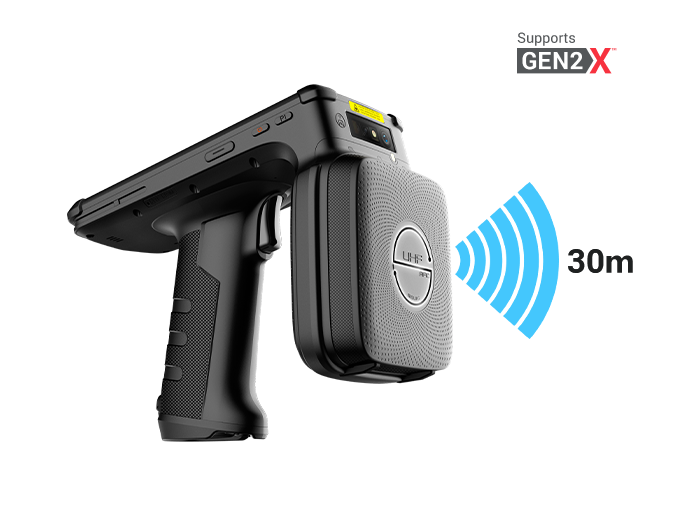
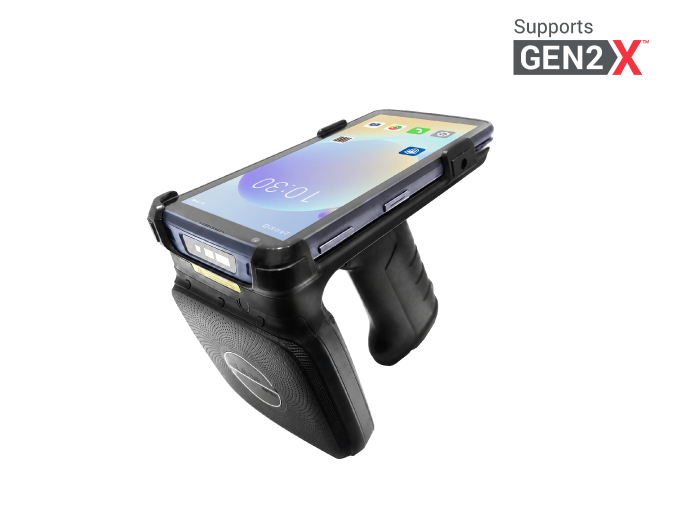
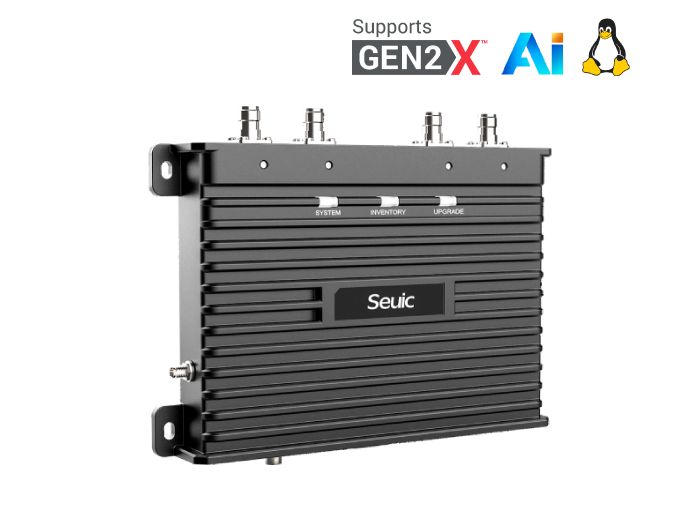
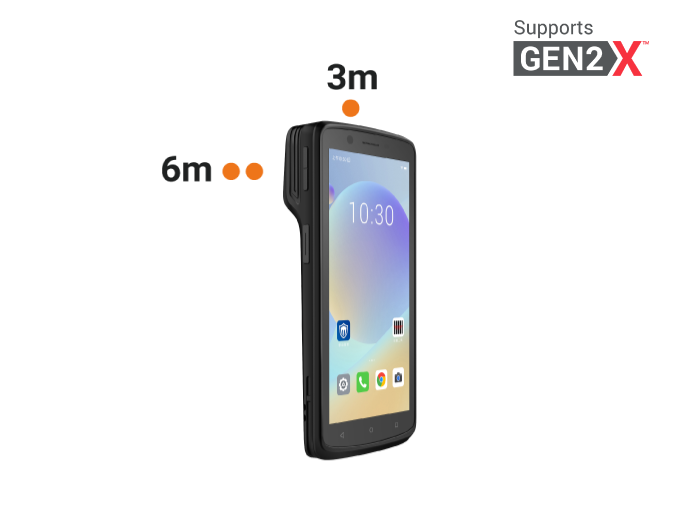
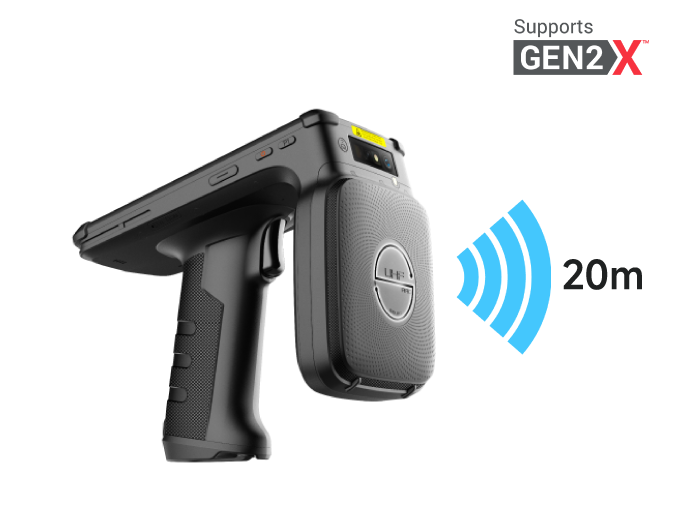
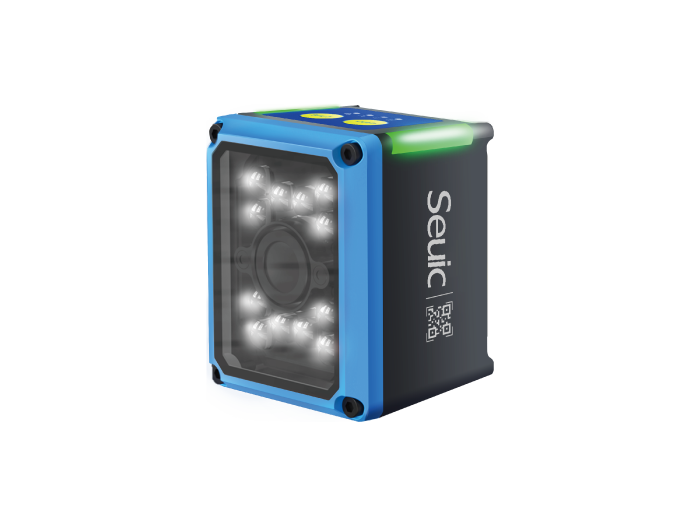
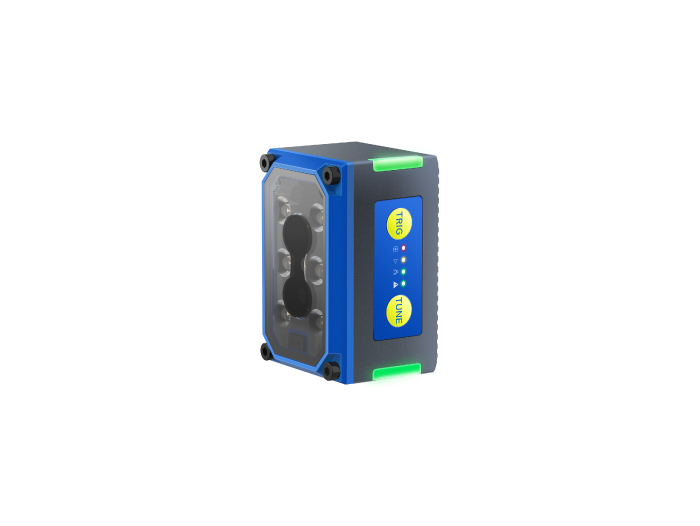
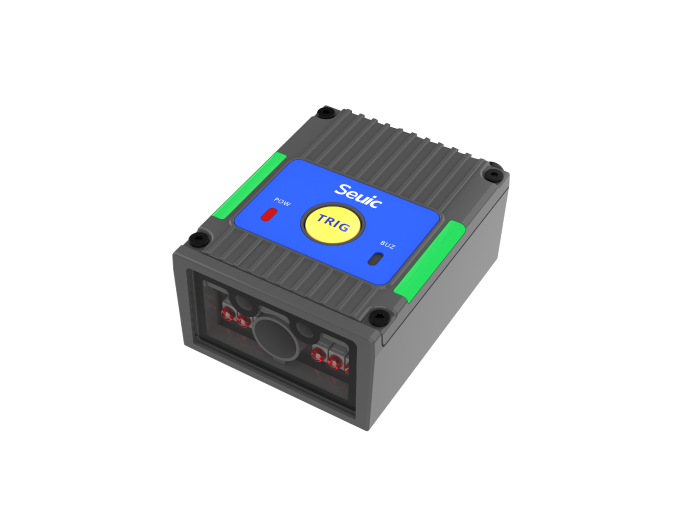
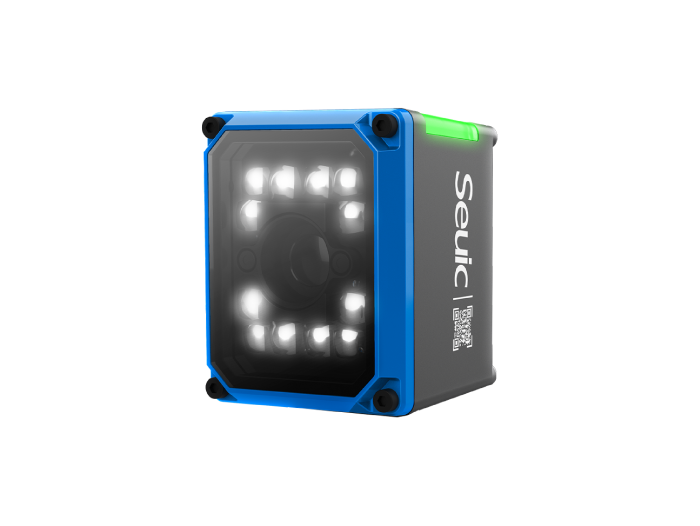
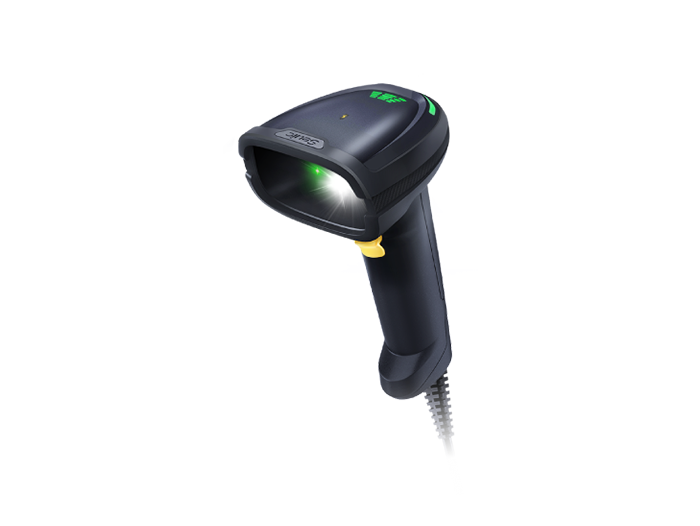
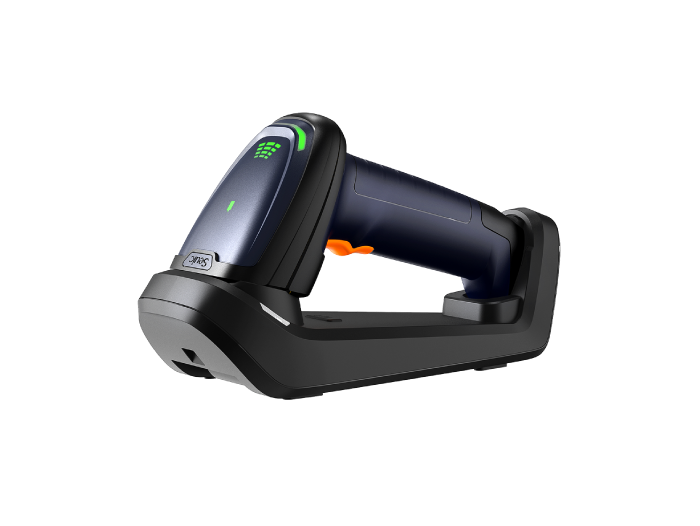
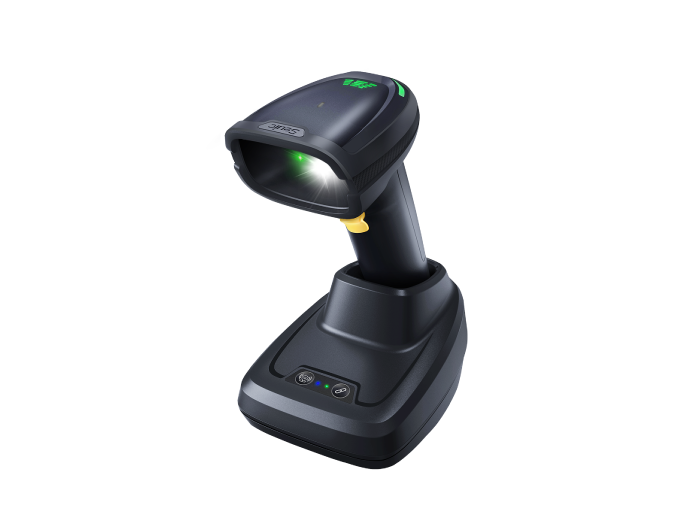
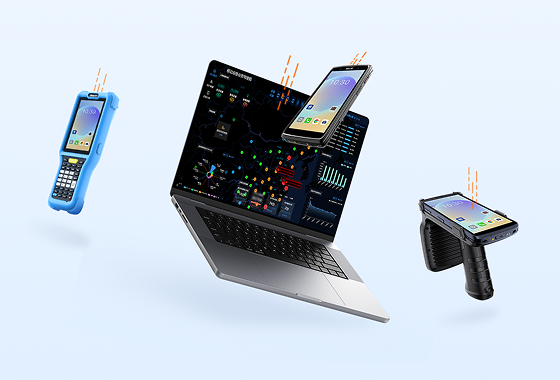
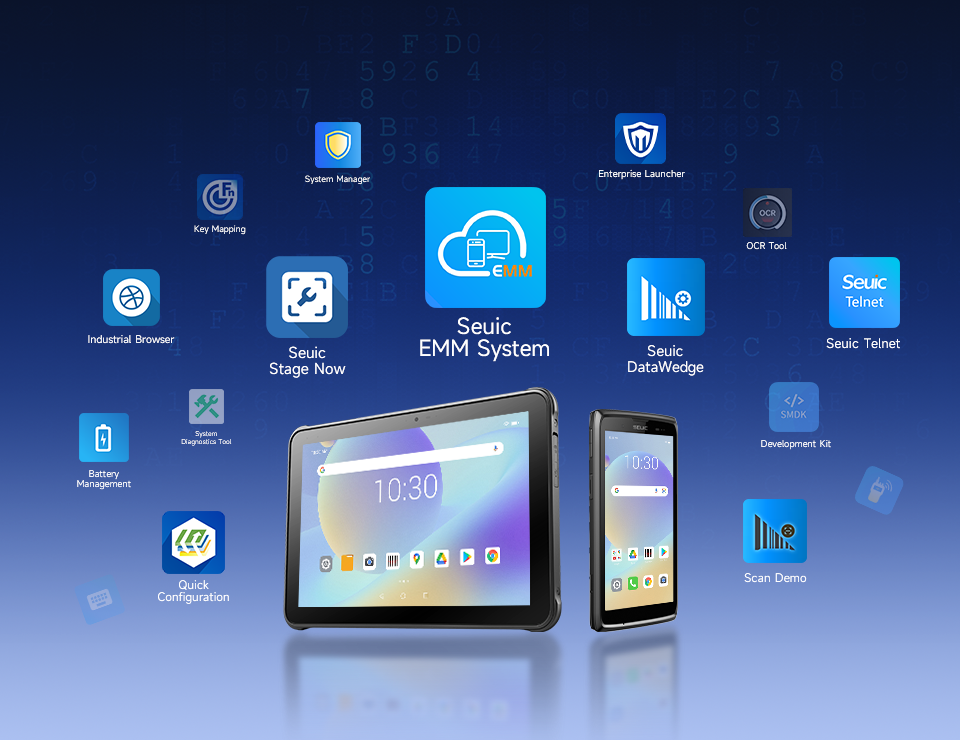
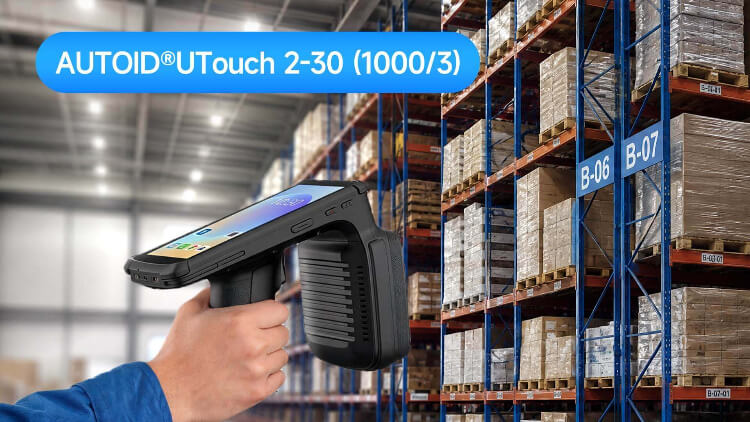
Seuic: Representative of industrial-grade UHF RFID. Ultra-long range, mobile operations, integrated MDM hardware and software. Suitable for warehousing, inspection, and production line edge applications.
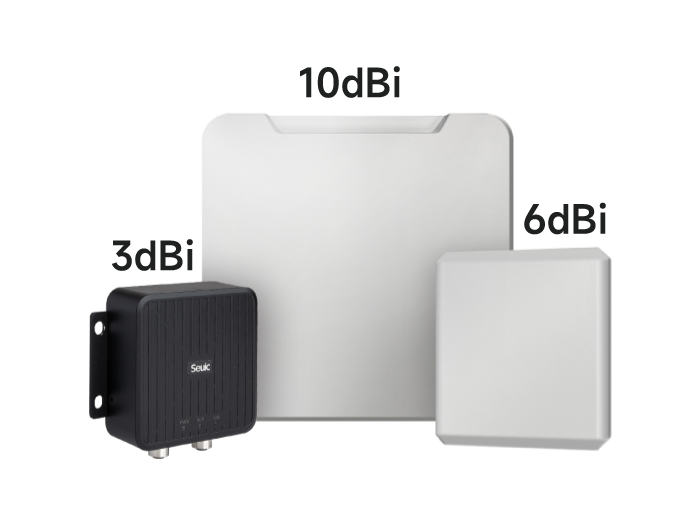
Newland, Puyue, Invengo: Fixed and mid/short-range readers. Invengo covers the full "chip-tag-reader-integration" chain with deep cases in rail, retail, and libraries.
Chenkong, Wanquan, Kezhili: Strong in industrial bus scenarios (Profinet / EtherCAT / Modbus), suitable for PLC/MES integration.
India camp:
Identium (Delhi): Native 865-868 MHz readers + hard tags. WPC ETA/BIS compliant. Ideal for local deployment.
Integrator ecosystem: i-TEK (port/container tracking, asset visualization); Ruddersoft (document tracking, laundry/linen management); Nextwebi (campus cards, library self-checkout).
Buyer tip: On the China side, choose "industrial tolerance + protocol compatibility." On the India side, choose "frequency legal compliance + local after-sales + clear integration responsibility boundaries."
Middleware and System Integration Layer
Chinese integrators excel at connecting RFID to WMS/MES/ERP, building tunnel readers, smart cabinets, production line verification, and AI-powered inventory optimization. Indian integrators are better at packaging compliant hardware into business systems (customs transshipment, campus management, hospital linen, government assets).
Buyer tip: When evaluating middleware, look at API documentation, offline caching, edge filtering rules — not just "whether there's a backend UI."
3. Procurement Decisions by Scenario
| Scenario | Recommended Approach |
| Factory / Production Line Traceability | China industrial readers (Chenkong/Seuic) + on-metal tags + PLC integration. India projects need WPC frequency verification and local service confirmation. |
| Warehousing / 3PL / E-commerce Fulfillment | Seuic handhelds + fixed tunnel readers + WMS middleware. High-turnover scenarios prioritize bulk read rate. |
| Retail / Apparel Chains | China tag production capacity + EAS/RFID dual-purpose tags. Indian stores can use Nextwebi-type local integration. |
| Hospital / Pharmacy / Linen | Medical-grade tags (disinfectant-resistant, reusable) + smart cabinets. India can use Ruddersoft-type laundry traceability. |
| Utility Meter Reading / Outdoor Inspection | Outdoor IP rating, on-metal capability, long range. Both countries viable, but India requires BIS/WPC check. |
| Government / Law Enforcement / Assets | Prioritize local compliance and data residency. India side: Identium + local integrator is more stable. |
4. Buyer Audit Checklist (Don't Just Compare Prices)
A ready-to-use RFID vendor audit checklist:
4.1 Frequency and Compliance
China: SRRC / CCC (as applicable), ISO quality inspection reports
India: WPC ETA, BIS (for hard tags / terminals), 865-867 MHz field test report
4.2 Performance Evidence
Conduct full-load read tests with real goods (metal, liquid, densely packed cases)
Measure read rate, missed read rate, multi-tag anti-collision, and edge-distance attenuation curve
4.3 Environmental Tolerance
IP65/IP67 terminal report (not per-unit only)
Drop test (1.5m onto concrete), high/low temperature, electrostatic discharge, battery cycle
4.4 Quality System
ISO 9001, CNAS/CMA test reports, incoming material inspection records
Tag batch TID consistency, traceable chip source
4.5 System Integration Capability
Provide API/SDK, MQTT/HTTP, offline caching, WMS/MES integration examples
Same-vendor hardware and software preferred (avoids "assembled cabinet" finger-pointing)
4.6 Delivery and Spare Parts
Tag MOQ, lead time, buffer stock arrangement
Reader spare unit mechanism, firmware upgrade, MDM support
4.7 Cross-Reference Scenario Cases
Not just "has done RFID," but "has done the same operating conditions" — same industry, same environment, same cycle time
5. Procurement Manager's Decision Framework
Use three layers of filtering, not a single quote sheet:
Layer 1: Compliance Access — Frequency band, certifications, data cross-border restrictions, industry qualifications (medical / customs / power)
Layer 2: Total Cost of Ownership (TCO) — Hardware price + annual tag consumption + read failure rework + maintenance labor + changeover risk
Layer 3: Responsibility Boundary — Who is responsible when reads fail? Who modifies the interface? Who supports production ramp-up?
Rules of thumb:
Need scale, customization, and industrial-grade hardware → China supply chain leads
Need India local deployment, WPC/BIS compliance, scenario subcontracting → India integrator leads
Cross-border projects → China hardware + India integration/compliance agent hybrid model is the most stable
RFID manufacturers in China vs India is not a binary choice — it's a division of labor. China provides "hardware supply chain strength." India provides "localized compliance and scenario delivery." What buyers really need to manage is grounding the industrial RFID supplier comparison in read test data, certification originals, and O&M responsibility — then using this RFID vendor audit checklist to squeeze the water out of quotes.
What kind of RFID procurement scenario are you working on? Feel free to contact SEUIC and share your industry and use case (e.g., "apparel warehouse inventory" or "utility meter outdoor inspection"), and we can drill down into the corresponding configuration checklist.
Related News
-
Industrial RFID Company Selection: 5 Vendors Scenario Comparison Guide
Product Updates | 2026.11.04Learn More
-

RFID Asset Tracking: Non-Stop 20-Meter Remote Inventory for Retail Stores
Product Updates | 2026.11.04Learn More
-
Warehouse PDA for Peak Season: CRUISE2 5G + Wi-Fi 6E Stability Practice
Product Updates | 2026.11.03Learn More
-

Handheld vs. Fixed-Mount Barcode Scanners: A Practical Selection Guide Based on Your Workstation
Product Updates | 2026.10.30Learn More