




RFID Asset Tracking: Non-Stop 20-Meter Remote Inventory for Retail Stores
Month-end inventory means closing the store, working through the night, and dealing with chaotic checkout queues — this is the reality for many retail chains, supermarkets, and apparel stores.
What's worse: even after all that effort, the data is still inaccurate. Restocking is delayed. Expired products are discovered too late.
The truth is, inventory doesn't have to mean "shutting down for a big operation."
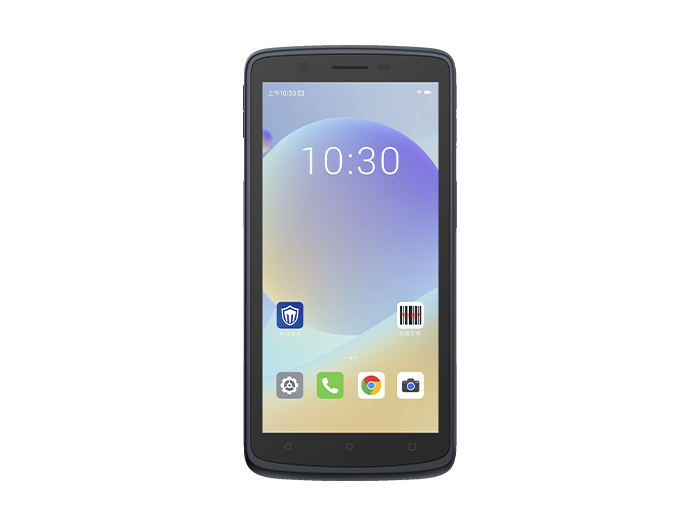
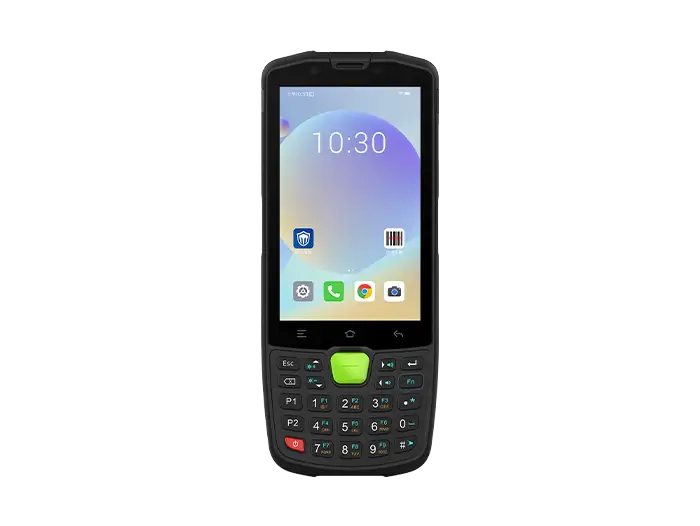
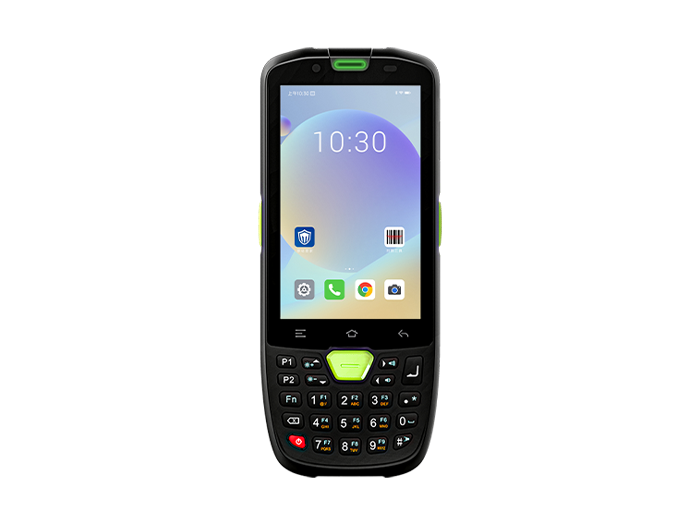
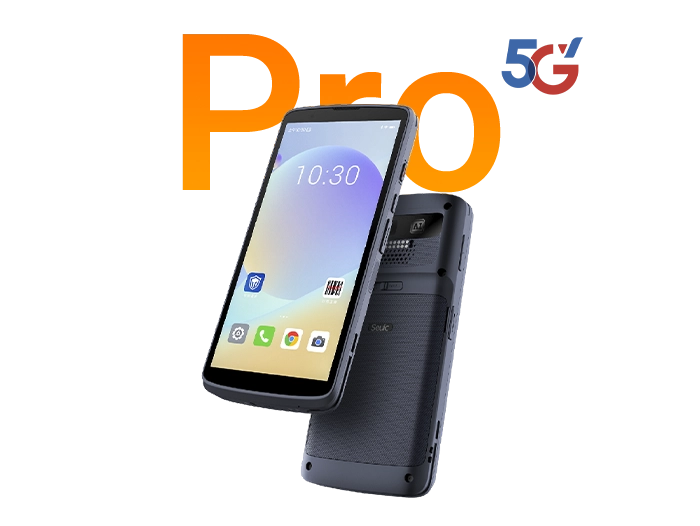
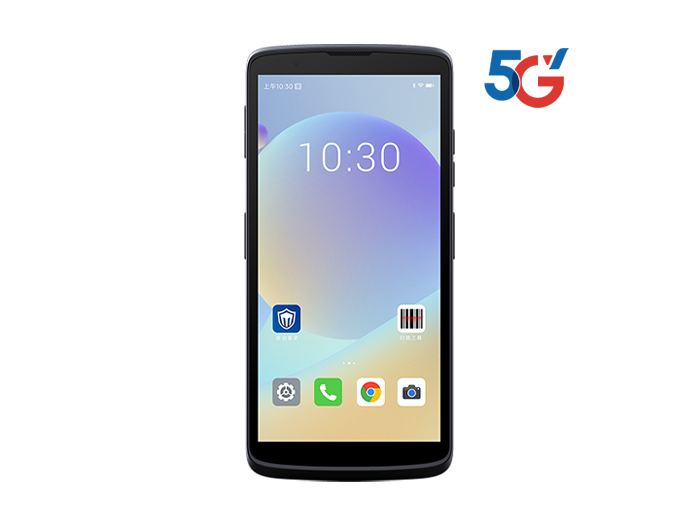
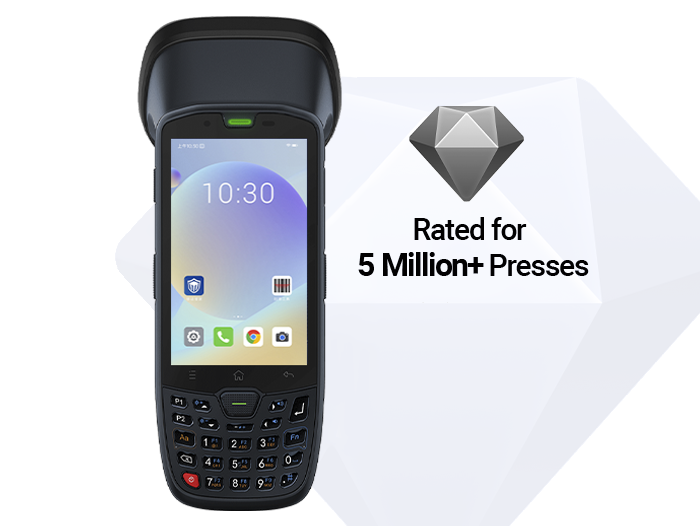
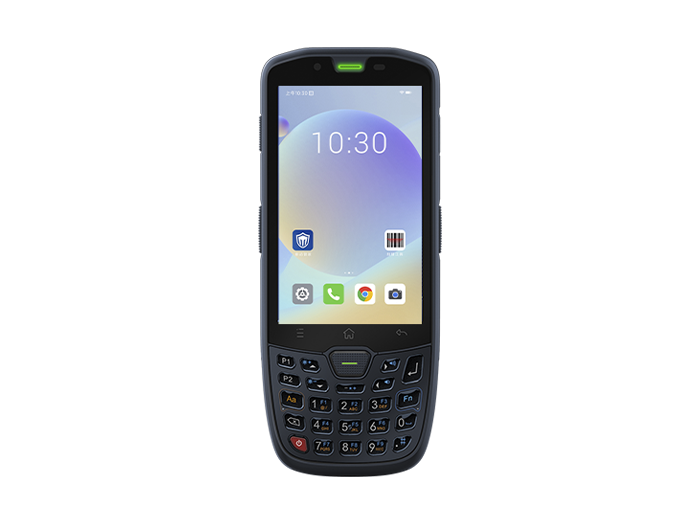
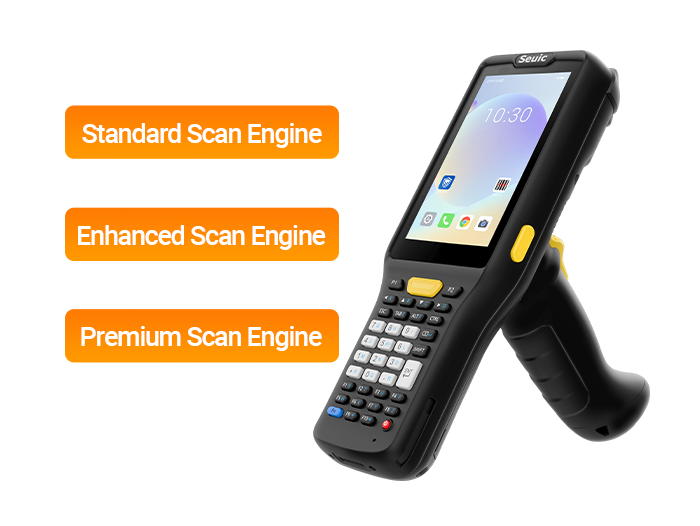
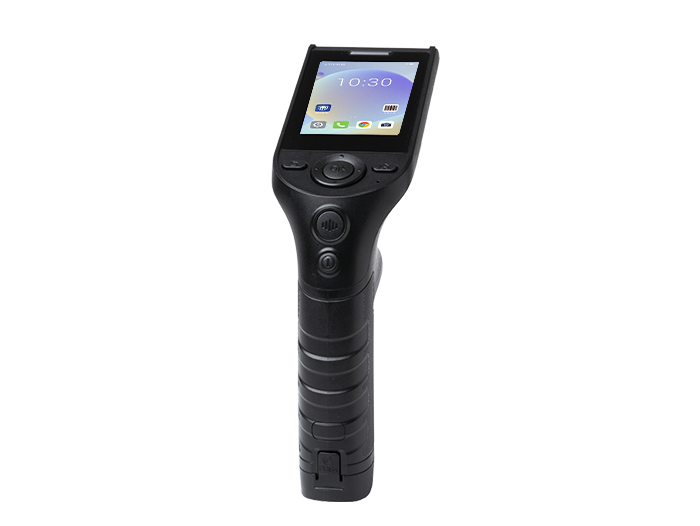
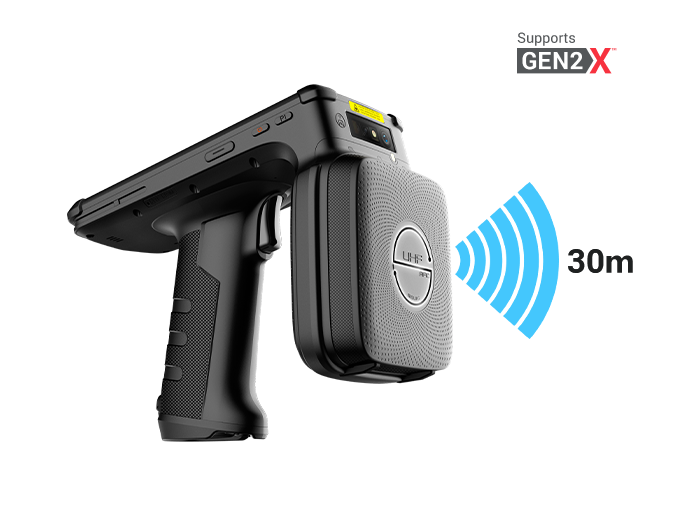
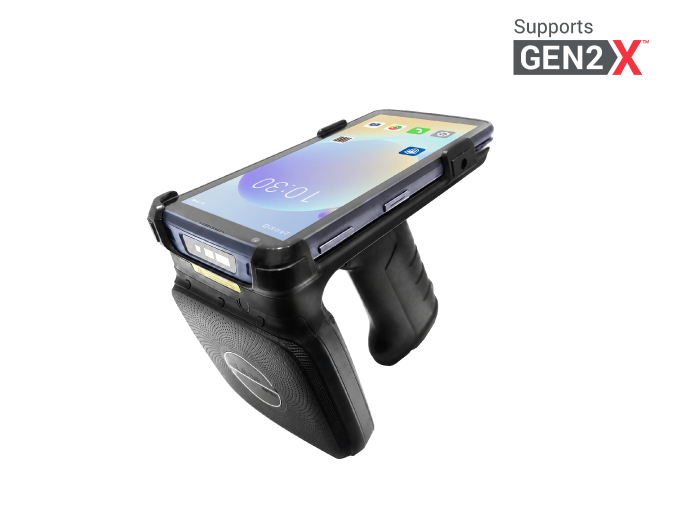
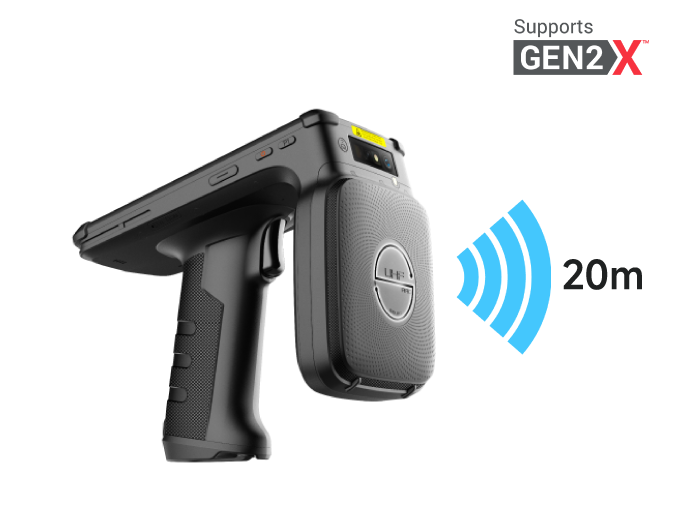
The SEUIC AUTOID UTouch 2-20 delivers a UHF RFID solution built around three pillars — 20-meter long-range reading, bulk instant scanning, and industrial-grade durability — allowing stores to perform walk-and-count inventory during normal business hours. What used to take hours now takes tens of minutes. And the inventory data is actually more accurate.
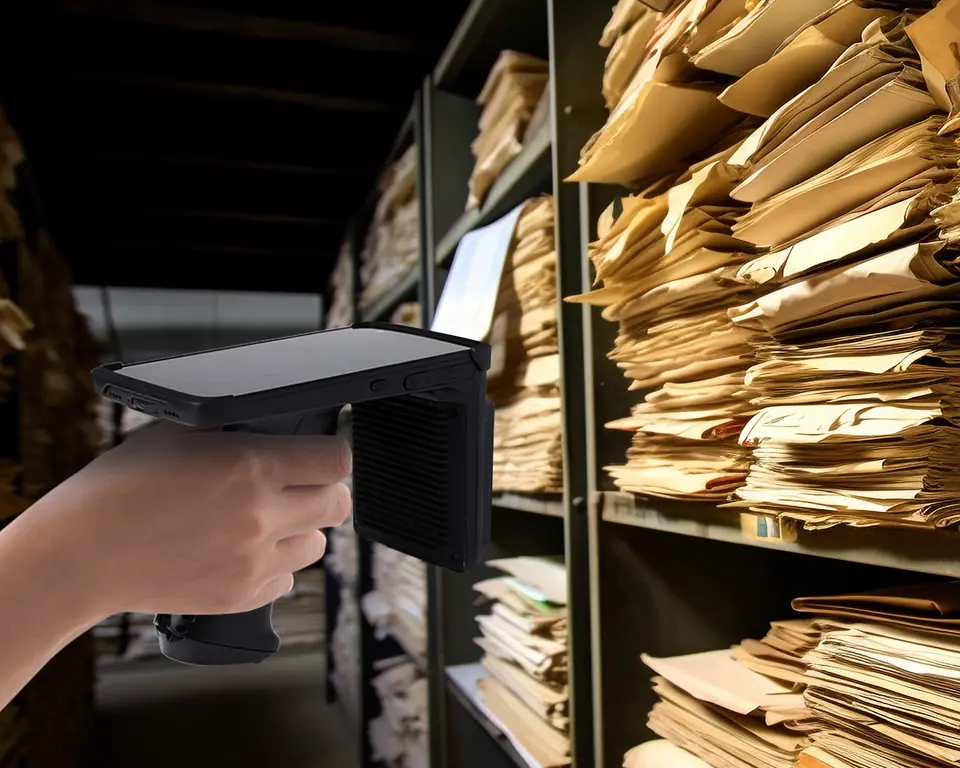
1. Where Does Traditional Inventory Fall Short?
Closure equals direct revenue loss
A 10,000-square-meter hypermarket closing for one night of inventory loses over a hundred thousand in foot traffic revenue. Chain stores closing for half a day each month see a significant chunk of annual gross margin eroded by inventory downtime. Many store managers simply avoid frequent inventory counts because the cost is too high.
Labor-heavy methods drive up error rates
Manual counting with barcode scanners — one item at a time. High shelves require ladders. Deep freezer cabinets require bending. Promotional displays collapse at the slightest touch. Missed reads, duplicate scans, misplaced items — the books never quite match reality.
During peak seasons, warehouses suffer more than stores
E-commerce warehouses dread three things during Double 11 or 618:
Network congestion — PDAs scan but can't transmit
Bulk inbound shipments piled high — scanning each item individually is impossible
Temporary workers are slow to onboard — wrong picks and missed items trigger platform penalties
Traditional inventory essentially trades time for accuracy. But modern retail demands something different: sell while counting, receive while clearing.
2. SEUIC AUTOID UTouch 2-20: Making "Far, Fast, Stable" the Standard
This is not an ordinary barcode gun. It's an industrial-grade UHF RFID handheld reader. The core concept is simple:
Tags don't need to be aligned. Read them in bulk from a distance. Walk the aisle once — the inventory reveals itself.
2.1 20-Meter Read Range — No More Getting Up Close
UHF RFID read distance: up to 20 meters (depending on tag type and environment)
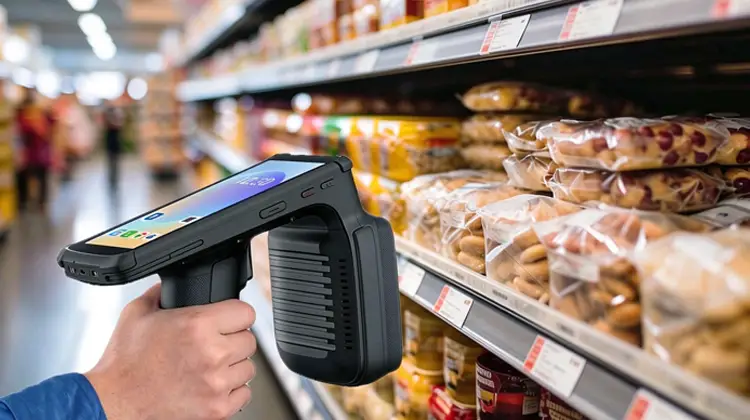
Stand at the entrance of an aisle and read the entire row — high shelves, middle racks, promotional stacks
No ladders, no moving products, no clearing the area
What this means for stores:
Staff can walk through zones during off-peak hours, scanning as they go. Customers are not disturbed.
2.2 Instant Bulk Reading — No Stalling on Large Quantities
Bulk read speed: up to 1,300 tags/second
Anti-collision algorithms automatically resolve tag interference
Full cases, full shelves, promotional carts — captured in one pass
What this means for e-commerce warehouses:
During peak promotions, entire pallets can be received, sorted, and verified in bulk — no more relying on crowds of temporary workers.
2.3 Industrial-Grade Durability — Built for the Real World
11,700mAh dual hot-swappable battery: Main unit 5,000mAh + handle 6,700mAh — continuous operation without power loss
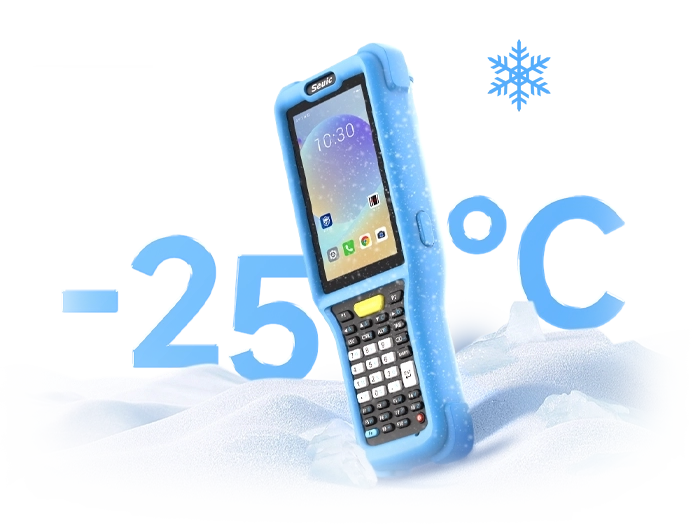
IP67 protection + 2-meter drop resistance: Survives store bumps, warehouse dust, and cold storage condensation
Wi-Fi 6 / 4G dual-channel: Data caches locally during network congestion and auto-syncs when connection resumes
Android system + barcode / QR / NFC full capture: Integrates with WMS and ERP without hassle
3. How to Implement Non-Stop Inventory
Scenario 1: Chain Stores — Daily Cleanup, Weekly Counts
Before: Closed all night at month-end
Now:
Pre-attach or reuse RFID hang tags on merchandise
Staff walk through each zone 20 minutes before closing
Device automatically compares against backend inventory — highlights discrepancies
Out-of-stock, misplaced, and near-expiry items are pushed to merchandisers instantly
Result: Near-zero closure time. Inventory transforms from a "monthly exam" into a "daily routine."
Scenario 2: Supermarkets & Hypermarkets — High-Frequency Zone Sweeps
Fresh food, general merchandise, and home appliances are rolled in separate zones
Long-range mode for high shelves; close-range precision mode for dense racks
A 30,000-SKU store: sweep time compressed from dozens of man-hours to under ten
Scenario 3: E-commerce Warehouses — Peak Season Buffer
Inbound pallets scanned in bulk without unpacking
Offline collection during network peaks — data syncs when bandwidth clears
Sorting lines verified on the move — mis-ship rates drop significantly
4. Why Retail Efficiency Actually Improves
| Dimension | Traditional Inventory | AUTOID UTouch 2-20 Solution |
| Store closure required? | Yes | No — inventory during business hours |
| Time per store | Hours to all night | Minutes per zone |
| Reading method | One item at a time, aligned | 20-meter bulk read |
| Data timeliness | Known only after inventory ends | Synced immediately after walk-through |
| Labor dependency | High | One person can sweep the entire store |
| Environment adaptability | Normal conditions only | Cold storage, dust, drops — all covered |
Efficiency isn't about "scanning faster." It's about embedding the inventory action into the flow of business — so operations never have to stop for data.
5. Who Benefits Most?
Retail chains / department stores / apparel brands: Reduce closure losses, improve shelf accuracy
Supermarkets / fresh food warehouses: High-frequency zone sweeps, near-expiry alerts
E-commerce fulfillment centers: Peak season stress resistance, bulk pallet reads
3PL and courier hubs: Inbound and outbound batch verification
Pharma / hospitals: High-value consumables and equipment lifecycle tracking
Utilities: Outdoor meter reading, long-range asset inspection
6. A Quick Note Before Deployment
RFID is not "buy a gun and you're done." We recommend a three-step validation:
Tag testing: Run a small-sample read-range test on different packaging materials (metal, liquid, hang tags)
Power zoning: Use long-range mode for aisles; switch to close-range mode for jewelry and high-density shelves
System integration: Ensure inventory results feed directly into the store's middleware — discrepancies auto-generate task tickets
Store inventory is not about counting products. It's about making inventory visible to the business.
The SEUIC AUTOID UTouch 2-20 brings together 20-meter read range, instant bulk scanning, and industrial-grade battery life — helping retail turn "closed-door marathons" into "open-floor walk-throughs."
Sales don't stop. Data is never late. Manpower doesn't break. This is what retail efficiency should look like.
Want to see how the device performs in an actual store or warehouse? Request a demo unit from SEUIC. Let one "walk-and-count" session validate the return for yourself.
SEUIC specializes in rugged field data capture tools. With seven product lines — industrial terminals, barcode scanners, UHF RFID readers, fixed-mount readers, medical terminals, industrial tablets, and automation integration products — we build a full-scenario matrix serving smart manufacturing, smart retail, smart logistics, smart healthcare, public utilities, energy & tobacco, and banking & finance. Every operation unit stays real-time online and precisely controllable. With 24 years of technology heritage, recognition in 60+ countries, and 200,000+ enterprise customers, SEUIC is committed to empowering the field and leading the future with data.
FAQ: About the AUTOID UTouch 2-20 Long-Range Store Inventory
Q: With a 20-meter read range, can it read every product?
A: 20 meters is the maximum read distance. Actual performance depends on tag type, product material, and environment.
Best-case scenario: Non-metal, non-liquid items like cardboard boxes, plastic packaging, and textiles in open aisles — stable bulk reading within 20 meters.
Watch out for: Metal cans, aluminum foil packaging, and bottled liquids weaken the signal. We recommend using anti-metal / anti-liquid specialized tags and controlling the read distance within 8–12 meters.
Recommendation: Before full deployment, walk the device through your actual store and measure read rates on your core products. SEUIC also offers demo units for testing.
Q: Will inventory during business hours affect customer shopping?
A: Barely. Most customers won't even notice.
Staff simply walk along aisles holding the device at a normal pace — no stopping, no touching products. The device has no flash or loud beeping — operation is quiet.
We recommend scheduling zone sweeps during off-peak hours (e.g., 10–11 AM, 2–4 PM) — no impact on foot traffic, no added burden on staff.
Q: Our store has 10,000+ SKUs. Can one device handle it?
A: Absolutely — and much faster than traditional methods.
The AUTOID UTouch 2-20's bulk read speed is very fast. A standard 20-meter aisle takes about 30–40 seconds to scan in one pass.
For a 10,000-SKU standard supermarket, with a well-planned zone route, one person can complete the initial sweep in 1–2 hours.
For large hypermarkets or warehouses, we recommend using 2–3 devices working in parallel for even higher efficiency.
Q: Is the device hard to operate? Can regular staff learn it quickly?
A: Very easy. No IT background needed.
The device runs Android — the interface is similar to a smartphone, with touchscreen operation. Inventory software is typically pre-installed by SEUIC or a partner. Staff simply: power on → select zone → start walking → review discrepancy reports automatically generated after the sweep.
Most stores can train staff to operate independently within 30 minutes. Experienced employees can use it on day one.
Q: How long until an RFID inventory solution pays for itself?
A: Most retail customers report measurable returns within 3–6 months.
Direct savings: Revenue lost from closure-based inventory (e.g., closing half a day each month could mean tens of thousands to hundreds of thousands in annual losses).
Hidden gains: Reduced expired-product write-offs, lower out-of-stock sales loss, and higher inventory accuracy from more frequent counts.
Hardware cost: The AUTOID UTouch 2-20 is an industrial-grade device with a 3–5 year lifespan. Add tag costs (typically a few cents to a few dimes per tag), and the overall ROI has been widely validated as positive across the retail industry.
Related News
-
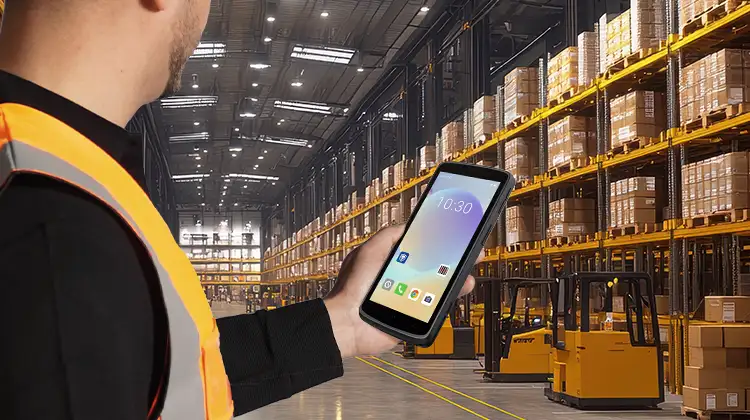
Warehouse PDA for Peak Season: CRUISE2 5G + Wi-Fi 6E Stability Practice
Product Updates | 2026.11.03Learn More
-
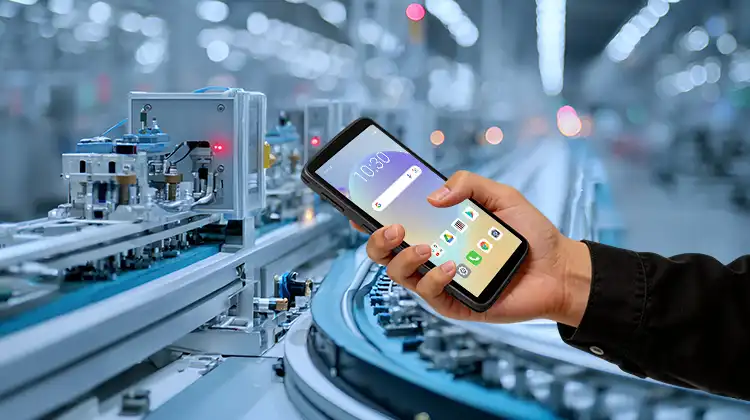
Handheld vs. Fixed-Mount Barcode Scanners: A Practical Selection Guide Based on Your Workstation
Product Updates | 2026.10.30Learn More
-
Retail Replenishment Portable Barcode Scanner Selection Guide: 4 Code Types · 5 Hard Capabilities
Product Updates | 2026.10.30Learn More
-
Warehouse Portable Barcode Scanner Selection Guide: Receiving · Picking · Shipping
Product Updates | 2026.10.30Learn More