




Industrial RFID Company Selection: 5 Vendors Scenario Comparison Guide
Factory floors, warehouses, hospitals, and field inspection sites are far more complex than retail shelves: metal, liquids, dust, low temperatures, explosion-proof zones, and mandatory PLC/MES integration. Selecting an RFID vendor isn't about comparing spec sheets — it's about whether the solution delivers stable reads, zero false reads, and manageable operations under real-world conditions. Below, we've selected five representatives from the top RFID companies for industrial applications that have genuine on-site deployment track records, to help you translate vendor selection into verifiable acceptance criteria.
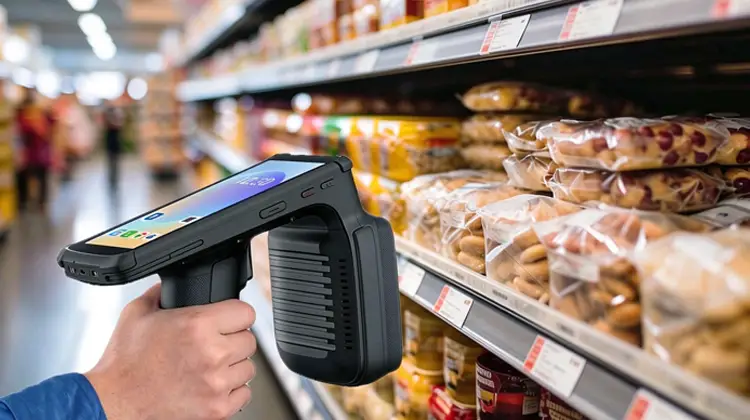
1. Representative Vendors and Differentiated Capabilities (5 Selected)
1.1 Impinj — RAIN RFID Platform and Chip-Level Foundation
Impinj is the ecosystem backbone of UHF Gen2 / RAIN RFID, providing Monza tag chips, Indy reader chips, and the Speedway fixed-reader platform.
Strengths: Tag read speeds reaching 1,000+ tags/s, industry-leading read range and anti-collision algorithms, broadest ecosystem
Positioning: Does not directly deliver end-user solutions — supplies core RF capabilities to OEMs like Zebra and Chainway
Best for: Large-scale UHF inventory, supply-chain-level deployments, RAIN RFID-native architectures
1.2 Zebra Technologies — Global AIDC Leader, Rugged RFID Handheld Benchmark
Zebra covers RFID printers, fixed readers, and rugged mobile handheld terminals.
RFD40: IP54, 1.5m drop, >600–1,300 tags/s, read range 6m+
Best for: 3PL, e-commerce warehousing, hospital asset tracking, retail chains, multinational standardized deployments
1.3 Honeywell — Industrial-Grade Reliability + Multinational ERP Integration
Honeywell's Dolphin and CN series handhelds and fixed readers emphasize industrial environment endurance and system-level integration.
Strengths: Global supply chain, full cross-regional compliance certifications, extensive experience integrating with large-scale ERP/MES
Best for: Multinational manufacturing groups, pharmaceutical cold chain, aviation baggage handling, high-compliance scenarios
Note: Project delivery often goes through channel integrators — clarify the responsibility boundary between OEM and partner
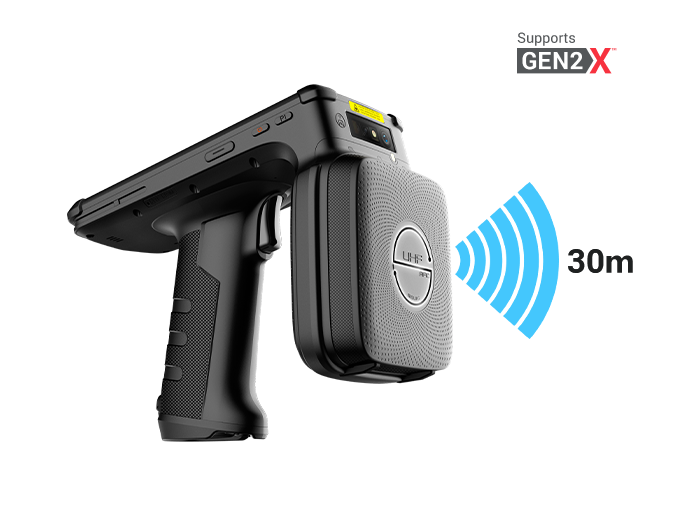
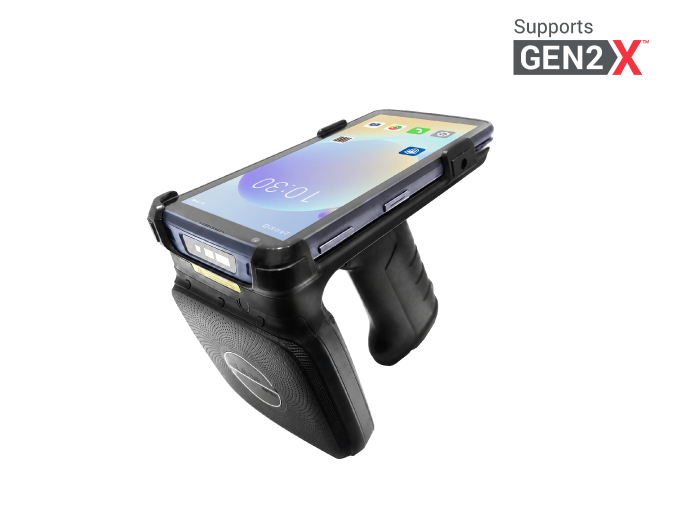
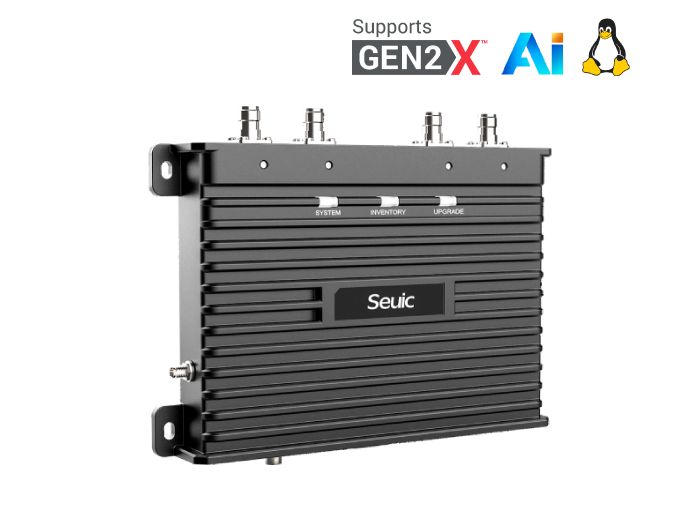
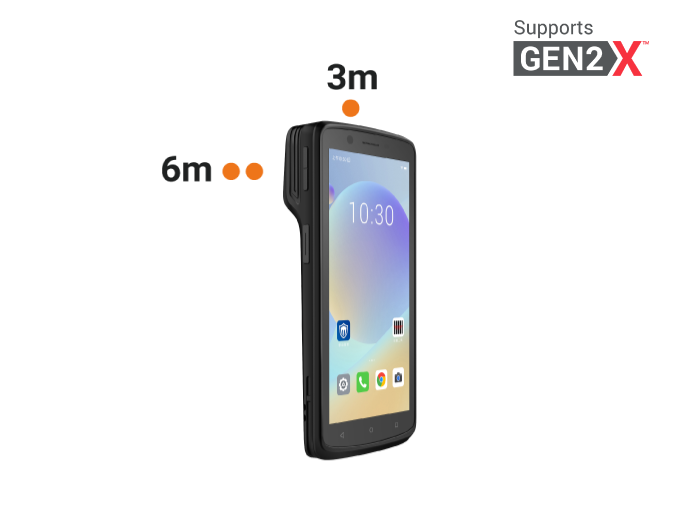
1.4 Seuic — International Industrial-Grade AIDC Manufacturer with Local Service Network
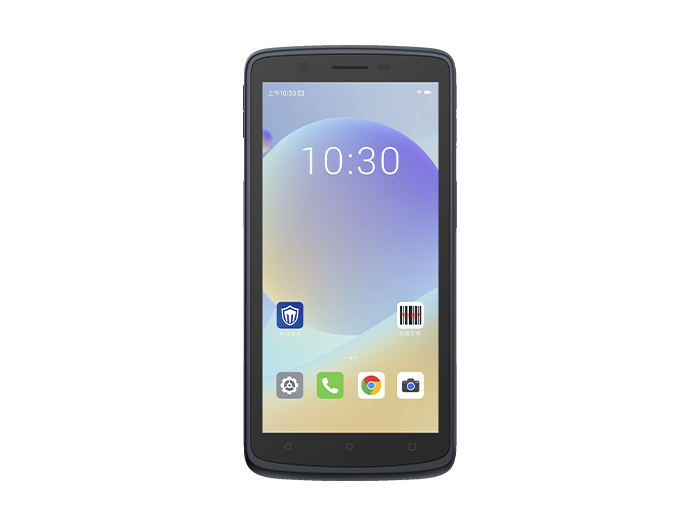
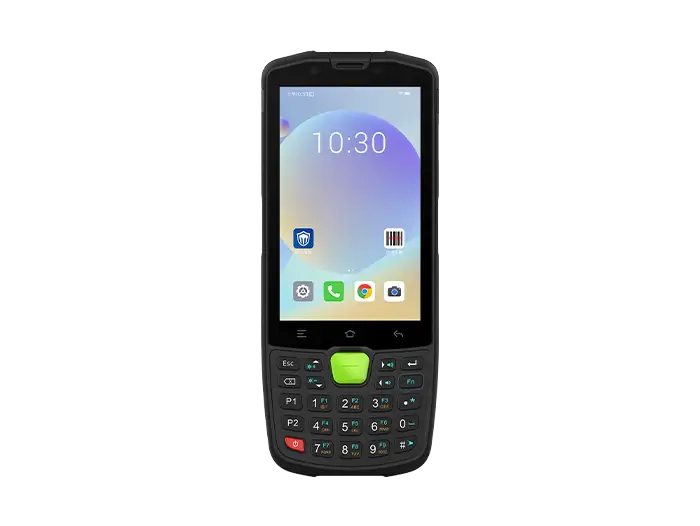
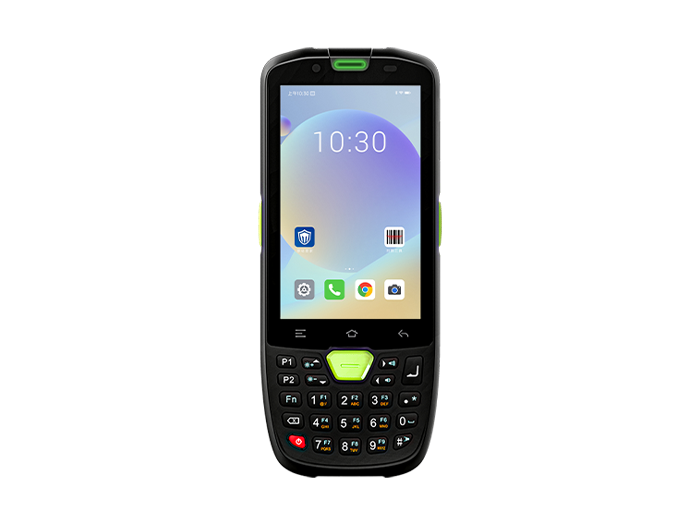
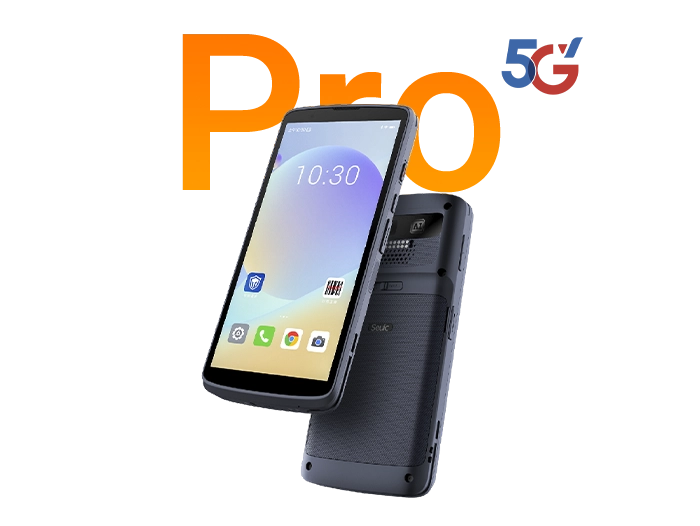
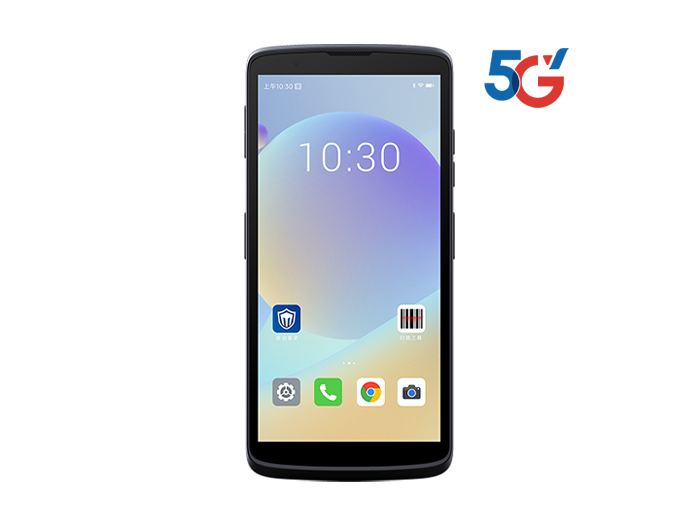
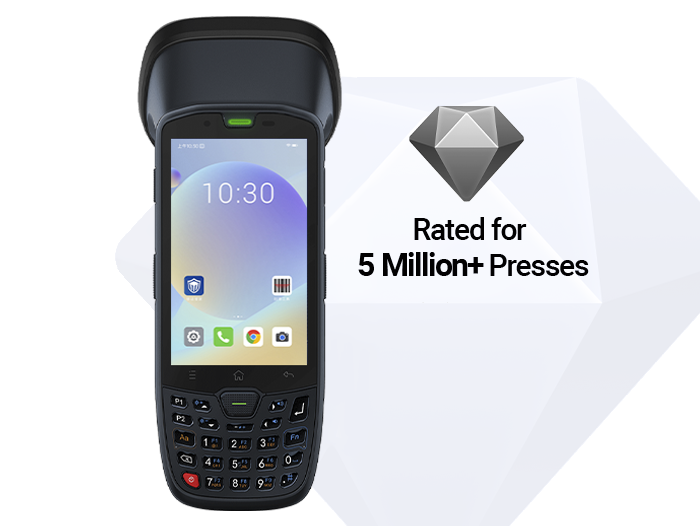
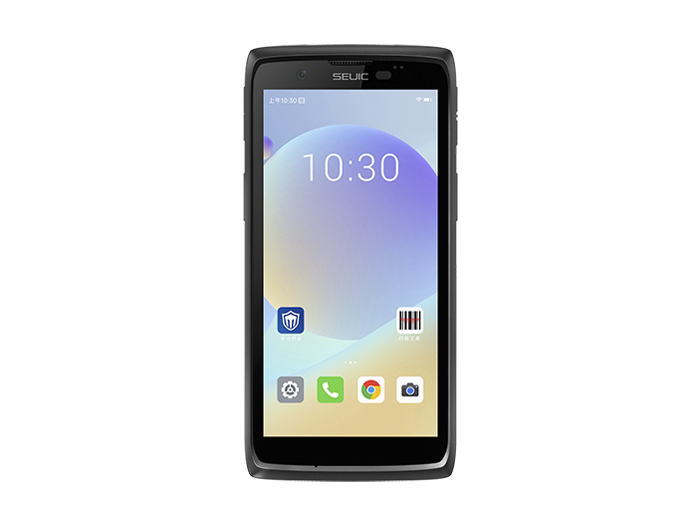
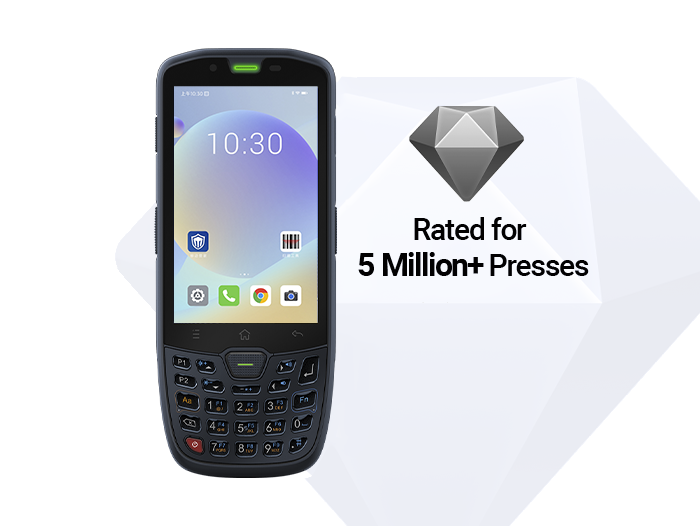
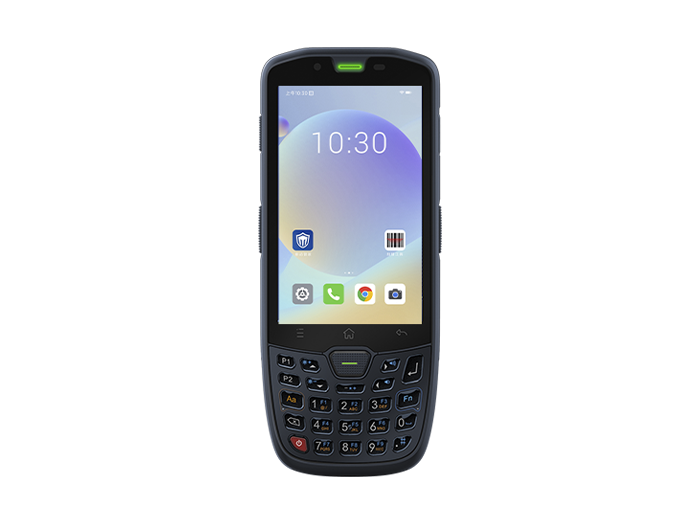
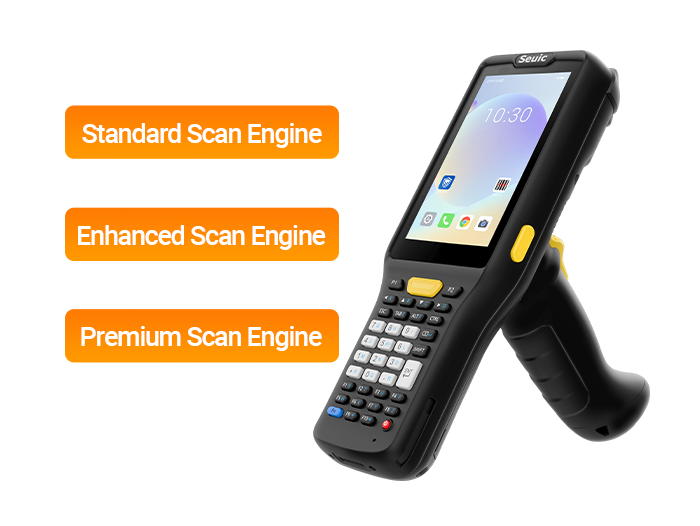
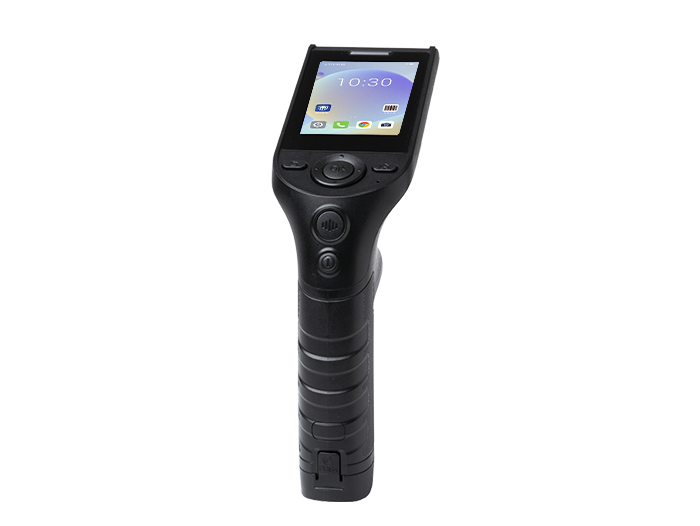
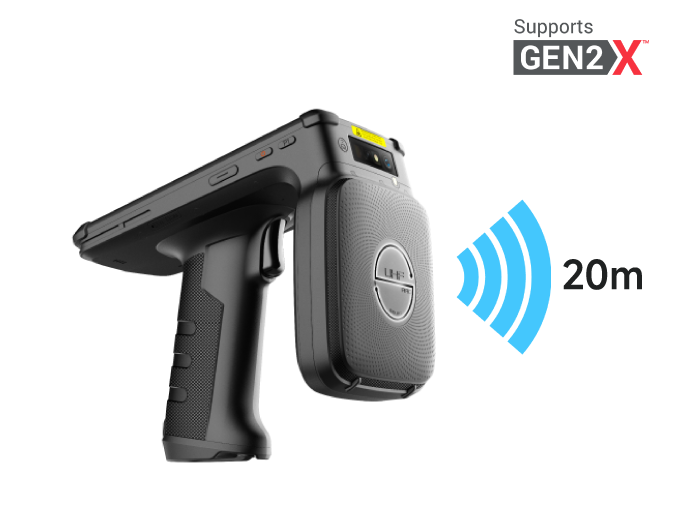
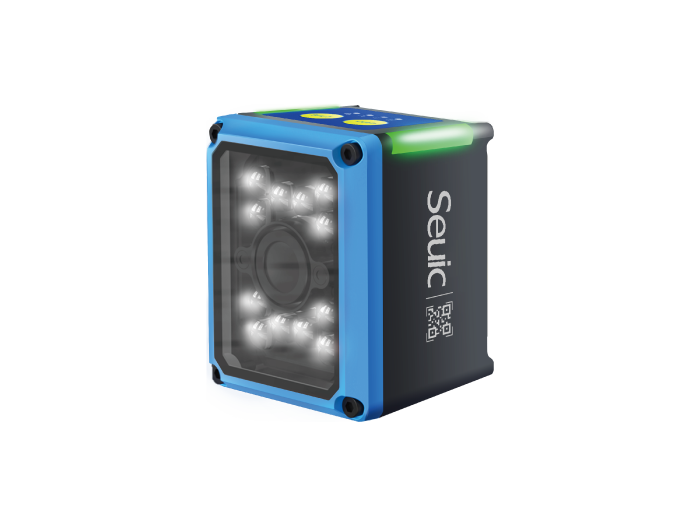
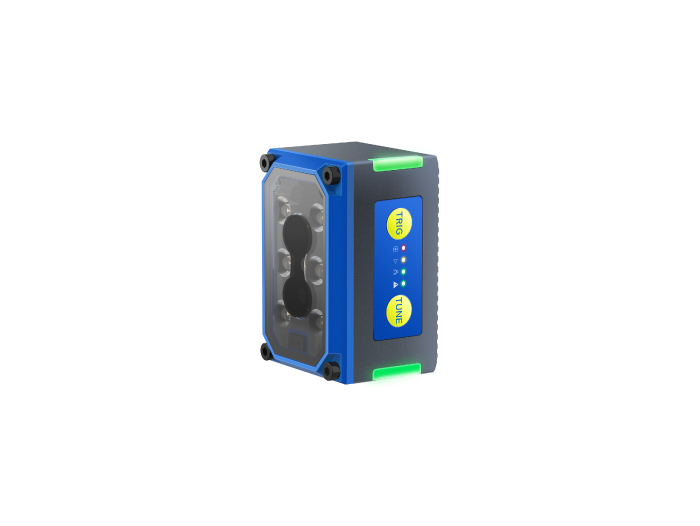
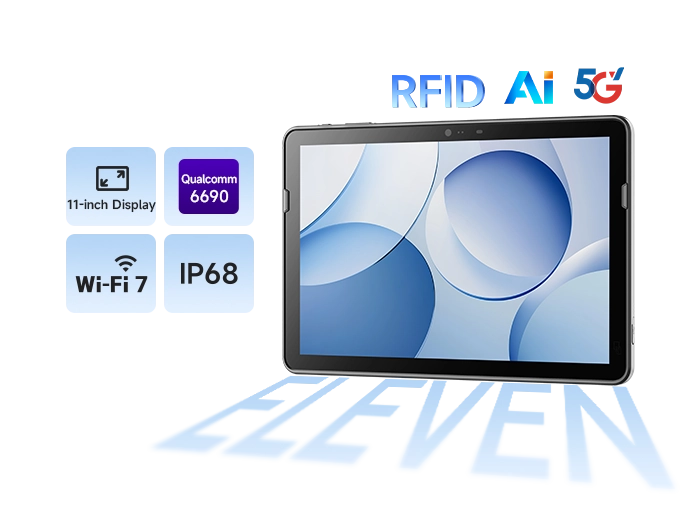
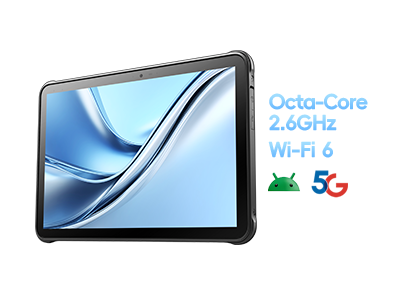
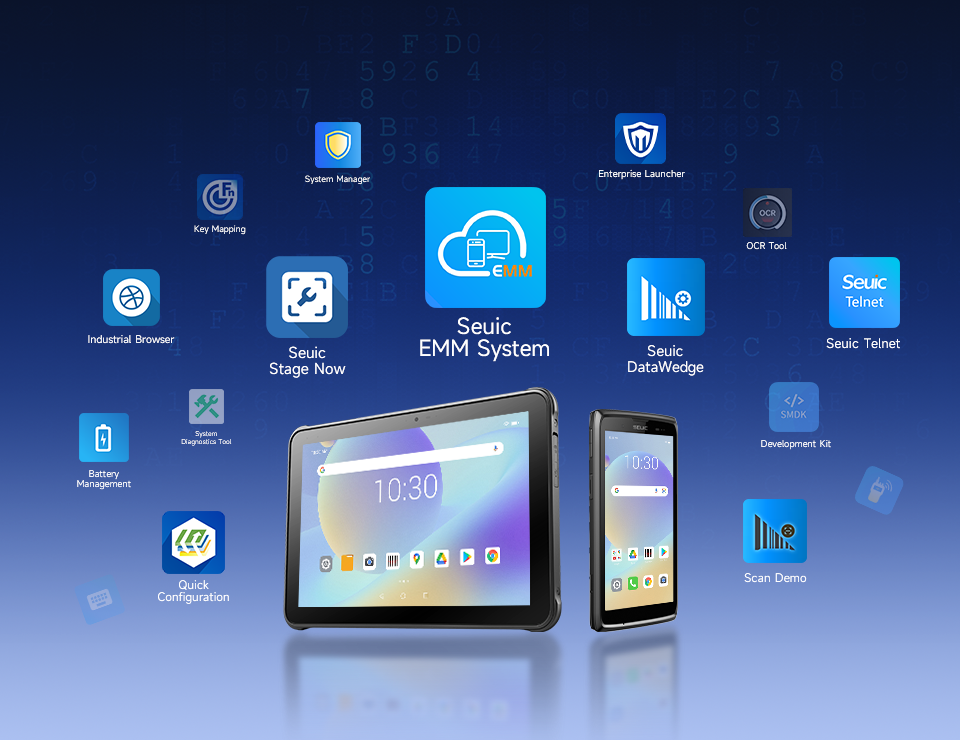
Over 20 years of AIDC expertise, with the AUTOID and CRUISE series covering PDAs, UHF handhelds, tablets, and explosion-proof terminals.
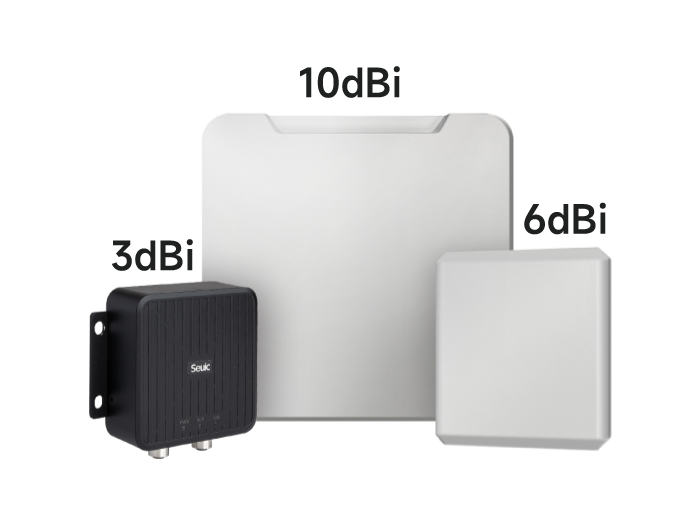
Strengths: Full in-house R&D, manufacturing, and service chain. Lower TCO than international brands, faster response, customization available
Scenarios: Parcel sorting, retail stores (AUTOID UTouch 2-30 (1000/3)), in-plant logistics, explosion-proof chemical warehouses (CRUISE2 ATEX)
Best for: Mid-to-large domestic warehousing and distribution, manufacturing front-end data collection, budget-conscious projects requiring industrial-grade quality
1.5 Chainway — Impinj Gold Partner, Full-Form-Factor UHF Handhelds
Chainway uses Impinj E-series chips in its self-developed UHF modules, covering handhelds, wearables, and fixed readers.
C5E: Android 16, bulk read 1,300 tags/s, read range up to 33m, 7,000mAh hot-swappable battery
Strengths: Comprehensive product portfolio, full export compliance certifications, serving 8,000+ enterprises across 150+ countries
Best for: Overseas warehousing, apparel supply chain, asset inventory, teams wanting "Impinj core + Chinese delivery"
2. Narrowing to 3-Vendor Shortlists by Industrial Scenario
Scenario A: Warehousing / 3PL / Retail Chains / Pharmaceutical Inventory (Mobile Inventory Primary)
Shortlist: Zebra + Chainway + Seuic
Need global standards, unified management across overseas stores → Zebra
High bulk-read performance + cost-effective for export → Chainway
Fast delivery, low TCO, custom App development → Seuic
Procurement logic: Handheld IP rating ≥ IP54, read range reserve 30% margin above shelf height, support direct WMS connection
Scenario B: Field Inspection / Meter Reading / Healthcare / Explosion-Proof Zones
Shortlist: Seuic + Honeywell + Chainway
Explosion-proof chemical/power/water utilities → Seuic ATEX models
Multinational compliance and system integration → Honeywell
Outdoor long-range asset search → Chainway C5E high-gain handheld
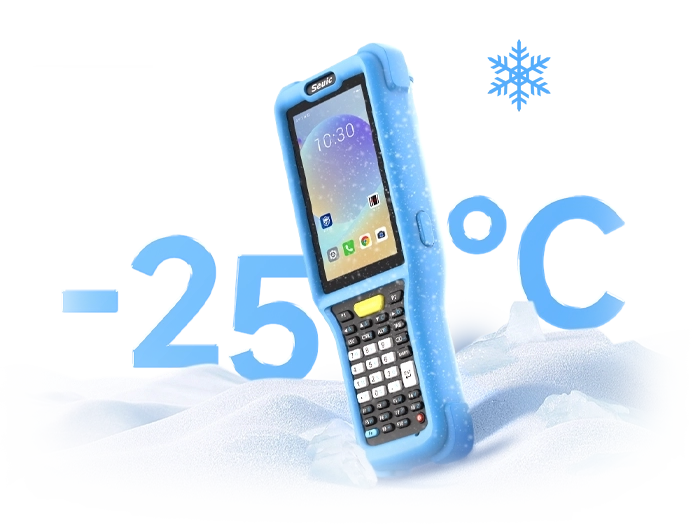
Key criteria: IP67, wide temperature range (-20°C to 55°C), on-metal tag compatibility, BeiDou/GPS location reporting
Scenario C: Production Line Traceability / MES Integration (Fixed UHF + Industrial Bus)
Shortlist: Impinj (core) + Zebra (end-to-end) + Chainway (cost-effective alternative)
Pure production-line stations should add industrial bus readers (Profinet / EtherCAT)
Impinj provides chips and Speedway reference architecture
Zebra handles tunnel reading and edge computing
Chainway provides cost-effective handhelds for spot-check verification
3. Pre-Purchase PoC Validation Checklist (Recommended to Write into Contract Appendices)
3.1 Read Rate Baseline
Single tag, 100 passes: read rate ≥ 99.5%
Case/pallet bulk read: missed read rate < 0.1%, false read rate = 0%
3.2 Environmental Boundaries
Test separately on metal racks, near liquids, with forklift obstruction, in cold storage, dusty areas, and rain
Conduct oil/grease resistance, vibration, and low-temperature aging tests on tag samples
3.3 RF Parameter Tuning
Start power adjustment from 22 dBm — do not default to max 30 dBm (to prevent adjacent-aisle cross-reads)
Fix and record Q value, Session, and hopping frequency parameters
3.4 System Integration
Confirm protocols: EPC C1 Gen2, ISO 18000-6C, LLRP / MQTT / REST
Align WMS/MES fields, verify offline cache and retransmission mechanisms
3.5 Device Reliability
Drop test (1.5m x multiple drops), IP certification report, battery life across full shifts
Hot-swap latency, barcode + RFID dual-mode switching delay
3.6 Service and Spare Parts
Local response time, spare unit turnaround, firmware upgrade commitment, tag supply stability
There is no single "number one" in industrial RFID — only scenario fit. For RAIN RFID foundation, look at Impinj. For global mobile data capture, look at Zebra. For system-level integration, look at Honeywell. For localized service and high-value handhelds, look at Seuic and Chainway. Narrow your shortlist to three vendors by scenario, write read rate, false read rate, and environmental boundaries into your acceptance criteria, and only then discuss scale deployment — this is the practical approach to selecting from the top RFID companies for industrial applications.
Working on a production line, warehousing, or field inspection project? Leave a comment with your industry and scenario, and we can dive deeper into tag selection and antenna layout.
FAQ — 5 Key Questions to Ask When Choosing an Industrial RFID Company
Q1: Should I go with a global brand or a rising player?
It depends on project scale and deployment scope.
Global brands (e.g., Zebra, Honeywell): Well-established global service networks, lower system integration barriers, ideal for multinational enterprises and multi-country unified deployments. However, hardware costs are 30–50% higher, and lead times run 4–8 weeks.
Rising players (e.g., Seuic, Chainway): 30–50% lower cost for equivalent industrial-grade configurations, support customization, faster response, lead times of just 1–2 weeks. Suitable for project-based and budget-sensitive customers.
Q2: How much can I trust the "read range" quoted on spec sheets?
The maximum read range quoted by manufacturers is typically measured in ideal lab conditions. In real industrial environments, expect a 30% to 50% discount.
Read range on metal surfaces degrades by 70% to 90%
Tags oriented sideways to the reader degrade by 60% or more
Motor interference and local power regulations further compress effective range
We recommend asking the vendor for a "guaranteed read range" — the effective distance at which you can achieve ≥99.5% read rate under your actual materials and installation conditions. Write this into your PoC acceptance criteria.
Q3: Why do false reads occur?
False reads are more dangerous than missed reads. There are three main causes:
Power turned up to max, reading tags in neighboring zones
Antenna beam too wide, sweeping tags outside the intended aisle
Lack of physical shielding, causing inter-device interference
Solutions: Start power tuning from 22 dBm and increase gradually, switch to narrow-beam antennas, and add absorbing materials or metal partitions. During PoC, place interference tags outside the target area for testing. False read rate must be zero before acceptance.
Q4: What is the most common reason for industrial RFID project failure?
First, wrong tag selection — accounting for about 40% of failures. Applying standard tags on metal surfaces yields a read range of less than 10 cm. Using PET tags in high-temperature environments causes them to fall off within three months.
Second, lack of advance system integration planning — about 30%. Data is written to middleware but MES fields are not aligned, and there is no offline cache or retransmission mechanism.
Third, inconsistency between PoC and actual working conditions — about 20%. We recommend completing tag adaptation testing and interface alignment meetings before signing the contract, and writing these into acceptance conditions.
Q5: How long does it take for a small factory or retail chain to see ROI?
Consider implementing RFID if any two of the following apply:
Manual inventory takes more than 2 hours per day
Monthly inventory discrepancy rate exceeds 3%
Monthly losses from stockouts or mis-shipments exceed $700 (or equivalent)
Over 500 SKUs with high turnover
Taking one handheld + one set of portal readers + 100,000 tags as an example, total investment is approximately $14,000 to $23,000. Annual savings from labor reduction, inventory loss reduction, and efficiency gains total roughly $11,000 to $20,000. Most scenarios recover investment in 12 to 18 months. If ROI hasn't materialized after 24 months, the scenario or selection likely has issues and needs reassessment.
Related News

-
Warehouse PDA for Peak Season: CRUISE2 5G + Wi-Fi 6E Stability Practice
Product Updates | 2026.11.03Learn More
-

Handheld vs. Fixed-Mount Barcode Scanners: A Practical Selection Guide Based on Your Workstation
Product Updates | 2026.10.30Learn More
-
Retail Replenishment Portable Barcode Scanner Selection Guide: 4 Code Types · 5 Hard Capabilities
Product Updates | 2026.10.30Learn More
-
Warehouse Portable Barcode Scanner Selection Guide: Receiving · Picking · Shipping
Product Updates | 2026.10.30Learn More