




2026 Mobile Data Terminal (MDT) Selection Guide
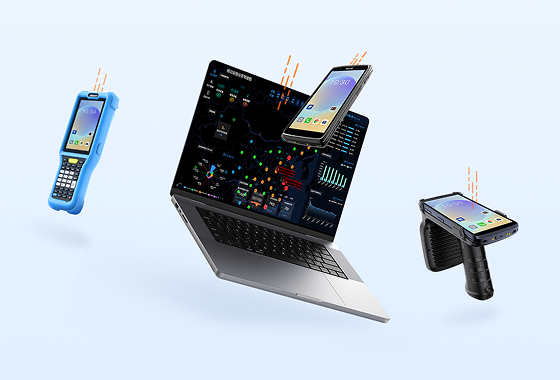
In logistics sorting centers, manufacturing workshops, retail stores, and outdoor inspection sites, the front line of enterprise digital transformation relies on a reliable Mobile Data Terminal (MDT). When consumer-grade tablets and smartphones repeatedly fail in dusty warehouses, under drops, in low temperatures, and during high-intensity operations, industrial-grade mobile data collection terminals — with their rugged design, professional scan engines, and real-time communication capabilities — become the critical productivity tools that boost operational efficiency and reduce data error rates.
Yet faced with a market full of MDT products, buyers often find themselves trapped in a paradox: "The specs all look similar on paper, but real-world performance is worlds apart." This guide provides a complete framework for selecting industrial-grade MDTs — from definition and functionality to application scenarios, selection criteria, and vendor comparisons.

1. What Is a Mobile Data Terminal (MDT)?
A Mobile Data Terminal (MDT), also known as a Mobile Digital Computer (MDC), is a computerized device used to communicate with a central dispatch center in emergency services, public transit, taxis, parcel delivery, roadside assistance, and logistics. In industrial and commercial contexts, MDT specifically refers to industrial-grade mobile data collection terminals — integrating laser scanning, display, data processing, and wireless communication into a single device. They capture item information quickly via barcodes and are widely used in healthcare, industrial, and financial applications.
2. Three Form Factors of MDTs
Unlike consumer tablets, MDTs are professionally designed for mobile operations and come in three main form factors:
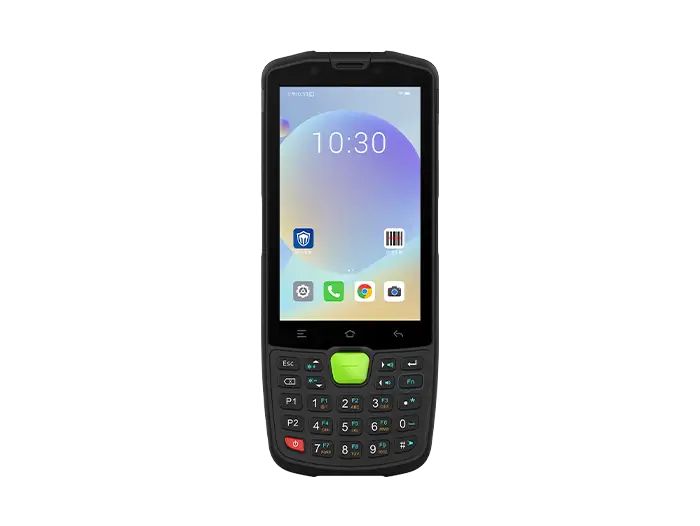
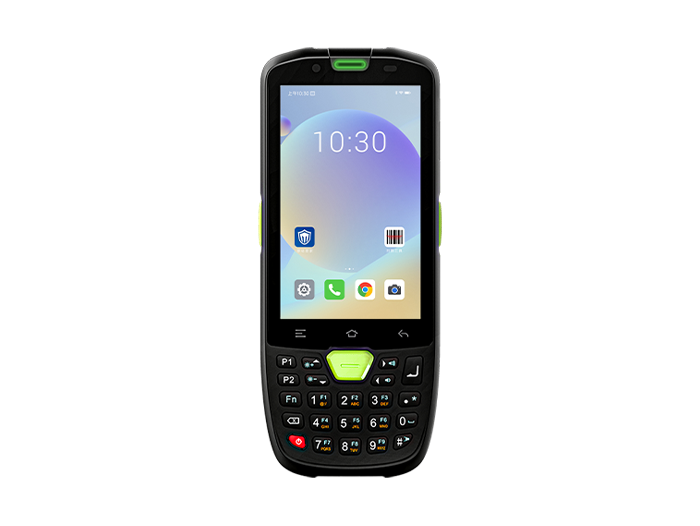
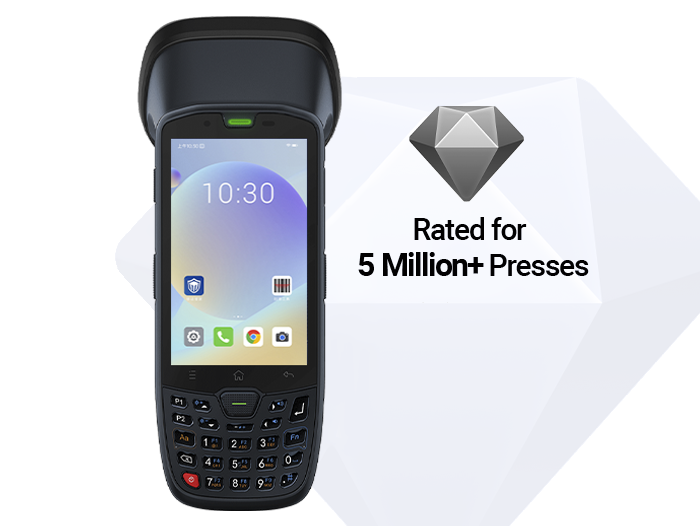
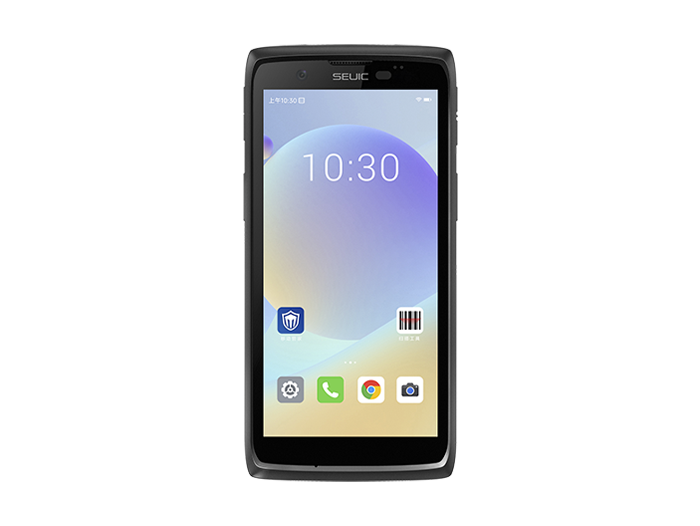
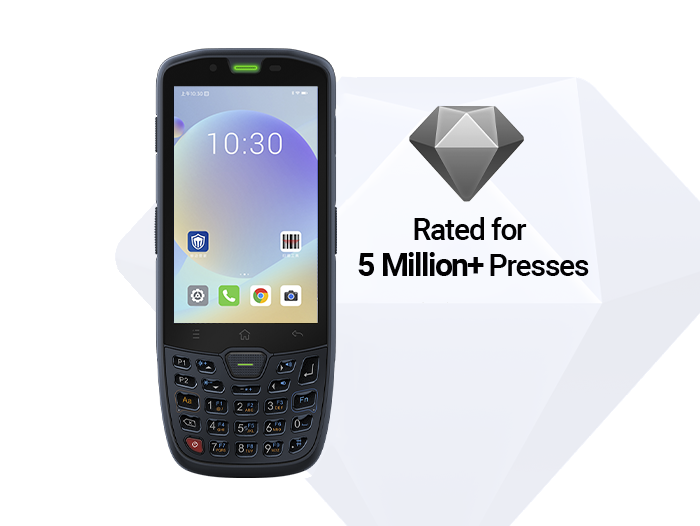
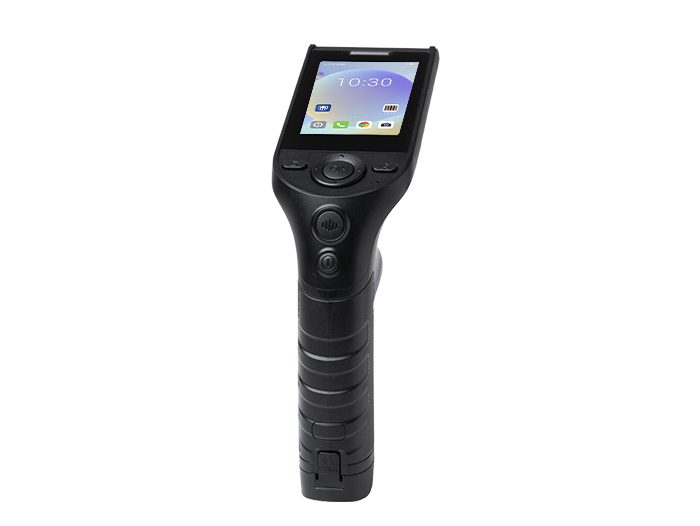
Handheld: The most common form factor. One-handed operation with either a physical keypad or full touchscreen. Ideal for warehouse inventory, retail checkout, and inspection scanning.
Wearable: Ring scanners, wrist-mounted terminals, etc. Frees up both hands. Ideal for high-intensity picking in e-commerce fulfillment centers.
Vehicle-Mount: Installed inside forklifts or truck cabs. Larger screens (typically 7 inches or larger) with deep integration into the vehicle's power system. Ideal for heavy industry and long-haul transportation.
3. Core Functions and Components of Industrial MDTs
A qualified industrial-grade mobile data collection terminal must excel in the following five core dimensions:
3.1 Real-Time Communication
Supports Wi-Fi 6 (IEEE 802.11ax), 4G/5G WWAN, Bluetooth 5.1, and other connectivity options — ensuring real-time data synchronization with WMS/ERP systems even in weak-signal areas such as warehouses, outdoor sites, and underground garages.
3.2 Precise Positioning (GPS/Beidou)
Integrates dual-mode GPS and Beidou positioning. Combined with backend systems for optimal sortation routing or inspection path planning, it can reduce unnecessary worker movement by up to 30%.
3.3 Vehicle Integration and CAN Bus
Vehicle-mount MDTs must support CAN Bus and other vehicle bus protocols for deep integration with vehicle power and diagnostic systems — a core requirement for fleet management scenarios.
3.4 Data Capture Engine
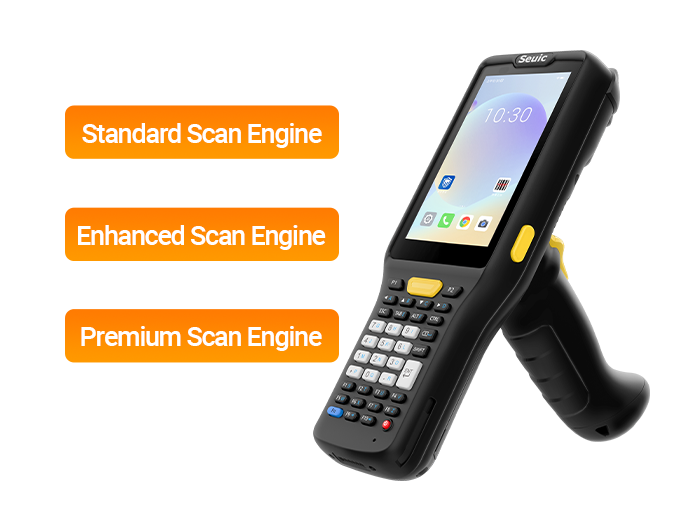
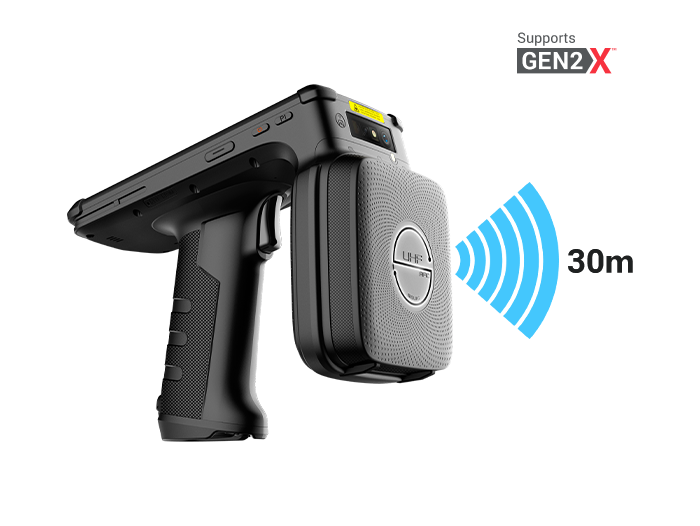
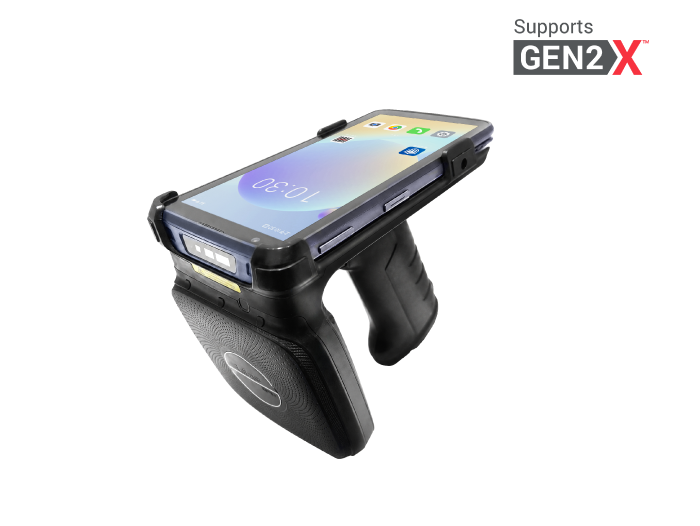
Supports 1D/2D barcodes, DPM (Direct Part Marking) codes, UHF RFID, NFC, and other identification technologies. Logistics scenarios typically require scan speeds of 300+ scans per minute. Manufacturing scenarios demand the ability to read DPM codes on challenging surfaces such as metal and oily packaging.
3.5 Enterprise Management (MDM)
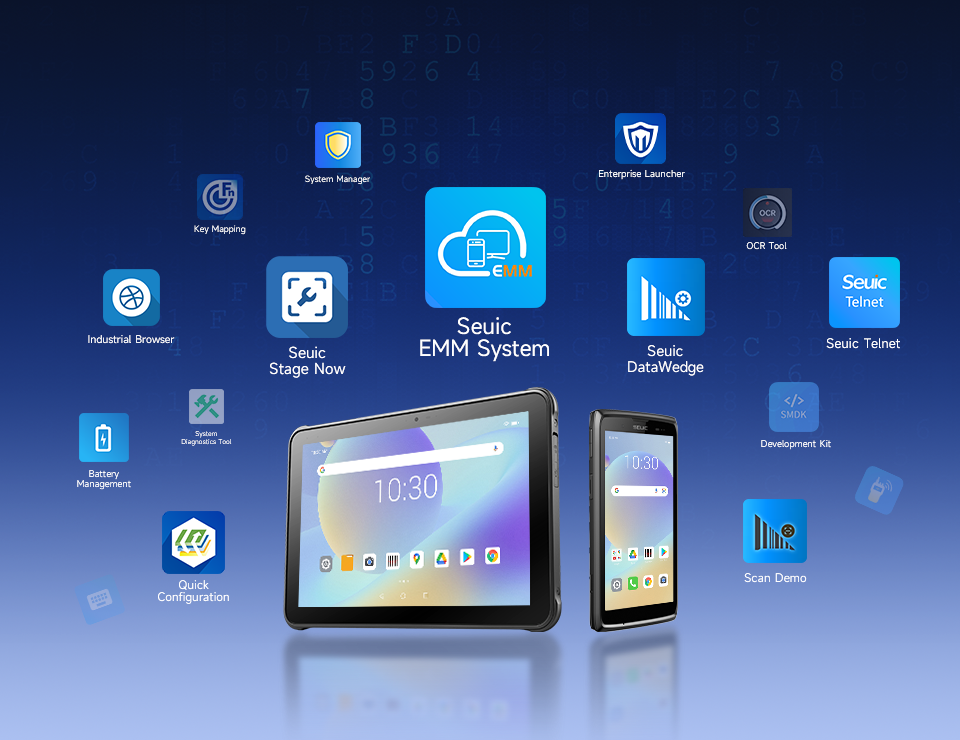
Supports fleet device management and OTA software updates, ensuring device security and data encryption. Vendor-provided SDK and API support is critical for reducing backend development costs and ensuring compatibility with legacy systems.
4. Four Industry Application Scenarios
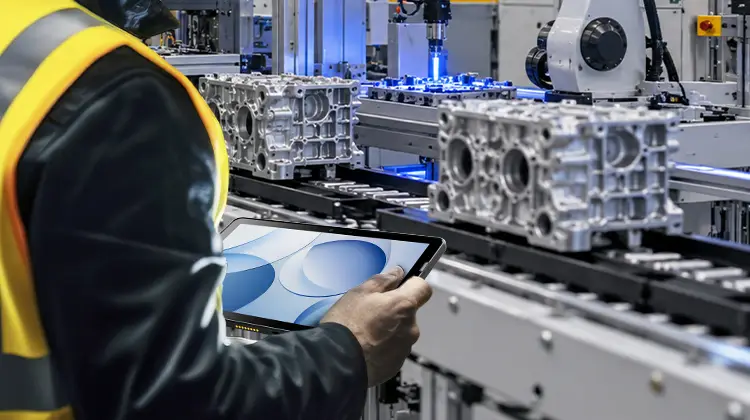
In manufacturing workshops and production lines, MDTs handle end-to-end data collection and traceability — from raw material receiving to process flow to finished goods shipment. Typical applications include:
Raw Material Batch Tracking: Scan 1D/2D barcodes or RFID tags to record each batch's supplier, production date, and inspection status — enabling forward and backward traceability from source to finished product.
Process Error-Proofing: Operators scan work orders and workpiece codes before each process step. The system automatically verifies process parameters, preventing incorrect assembly and sequence errors — effectively reducing rework rates.
Work-in-Progress (WIP) Management: Real-time reporting of WIP location and quantity helps production supervisors dynamically adjust scheduling plans and reduce WIP backlog.
Quality Inspection and Anomaly Reporting: QC personnel use MDTs to record inspection results on-site, capture defect photos, and trigger non-conforming product handling workflows — shortening response times.
Key Functional Requirements: High-precision DPM code reading (for metal, curved, and oily surfaces); IP-rated protection against dust and oil; touchscreen or physical keyboard compatible with thick gloves.
4.2 Smart Retail
Retail industry requirements for MDTs focus on store operational efficiency and customer experience improvement:
Receiving and Shelf Restocking: Scan case codes upon arrival for electronic receiving, automatically update inventory, and generate restocking tasks — reducing manual entry errors.
Shelf Inventory: Staff carry MDTs along predefined routes to scan shelf barcodes, with data transmitted in real time to the backend. Inventory efficiency can improve 3-5x compared to manual methods, with discrepancies flagged immediately.
Mobile POS (MPOS): During peak hours or in promotional zones, staff can use MDTs with portable printers to process checkout queues, relieving congestion at fixed registers.
Price Verification and Replenishment Alerts: Scanning a product automatically displays the suggested retail price and historical sales data. When inventory falls below safety thresholds, replenishment alerts are pushed.
Key Functional Requirements: Lightweight design (200-300g); bright display (readable in direct sunlight); fast scan engine (under 0.3 seconds); Wi-Fi 6 support for stable network during peak periods.
Whether in 3PL warehouses, e-commerce fulfillment centers, courier sortation hubs, or last-mile delivery, MDTs are the core tool throughout receiving, storage, picking, shipping, and transportation:
Receiving and Quality Inspection: Scan pallet barcodes or RFID tags, automatically associate ASNs, and move goods directly to storage after sampling inspection.
Picking and Putaway: Guided by voice or screen instructions, workers follow optimal paths and confirm each item by scanning. Inventory is deducted in real time, with error rates dropping below 0.1%.
Loading and Dispatch: Scan package labels and vehicle IDs, automatically generate shipping manifests, and synchronize with the Transportation Management System (TMS) — ensuring goods and vehicles are properly linked.
Delivery: Couriers use MDTs to scan parcels, capture delivery proof, and support electronic signatures and payments — enabling fully paperless operations.
Key Functional Requirements: Large-capacity removable battery (supports all-day continuous operation); hot-swappable battery for uninterrupted work; IP65+ protection rating (for dust and rain); support for wearable accessories such as Bluetooth headsets and ring scanners.
4.4 Public Utilities
Public utilities cover power, water, gas, municipal pipeline networks, government law enforcement, and health inspection — all involving field inspection scenarios. MDTs help frontline workers move beyond paper-based records to achieve on-site data collection and remote collaboration:
Meter Reading and Inspection: Inspectors scan equipment QR codes or NFC tags, retrieve historical maintenance records, input readings, and capture on-site photos — data uploaded directly to the cloud system.
Fault Reporting and Dispatch: When hazards are discovered, work orders are initiated via MDT with GPS coordinates and multimedia evidence. Dispatch centers can assign the nearest technician in real time.
Law Enforcement and Evidence Collection: Officers use MDTs to record inspection results, issue electronic fines, and leverage built-in GPS and cameras to establish evidence chains.
Asset Inventory and Label Replacement: Periodically inventory widely distributed outdoor assets (e.g., utility poles, valve wells, streetlights) and update asset status to ensure records match physical inventory.
Key Functional Requirements: High-sensitivity GPS/Beidou dual-mode positioning (even in dense urban areas or tree-lined streets); ultra-long standby (3-5 days); wet-hand and glove-compatible operation; sunlight-readable display; optional infrared temperature measurement or gas detection modules.
5. Six Enterprise-Grade MDT Selection Criteria
Purchasing an MDT should never be based on unit price alone. Evaluate the following six dimensions:
5.1 Ruggedness
Industrial deployment requires MIL-STD-810H compliance and IP65+ protection. For warehousing and harsh outdoor environments, IP67/IP68 is recommended. Also evaluate drop resistance (e.g., 2-meter drop onto marble) and tumble testing (e.g., 1,000 tumbles at 0.5 meters).
5.2 Battery Strategy
Battery capacity should be in the 4,000-6,000mAh range. For 24-hour continuous operations, hot-swappable battery support is mandatory.
5.3 Connectivity
Wi-Fi 6 and 4G/5G dual-channel connectivity are the foundation for real-time data synchronization. For weak-signal areas (tunnels, elevators, factory floors), pay special attention to the device's signal enhancement technology.
5.4 Display Readability
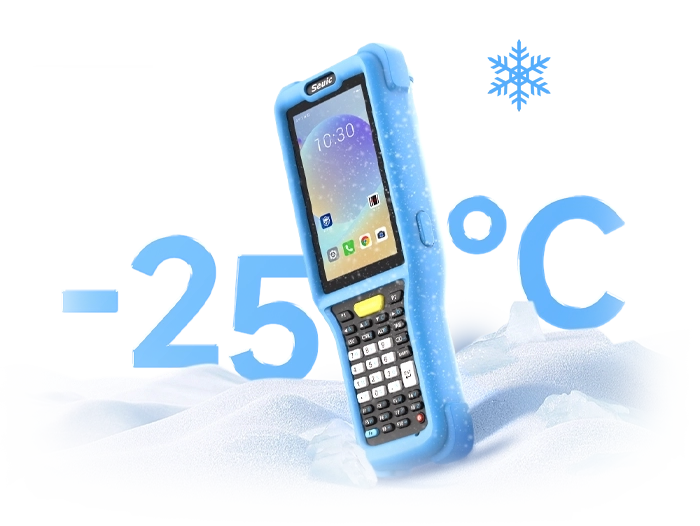
High-brightness IPS screens are essential for outdoor use in direct sunlight. Capacitive touchscreens supporting wet-finger mode and thick-glove mode are critical for maintaining continuity in cold chain and outdoor inspection operations.
5.5 Lifecycle Support
Prioritize vendors offering 3+ years of hardware support, 48-hour replacement guarantees, and on-site training. Android version should be Android 12 or newer for extended security update cycles.
5.6 MDM and Ecosystem Capability
The vendor's device management (MDM) platform, SDK, and API support directly determine fleet management efficiency and system integration costs.
6. Major Vendors and Product Matrix Comparison
The current industrial MDT market features a dual-track landscape of "international brands + rising domestic players":
6.1 Zebra
Known for exceptional hardware stability and a rich accessory ecosystem. The TC series targets mid-to-high-end segments. The TC52x achieves IP68, suitable for cold storage and high-intensity logistics. The TC72 targets heavy industrial scenarios. Widely used in courier warehousing and manufacturing lines. Software tools like Mobility DNA and DataWedge enhance device management and data collection efficiency. Through enterprise mobility software, analytics, and cloud services, Zebra delivers complete solution capabilities with deep WMS/ERP integration. Best suited for large customers with ample budgets and a need for global standardization.
6.2 Honeywell
Carrying forward the Intermec legacy, the Dolphin and CN series excel in industrial-grade durability and scanning stability. Barcode scanning performance is outstanding, with superior drop and weather resistance. Suitable for high-intensity industrial environments. However, there is an import brand premium, and product iteration and localized service responsiveness lag behind domestic vendors.
6.3 Datalogic
Has deep expertise in industrial image recognition and optical sensing. Commonly found in retail and production line quality inspection. Performs more stably in manufacturing workshops requiring dust/water protection and vibration resistance. Suitable for customers with high demands for scanning accuracy and durability.
6.4 Seuic
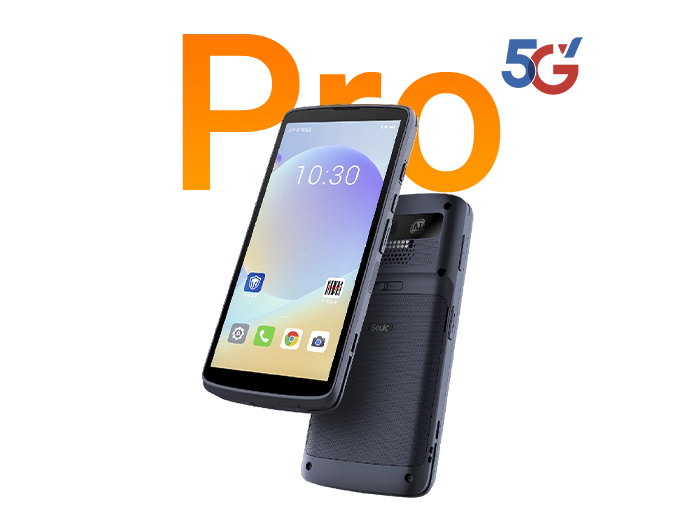
As a leading domestic industrial terminal manufacturer with over 20 years of experience in automatic identification, Seuic mobile computers support both Android and OpenHarmony dual operating systems. Features include IP67/IP68 protection, octa-core processing, AI scan engine, complex DPM code recognition, 5G + Wi-Fi 6 connectivity, and hot-swappable batteries. Industry-specific versions are available for manufacturing, retail, logistics, healthcare, and public utilities. Best suited for mid-to-large enterprise customers with high requirements for device reliability, deep scenario adaptation, and proven large-scale deployment maturity — deploying mobile data collection terminals in demanding industrial environments such as smart manufacturing, smart retail, warehousing & logistics, healthcare, and public utilities.
6.5 Urovo
A representative of rising domestic strength. Product portfolio spans entry-level to high-end, predominantly on the Android platform. The DT50 is the flagship model for retail and regular warehousing, with single-scan times of approximately 0.3 seconds and easily handling 8,000 scans per day. The RT40 industrial long-range model reaches up to 15 meters, ideal for high-rack storage and large-item logistics. Suitable for domestic projects seeking a balance between cost and performance.
7. Procurement Pitfalls: 5 Common Mistakes
Mistake 1: Using Consumer Tablets as Industrial MDT Replacements
Consumer tablets are highly susceptible to damage in dusty warehouses and under drops. They lack professional scan engines. While upfront costs appear lower, frequent repairs, data errors, and downtime result in significantly higher total cost of ownership (TCO).
Mistake 2: Blindly Pursuing the Highest IP Rating
While IP68 is superior to IP65, if the working environment is a standard warehouse (no submersion, no high-pressure washing), IP67 is fully sufficient. Over-specifying wastes budget. Match protection levels to actual environments (general industrial: IP65; harsh environments: IP67/IP68).
Mistake 3: Ignoring Battery Strategy and Shift Matching
For 4-6 hour daily operations like retail inventory, a lightweight 4,000-5,000mAh model suffices. But for warehousing/logistics and 24-hour sortation centers, a 5,000-6,000mAh model with hot-swappable battery is mandatory — otherwise, midday charging will directly interrupt workflow.
Mistake 4: Underestimating MDM and System Integration Costs
If the vendor does not provide comprehensive SDK/API support, backend WMS/ERP integration development costs will far exceed expectations. Prioritize vendors with mature MDM platforms, 5+ years of industry experience, and B2B platform ratings above 4.7.
Mistake 5: Looking Only at Unit Price, Ignoring TCO
MDT total cost of ownership includes docking stations, enterprise software integration fees, and warranty coverage. Bulk purchases (50+ units) typically qualify for 15-30% tiered discounts. Also evaluate the vendor's replacement guarantee (48-hour replacement), on-site training, and minimum 3-year hardware support commitment.
At the front line of enterprise digital operations, the right Mobile Data Terminal (MDT) delivers more than just efficiency gains — it structurally optimizes data accuracy, employee satisfaction, and total cost of ownership. Before purchasing, we recommend clarifying your working environment intensity, shift duration, scan frequency, and system integration requirements — then matching against the six enterprise-grade selection criteria outlined in this guide.
Founded in 2002, SEUIC Technologies Co., Ltd. is committed to mastering core technologies, continuously improving innovation capabilities, and delivering outstanding branded products including mobile computers, RFID readers, tablets, barcode scanners, and fixed readers. With highly reliable products and efficient service, our solutions are widely applied across manufacturing, retail, logistics, healthcare, and more. We provide frontline workers with more durable real-time data collection tools, helping you improve operational efficiency and take productivity to new heights.
Related News

-
2D Barcode Scanner Buying Guide: Decoding, Environment & Lifecycle
Product Updates | 2026.10.10Learn More
-
What Is a 2D Barcode Scanner? Definition, How It Works & Supported Symbologies
Product Updates | 2026.10.09Learn More
-
How to Choose a Rugged Android Tablet? Ditch Spec Stacking, Use Scenario Tables
Product Updates | 2026.10.09Learn More
-
What Is an RFID Tag? Structure, Working Principle & Common Uses
Product Updates | 2026.10.08Learn More