




Android Industrial Handheld Computers: The Smart Choice for Modern Warehouse Operations
Picture this: A warehouse manager urgently needs real-time inventory data for a specific batch, but the information is stuck in last night's stock report. A picker fumbles with an outdated device, tapping through clunky menus, adding seconds to every pick. A new hire stares at a proprietary system that will take a week of training to master.
In today's logistics landscape, where speed makes or breaks business, warehouse efficiency bottlenecks often boil down to data delays, cumbersome workflows, fragile hardware, and closed systems. Traditional dedicated data capture terminals or non-rugged consumer devices can no longer meet the demands of modern warehousing for real-time performance, flexibility, durability, and intelligence.
That's why a growing number of industrial operations are turning to Android industrial handheld computers. These devices bring a smartphone-like experience to the warehouse floor — but more importantly, they represent a transformative shift in how operations run. This article explores why choosing an Android industrial handheld computer for warehouse operations is a smart step toward intelligent, visible management.
1. Why Industrial Handheld Computers Have Become the "Standard" in Modern Warehousing
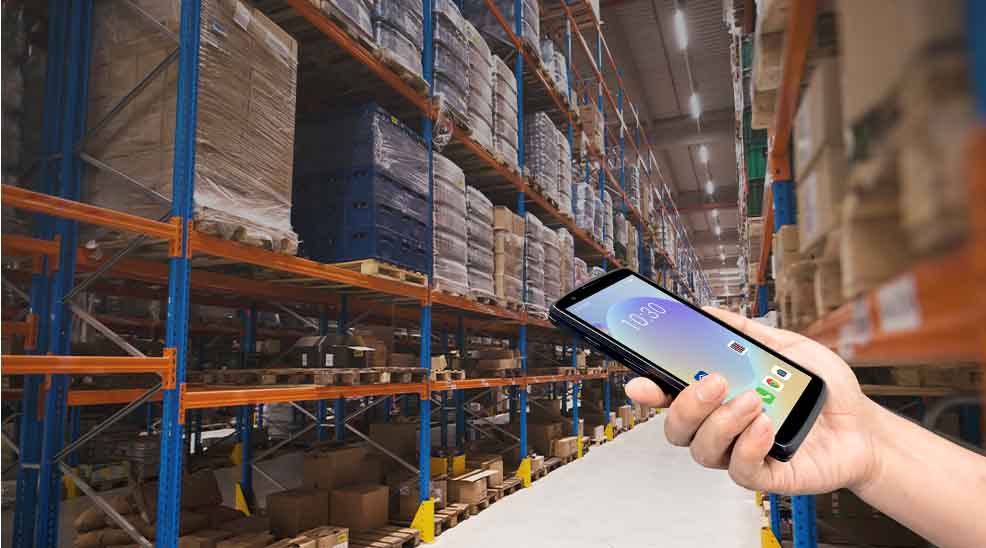
Before diving into Android, it's worth understanding the value of the industrial handheld computer itself (also called a rugged handheld terminal or industrial PDA). It's far more than a barcode scanner — it's a mobile computing hub that captures, processes, transmits, and displays data in real time.
Real-time data for faster decisions: Collect and sync data across receiving, storage, picking, sorting, and shipping — eliminating information silos.
Standardized processes to cut costs and boost efficiency: Guide workers through preset task instructions, reduce errors, and improve speed and accuracy.
Asset visibility and control: Easily track pallets, racks, forklifts, and even individual items by location and status.
Built for tough environments: Designed with dust, water, and drop protection (often IP67 or MIL-STD-810H certified) for 24/7 reliability.
So among all operating systems, why does Android stand out?
2. Core Advantages: Why Choose Android Industrial Handheld Terminals?
Going with Android isn't just about following trends — its ecosystem and features align perfectly with the upgrade needs of modern warehouse operations.
2.1 Open Platform & Rich App Ecosystem
Unlike closed, proprietary systems, Android's openness gives you unlimited possibilities. Warehouses can choose or develop WMS, TMS, EAM, and other apps from a massive global app marketplace — or build custom solutions tailored to their exact needs. That means greater business agility, flexibility, and lower development costs.
2.2 Lower Training Costs, Faster Onboarding
Most workers already know how to use Android. Intuitive icons, gesture controls, and familiar app logic mean new hires can start working with little to no training — dramatically reducing onboarding time and the errors that come from unfamiliarity.
2.3 Powerful Hardware & Performance
Modern Android industrial handhelds pack multi-core processors, ample RAM, and high-res touchscreens. They run complex warehouse management apps smoothly, handling simultaneous scanning, navigation, and communication software without lag.
2.4 Excellent Connectivity & Integration
With support for 4G/5G, Wi-Fi 6, Bluetooth 5.0, GPS/Beidou, and more, these devices maintain stable connections even in challenging warehouse environments — like areas dense with metal shelving — enabling seamless real-time data transmission.
2.5 Enterprise-Grade Management
Through solutions like Android Enterprise, IT admins can remotely deploy apps in bulk, configure policies uniformly, lock device functions (e.g., allow only designated warehouse apps), and push secure system updates — enabling efficient device lifecycle management.
2.6 Future-Ready Scalability
As IoT, AI, and AR technologies gain traction in warehousing, Android makes it easier to integrate these cutting-edge capabilities, protecting your investment from rapid obsolescence.
3. Key Selection Factors: Your Must-Check List
With so many Android industrial PDAs and warehouse handheld scanners on the market, how do you make the right choice? Here's your checklist:
Ruggedness: Check the ingress protection rating (e.g., IP65 for dust/water resistance, IP67 for immersion) and military-grade drop standards (e.g., MIL-STD-810H). This is the foundation for long-term reliability in warehouse environments.
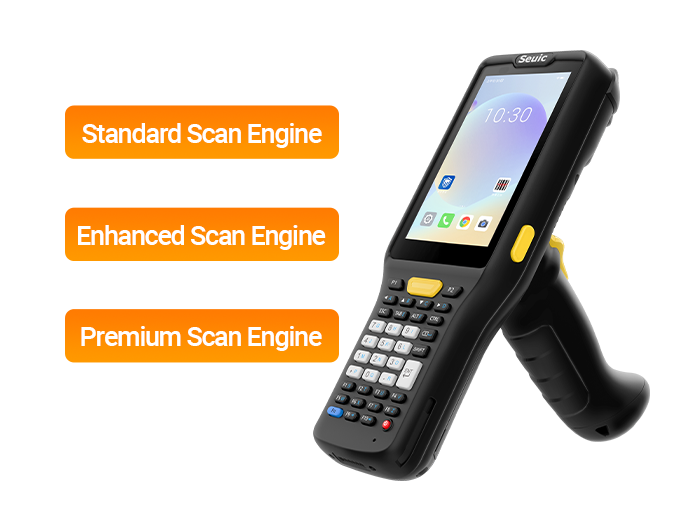
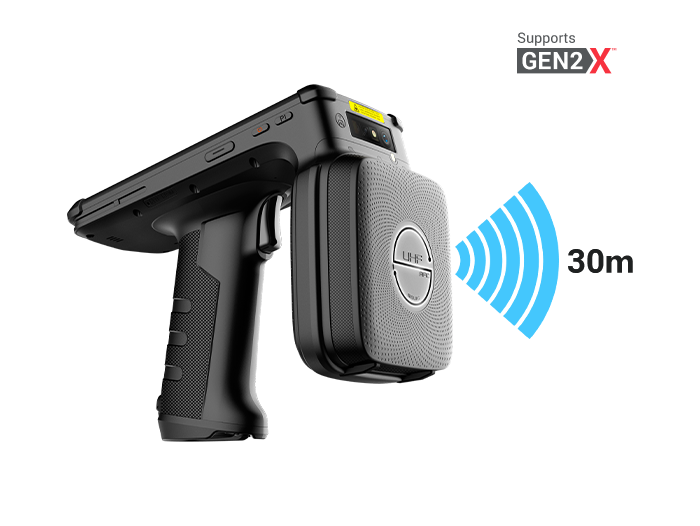
Data Capture Capability: Choose 1D/2D barcode scanning engines (for dense, screen-displayed, or damaged barcodes) or UHF RFID modules based on your needs. Superior scan performance directly drives efficiency.
Battery & Runtime: Consider battery capacity and hot-swap capability (allowing battery changes without powering down) — critical for shift work or continuous operations.
Display & Usability: Screen size, brightness (outdoor readability), and touch sensitivity (glove and wet-hand support) directly impact the user experience.
Network & Positioning: Ensure support for adequate 4G/5G bands, dual-band Wi-Fi, and high-precision GPS/Beidou for seamless indoor/outdoor positioning.
4. Industry Application Scenarios at a Glance
Receiving & Putaway: Scan receiving documents and product barcodes, update inventory in real time, and guide items to optimal storage locations.
Inventory Counting: Perform fast full or cycle counts using high-speed barcode scanning, achieving 99.9%+ accuracy.
Picking: Use voice picking or screen-guided optimization to simplify workflows and improve picking efficiency and accuracy.
Outbound Verification & Loading: Match outbound orders against physical goods, scan during loading, and enable shipment visibility.
Internal Transfers & Replenishment: Execute internal moves and location replenishment based on system instructions, ensuring optimal stock allocation.
5. Recommended Solution: CRUISE2 Android Handheld Computer
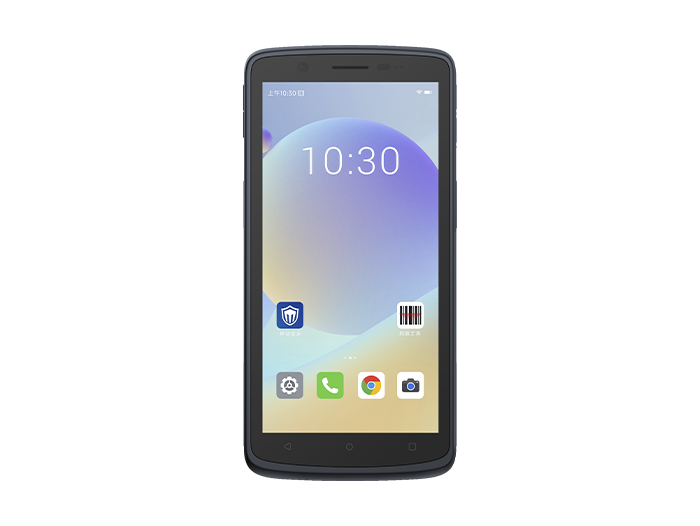
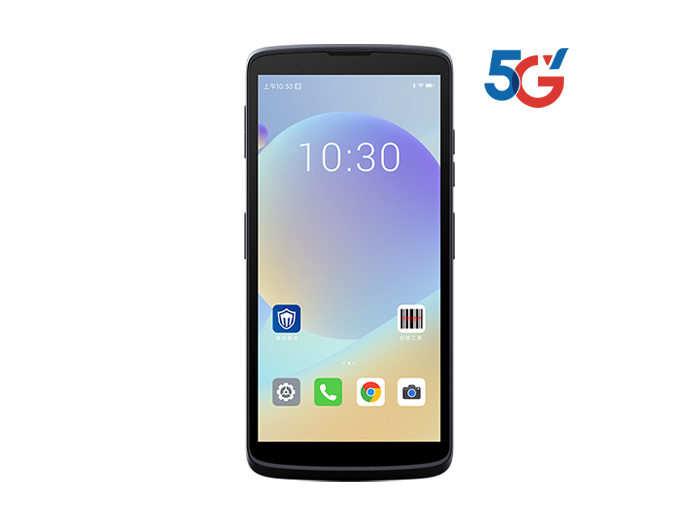
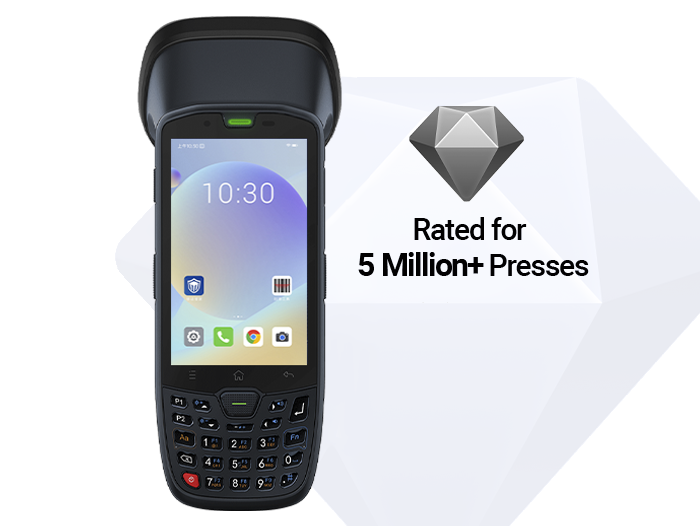
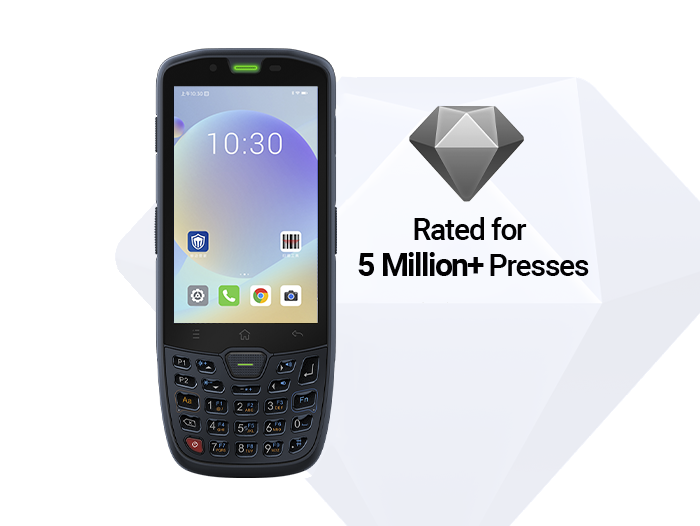
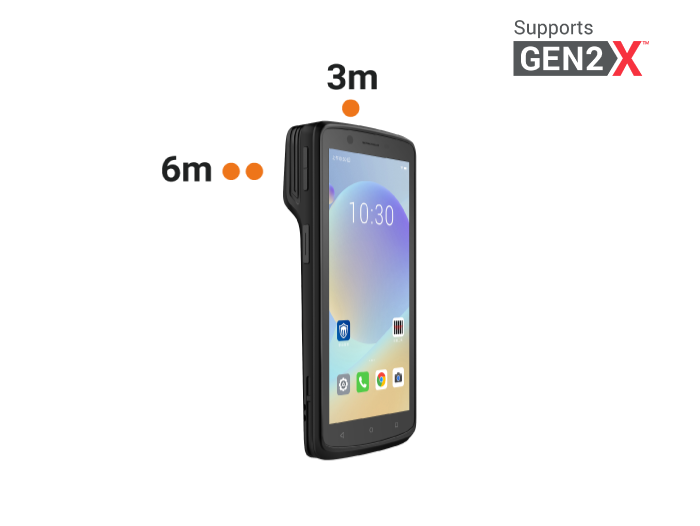
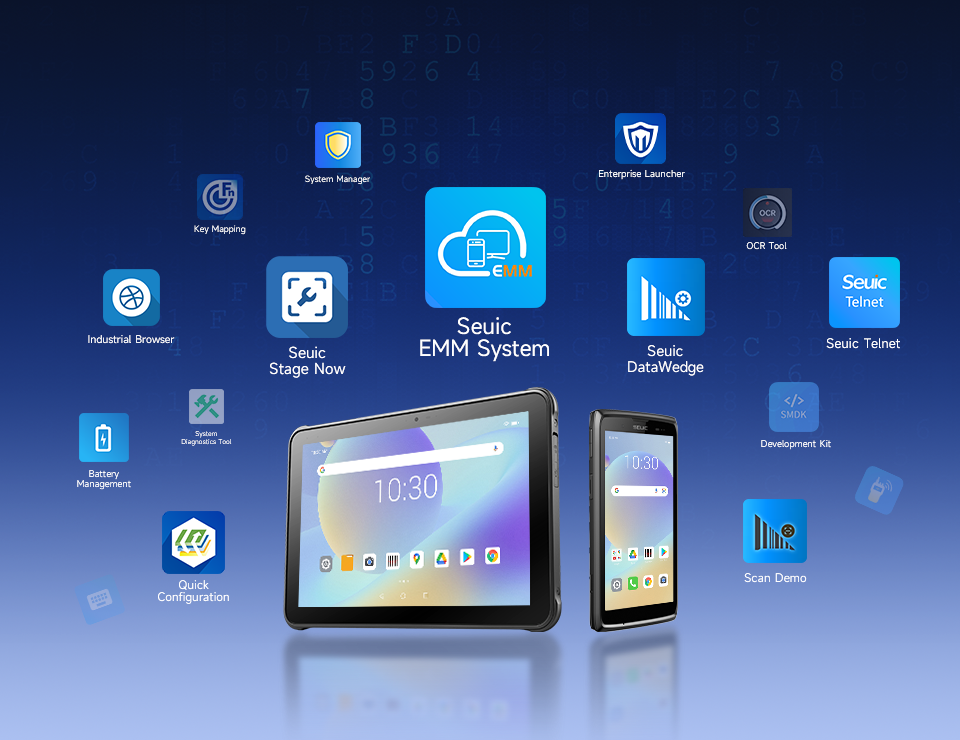
Designed to address enterprise warehousing pain points, SEUIC's CRUISE2 Android industrial handheld computer is more than just a rugged PDA. It's a mobile computing platform purpose-built for the full warehouse workflow — from receiving and putaway to picking, sorting, and outbound loading.
AI-Powered High-Speed Scan Engine: Featuring SEUIC's AI Scan technology, it reaches scan speeds of up to 4.4 m/s and accurately reads damaged, reflective, or dense barcodes. On the receiving and putaway floor, that means faster data capture and fewer repeat scans.
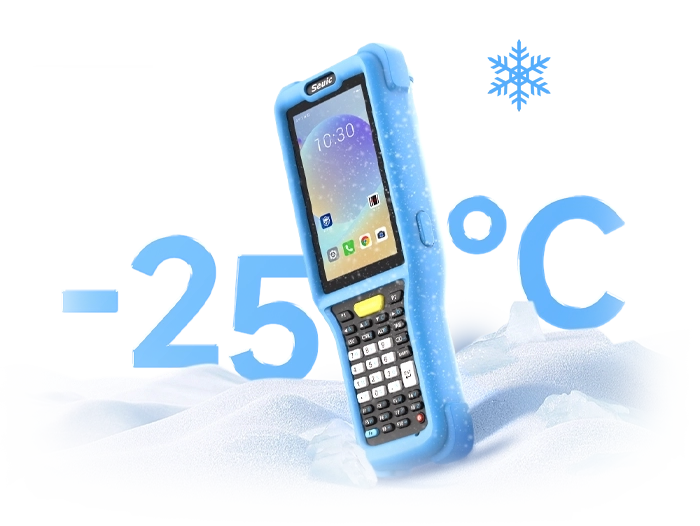
Industrial-Grade Protection: IP68 dust/water resistance + 1.5m drop tolerance. It handles shelf falls, warehouse dust, cold chain condensation, and other harsh conditions — keeping operations running 24/7.
Long Battery Life + Hot-Swappable Battery: The 5000mAh rechargeable battery powers a full shift, while the hot-swap design lets operators change batteries without shutting down — critical during peak seasons or year-end inventory.
Enterprise-Grade Connectivity: Supports 5G, Wi-Fi 6E, and dual-band GPS/Beidou. Even in dense metal shelving areas, it maintains stable connections and syncs WMS data in real time, eliminating information lag.
Familiar Android Experience: Runs Android 11/14 with an FHD Incell display and supports glove touch. New hires can grasp basic operations in minutes, cutting training from days to hours.
Choosing the right Android industrial handheld computer means choosing an open, intelligent, efficient, and future-ready mobile productivity platform for your warehouse operations. It breaks through the limitations of traditional devices, combining consumer-grade ease of use with industrial-grade reliability — directly empowering every frontline worker and driving a qualitative leap in overall operational efficiency.
In the wave of digital transformation, upgrading your warehouse handheld scanner isn't just about replacing a device — it's about upgrading your warehouse's "nervous system." From real-time data insights to seamless workflows, investing in the right Android industrial handheld terminal is a key step toward sharper competitiveness, lower costs, and leaner management.
SEUIC data capture terminals have been deployed across eight core industries — including manufacturing, retail, logistics, healthcare, and public utilities — empowering over 1,000 major projects. Whether it's optimizing production line efficiency at top-tier factories, customizing terminals for logistics couriers, or equipping hospitals with mobile nursing devices, SEUIC delivers precise, scenario-specific solutions that help enterprises reduce costs and improve efficiency.
Related News
-
Portable Barcode Scanner Buying Guide
Product Updates | 2026.09.22Learn More
-
What Is RFID Meaning? Definition & Common Beginner Misconceptions
Product Updates | 2026.09.21Learn More
-
What Is RFID? A Complete Guide to Radio Frequency Identification: Definition, Working Principle & Applications
Product Updates | 2026.09.21Learn More
-
2D Barcode Scanner for Automotive DPM Traceability
Product Updates | 2026.09.20Learn More