





India RFID Supplier Selection: Industrial Procurement & Audit Guide
India's RFID market is neither a pure import market nor a fully localized one — it sits at the intersection of global hardware, local manufacturing, and strict compliance requirements. Factory managers, warehouse operators, pharmaceutical compliance officers, and utility asset managers often get stuck on three things: frequency compliance, local content, and system integration. This guide is written for industrial procurement decision-makers. It layers RFID suppliers in India by capability, provides scenario matching logic, and delivers a practical RFID vendor evaluation checklist — helping you move from "buying equipment" to "building a traceable asset network."

1. Three Baselines Before You Source (India Market Prerequisites)
Before contacting any Indian RFID manufacturers, lock in these three non-negotiables:
1.1 Frequency and Wireless Compliance: 865–868 MHz UHF, WPC ETA Is Mandatory
India's UHF RFID operates primarily in the 865–868 MHz license-exempt band. But every wireless transmitting device — readers, handhelds, portals — must obtain WPC ETA (Wireless Planning & Coordination — Equipment Type Approval). The ETA certificate holder must be an India-registered entity. Imported devices without ETA cannot be legally deployed.
1.2 Hardware Access: BIS and "Make in India" Local Content
Government projects, public sector undertakings, and utility procurements often require BIS-related compliance and a local manufacturing declaration. Even if you use a foreign brand, you need to confirm: Is the unit assembled in India? Are spare parts stocked locally? Can you issue a Local Content certificate?
1.3 System Standards: GS1 / EPC Gen2 / ISO 18000-6C Must Be Unified Upfront
Tag encoding (SGTIN, SSCC), data models, and middleware deduplication logic must be standardized at the RFP stage. Otherwise, MES/WMS/ERP integration later becomes a nightmare of "each supplier runs their own private protocol."
One-liner baseline: Compliance first, then performance. Standards first, then features.
2. Four Types of RFID Suppliers in India (By Capability Layer)
In industrial procurement, "RFID supplier" actually covers four distinct roles. Comparing prices across them will lead to trouble.
2.1 Tag & Inlay Manufacturing / Conversion Layer
Handles chip packaging, inlay lamination, printing, and on-metal / on-liquid encapsulation.
Representative players:
Syrma SGS: India-based electronics manufacturing, covering RFID hardware assembly
Britannia RFID: Apparel tag manufacturing facility in Tamil Nadu
Global tag producers with India capacity
Capability checkpoints: Custom encapsulation for your industry (soft garment tags, hard on-metal tags, high-temperature/outdoor tags), batch consistency, GS1 encoding and print binding
Procurement tip: Request samples and run "mount-and-test" trials — measure read rates separately on metal surfaces, near liquids, and in dense stacking conditions
2.2 Reader & Hardware OEM Layer
Identium (New Delhi)
Products: 865–868 MHz fixed, handheld, and portal readers
Compliance: Self-developed and manufactured, targeting WPC ETA + BIS scenarios
Strength: Fast local R&D response, suited for government/industrial customization
ETS RFID (Eco Track Systems)
Products: UHF fixed/handheld readers, antennas, all-in-one portals based on Impinj platforms
Positioning: Made-in-India readers with antenna pairing
Strength: Regional SKU locking, reader + antenna bundling, Impinj ecosystem compatibility
International Brands Operating in India
Zebra, Honeywell: Global hardware + India service network, suitable for multinational retail/logistics/manufacturing clients
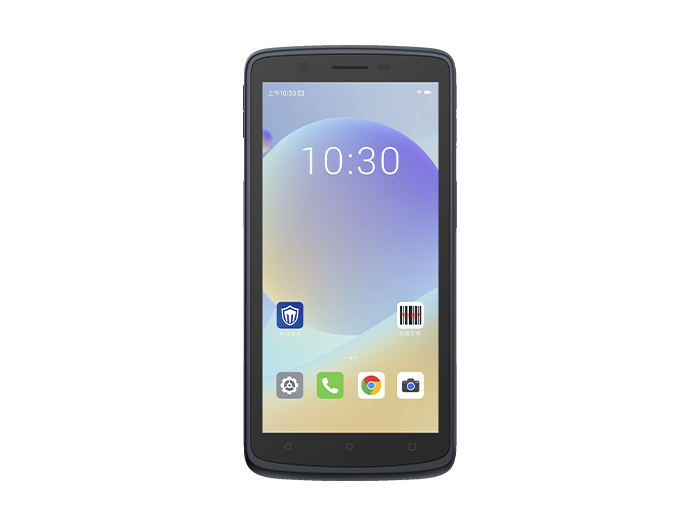
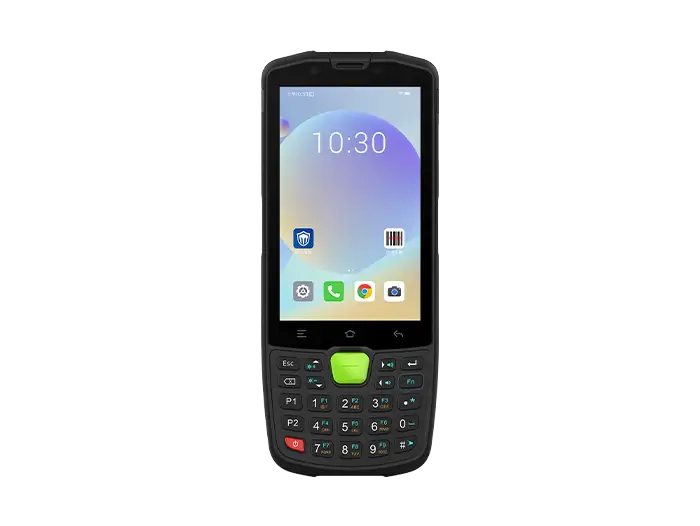
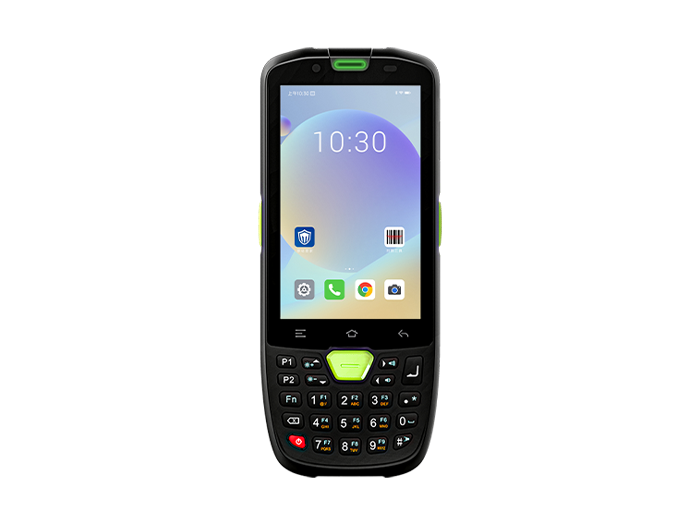
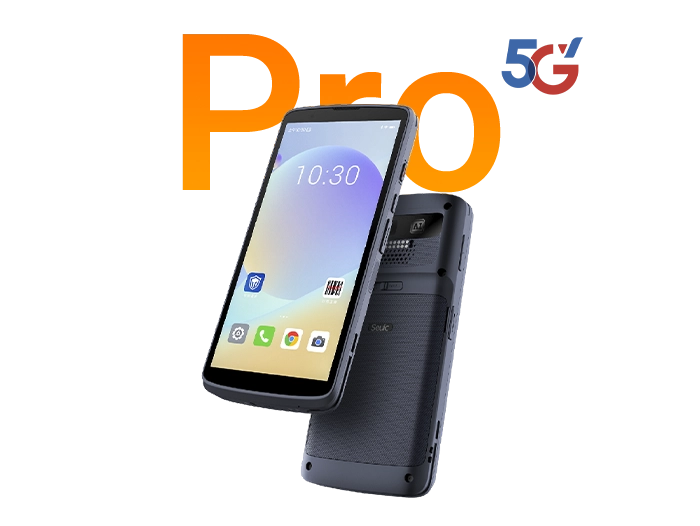
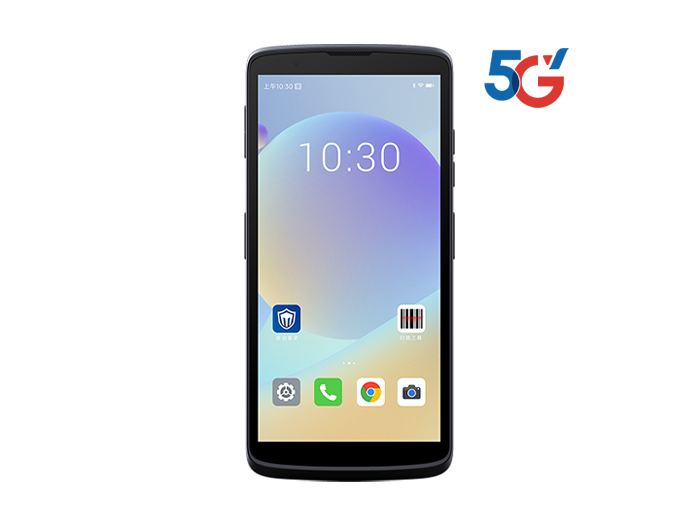
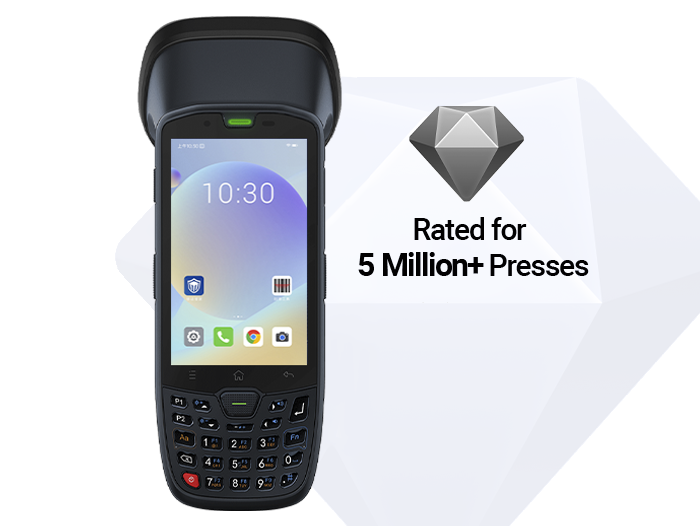
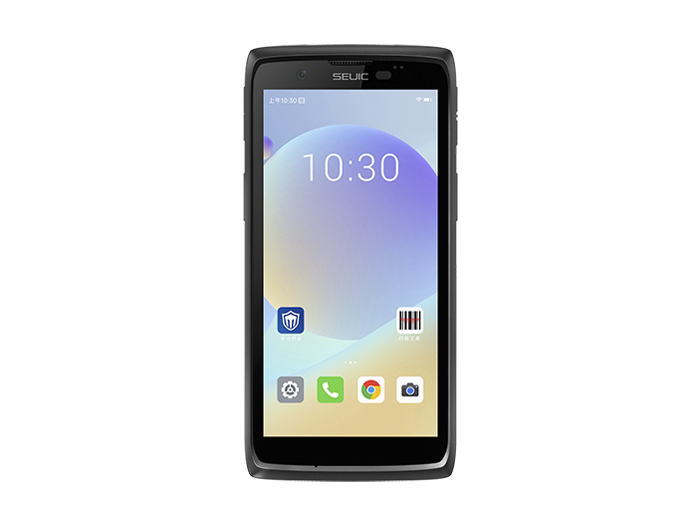
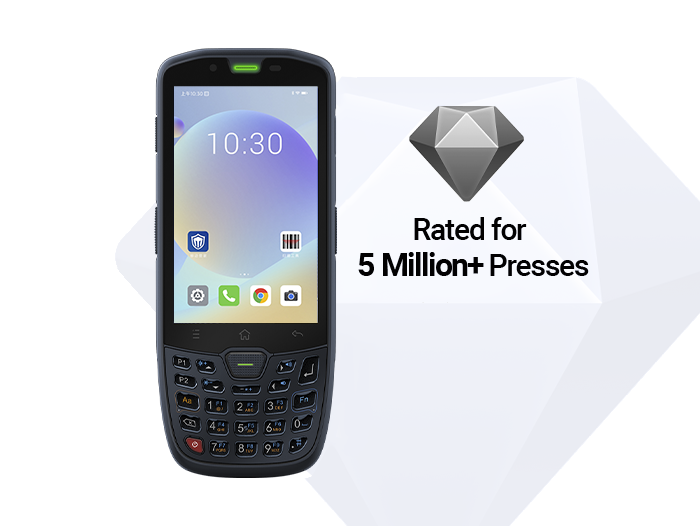
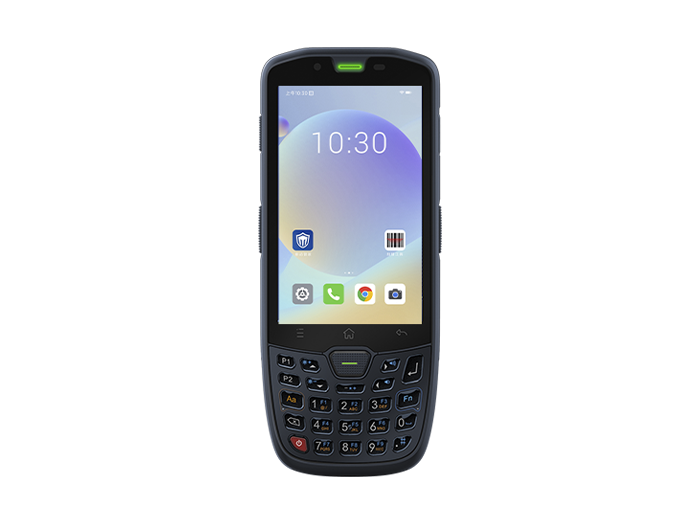
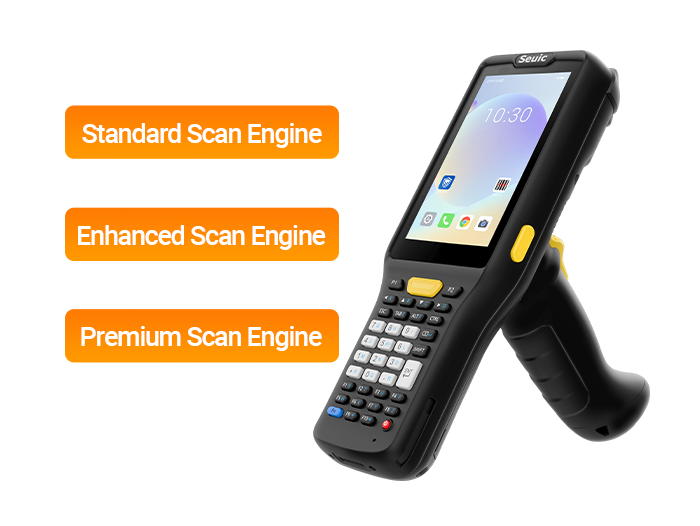
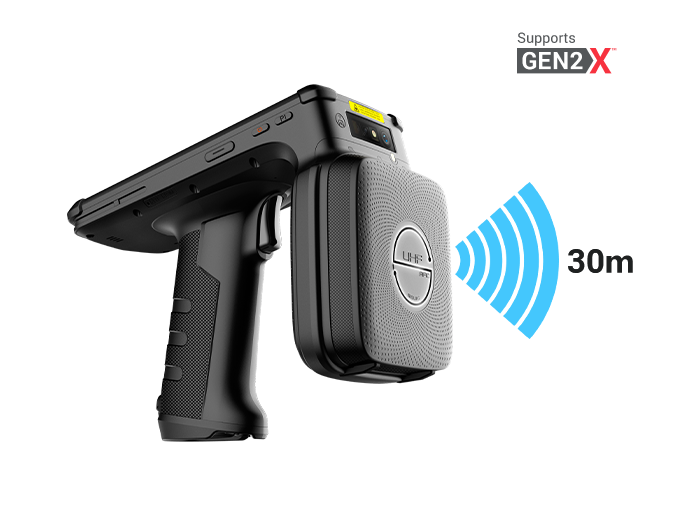
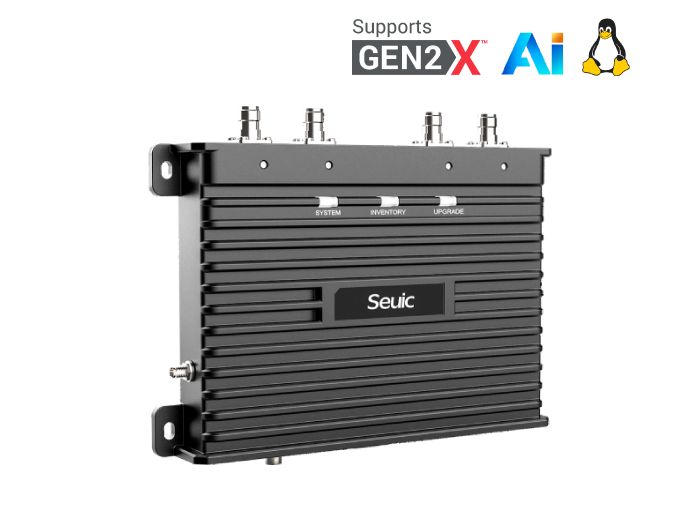
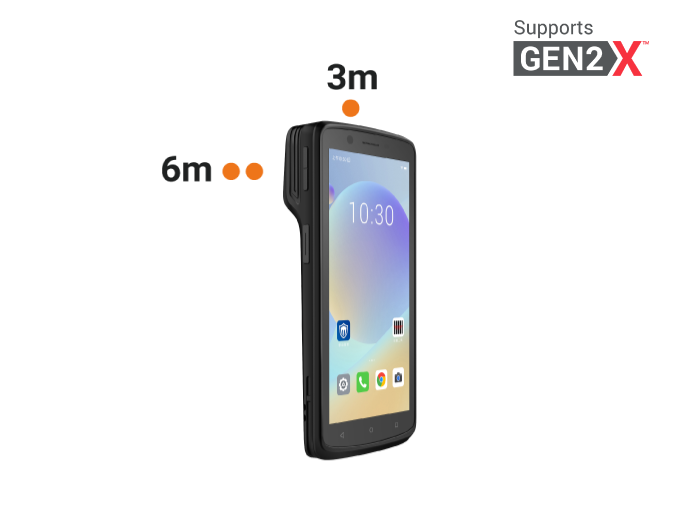
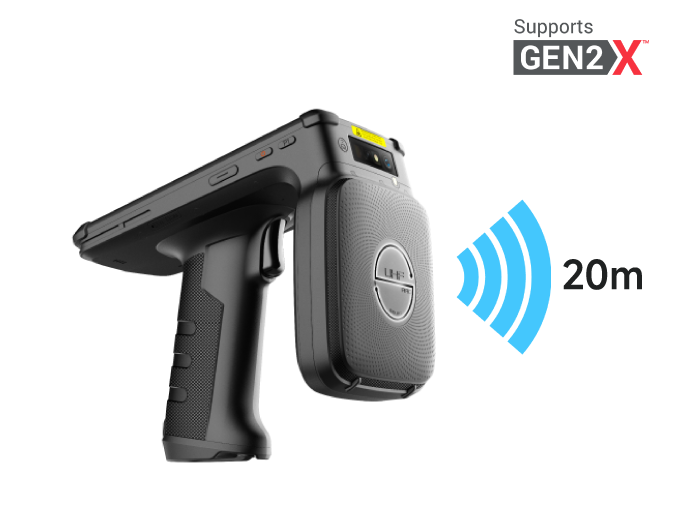
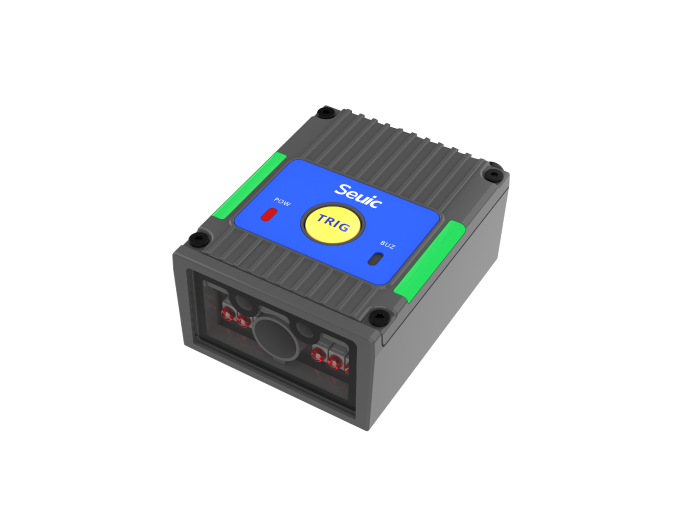
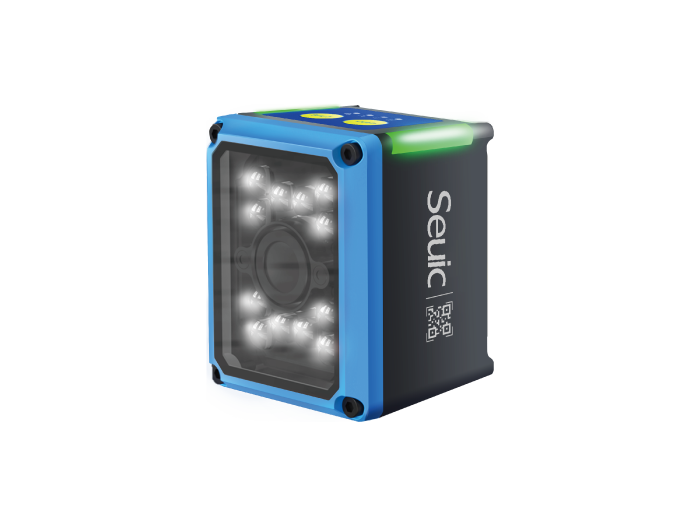
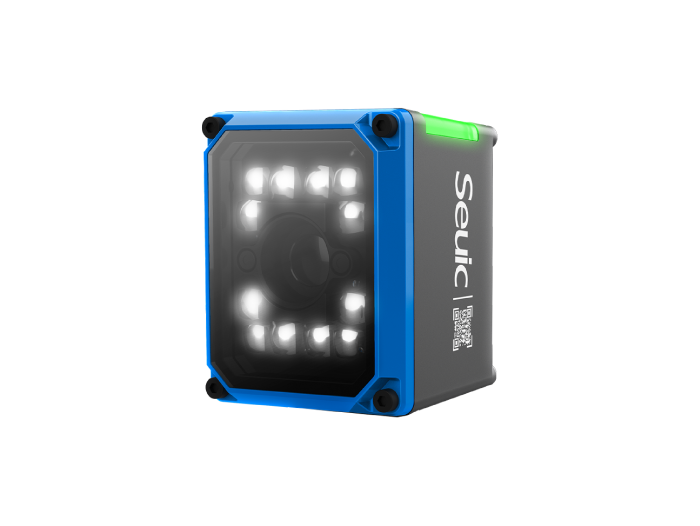
Seuic: Industrial-grade UHF RFID with long-range bulk read, barcode + NFC convergence, ideal for warehouse inventory
Hardware layer checkpoints: Regional SKU locking, SDK openness, antenna pairing capability, spare parts inventory cycle
2.3 System Integrator & Middleware Layer
These players don't make hardware brands, but they determine project success or failure:
Edge middleware: Read deduplication, Q-value/session tuning, anomaly tag filtering
System integration: MES, WMS, ERP (SAP/Oracle/local ERP), GST connectivity
Data layer: Audit logs, batch binding, serialization (pharmaceutical UDI / SGTIN)
Core selection principle: Don't ask "who is cheaper." Ask "who understands your business fields."
2.4 Turnkey Solution Partners
Packages tags + readers + middleware + implementation + annual maintenance. Best suited for hospitals, government agencies, and retail chains that don't have dedicated in-house RFID teams.
3. Matching Supplier Types by Industrial Scenario
Different scenarios call for completely different supplier combinations.
Scenario 1: Automotive / Electronics Manufacturing — WIP & RTI Container Tracking
Requirements: Production line portals + forklift readers + returnable container (RTI) lifecycle management
Recommended combination:
Fixed readers (Identium / ETS / Zebra)
On-metal hard tags (Omni-ID / Syrma on-metal tags)
Edge middleware feeding MES
Key metrics: IATF 16949 traceability fields, on-metal read rate, MES write-back latency < 1 second
Scenario 2: Warehouse Receiving / Shipping — Portal Bulk Read
Requirements: Dock portal reads entire pallet in one pass, no missed reads
Recommended combination:
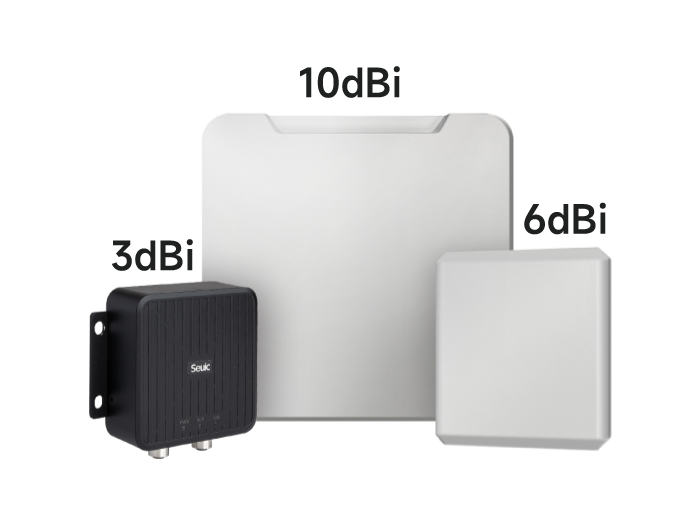
4-port fixed reader + directional antennas (dual antennas eliminate blind spots)
Deduplication middleware (by SSCC / EPC Report)
Key tuning points: Antenna angle, Q value, session configuration, "read confirmed" handshake with WMS
Scenario 3: High-Bay Rack Inventory & Outdoor Asset Inspection
Requirements: Long range, mobile, one-handed operation, industrial protection
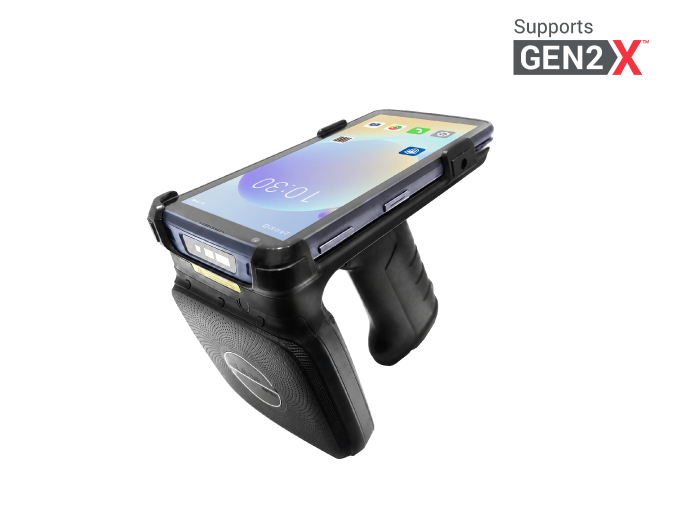
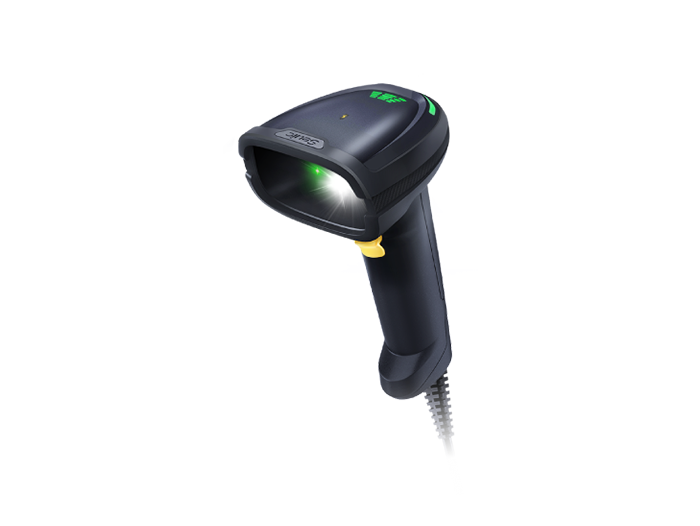
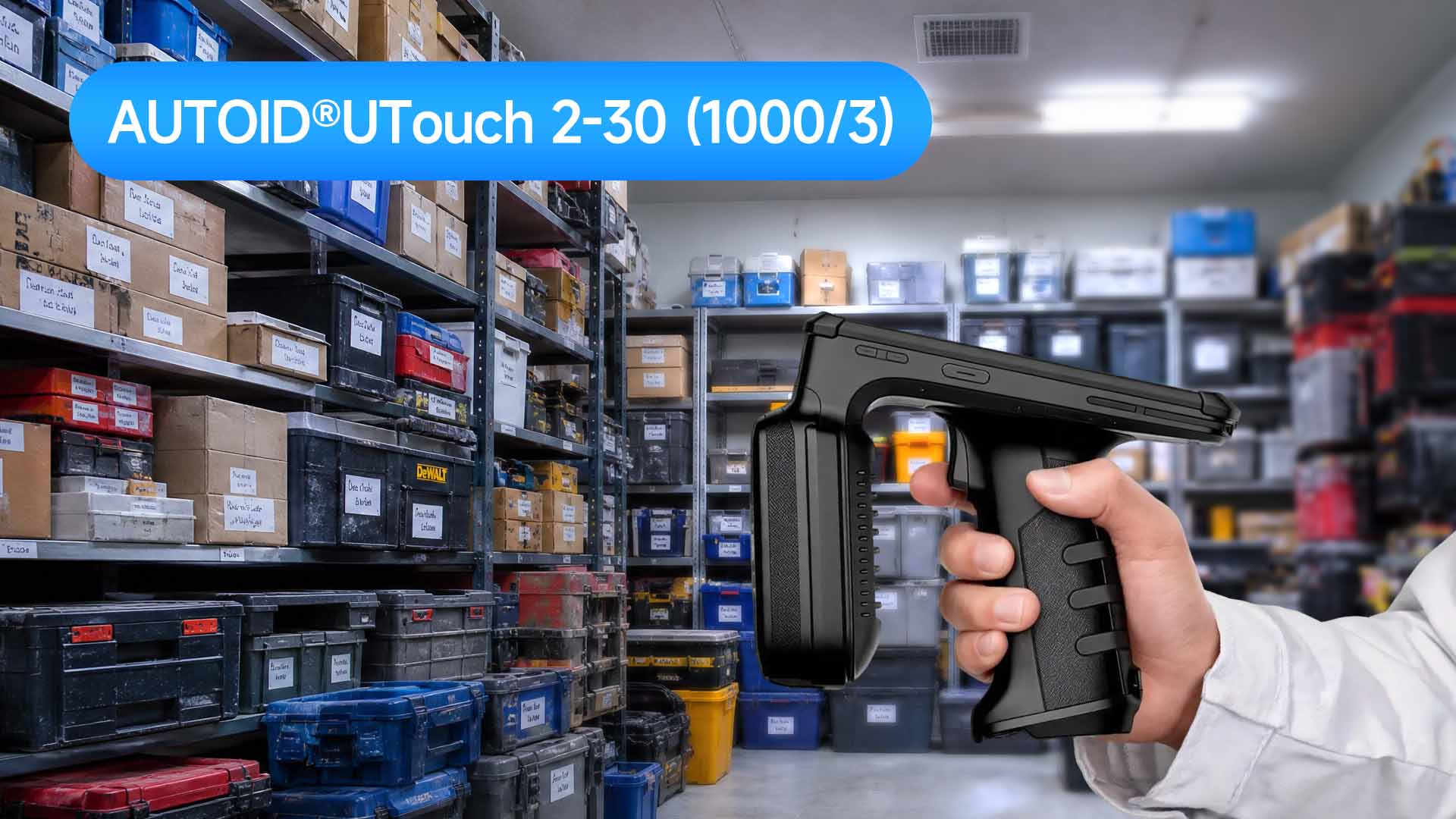
Recommended combination: Industrial UHF handheld reader
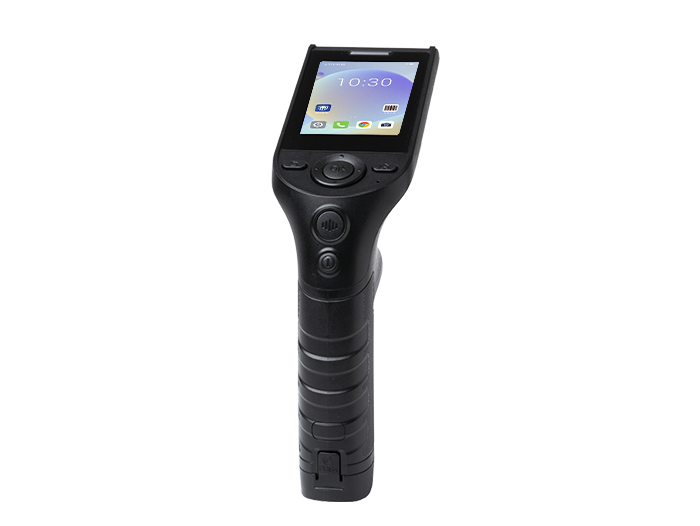
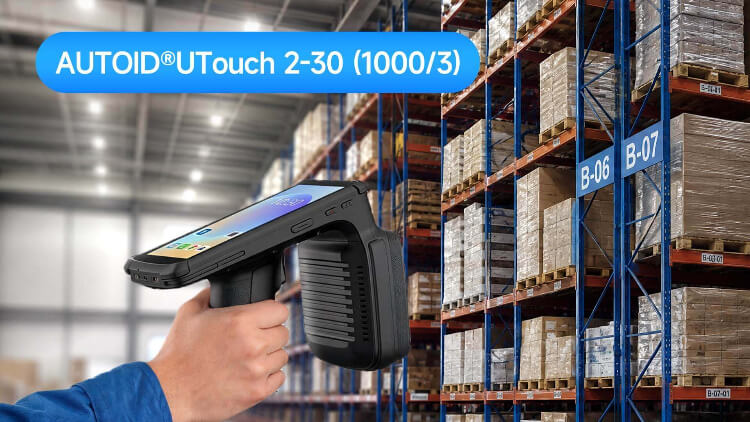
Reference device: Seuic AUTOID UTouch 2-30 (1000/3)
30-meter long-range read, bulk read of 1,000 tags
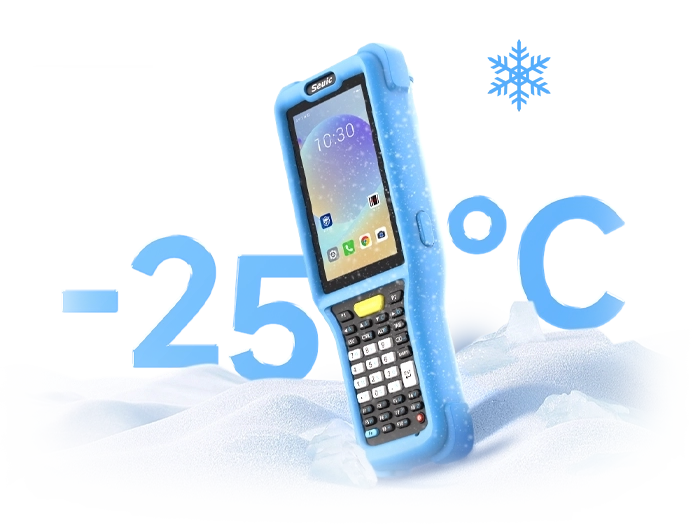
Multi-polarization recognition, IP67, hot-swappable battery, EMM batch management
Use cases: Power grid / water / gas inspection, outdoor asset annual audit, ground-level high-bay rack inventory
Scenario 4: Pharmaceutical / Food Compliance Traceability
Requirements: Serialization, anti-counterfeiting, GST integration
Recommended combination: Tag converter + SI middleware + ERP direct connection
Key checkpoints: GS1 SGTIN encoding, batch binding, immutable audit logs, support for drug/food recall simulation
Scenario 5: Government / Public Utility Assets & Archives
Requirements: Asset annual audit, file location tracking, low frequency but high accuracy
Recommended combination: Local SI + handheld + lightweight middleware
Key checkpoints: Government procurement compliance, Make in India local content declaration, offline inventory + scheduled sync
4. Supplier Audit Checklist (7 Hard Indicators)
Score each indicator from 1 to 5. Eliminate any supplier scoring below 28.
| No. | Indicator | Audit Checkpoint |
| 1 | Compliance Certification | WPC ETA certificate number, BIS status, frequency band declaration (865–868 MHz) |
| 2 | Local Capability | India-registered entity, spare parts warehouse, on-site service SLA |
| 3 | Hardware Verifiability | Provide demo units for on-site PoC — not just spec sheets |
| 4 | Tag Field Test Report | Three sets of data: on-metal / near-liquid / dense stacking, including missed read rate |
| 5 | SDK / API Openness | REST / MQTT / WebSocket interface documentation — is the protocol locked? |
| 6 | Industry References | At least 2 visitable client references in the same scenario (manufacturing / pharma / warehousing / utility) |
| 7 | Total Cost of Ownership (TCO) | Includes tag wastage, spare parts, annual maintenance, middleware licensing — not just unit price |
Common trap: Suppliers pitch "maximum read range" as a selling point but never guarantee missed read rates in dense environments. Your PoC must include live product testing.
5. RFP Template & Procurement Decision Framework
Minimum Viable RFP Structure (Ready to Copy)
5.1 Project background and deployment locations (production line / portal / racking / outdoor)
5.2 Tag volume and encapsulation requirements (on-metal? removable? printable?)
5.3 Compliance requirements (WPC ETA / BIS / Make in India declaration)
5.4 System integration list (MES / WMS / ERP / GS1 encoding rules)
5.5 PoC requirements (scenario, timeline, acceptance read rate threshold)
5.6 Service SLA (response time, spare parts cycle, annual maintenance scope)
5.7 Commercial terms (TCO breakdown, training, knowledge transfer)
6. Decision Framework: Three-Layer Filter
Layer 1 — Compliance filter: No ETA or BIS? Eliminate immediately.
Layer 2 — Scenario match: Use the 5-scenario framework above to assess combination capability. Don't fall for "we can do everything."
Layer 3 — Evolvability: Is the SDK open? Are tag encoding standards established? Can the solution scale from one warehouse to multiple warehouses / factories?
Procurement is not about picking the "strongest hardware." It's about choosing an architecture you won't need to redo in three years.
For industrial RFID in India, supplier selection is essentially a three-dimensional decision: compliance × scenario × system boundary. First, clarify roles by the four layers — tags, readers, integration, turnkey. Then, use scenario combinations to lock in hardware and middleware. Finally, use the 7-item audit checklist and RFP to turn vague promises into verifiable acceptance criteria. Whether it's an automotive production line, pharmaceutical traceability, or utility asset inspection, the most reliable RFID suppliers in India aren't necessarily the best-known names — they're the ones who can run a PoC with you, connect to your systems, and deliver local compliance documentation.
Which industry are you deploying RFID in across India? Feel free to contact us and share your scenario (manufacturing / warehousing / pharmaceutical / utility), and we can drill down into a specific PoC plan.
Related News
-
RFID Inventory for Beverages & Fresh Food: Handheld Reader Selection Guide
Product Updates | 2026.11.04Learn More
-

RFID Manufacturer Selection: China vs India Sourcing Decision Guide
Product Updates | 2026.11.04Learn More
-
Industrial RFID Company Selection: 5 Vendors Scenario Comparison Guide
Product Updates | 2026.11.04Learn More
-

RFID Asset Tracking: Non-Stop 20-Meter Remote Inventory for Retail Stores
Product Updates | 2026.11.04Learn More