




Best Handheld Bar Scanner for Warehouses in 2026
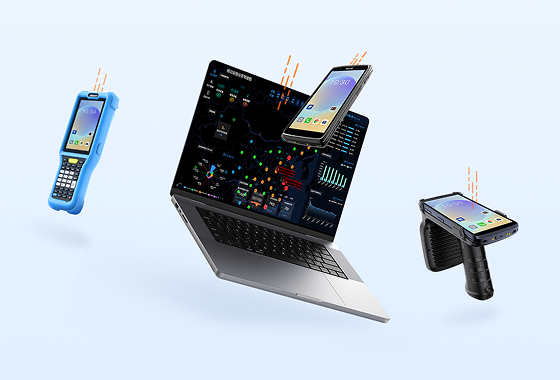
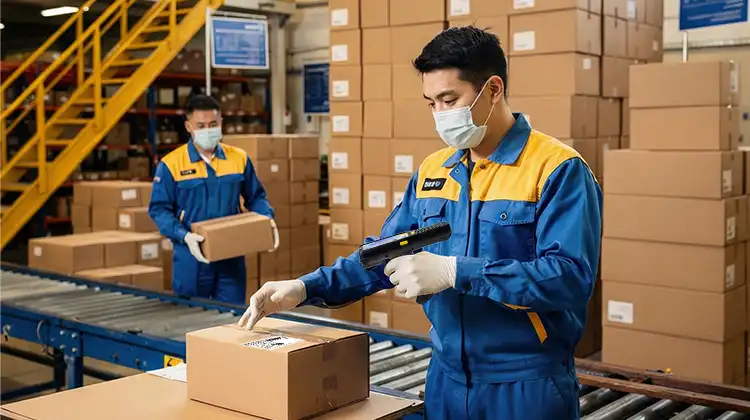
In warehouses, factories, hospital pharmacies, retail chains, and public utility sites, "scanning" is no longer just a simple data entry action. It has become a critical node that runs through the entire workflow — receiving, putaway, picking, inventory, outbound shipping, and traceability. A capable handheld bar scanner directly determines order fulfillment speed, inventory accuracy, and frontline worker fatigue.
However, faced with a market ranging from entry-level scanners costing a few hundred dollars to industrial-grade mobile data terminals (PDAs) priced at several thousand, buyers often find themselves caught in a dilemma: spend more and risk overpaying, or spend less and risk equipment that can't handle heavy-duty use. This guide, based on the 2026 market landscape, provides a practical selection framework for enterprise-level plant managers, warehouse supervisors, QC personnel, retailers, hospital pharmacy administrators, and third-party logistics (3PL) operations managers.
1. Must-Have Specs for an Enterprise-Grade Handheld Bar Scanner
Industrial environments are nothing like retail checkout counters. Forklifts moving around, dust and moisture, high racks, damaged and wrinkled labels, cold storage, and extended continuous operation — these are all conditions that consumer-grade devices simply cannot handle. When selecting an enterprise-grade handheld bar scanner in 2026, focus on the following dimensions:
1.1 Scanning Performance and Barcode Adaptability
Scan Range: Ground-level picking and high-rack inventory have different requirements. Standard short-range scan engines work fine for desk-level receiving, but high racks often require 15-30 meter long-range scanning capability to eliminate the need for climbing or frequent repositioning.
Decoding Ability: The ability to reliably read damaged, dirty, wrinkled, low-contrast, and high-density "problem barcodes" is the key differentiator between an industrial-grade scan engine and a consumer-grade one.
1D/2D Compatibility: By 2026, the vast majority of enterprise applications already require 2D imager scan engines that are compatible with both 1D and 2D barcodes, including screen codes.
1.2 Industrial Protection Rating
IP Rating: Warehouse environments are dusty and humid. A minimum of IP65 (dust-tight + protected against water jets) is recommended. Cold storage or outdoor operations call for IP68.
Drop Resistance: Industrial-grade devices should withstand multiple drops from 1.5 to 2 meters or higher onto concrete.
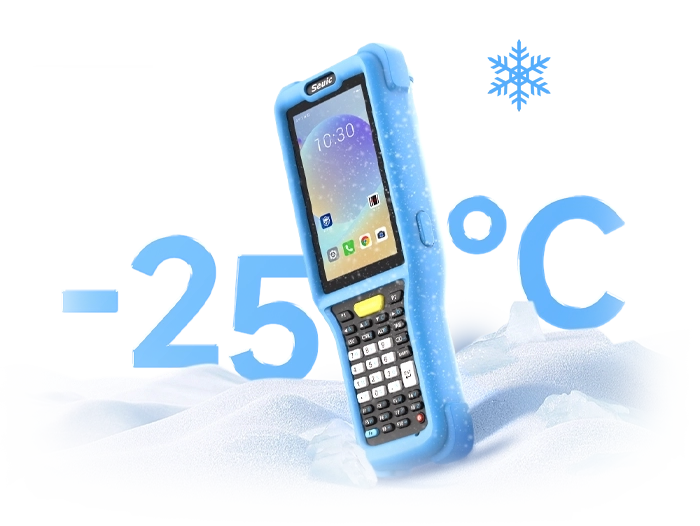
Operating Temperature: For standard warehouses, -20°C to 50°C is the baseline. Cold storage versions must support temperatures below -30°C.
1.3 Battery Life and Strategy
For an 8-12 hour shift, the battery must support continuous operation without interruption.
Removable battery design is preferred, enabling hot-swapping with spare batteries. Some high-end models feature built-in 7,000mAh batteries that deliver up to 28 hours of runtime.
1.4 Connectivity and System Integration
Wi-Fi 5/6 + 4G/5G full-network support is standard for enterprise-grade PDAs in 2026, ensuring real-time data upload to WMS/ERP systems even in blind spots, outdoor, and vehicle-mounted scenarios.
Bluetooth 5.0 or higher, supporting external printers, headsets, and other peripherals.
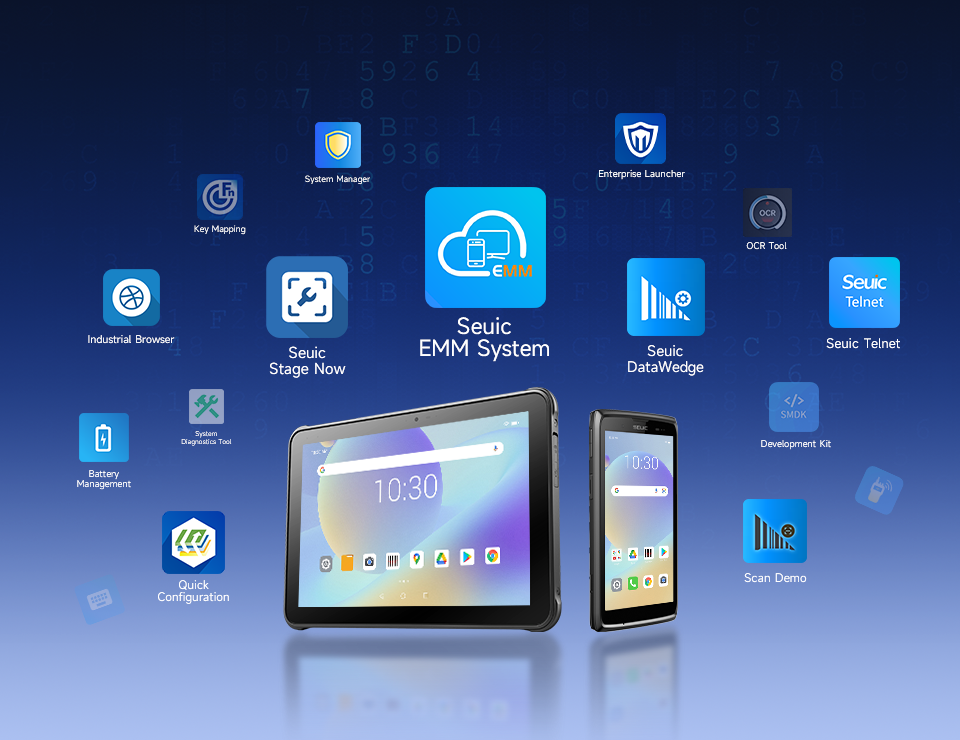
Whether an open SDK is provided or middleware is pre-installed directly affects the cost of integration with existing WMS/ERP systems.
1.5 Ergonomics and Accessory Ecosystem
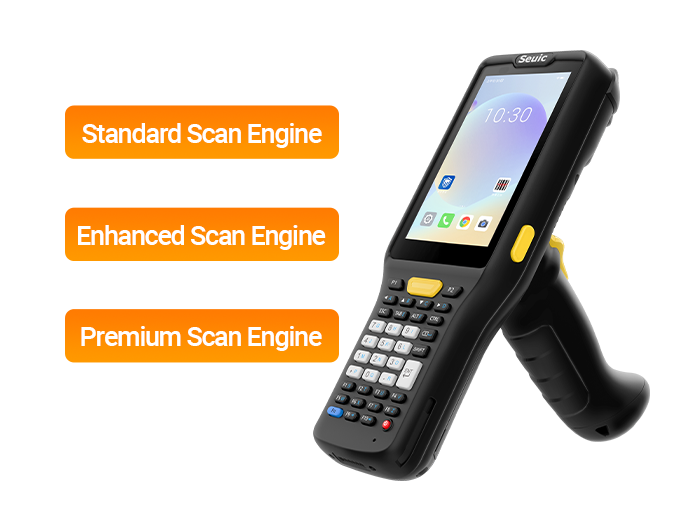
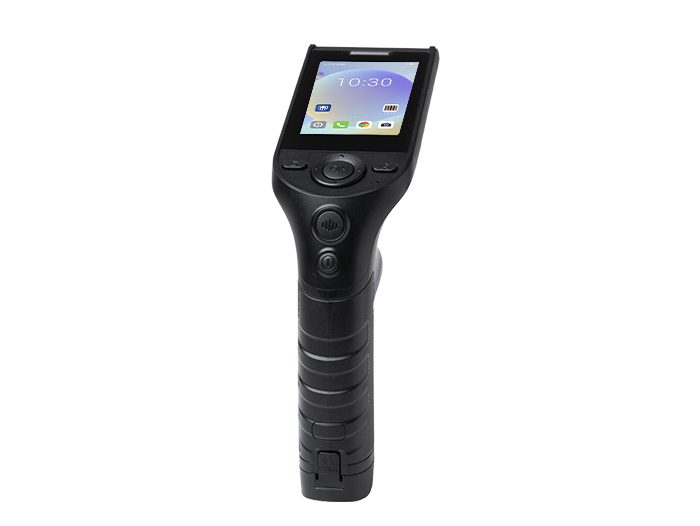
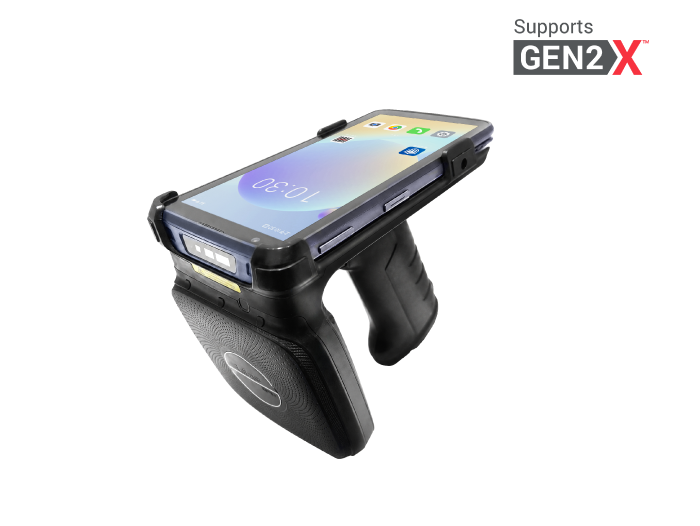
A pistol grip accessory can significantly reduce hand fatigue during extended trigger use.
The availability of multi-slot chargers, spare batteries, holsters, and other accessories determines operational efficiency after bulk deployment.
2. In-Depth Review of Three Representative Products in 2026
2.1 Seuic AUTOID Q7-(Grip): The Top Choice for Long-Range Scanning
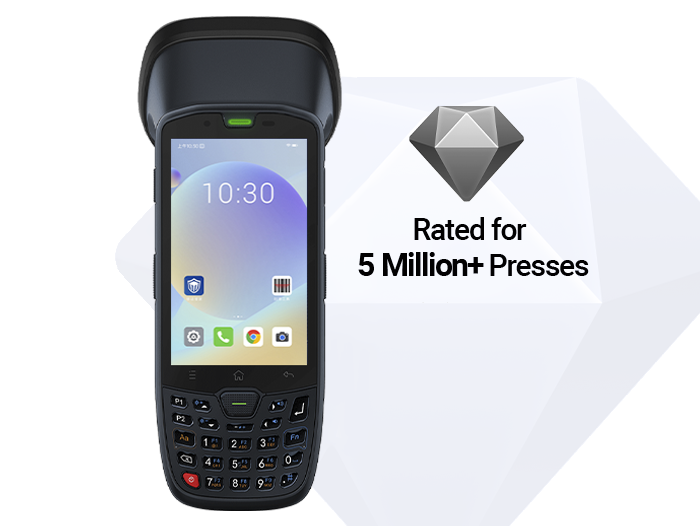
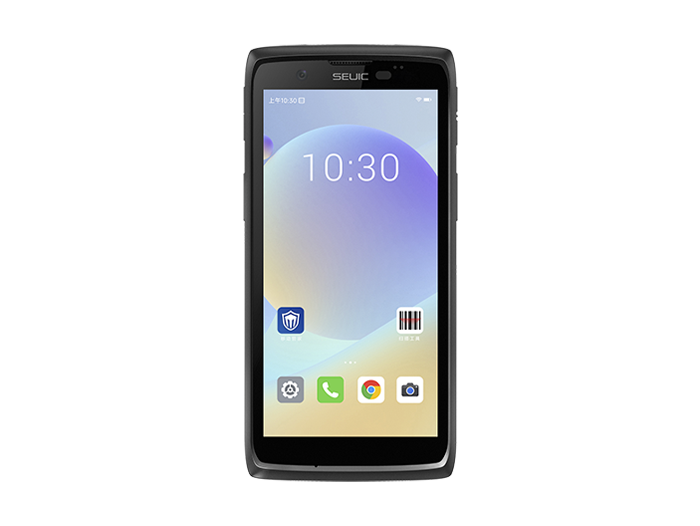
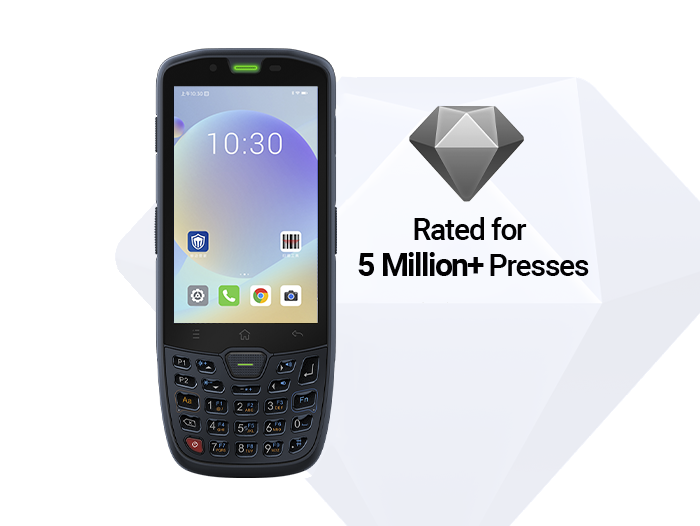
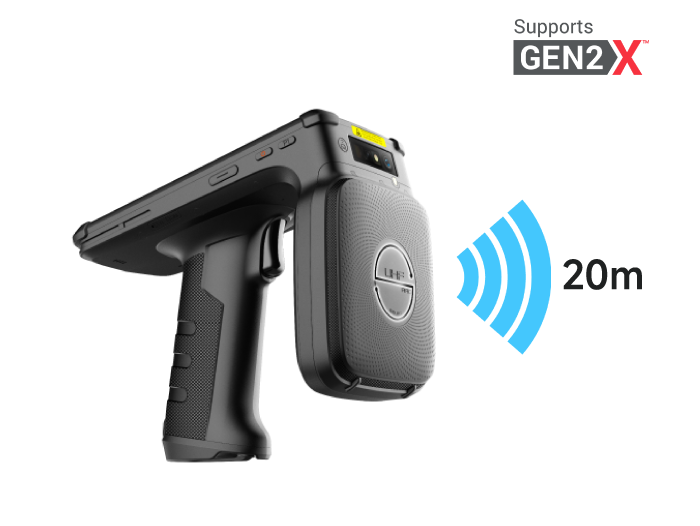
The Seuic AUTOID Q7-(Grip) is an industrial-grade handheld mobile terminal purpose-built for professional warehousing applications.
Core Specs:
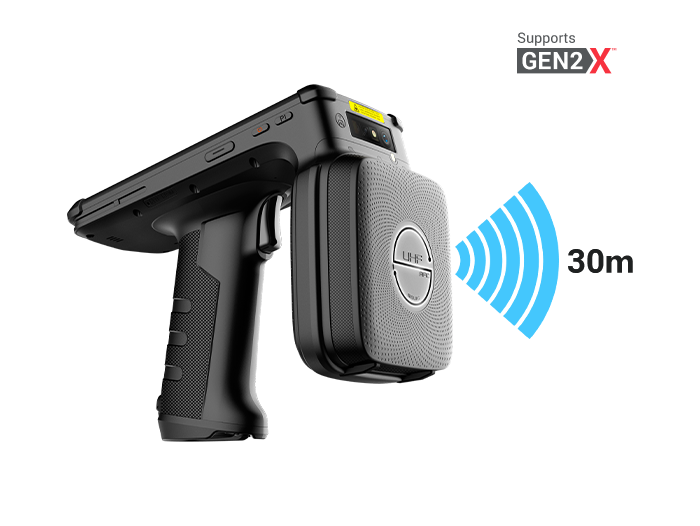
Scan Range: Supports short, medium, and long-range 2D scanning, reaching up to 30 meters — the strongest long-range capability among the three
Protection: IP65 sealed, withstands 2-meter drops onto concrete
Battery: 5,200mAh removable lithium-ion battery, up to 14 hours of runtime
Platform: Qualcomm octa-core 2.0GHz, Android 14, 4GB RAM + 64GB ROM
Form Factor: Straight design with optional pistol grip, total weight 513g with grip
Durability: Over 1 million units shipped globally, supports 5+ year lifecycle investment
Best For: High-rack inventory in logistics warehouses, manufacturing receiving/shipping, bulk item scanning in 3PL operations. For budget-conscious enterprises that still need industrial-grade long-range scanning, the Q7-(Grip) offers exceptional value in the 0-30 meter scan range.
2.2 Honeywell CK65: The King of Ultra-Long Battery Life and FlexRange Long Distance
The Honeywell CK65 is a rugged handheld mobile computer built on the Mobility Edge platform, optimized for warehouses and distribution centers.
Core Specs:
Scan Range: Equipped with FlexRange dual-lens architecture scan engine, seamlessly switching between 0-20 meters without manual adjustment; also available with LongRange 0-15 meters or standard distance
Battery: 7,000mAh non-removable smart battery for extended continuous operation — the strongest among the three
Protection: IP65 (some sources indicate IP65/IP68 dual certification), 1.8-meter drop resistance, MIL-STD-810H compliant; cold storage and ATEX explosion-proof versions available
Platform: Qualcomm Snapdragon octa-core 2.2GHz, Android 10 (upgradable to Android 14), 2/4GB RAM + 32GB Flash
Keyboard: Available in 51-key full alpha, 38-key functional numeric, and 30-key large numeric layouts, compatible with traditional keypad applications
Best For: The CK65 is the ideal choice for "non-stop operation" scenarios. Its 28-hour battery life means it can run across multiple shifts without battery swaps. Particularly suited for e-commerce fulfillment centers, courier sortation hubs, and large distribution centers with high-intensity mixed long-range and short-range scanning needs.
2.3 Zebra TC77: The Versatile Flagship for Retail and Field Service
The Zebra TC77 is the upgrade from the TC75/TC75X series, positioned as a mobile data terminal for "frontline employees."
Core Specs:
Display: 4.7-inch HD capacitive touchscreen (1280x720), Corning Gorilla Glass
Platform: Qualcomm Snapdragon 660 octa-core 2.2GHz, upgradable to Android 14, 4GB RAM + 32GB pSLC Flash
Connectivity: 4G full-network + Wi-Fi 5 (802.11ac) + Bluetooth, supports GPS/GLONASS/BeiDou (exclusive to TC77)
Battery: 4,620mAh PowerPrecision+ removable battery, up to 15 hours of runtime
Protection: IP65/IP68 dual certification, 1.8-meter drop across full temperature range + 2.4-meter drop at room temperature (MIL-STD-810G)
Scan Engine: SE4770 or SE4750 omnidirectional 1D/2D imager scanner
Best For: The TC77's unique positioning — "pickup and delivery proof, route planning, tracking and traceability" — makes it suitable not only for warehousing but also excels in retail, general outdoor environments, and field service.
3. Buying Tips and Cost Considerations: Don't Just Look at the Unit Price
3.1 In 2026, total cost of ownership (TCO) matters far more than the unit price when purchasing enterprise-grade handheld bar scanners
| Device Type | 2026 Price Range (USD) | Suitable Scale |
| Wired 2D Imager Scanner | $24 - $130 | Fixed workstation, low intensity |
| Wireless Bluetooth 2D Handheld | $31 - $150 | Small to medium warehouse, retail |
| Industrial-Grade Rugged PDA (e.g., the three models above) | $850 - $2,200 | Large to medium enterprise, high intensity |
3.2 Underestimated Hidden Costs
Battery and Dock Replacement: Budget for 2-3 battery cycles over the device's lifespan, each costing 10-20% of the device price.
Software Licensing and Integration: Enterprise-grade mobile warehousing software typically costs $15-60 per device per month, or $180-720 annually. Integration with SAP, Oracle, or other ERP systems for a moderate pilot project (design + configuration + testing + go-live) runs approximately $10,000 - $40,000.
Service and Support Contracts: Annual maintenance fees usually range from 8-18% of the hardware cost, but they significantly reduce downtime losses.
3.3 Practical Purchasing Strategy for 2026
If you operate a large warehouse with high racks and long-distance barcode scanning:
→ Choose the Seuic AUTOID Q7-(Grip). Its 0-30 meter long-range scan engine lets workers capture barcodes on high racks from ground level without climbing. Combined with IP65 protection, dual-shift hot-swappable battery life, and an ergonomic pistol grip, It is the ideal workhorse for long-range picking and inventory in large warehouses.
If you run a high-intensity 24/7 fulfillment center or large e-commerce warehouse:
→ The Honeywell CK65's long battery life is key to reducing battery swap frequency and improving picking smoothness. Although its unit price is the highest among the three, the TCO is amortized by its extended battery lifespan.
If you operate a multinational retail chain, hospital system, or public utility field operation:
→ The Zebra TC77's 4G full-network connectivity, GPS positioning, 4.7-inch large display, and Zebra's global service network provide field employees at dispersed locations with integrated "scanning + mobile office" capabilities — offering the highest ecosystem maturity.
In 2026, warehouses, factories, hospitals, retail stores, and public utility sites demand far more from a handheld bar scanner than just "being able to scan." Long-range scanning capability, industrial protection, battery performance, Android ecosystem compatibility, and total cost of ownership — these five dimensions collectively determine whether a handheld bar scanner is worthy of enterprise procurement. True purchasing wisdom means evaluating investment through the lens of TCO, configuring through the lens of your specific scenario, and making each decision through the lens of a 5-year lifecycle.
Seuic focuses on building durable on-site data capture tools. With seven product lines — industrial-grade terminals, barcode scanners, UHF RFID readers, fixed-mount readers, medical terminals, industrial tablets, and automation integration products — we create a full-scenario portfolio that deeply empowers smart manufacturing, smart retail, smart logistics, smart healthcare, public utilities, energy & tobacco, finance & banking, and more. Every operational unit stays connected in real time, precise and controllable. Backed by 24 years of technical expertise, recognition in over 60 countries, and the trust of 200,000+ enterprise customers, Seuic is committed to winning on the front line with intelligence and leading the future with data.
Related News
-
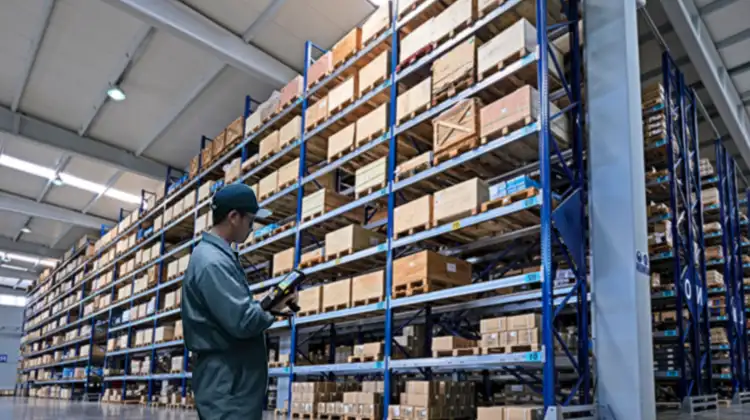
Portable Barcode Scanner Buying Guide
Product Updates | 2026.09.22Learn More
-
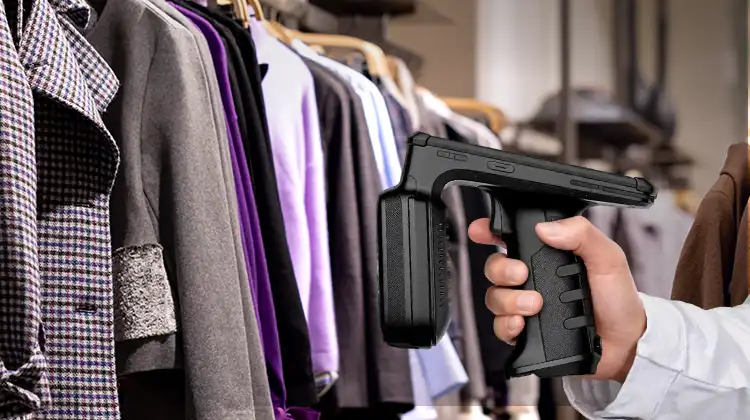
What Is RFID Meaning? Definition & Common Beginner Misconceptions
Product Updates | 2026.09.21Learn More
-
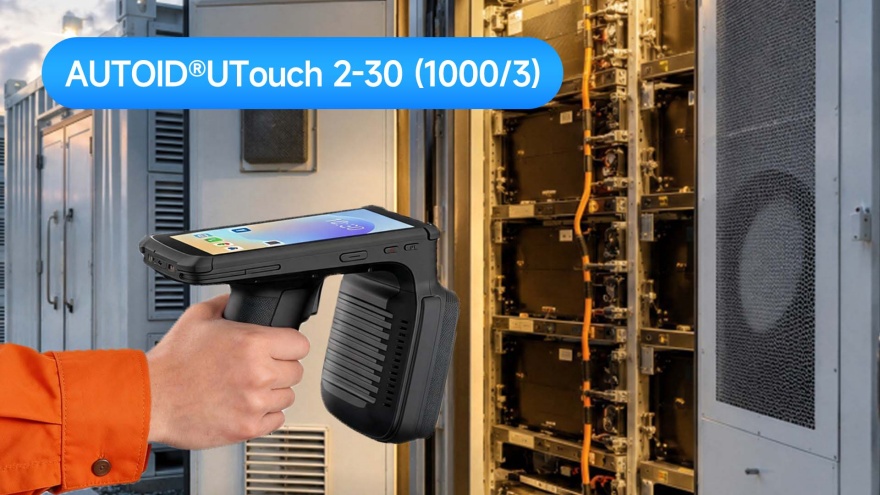
What Is RFID? A Complete Guide to Radio Frequency Identification: Definition, Working Principle & Applications
Product Updates | 2026.09.21Learn More
-
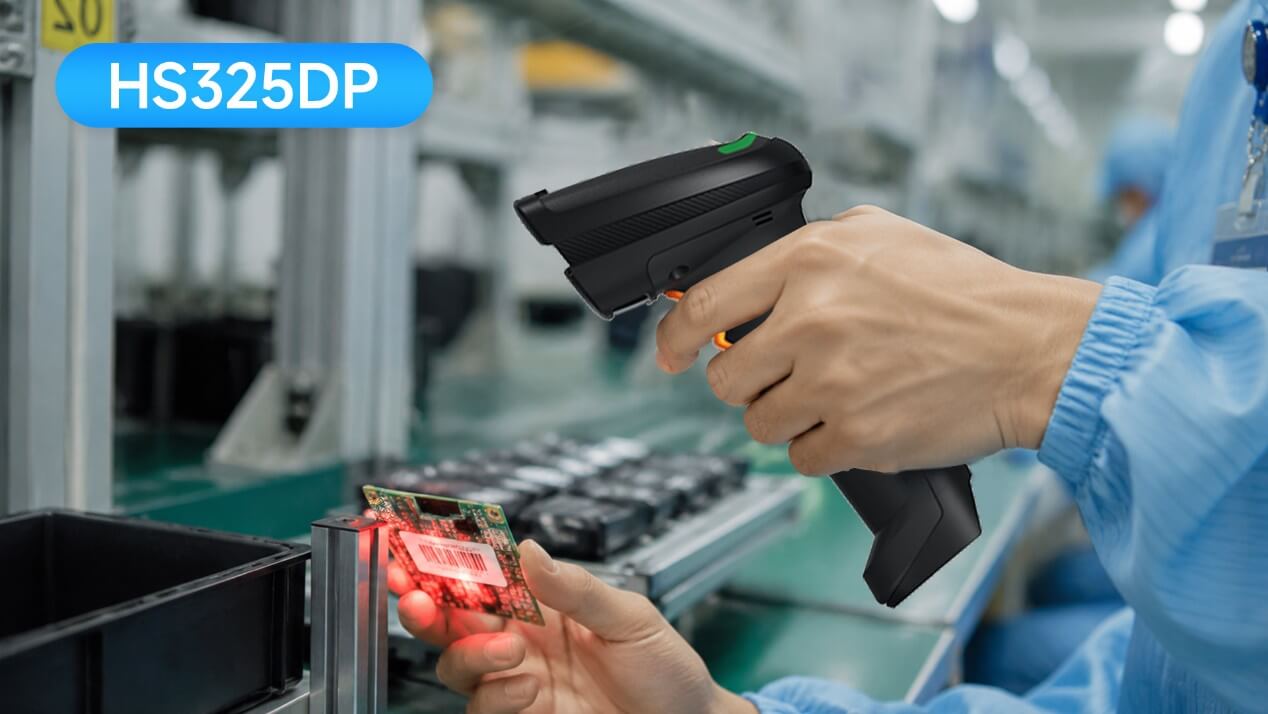
2D Barcode Scanner for Automotive DPM Traceability
Product Updates | 2026.09.20Learn More