







Demystifying the Aluminum Shell DPM Code Reading Challenge: The Seuic HS305DP Tri-Color Illumination Solution
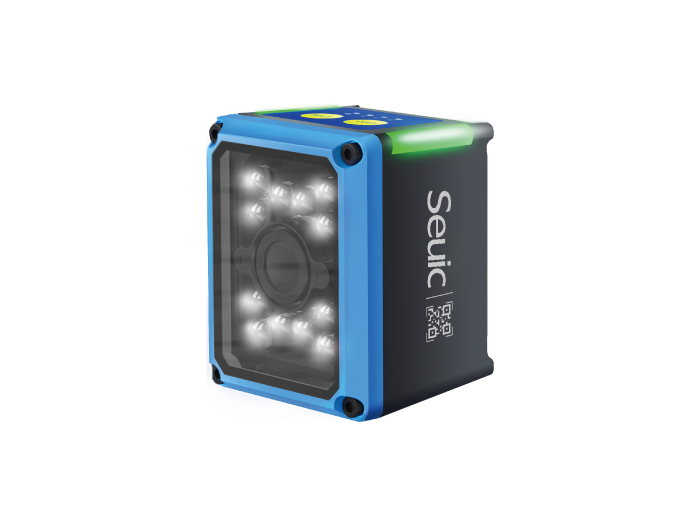
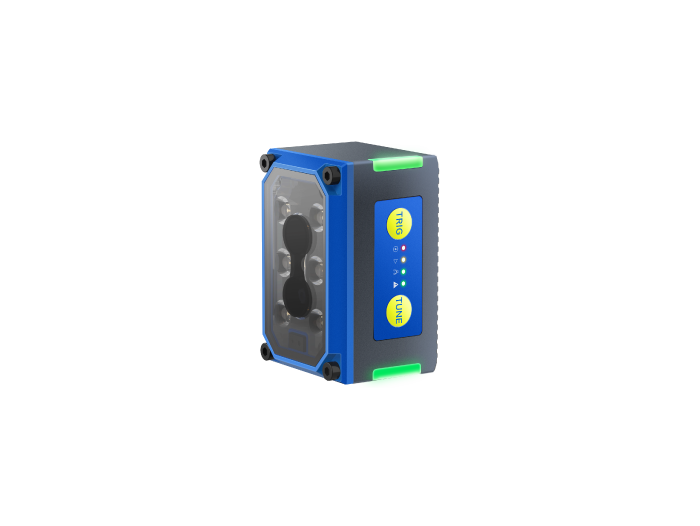
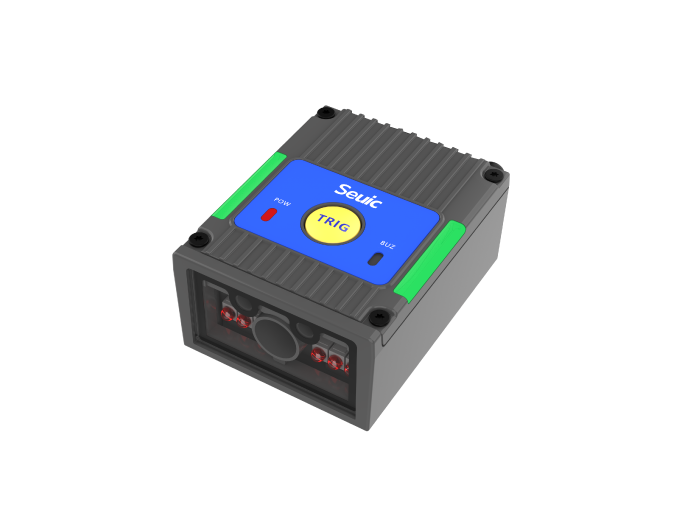
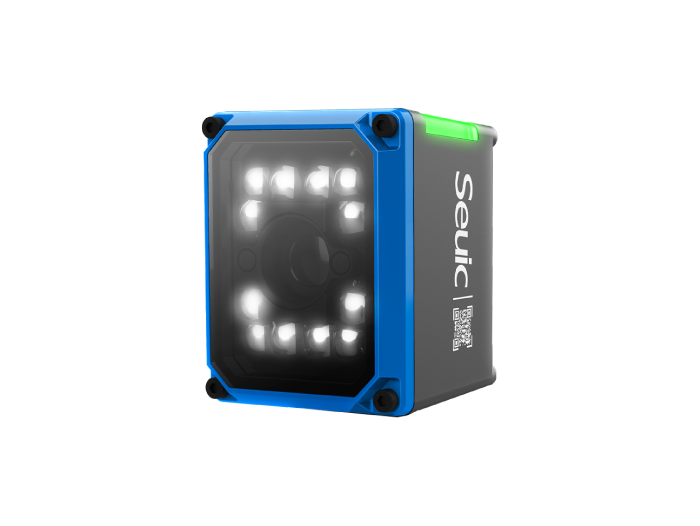
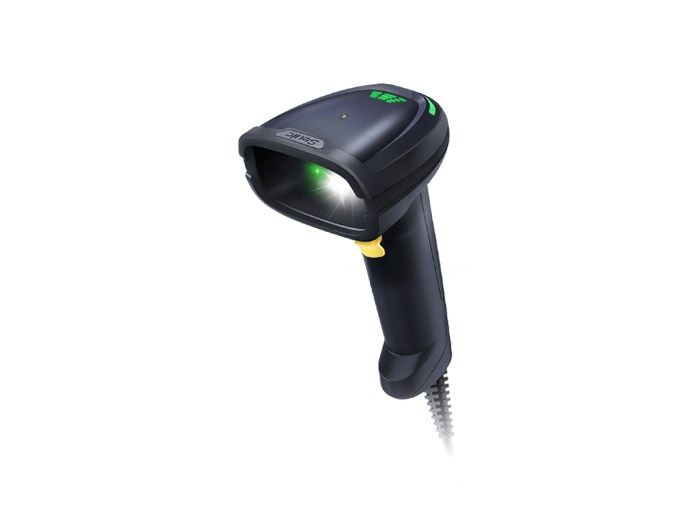
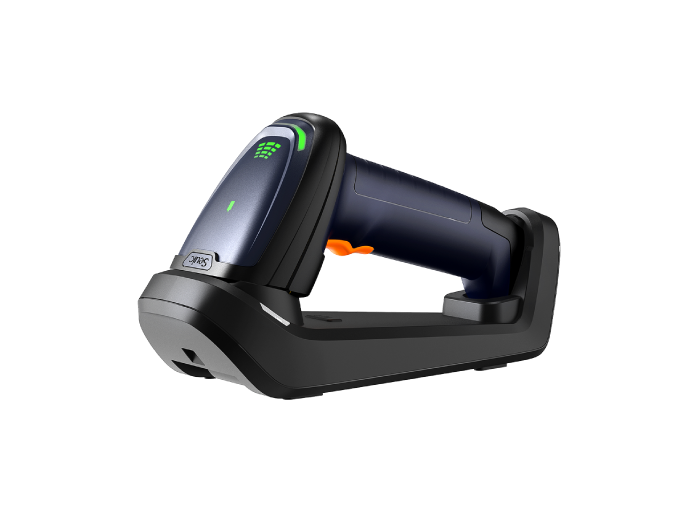
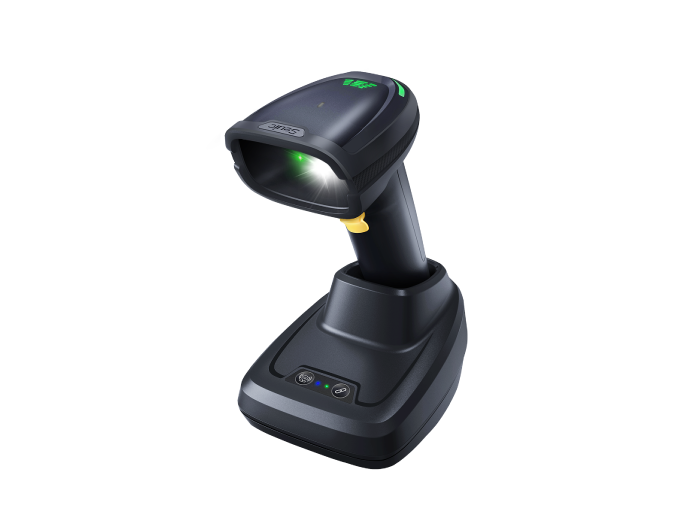
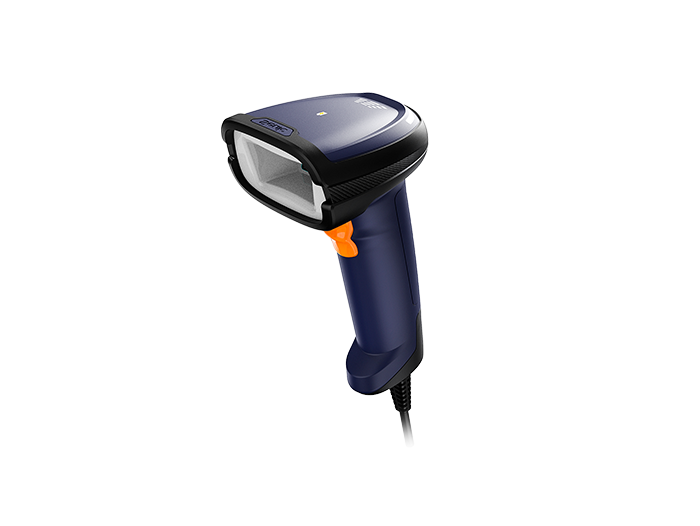
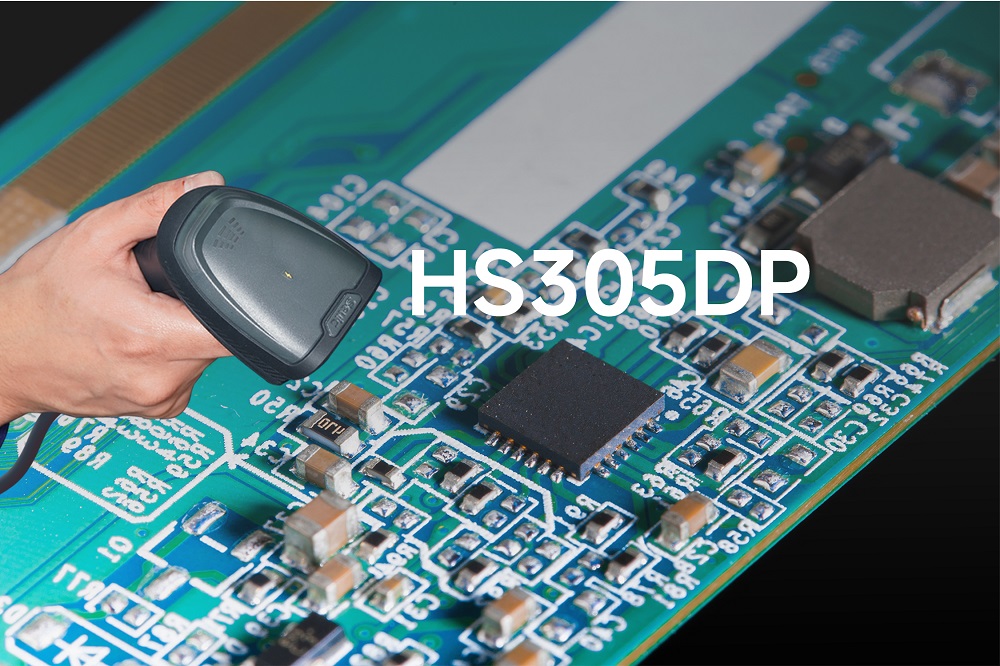
In the intelligent manufacturing of lithium batteries, the DPM code laser-etched on the surface of the battery cell is key to achieving full-process traceability and quality control. However, the high reflectivity of the aluminum shell often causes traditional devices to be "blinded" by glare interference, leading to a read failure rate that can exceed 30%. This creates data gaps and traceability risks. The Seuic HS305DP industrial wired barcode scanner provides a reliable data capture solution for the lithium battery industry, ensuring continuous production and controlled quality. It achieves this by employing an innovative tri-color intelligent illumination system to suppress aluminum shell reflection at the optical level, enabling stable DPM code identification.
1. Four Major Technical Challenges in Reading Aluminum Shell Cell DPM Codes
The Inherent Challenge of High Aluminum Shell Reflectivity: The surface of aluminum lithium battery casings has an extremely high reflectivity. Specular reflection creates intense glare that can completely obscure the fine structure of the DPM code. This "inherent challenge" caused by material properties is one of the root causes of read failures.
Multiple Challenges from Process and Environment: Process factors like curved surface engraving and low-contrast laser codes on the production line, combined with environmental interference such as high-speed conveyor lines, dust, and oil stains, further increase the difficulty of DPM code identification, imposing more stringent demands on scanning equipment.
Prominent Limitations of Traditional Equipment: Traditional scanners mostly use single white light illumination, which is prone to creating hot spots on metal surfaces. This often necessitates frequent angle adjustments or even manual intervention, severely impacting production efficiency and operational standardization.
Costs and Risks from Read Failures: Each identification failure can potentially lead to production line stoppages, cell offlining, and loss of traceability information. Accumulated over time, this results in significant equipment debugging and labor costs, and introduces quality control risks.
2. The HS305DP Industrial Scanner: A Technological Breakthrough with Tri-Color Intelligent Illumination
Faced with the complex challenge of reading aluminum shell cell DPM codes, the Seuic HS305DP doesn't simply optimize parameters; it represents a systematic innovation across two dimensions: optical physics principles and intelligent algorithms.
2.1 Tri-Color Intelligent Illumination System Suppresses Reflection at the Source
The core innovation of the HS305DP lies in its red, white, and blue adjustable diffuse reflection light source system. This system operates based on the differing reflection characteristics of light with varying wavelengths on metal surfaces:
Red Light Source
Optimal Application Scenario: Dark backgrounds or matte-finished aluminum shell surfaces.
Technical Principle: Red light has a longer wavelength and stronger penetration, allowing for better distinction between the barcode and the background in low-contrast environments.
Practical Effect: Effectively reads DPM codes on anodized blackened cell casings.
White Light Source
Optimal Application Scenario: Standard aluminum shell planar engraved codes.
Technical Principle: Provides uniform full-spectrum illumination, restoring the true color contrast of the DPM code.
Practical Effect: Suitable for most conventional laser marking scenarios, delivering natural and true imaging.
Blue Light Source
Optimal Application Scenario: Reflective metal curved surfaces, low-contrast barcodes.
Technical Principle: Short-wavelength blue light is more prone to diffuse reflection rather than concentrated specular reflection on metal surfaces.
Key Breakthrough: This is the core technology for suppressing aluminum shell reflection. When blue light shines on a smooth metal surface, it disperses into weak reflections in multiple directions, preventing the formation of a single strong glare spot. This allows the dark module areas of the DPM code to become clearly visible.
2.2 AI Algorithm-Enhanced Intelligent Image Processing
High-quality optical input alone is not sufficient. The HS305DP also features deep optimization in the image processing stage:
Dual-core Processor Architecture
Image Processing Core: Specifically handles the real-time processing of CMOS sensor data. The global shutter design ensures blur-free images of high-speed moving cells.
Decoding Operation Core: Dedicated to barcode recognition algorithms, achieving millisecond-level decoding response, 99.99% first-read rate.
Deep Learning Decoding Algorithm
Training Data: Core capability trained on millions of "problematic DPM code" images collected from industrial sites.
Intelligent Repair: Performs contour reconstruction for incomplete, broken, or blurry laser-marked codes.
Distortion Correction: Automatically corrects geometric distortions caused by curved surface engraving.
Noise Filtering: Effectively separates background interference like aluminum shell surface textures and scratches.
Continuous Evolution: The algorithm supports online updates, continuously optimizing recognition strategies as usage data accumulates.
Multi-Symbology Compatibility
The HS305DP supports mainstream 2D codes like Data Matrix, QR Code, PDF417, as well as 1D codes like Code 128 and Code 39. With a minimum read precision of 3.3 mil, it can handle DPM identification requirements for various sizes on battery cells.
2.3 Industrial-Grade Reliability and Human-Centric Design
Environmental Adaptability
Operating Temperature: 0℃ to 50℃, suitable for lithium battery production workshop environments.
Ingress Protection: IP54 dust and drip protection design.
Drop Resistance: Can withstand 50 drops from 1.8 meters.
Ergonomic Optimization
Two-Finger Trigger Button: Ergonomically designed to minimize fatigue during prolonged operation.
Carbon Fiber Texture Grip: Anti-slip design, allowing stable operation even when wearing gloves.
Weight Balance: The center of gravity is specially optimized for easy one-handed operation.
Installation and Maintenance Convenience
Plug-and-Play: Supports multiple interfaces like USB and RS232, requiring no complex configuration.
Angle Adaptability: Supports ±60° pitch and ±55° skew for flexible installation.
3. Applicable Industries and Specific Application Scenarios
3.1 Cell Manufacturing Stage
Electrode Coating Process: Reading batch codes on aluminum foil substrates.
Winding/Stacking Process: Capturing traceability codes on separator materials.
Welding Process: Reading laser-marked codes on tabs.
3.2 Cell Assembly Stage
Post-Aluminum Shell Laser Marking Reading: This is the core application scenario for reflectance suppression.
Electrolyte Filling and Sealing Process: Reading DPM codes on top cover assemblies.
Post-Formation and Aging: Reading codes on processed cell surfaces.
3.3 Module and PACK Stage
Cell Sorting and Grouping: High-speed reading of DPM codes on multiple cells.
Module Welding: Capturing identifiers on metal parts like busbars.
Final Assembly and Testing: Reading traceability codes on battery pack casings.
The reflectivity issue on aluminum shell cell surfaces is, in essence, a conflict between the material's physical properties and the demands of data acquisition. The Seuic HS305DP industrial scanner, through the innovative design of its tri-color intelligent illumination system, doesn't simply "fight" reflection. Instead, it intelligently leverages the reflection characteristics of different light wavelengths, transforming the challenge into a technological advantage. The penetrating power of the red light, the true color restoration of the white light, and the diffuse reflection property of the blue light—the intelligent combination of these three illumination modes, coupled with the deep learning AI algorithm and the dual-core processing architecture, forms a complete DPM code reading solution. This not only addresses the specific pain points of the lithium battery industry but also provides a reliable technical pathway for all industrial scenarios involving direct marking reading on metal surfaces.
Founded in 2002, SEUIC Technologies Co., Ltd. has been committed to grasping core technologies, enhancing technological innovation, providing excellent self-owned brand products, including mobile computers, RFID readers, tablets, barcode scanners and fixed readers. With highly reliable products and efficient services, our products have been widely used in manufacturing, retail, logistics & transportation, healthcare and other industries. We provide frontline workers more durable real-time data collection tools, helping you do more thereby to catapult your productivity to the next level.
Related News
-
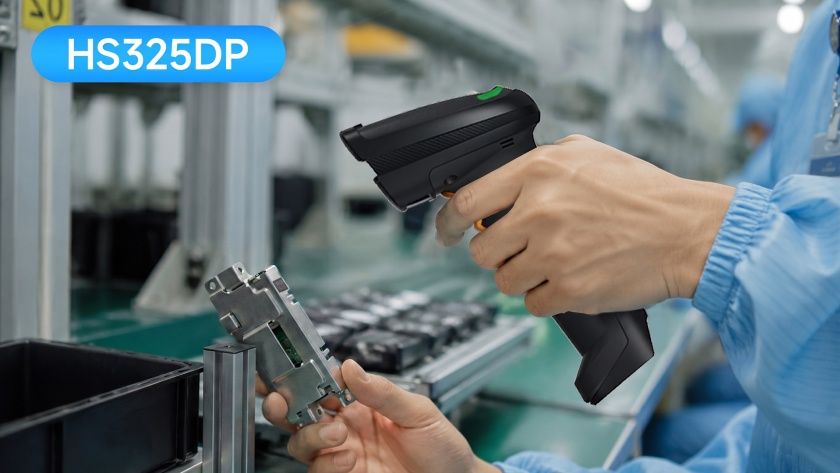
SEUIC HS325DP Barcode Scanner: 99.99% FPR on Curved Reflective PCB Codes
Product Updates | 2026.09.22Learn More
-

Integrate Portable Barcode Scanners with WMS/ERP/MES — Data, Offline & Device Lifecycle Management
Product Updates | 2026.09.22Learn More
-

Portable Barcode Scanner Buying Guide
Product Updates | 2026.09.22Learn More
-
What Is RFID Meaning? Definition & Common Beginner Misconceptions
Product Updates | 2026.09.21Learn More