






Mobile Data Terminal (MDT) Application Guide for Five Major Industries
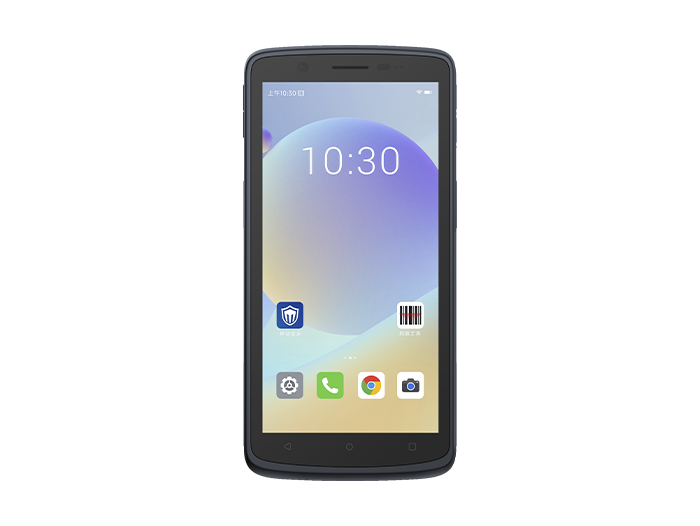
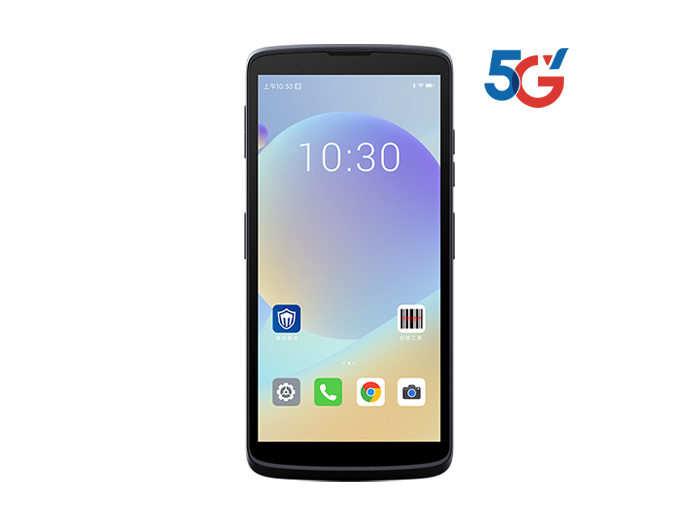
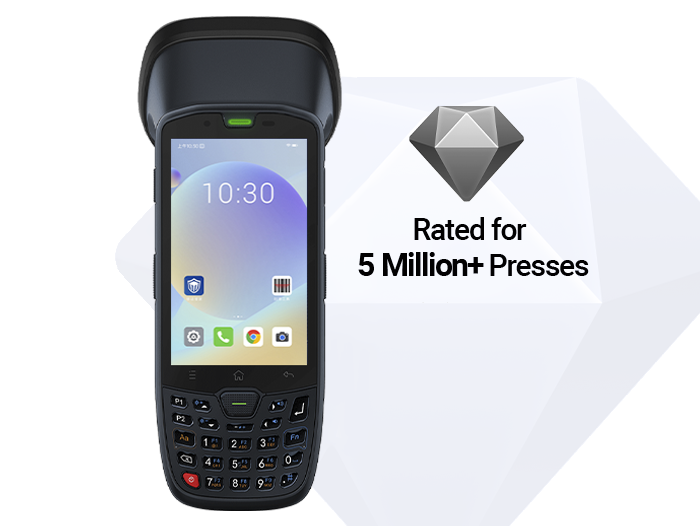
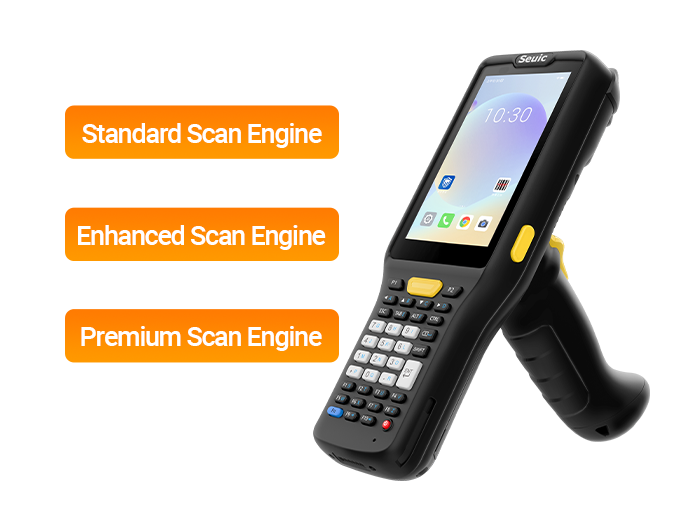
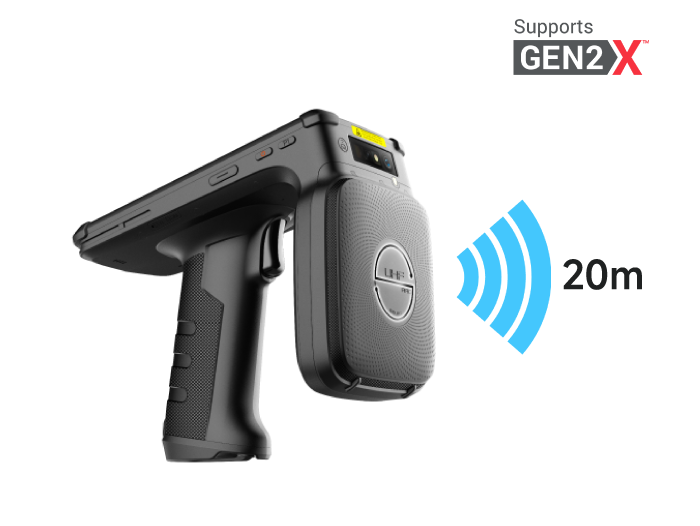
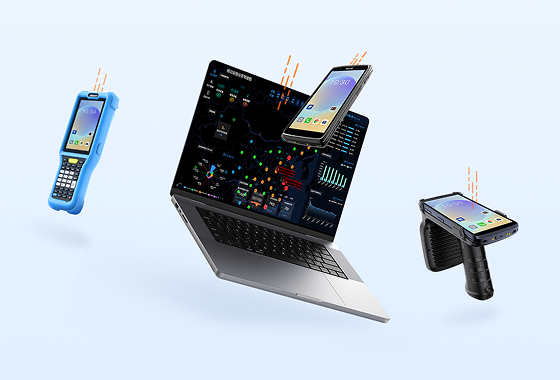
Mobile data terminals aren't niche tools for a single industry. They refer broadly to handheld or vehicle-mounted smart devices with barcode/RFID capture, Wi-Fi/cellular connectivity, enterprise system access, and local application capabilities. In logistics, manufacturing, retail, public utilities, and healthcare, mobile data terminals (often called MDTs) have become the "data entry point" for frontline operations. This article maps out the five industries that rely most heavily on MDTs and their typical use cases — helping factories, warehouses, stores, field stations, and healthcare facilities decide which processes deserve priority mobilization.
1. Warehousing & Logistics: End-to-End Real-Time Tracking from Receiving to Delivery
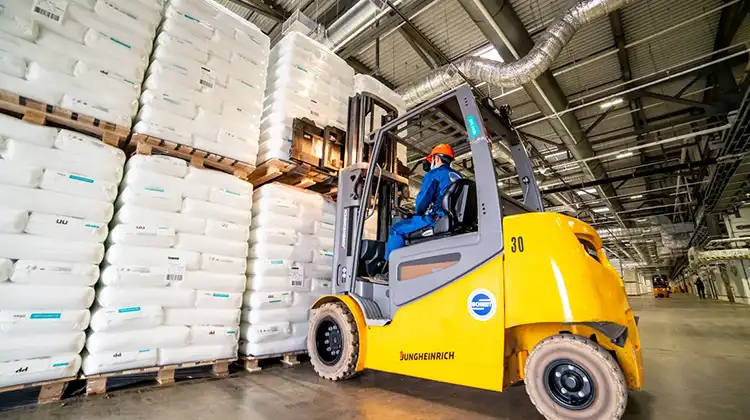
For third-party logistics providers, e-commerce fulfillment centers, express sortation hubs, and integrated warehousing-distribution enterprises, the core value of MDTs is connecting people, goods, and orders. Warehouse managers, pickers, loaders, and delivery drivers no longer need to return to the office for data entry — they capture everything on the spot.
Typical Workflow Scenarios:
Receiving scan: Upon arrival, use vehicle-mounted or handheld MDTs to scan barcodes or RFID tags, verify against purchase orders, ASNs, batch numbers, and damage reports — upload photos of exceptions on the spot.
Picking guidance: Integrated with the WMS, the MDT pushes picking tasks by wave or route, supporting voice, light-directed, or list modes to reduce picking errors and omissions.
Loading confirmation: Bind pallets and packages by route, vehicle, and shipment order. Inventory is deducted upon loading, eliminating the "system says in stock, but it never made it onto the truck" problem.
Delivery signature: Delivery drivers use handheld MDTs to capture customer signatures, scan for proof of delivery, and log GPS coordinates and timestamps — fully auditable for post-delivery inquiries.
In most WMS/OMS-integrated projects, MDTs paired with standardized workflows can improve order processing efficiency by 30% or more. Actual results depend on system integration depth, network coverage, and barcode quality.
For Operations Directors and Warehouse Managers, MDTs are not just an upgrade from barcode scanners — they transform order status from "entered after the fact" to "synced in real time during the operation."
2. Manufacturing: Paperless Work Orders, Traceability, Quality Control, and Patrol Inspections
On the factory floor, Plant Managers, Factory Managers, and Production Supervisors are most frustrated by lost paper work orders, incorrect material versions, and delayed inspection records. MDTs push MES/ERP data directly to production line workstations, creating a closed loop.
Typical Workflow Scenarios:
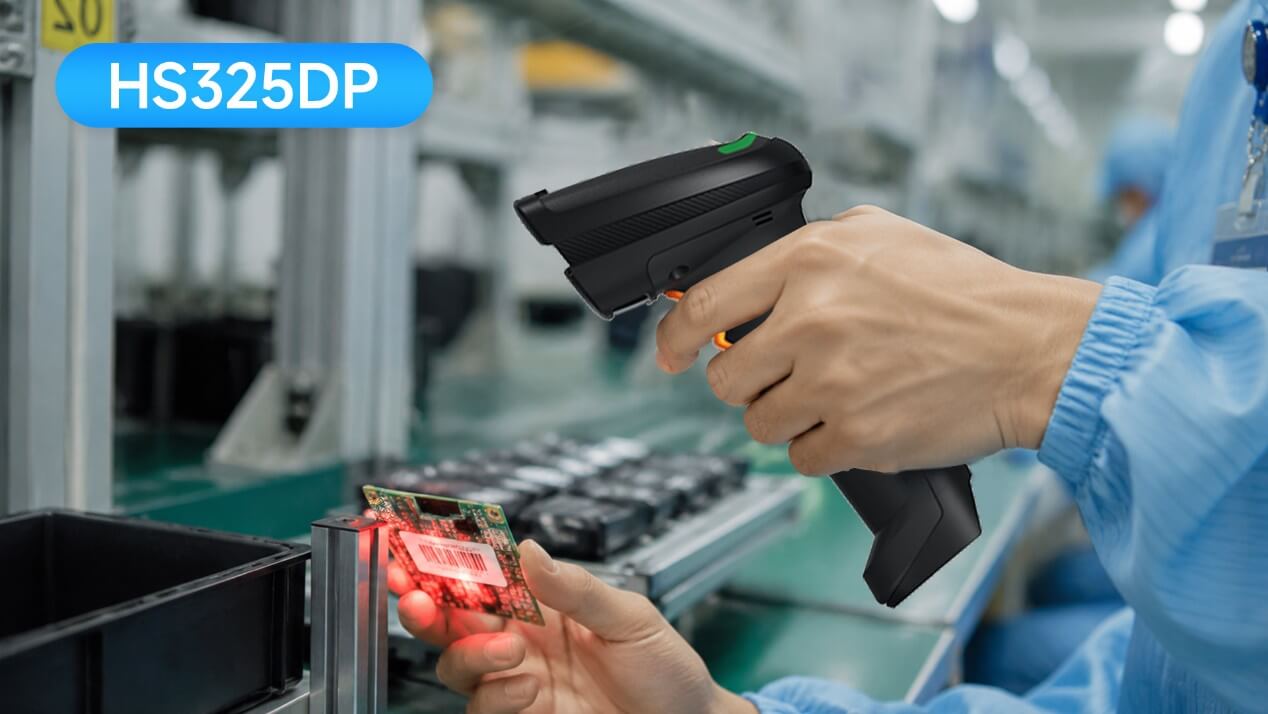
Work order viewing on the line: Operators log into the MDT at their workstation to pull up the day's work orders, BOMs, and process parameters — no printing needed, no risk of grabbing the wrong version.
Material traceability: Receiving, issuing, and returning materials from line-side inventory are all scanned. Batch numbers and serial numbers are bound to work orders, supporting forward tracking and reverse recall.
Quality inspection: QC personnel record first-article, in-process, and final inspection results on-site, capture defect images, and automatically trigger non-conformance workflows when readings exceed tolerances.
Equipment patrol: Maintenance technicians follow MDT-scheduled routes, scan equipment tags, read gauges, fill in checklists, and report anomalies with one tap — building TPM data assets.
For Storekeepers, MDTs also synchronize line-side inventory transactions to the ERP in real time, eliminating discrepancies between physical stock and system records. Compared to paper-based work orders, mobile work orders significantly reduce manual entry errors and provide first-hand data for subsequent OEE and yield analysis.
3. Retail & CPG: Store Receiving, Inventory, Price Verification, and Mobile POS in One
Retail chains, department stores, apparel brands, and supermarket operators demand high standards for "shelf availability, correct pricing, and no-wait checkout." MDTs allow store associates to perform most inventory tasks on the sales floor rather than in the back office.
Typical Workflow Scenarios:
Store receiving: When suppliers deliver to the store, MDTs scan product barcodes and delivery notes, connecting directly to the retail ERP. Discrepancies are flagged immediately — no secondary data entry required.
Inventory counting: For periodic or cycle counts, MDTs batch-scan SKUs, supporting blind and visible counts, and generate overage/shortage reports.
Price verification: During store walks, scan shelf labels and compare against system prices. Promotional price changes that haven't taken effect can be flagged on the spot, reducing customer complaints and regulatory risk.
Mobile POS and replenishment: In high-traffic areas, use handheld MDTs for checkout, membership identification, and sales assistant order creation. Meanwhile, shelf-level sales data triggers replenishment requests.
For Store Managers and Inventory Staff, the value of an MDT isn't "one more device" — it's consolidating replenishment, counting, and checkout into a single store walk, improving shelf availability and the customer checkout experience. Apparel, beauty, and supermarket fresh-food categories with frequent price changes benefit the most.
4. Public Utilities & Field Enforcement: Taking the Office Outdoors
Water, gas, electricity utilities, municipal services, and government enforcement agencies have widely dispersed field personnel. MDTs serve as the "mobile office gateway." Field inspectors, meter readers, and law enforcement officers use rugged terminals to complete meter reading, patrol inspection, evidence collection, and reporting.
Typical Workflow Scenarios:
Utility meter reading: MDTs read mechanical/electronic meter barcodes or NFC tags, record consumption data, flag anomalies (gas leaks, water leaks), capture meter box photos, and automatically upload to the billing system.
Facility patrol: Power lines, water supply networks, and gas regulator stations dispatch tasks by geographic grid. The MDT displays location, historical work orders, and safety checklists — data can be recorded even offline.
Government & enforcement: Officers verify IDs on-site, scan object information, capture evidence photos, print simple citations, and sync with government platforms — reducing the need to return to the station for data entry.
Emergency dispatch: Fault reports from the call center are pushed directly to the MDT. Technicians navigate to the site, check in, complete the work, and confirm closure — the entire process is auditable.
These users prioritize device ingress protection, battery life, offline caching, and identity/access permissions. For gas, water, and power companies, as well as government agencies, MDTs shorten the information delay between the field and the back office, and facilitate subsequent compliance audits.
5. Healthcare: Safety Barriers for Bedside Care and Medication Verification
Hospitals, large clinics, pharmacies, and nursing units demand zero tolerance for errors in patient identity, medication correctness, and timing. MDTs here typically function as clinical mobile workstations or handheld nursing terminals.
Typical Workflow Scenarios:
Bedside care verification: Nurses scan patient wristbands and medication order barcodes with MDTs before administering drugs, taking measurements, or performing blood transfusions — dual-person verification is completed on the device, which logs the operator and timestamp.
Medication verification & pharmacy dispensing: Pharmacists scan prescription barcodes during picking, and ward staff re-verify upon receipt, reducing dispensing errors. Controlled substances can be tracked by serial number.
Supply & consumable management: Storekeepers and nursing staff use MDTs for inbound/outbound transactions in operating rooms and wards. High-value consumables are tracked to the patient by batch number.
Healthcare facility patrol: Clinical engineering staff use MDTs for equipment inspections, vaccine cold-chain temperature monitoring, and isolation ward rounds — data flows directly into the healthcare affairs system.
For Medical Affairs, Pharmacy Departments, and Nursing Staff, MDTs are more than efficiency tools — they are compliance instruments that reduce medication errors and improve traceability. When selecting devices, focus on barcode read rate, disinfectant tolerance, HIS/EMR system integration permissions, and audit logging.
6. Common Deployment Recommendations Across All Five Industries
Regardless of whether you're in warehousing, manufacturing, retail, public infrastructure, or healthcare, MDT projects should avoid the trap of "buying hardware without changing processes." We recommend a four-step approach:
Map your workflows first: List out all nodes — receiving, work orders, inventory counting, meter reading, bedside care — and mark which ones require real-time data return.
Match system interfaces: Identify whether WMS, MES, ERP, Retail POS, GIS, or HIS provides the data. The MDT acts solely as the capture and interaction front end.
Define device specifications: Warehousing prioritizes battery life and scan range; outdoor use prioritizes ruggedness and positioning; healthcare prioritizes cleanliness and compliance; retail prioritizes lightweight design and payment expansion.
Run a small-scale pilot: Select one warehouse, production line, store, or district. Evaluate ROI based on error rates, turnaround time, and reconciliation discrepancies before scaling up.
Mobile data terminals (MDTs) have long evolved from "barcode scanners" into cross-industry mobile operation platforms. Warehousing & logistics use them to connect ordering, picking, and delivery into a real-time closed loop. Manufacturing uses them to digitize work orders, materials, and quality inspections. Retail uses them to consolidate receiving, counting, price checks, and mobile POS on the sales floor. Public utilities and enforcement use them to move meter reading, patrol, and evidence collection to the field. Healthcare uses them to turn bedside verification and medication traceability into auditable workflows. For decision-makers, prioritizing scenarios where "systems are connected and roles are properly fitted" matters more than chasing hardware specs alone.
If you are evaluating MDT selection or writing a technical proposal, feel free to contact Seuicfor device specifications and pilot checklists. Just share your industry, existing systems (WMS/MES/ERP/HIS, etc.), and daily scan volume, and you'll receive a customized pilot plan and device recommendation tailored to your role.
Related News
-
Portable Barcode Scanner Buying Guide
Product Updates | 2026.09.22Learn More
-
What Is RFID Meaning? Definition & Common Beginner Misconceptions
Product Updates | 2026.09.21Learn More
-
What Is RFID? A Complete Guide to Radio Frequency Identification: Definition, Working Principle & Applications
Product Updates | 2026.09.21Learn More
-
2D Barcode Scanner for Automotive DPM Traceability
Product Updates | 2026.09.20Learn More