




Mobile Data Terminal Buying Guide: 4 Steps to Avoid Industrial PDA Pitfalls
With so many mobile data terminals (often called industrial PDAs or handheld data collection terminals) on the market, the spec sheets can be overwhelming — IP ratings, drop heights, scan engines, Android versions, MDM, TCO... Get it wrong and you face one of two outcomes: overspending on a high-end model with UHF, dual-band Wi-Fi, thermal imaging, etc., when you only need basic 1D barcode picking; or under-spec'ing — using a consumer phone in a cold storage facility, an IP65 device outdoors when IP67 is required, or a commercial tablet on the production floor — leading to frequent crashes, unresponsive screens, dead batteries, and downtime that costs far more than the "cheaper" device saved.
This guide provides a four-step framework to help decision-makers in factories, warehousing, retail, healthcare, utilities, and law enforcement translate operational needs into procurement-ready specifications.
1. Define the Working Environment First — Lock in Protection Rating and Temperature Range
The environment sets the baseline for mobile data terminal reliability. Don't start with "which model offers the best value" — start with "where will this device be used every day? Drops, water, dust, cold, heat?"
Indoor ambient warehouse / retail back office: Light dust, no continuous rain. IP65 + 1.2m+ drop resistance covers most picking, inventory, and receiving tasks. IP65 means fully dust-tight and protected against low-pressure water jets — suitable for shelf aisles and loading docks with occasional splashes. If forklifts frequently bump into things or totes are likely to fall, raise the drop requirement to 1.5m or 2m.
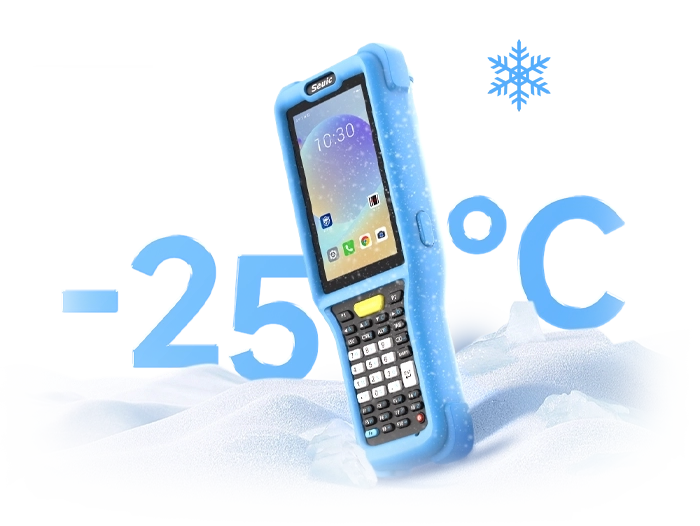
Cold storage / cold chain: Standard Android devices lose battery performance and suffer touchscreen drift in low temperatures. Look for terminals rated for -20°C operation as a baseline. For deep-freeze warehouses, frozen sorting, and pharmaceutical cold chain, prioritize models rated for -25°C or lower.
Outdoor / field service / law enforcement: Outdoor inspections, road surveys, meter reading — these face heavy rain, mud, dust, and bright sunlight. Prioritize IP67 (dust-tight + 1m/30min immersion) or higher. Screens need high brightness and support glove/wet touch. Sunlight readability depends on nits — for intense outdoor glare, target 700-1000 nit screens.
Production lines / industrial workshops: The priority here isn't "more waterproof" — it's oil resistance, EMI tolerance, and sustained vibration endurance. Confirm the device has passed relevant drop/tumble tests. Check for ESD protection, Wi-Fi interference immunity, and oil-resistant scan window coatings. Stations near high-heat or wash-down areas may require IP69K high-pressure cleaning capability.
Healthcare / pharmacy / nursing: Beyond IP protection, look for disinfectant-wipe compatibility, NFC wristband recognition, silent vibration mode, and clinical app stability. Patient data handling mandates device encryption and MDM remote wipe capability.
Pro tip: Ask suppliers for test reports specifying exact drop height + landing surface material + operating temperature range — not just marketing claims of "industrial rugged." Be cautious with any listing that says "rugged design" without citing IP and drop ratings.
2. Match Functional Requirements — Select Scan and Sensing Modules Based on Workflow
The core value of a mobile data terminal is turning on-site events into real-time data. Configure modules around what you actually scan, capture, and locate — don't blindly max out specs.
Barcodes only / QR codes: Warehouse receiving, retail inventory, pharmacy outbound, production line reporting — choose professional 1D/2D imaging engines. Damaged codes, low-density codes, reflective codes, and distant overhead codes determine which engine tier you need.
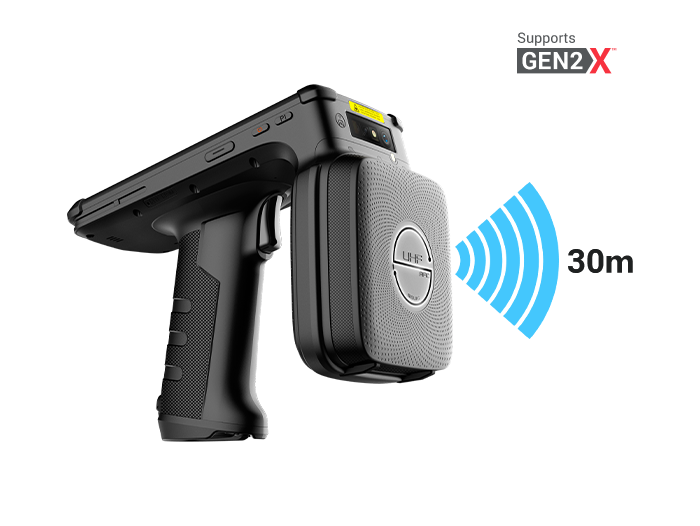
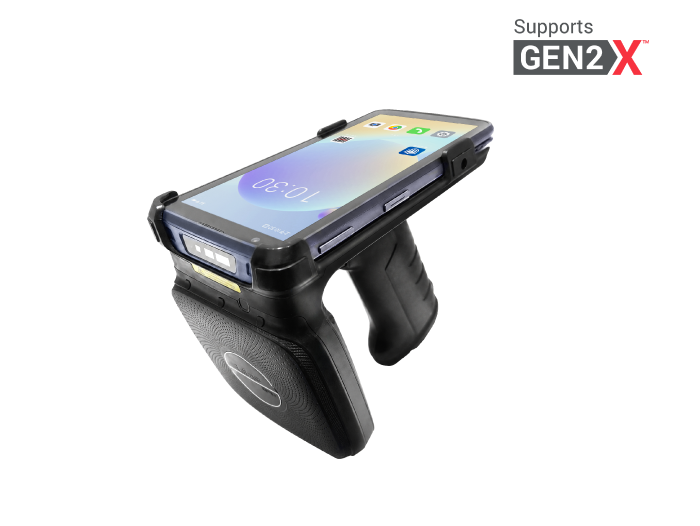
RFID / UHF bulk reading: Asset inventory, apparel retail case verification, utility meter batch reading, hospital high-value consumables management — if you need to read multiple tags without aiming one at a time, equip UHF RFID. For access control and identity verification, NFC is lighter-weight.
Photo capture / visual work orders: Insurance claims, law enforcement evidence, quality defect recording, equipment visual inspection — go with 13MP+ autofocus, flash, and in-app watermarking.
Navigation and positioning: Field inspections, courier delivery, pipeline patrol, vehicle-mounted MDT — GNSS required. For multi-mode domestic coverage, look at GPS + BeiDou + GLONASS. Urban canyon environments benefit from Wi-Fi positioning augmentation. Pure indoor warehouses only need AP-based positioning — no need for premium dual-satellite modules.
Voice / PTT / secondary input: Large distribution centers, airport cargo terminals, dispatch operations — consider PTT over Cellular. High-volume picking benefits from physical keys + trigger handle, which is faster than pure touchscreen.
3. Evaluate Software Integration — Don't Let the OS Drag Down Good Hardware
Many buyers compare hardware specs only to find post-deployment that their WMS, ERP, MES, or retail OMS won't install or manage properly. A mobile data terminal should be evaluated as an enterprise mobility node.
Android version and long-term patching: For new projects, prioritize mainstream long-term-support versions. For fleet deployments, confirm the vendor provides a version roadmap, FOTA/OTA updates, and a security patch schedule.
Business app compatibility: List all must-run applications — WMS (receiving/putaway/picking/inventory), MES reporting, QC sampling, retail price tag/inventory, courier labels, hospital nursing systems, inspection work orders. Run real user accounts on a sample unit — don't settle for demo screens.
SDK and secondary development: If your IT team builds integrations, confirm availability of Android Studio / Eclipse development environments, scan broadcast intents, NFC intents, and printer/peripheral API calls.
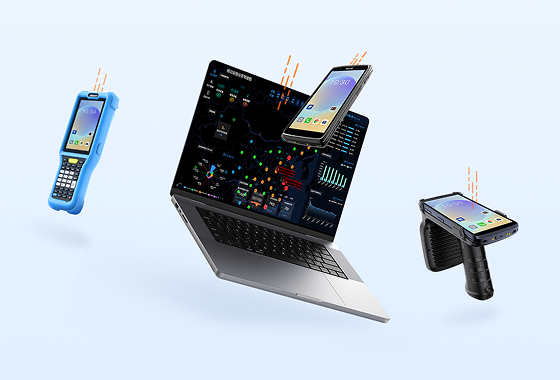
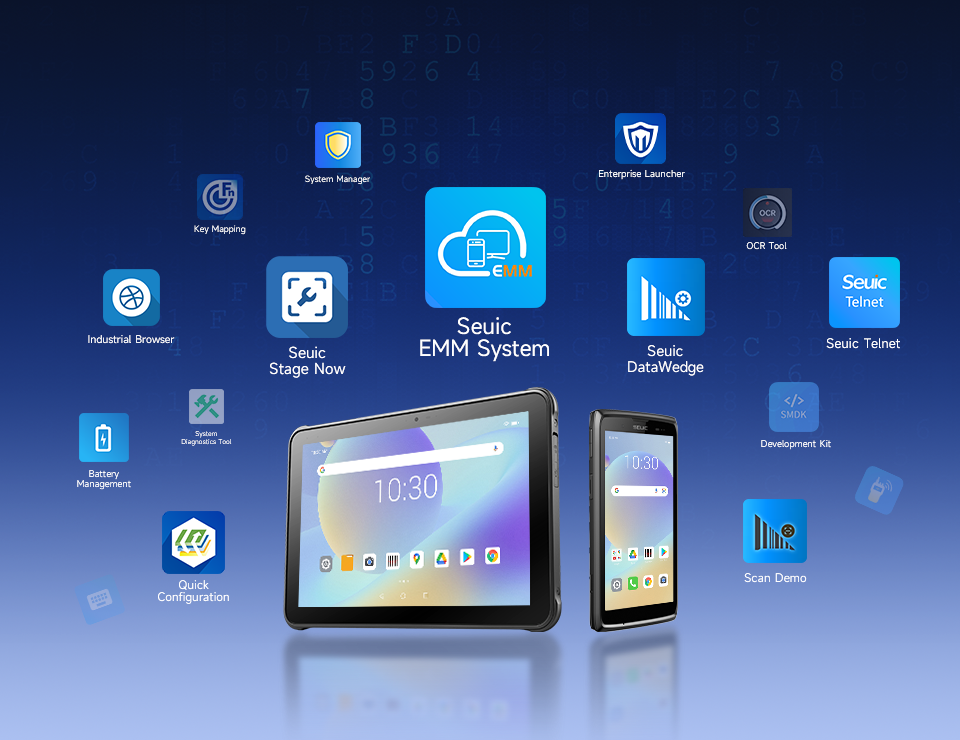
MDM / EMM remote management: For fleets of 20+ units, you must support bulk enrollment, application whitelisting, kiosk single-app lock mode, configuration push, remote wipe, and battery/online status monitoring. Compatible with SOTI, Intune, VMware, or the vendor's own EMM. Seuic's comprehensive EMM solution covers MDM/MAM/MCM, bulk deployment, and remote wipe — much easier for fleet management.
Network and offline resilience: Warehouses need Wi-Fi 6 / dual-band roaming. Outdoor operations need 4G/5G. Vehicle-mounted units need APN/VPN. Weak network environments require local queue caching and resume-on-reconnect to prevent picking data loss.
4. Calculate TCO — Total Cost Over a 3-Year Lifecycle
A low unit price doesn't mean savings. Calculate mobile data terminal TCO over 3 years (extendable to 5):
Hardware: Host unit, warranty period, spare device policy.
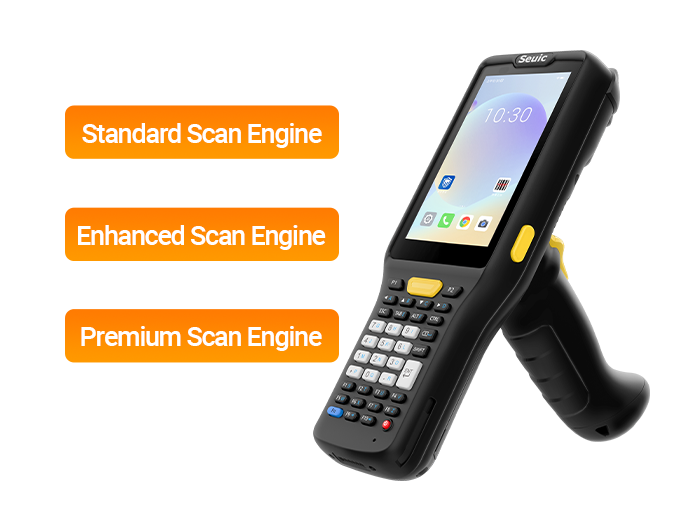
Accessories: Charging cradle / multi-slot charger, pistol grip, screen protector, lanyard, vehicle mount, extra batteries. Q7-Grip accessories include single/quad/penta chargers, quad battery charger, car charger, multi-function carrying case, etc.
Software licenses: MDM per-device/month, WMS/ERP mobile modules, OCR or RFID middleware.
Maintenance and downtime: Screen replacement, battery swap, system reset, data re-entry from losses. Consumer-grade tablets in industrial settings can hit 20-30% annual failure rates. IP65+ industrial PDAs are significantly lower. Downtime costs should factor in hourly labor losses.
Training and turnover: Retraining due to staff churn, and whether Android major version upgrades require device replacement.
Industry Configuration Quick Reference
| Scenario | Recommended Specs |
| Factory / Production / QC | IP65+, 1.5-2m drop, oil-resistant Wi-Fi, 2D QC codes + camera, MES SDK, MDM. Test roaming latency individually in EM-heavy stations. |
| Warehousing / 3PL / E-commerce Fulfillment | High-frequency scanning, long-range overhead bin reading, IP65, 5200mAh+ hot-swappable battery, multi-slot charger, WMS integration. Add UHF for bulky yard storage. |
| Retail Chains / Supermarkets / Apparel | Lightweight 2D + NFC for inventory and price tags. Add pistol grip for combined store-warehouse operations. Camera + work order logging for loss prevention. |
| Courier / Sortation / Last Mile | Outdoor pickup/delivery: IP67, high-brightness screen, GPS+BeiDou, 4G/5G, PTT. Sortation hubs: IP65 + long-range scanning. |
| Hospital / Pharmacy / Nursing | NFC wristband, 13MP evidence capture, silent vibration, encryption + remote wipe. Add 2D for pharmacy inventory, RFID for high-value consumables. |
5. Seuic AUTOID Q7-(Grip) Recommendation
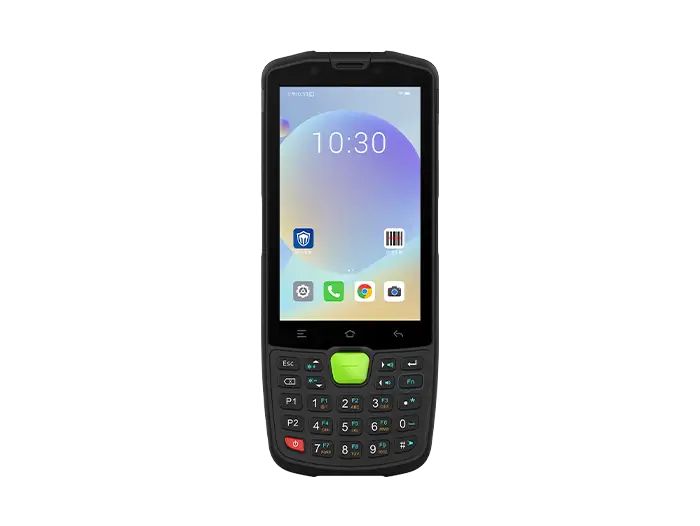
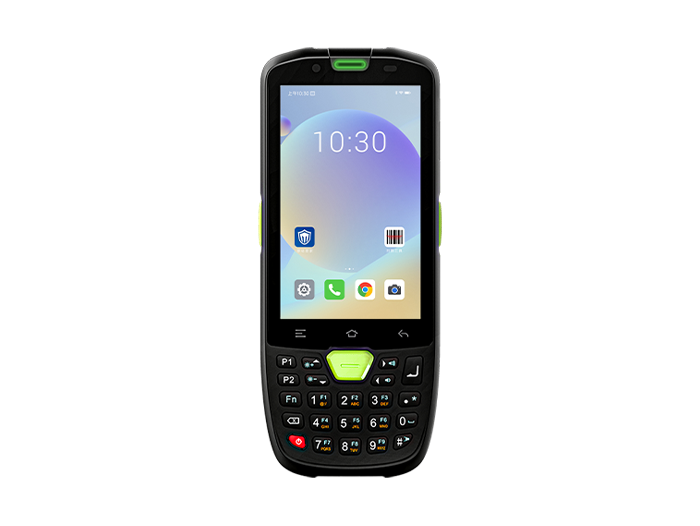
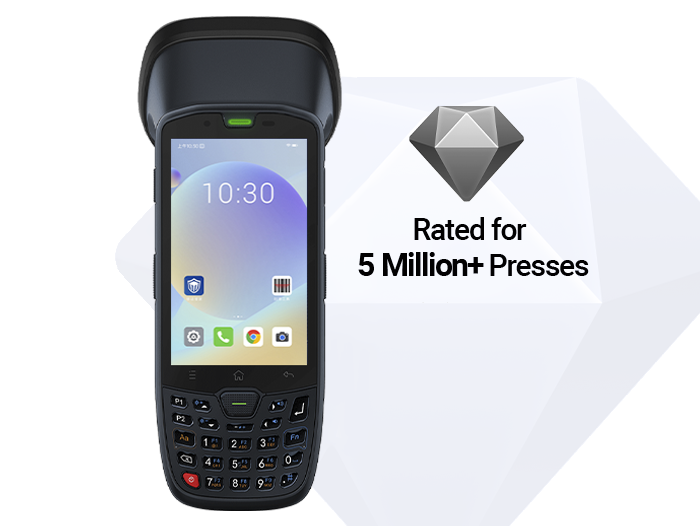
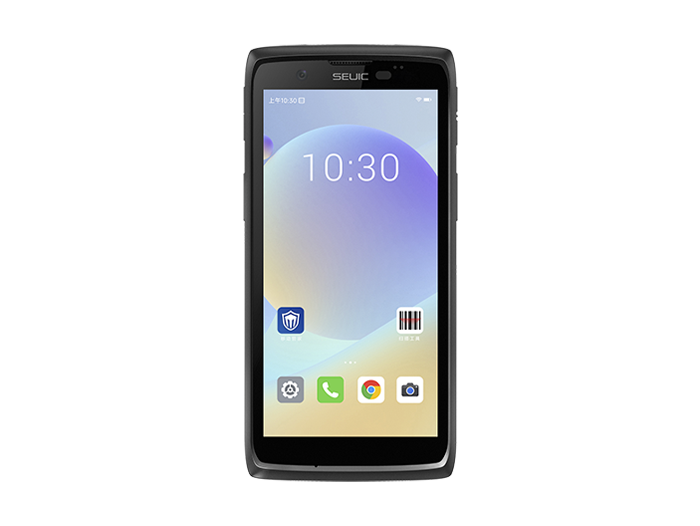
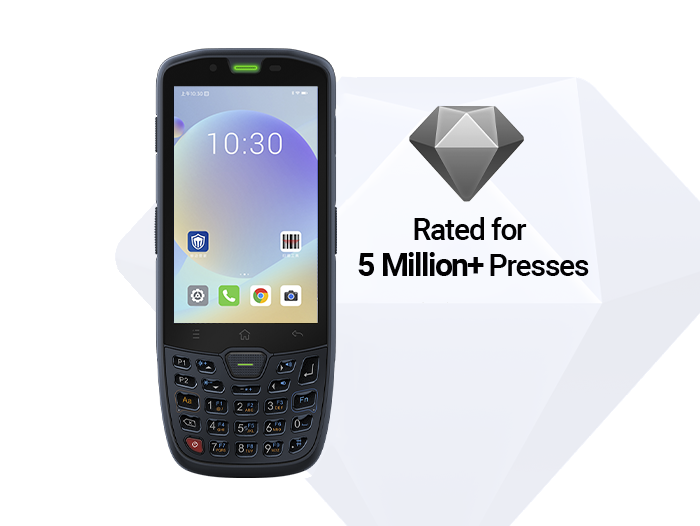
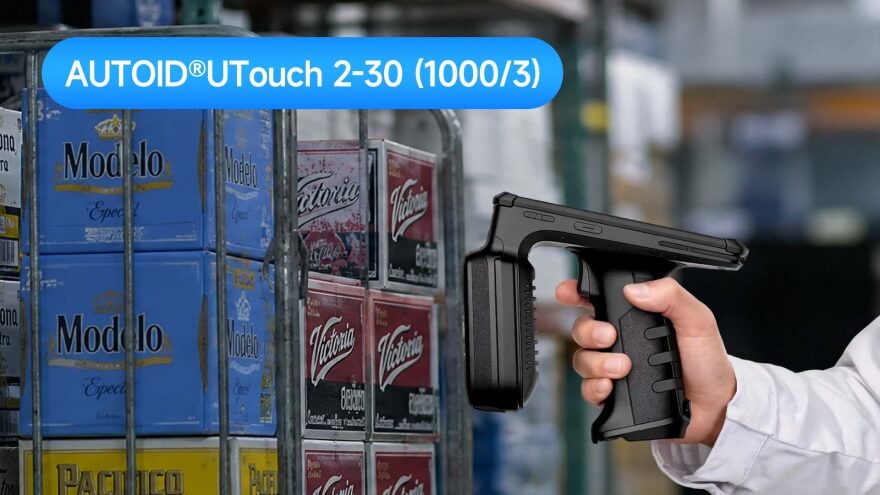
If your primary use cases mix warehouse picking, cold chain transfer, production line reporting, and outdoor inspection, put the AUTOID Q7-(Grip) on your shortlist: Qualcomm octa-core 2.0GHz, Android 14, 4GB+64GB, 4.0-inch capacitive screen supporting glove/wet touch, IP65 sealing, multiple 2m marble drops, 1000x 0.5m tumbles. Scanning options include standard, high-density, and long-range 2D — the long-range variant covers 0-30 meters. Rear 13MP camera, NFC, dual-band Wi-Fi with Seuic Wi-Fi Well optimization, 5200mAh removable battery, pistol grip, single/multi-slot chargers, car charger, and more accessories available. Seuic positions it as a high-efficiency warehouse industrial PDA with global million-unit deployments, 5+ year lifecycle, and -25°C cold chain extension — suited for enterprises prioritizing low failure rates and centralized management.
Pilot recommendation: Deploy 5-10 units across three roles — ambient warehouse, cold storage, and outdoor inspection — for a 4-week trial. Track first-pass scan success rate, long-range success rate, Wi-Fi roaming packet loss, low-temperature battery drain, and average daily failure tickets per unit. Then use 3-year TCO to back-calculate procurement volume.
Don't start your mobile data terminal selection from a "model ranking list." Work backwards through four steps: environment determines IP/drop/temperature range; workflow determines scanning/RFID/camera/positioning; IT architecture determines Android version/SDK/MDM; finance determines 3-year TCO. Write these four dimensions into a bid scoring matrix, then invite 2-3 vendors to bring sample units for on-site testing — far less prone to rework than comparing spec sheets alone. If you're planning a warehouse or cold chain PDA replacement, start with a small-scale pilot of the AUTOID Q7-Grip, running the full receive-putaway-pick-inventory cycle with your WMS and Seuic EMM.
Founded in 2002, Seuic Technologies Co., Ltd. is committed to mastering core technologies, continuously improving innovation capabilities, and delivering outstanding branded products including mobile computers, RFID readers, tablets, barcode scanners, and fixed-mount readers. With highly reliable products and efficient service, our solutions are widely applied across manufacturing, retail, logistics, healthcare, and more. We provide frontline workers with more durable real-time data collection tools, helping you improve operational efficiency and take productivity to new heights.
Related News
-
What is a Barcode Scanner? Working Principle, Types & Industry Applications
Product Updates | 2026.10.23Learn More
-
DPM Scanner Selection: Handheld vs Fixed Industrial Reader Comparison Guide
Product Updates | 2026.10.22Learn More
-
2D Barcode Scanner Selection Guide for Warehouse: Receiving & Cycle Count
Product Updates | 2026.10.22Learn More
-
IWE Chennai 2026 Recap: Connecting Data to Smarter Operations
News & Events | 2026.10.22Learn More