




PCB Panel Batch Traceability: 5 Hard Indicators to Choose the Right Industrial PDA
Difficult DPM code reading, IP68-rated corrosion resistance, complex network adaptation, dual-shift battery life, and batch device management. The barcodes on PCBs must survive high-temperature lamination, acid/alkali etching, high-humidity electroplating, and other processes. Ordinary scanning devices suffer from high miss rates, creating gaps in the traceability chain. This article clarifies the selection logic behind five hard indicators, provides specific parameters for recommended devices, and includes a four-device collaborative scanning strategy for PCB production lines.
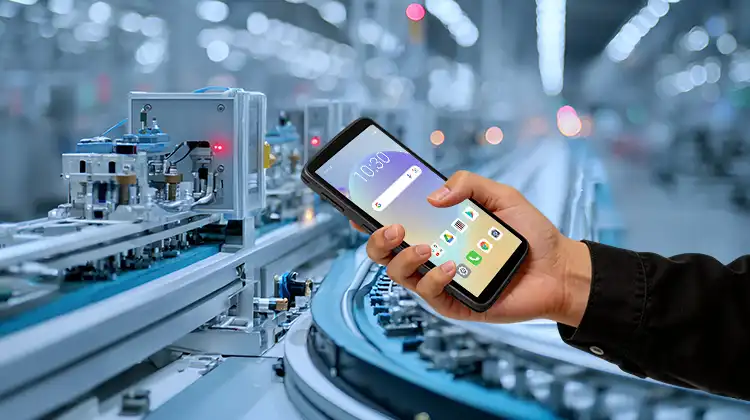
1. What Exactly Are We Tracing in PCB Panel Batch Traceability?
The core of PCB batch traceability is linking five types of barcodes into a data chain that runs from batch level down to individual board level.
Lot barcode: Printed on work order Lot cards, usually QR or Code 128. Tied to a batch of incoming material. Scanned at cutting, drilling, electroless copper, and all process handovers.
Panel (PNL) barcode: Laser-engraved on the panel edge (process edge), typically Data Matrix. Becomes invalid after depaneling along with the process edge.
Single board (PCS) barcode: Printed on the solder mask after depaneling. This is the board's lifetime ID that follows it to the customer — enabling "one board, one record."
Packaging/pallet barcode: Ties together order, carton number, and logistics information. Covers packing, truck loading, warehousing, and receiving.
Equipment barcode: Fixed next to nameplates on key machines such as drills, electroplating lines, AOI, and electrical testers. Used for parameter adjustment, inspection, and repair requests.
The first four types move with the board, with granularity ranging from coarse to fine. Equipment barcodes are stationary. The two categories are cross-linked in the MES (Manufacturing Execution System) to form a complete traceability chain: "which board, on which machine, using what parameters, scanned by whom."
2. Why Is PCB Batch Traceability So Much Harder Than Warehouse Traceability?
Two compounding factors: the barcodes are inherently fragile, and the environment accelerates device failure. Together, they render ordinary scanning equipment inadequate.
At the barcode level: PNL and PCS codes are mostly DPM codes (Direct Part Marking — codes made directly on the board surface via laser engraving). They must survive high-temperature lamination, wet-process humidity, acid/alkaline chemicals, high-pressure water rinsing, and more. Common defects include L-edge damage (missing finder pattern on Data Matrix), positive-negative (low-contrast) codes, and hole interference. Reading difficulty is far higher than standard paper labels.
At the environment level: Wet processes like etching, electroless copper, and electroplating expose devices to acid/alkali fumes, high humidity, and chemical splashes. Ordinary device ports and housings corrode quickly. Factory automation equipment and metal obstructions create complex network conditions.
At the compliance level: Automotive electronics supply chains impose strict traceability requirements under IATF 16949. Every PDA used in traceability must "scan accurately, survive the environment, and stay connected."
3. How to Select a Traceability PDA? 5 Hard Indicators Compared
Hard Indicator 1: Difficult DPM Code Reading – Determines Whether Data Gets "In"
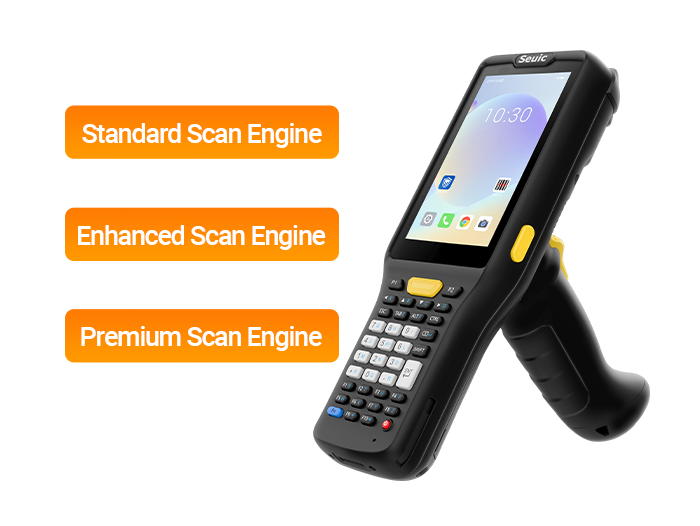
Selection requirement: Professional 2D scan engine + AI decoding algorithm. Must handle L-edge damage, positive-negative codes, high-density, reflective, and dirty codes. Scan response time in milliseconds.
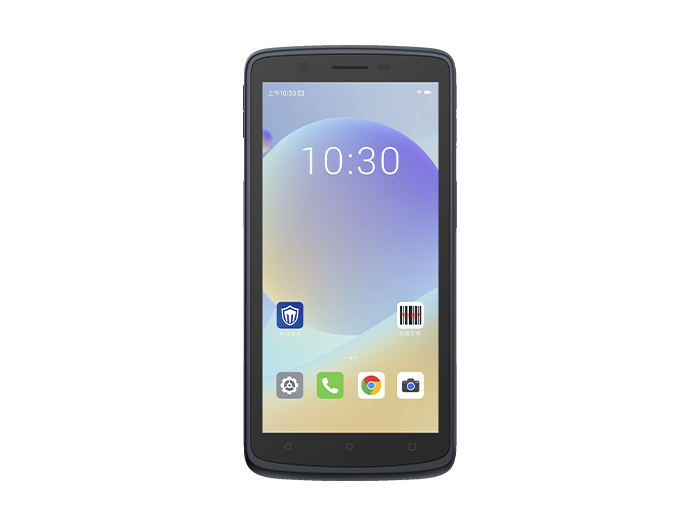
CRUISE2 equivalent: Equipped with a professional 2D imaging scan engine supporting AI-based recognition and enhanced decoding. Handles damaged, low-contrast, distorted, stained, and wrinkled DPM codes. Supports 3mil high-precision barcodes. Reads quickly even with gloves.
Hard Indicator 2: Corrosion Resistance & Protection – Determines How Long the Device "Lives"
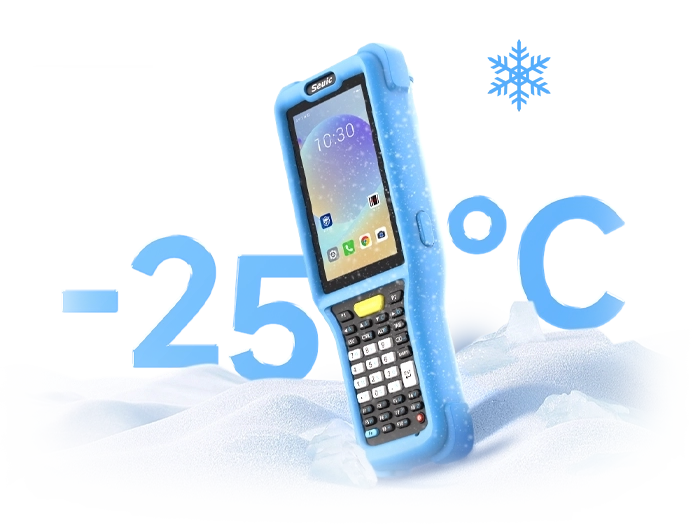
Selection requirement: Wet process workshops require IP68 protection, drop resistance, and a corrosion-resistant body with sealed ports.
CRUISE2 equivalent: IP68 rated, survives 1.5m drops onto concrete. Industrial-grade rugged construction. Type-C port with waterproof design. Sealed battery compartment and protective rubber plugs effectively slow acid/alkali fume ingress to internal circuits.
Hard Indicator 3: Complex Network Adaptation – Determines Whether Data "Connects"
Selection requirement: High-performance Wi-Fi that maintains stable transmission in workshops with metal obstructions and multiple automated machines.
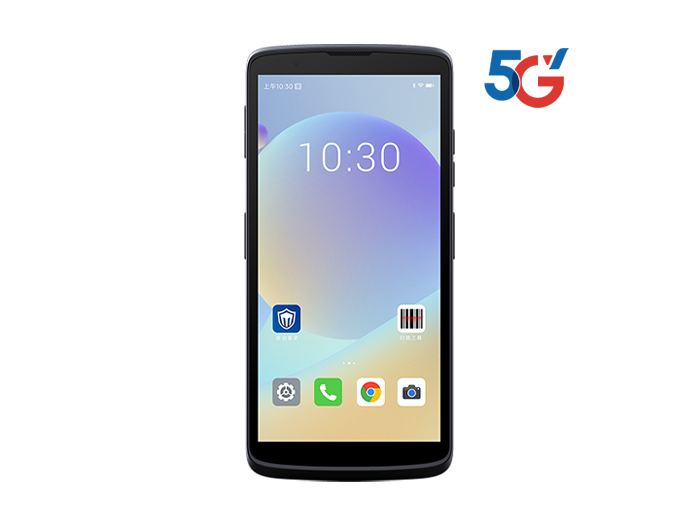
CRUISE2 equivalent: Supports Wi-Fi 6 with enhanced roaming. Low packet loss during AP handoffs. Optional 5G global-band version ensures stable MES data upload even in heavily metal-shielded workshops.
Hard Indicator 4: Dual-Shift Battery Life + System Performance – Determines Whether the Line "Stays Running"
Selection requirement: Removable battery + low-power platform to cover two shifts. System runs MES client smoothly.
CRUISE2 equivalent: Built-in 5000mAh removable battery with hot-swap support (replace without shutting down — tasks continue uninterrupted). Optional 6000mAh extended battery. Qualcomm octa-core 2.0GHz processor, Android 14, 4GB+64GB base config (upgradeable to 8GB+128GB). Runs MES, scanning, photo capture, inspection, and multitasking smoothly without lag.
Hard Indicator 5: Batch Device Management – Determines Whether the Fleet "Is Controlled"
Selection requirement: Supports batch registration, remote diagnostics, permission control, and lost device retrieval.
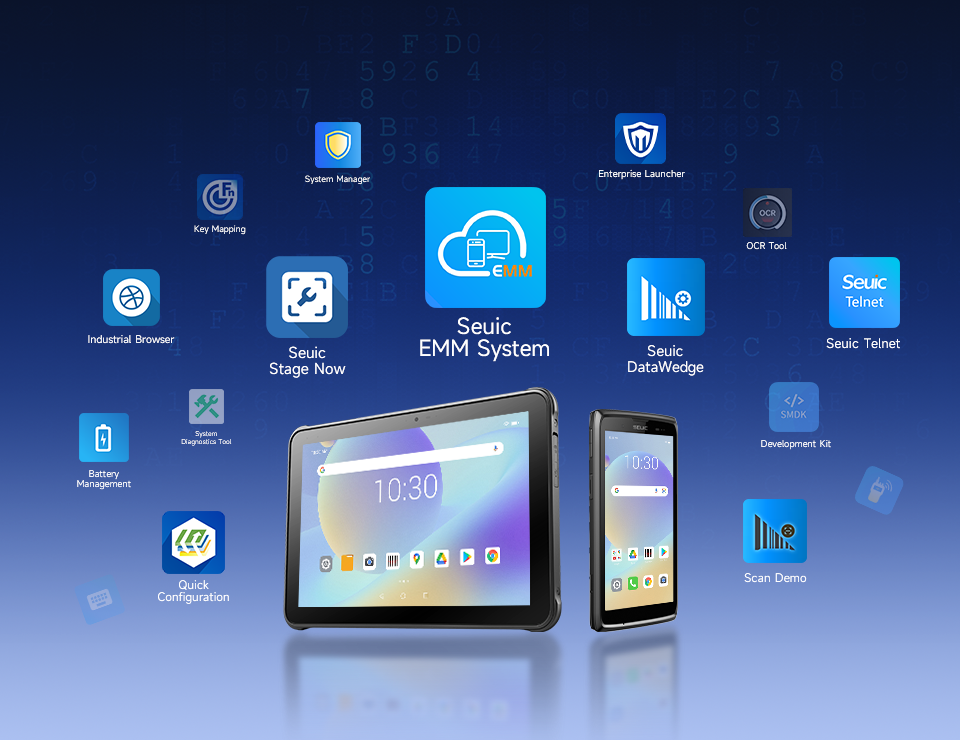
CRUISE2 equivalent: Connects to the SEUIC EMM platform (integrating MDM/MAM/MCM), covering full lifecycle management: batch deployment, app distribution, permission control, remote diagnostics, battery monitoring, and lost device retrieval — all in one console.
Among the five indicators, the first two are veto items for PCB scenarios: if reading fails, traceability data cannot be captured; if protection fails, the device won't survive the wet process warranty period. The remaining three determine ongoing operational costs after scale deployment.
4. How Is a Traceability PDA Used in a PCB Workshop?
The value of a PDA lies in "following the person" at manual workstations: cutting, drilling, electroless copper, electroplating — these are the very points where traceability data originates.
4.1 Cutting & Marking
Scan the work order Lot code. MES verifies and creates a batch record. Then laser-engrave the PNL edge code on the panel. Prevents mix-ups from the start.
4.2 Work Order Count Transfer
Scan the Lot card code at every process handover. Record completed quantities. Update WIP (Work In Progress) in real time.
4.3 Electroless Copper / Electroplating
At rack loading, scan the panel code to bind it to the flight bar and rack. Associate with the plating batch. Scan again at unloading to confirm exit. Prevents skipped processes.
4.4 Equipment Inspection
Scan the equipment barcode or tap NFC to pull up the inspection checklist. Enter parameters, take photos of anomalies, and upload. Access the equipment history with one tap.
Real-world case: A PCB manufacturer's electroless copper and electroplating workshops had two major pain points: non-standard barcodes (L-edge damage, positive-negative codes, hole interference causing poor reads), and acid/alkali gas combined with high humidity leading to rapid device oxidation and frequent failures. After switching to the SEUIC CRUISE2, the AI scan engine automatically enhanced contrast and compensated for damaged edges, restoring smooth reading of complex DPM codes. IP68 protection plus sealed ports significantly slowed oxidation. Every batch, rack, and process timestamp was linked into a complete record, meeting downstream automotive electronics customers' traceability audit requirements.
5. Is a PDA Enough for a PCB Line? How Should Four Device Types Collaborate?
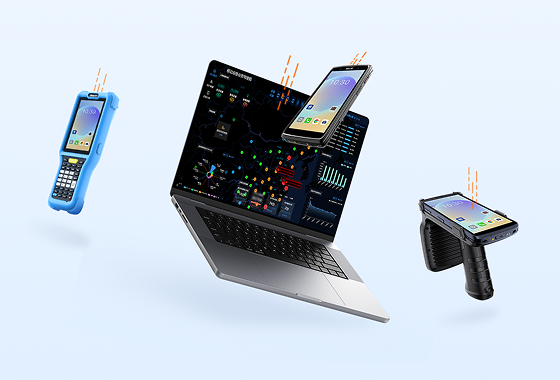
PCB lines run a dual-track approach: "automated line scanning + manual scanning." Fixed-mount readers handle automated lines, PDAs follow people, tablets serve as dashboards, and handheld scanners fill in gaps. SEUIC's four product categories each cover their segment:
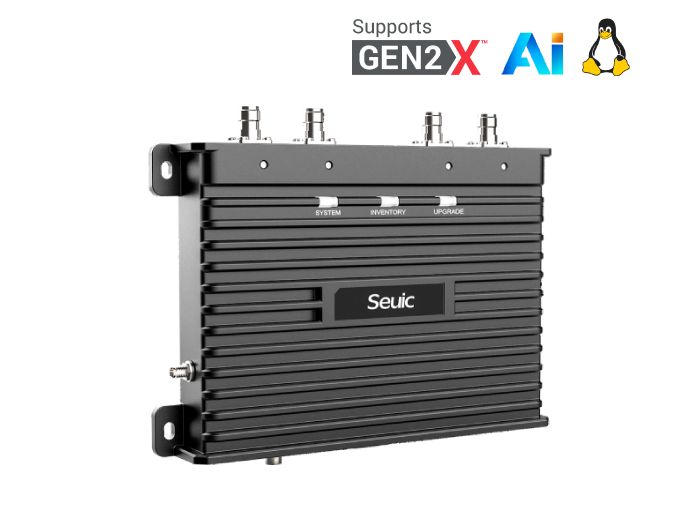
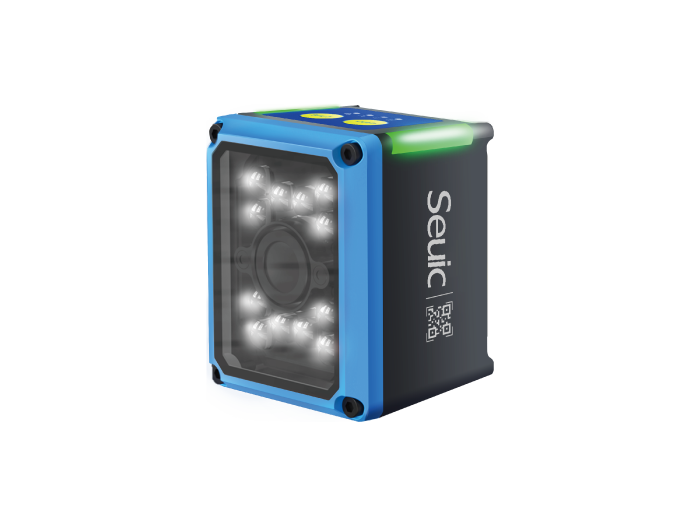
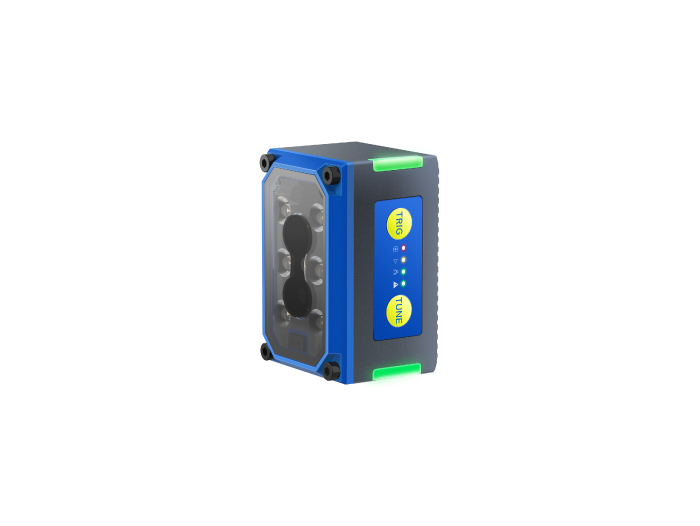
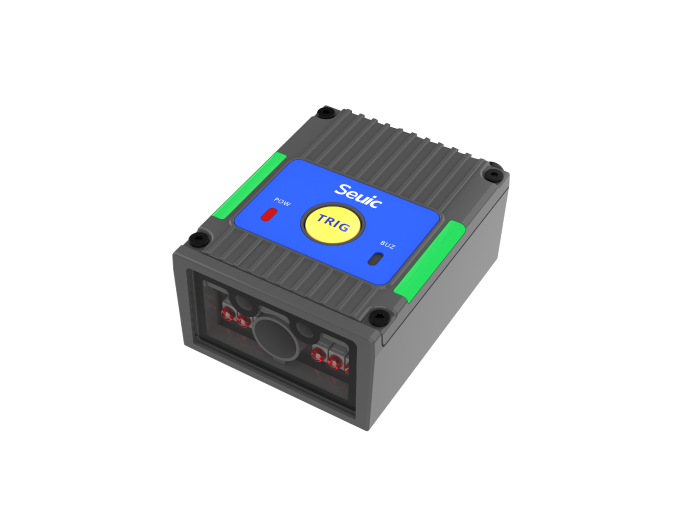
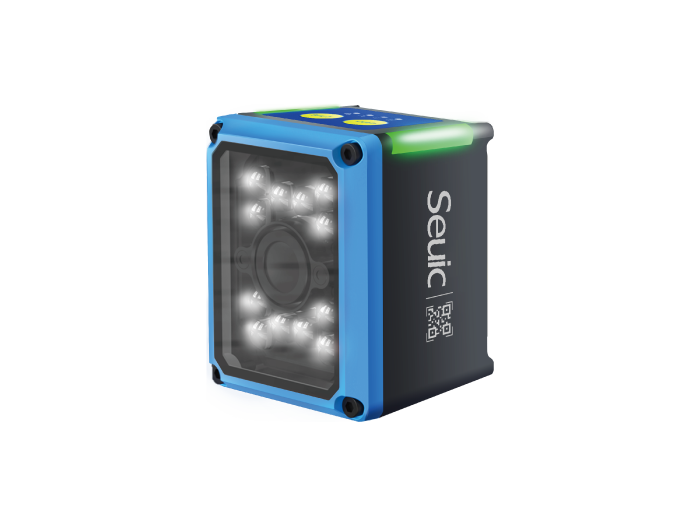
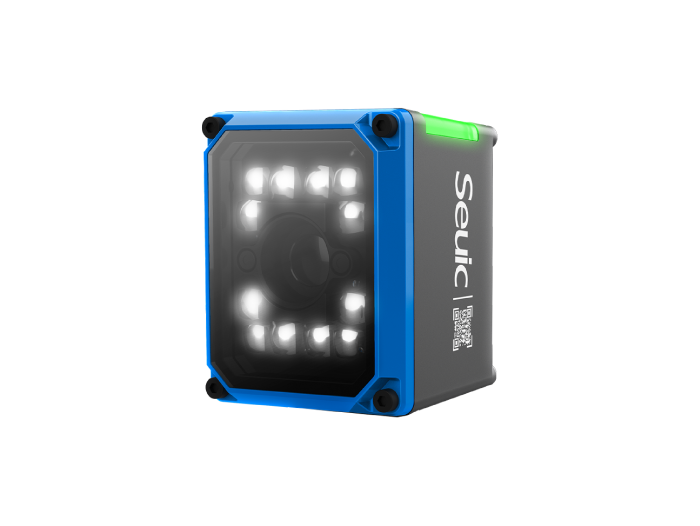
Automated line (unattended): X4/X5 Series AI Industrial Readers – Fixed-mounted at etching, lamination, drilling, electrical test, and other automated stations. Automatically scan PNL/PCS codes. Bind parameters, equipment, time, and inspection results. Write back to MES/PLC in milliseconds. 2MP to 5MP image sensors cover 40x50cm trays with fully automatic code search. AI algorithm corrects tilted, rotated, distorted, and partially damaged codes. TOF sensor auto-focuses for stacked trays. On-site deployment takes about 1 second.
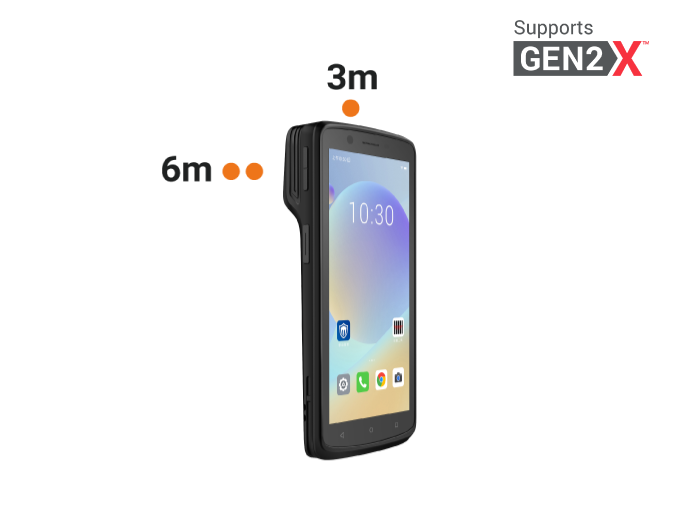
Mobile operations: CRUISE2 Industrial Android PDA – At cutting, drilling, electroless copper, electroplating, and other manual stations, it combines scanning, NFC inspection, photo capture, and WMS/MES interaction in one device. IP68 + hot-swappable battery + AI scanning makes it the "follow-the-person" traceability entry point.
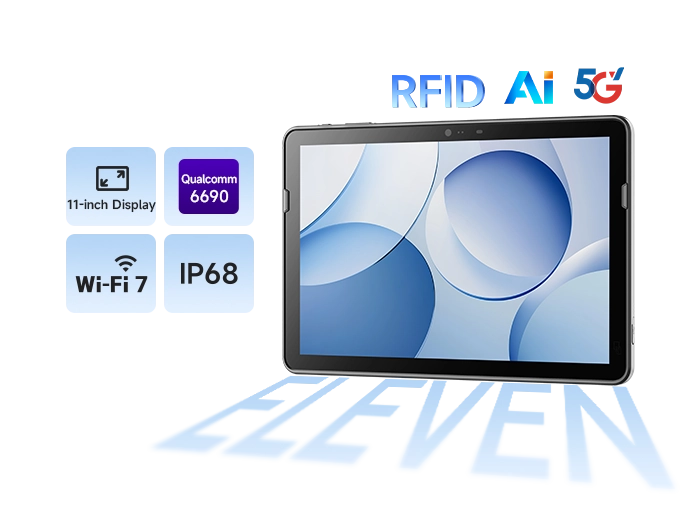
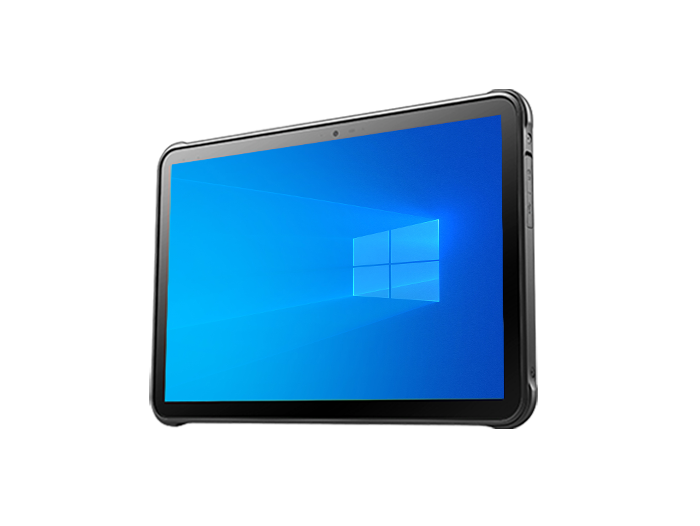
Workstation terminal: AUTOID Pad Air Rugged Tablet – FQC inspectors scan PCS codes to pull up SOPs and board inspection reference images. Compare, record results, and take photos. First-article inspection scans Lot/PNL codes to verify process documents before unlocking measurement authority. 10-inch display, Wi-Fi 6, IP65 protection, fanless design. Replaces paper SOPs.
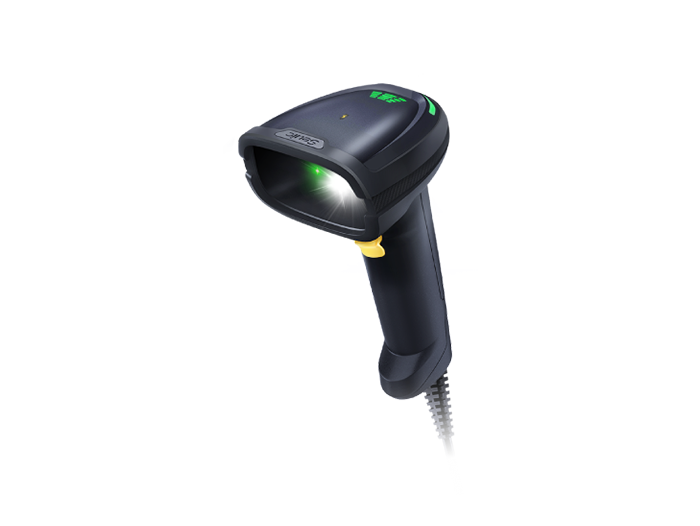
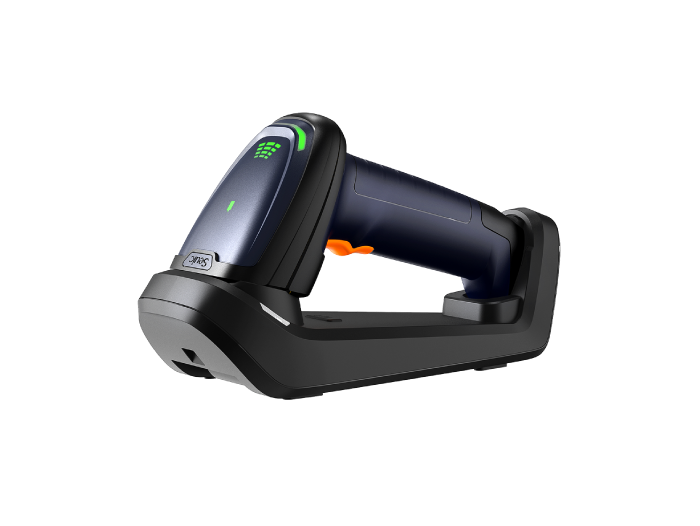
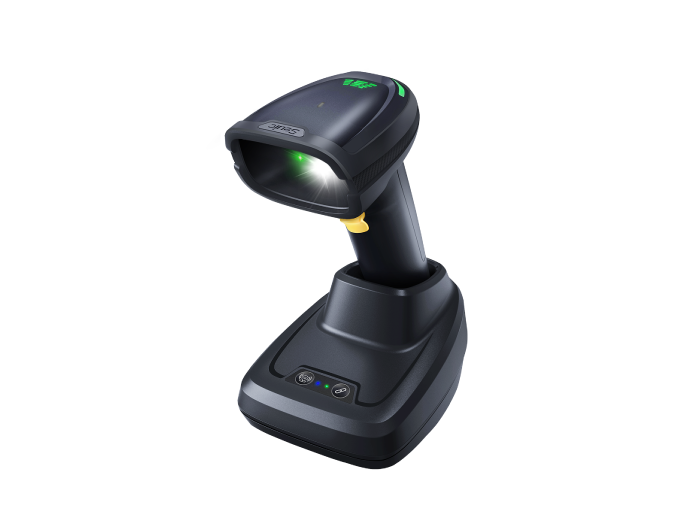
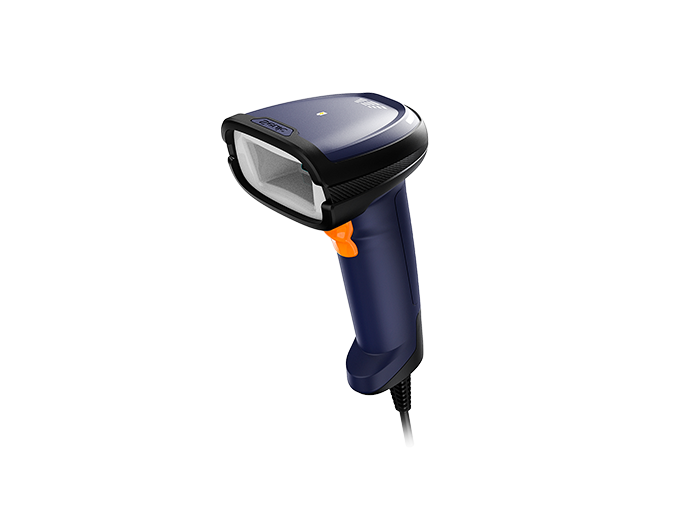
Close-range high-frequency station: HS305 Series Industrial Handheld Scanner – At packing stations, scan PCS codes to tie them to outer carton labels. Scan carton codes for sealing and palletizing. IQC receiving connects via Bluetooth to calipers for data entry. AI algorithm automatically repairs L-edge damage and faint engraving. 1.3MP resolution supports 10% low-contrast code reading. Optional HDP ultra-high-density lens reads 1mm micro-codes. Recognizes laser-engraved codes at multiple angles in milliseconds. First-pass read rate: 99.9%.
All four device types feed scan data into the same MES, cross-referencing the five barcode categories. Fixed devices keep automated lines running without interruption; mobile devices ensure manual stations are never missed. Only then is the traceability chain fully closed.
6. Frequently Asked Questions (FAQ)
Q: Can I use an ordinary barcode scanner or a smartphone instead of a PDA for PCB panel batch traceability?
A: Not recommended. Ordinary scanners lack AI decoding for DPM codes — read rates drop sharply on L-edge damage and positive-negative codes. Smartphones lack IP68 protection and fail quickly in acid/alkali, high-humidity wet-process environments. They also cannot integrate with MES for batch device management.
Q: What is the difference between Lot code, PNL code, and PCS code?
A: The Lot code identifies the batch — tied to a set of incoming materials. The PNL code identifies the panel — marked on the panel edge and invalid after depaneling. The PCS code is the board's lifetime identity — it follows the board to the customer. Granularity goes from coarse to fine. Linking them enables full-chain traceability from batch → panel → single board.
Q: What special requirements do wet-process workshops like electroless copper and electroplating have for PDAs?
A: Two hard requirements: First, IP68 protection plus a corrosion-resistant body to withstand acid/alkali gases and constant high humidity. Second, wet-hand and glove touch capability. The screen must operate normally with wet hands or gloves; otherwise, workers must repeatedly remove gloves during process handovers, hurting efficiency. The CRUISE2's 5.5-inch capacitive screen supports both wet-hand mode and glove mode, matching this need exactly.
Q: How do automated line scanning and manual scanning work together?
A: Use a "fixed + mobile" division. Automated stations like AOI, etching, and electrical test use fixed-mount vision readers for unattended scanning, with data written back to MES in milliseconds. Manual stations like cutting, drilling, electroless copper, and electroplating use the CRUISE2 PDA that follows the worker. FQC final inspection and first-article inspection use rugged tablets for viewing and comparing images. Data from all three device types flows into the same MES, so the traceability chain has no gaps.
Q: How does traceability data collected by the PDA enter the MES?
A: The mainstream approach is real-time upload via Wi-Fi or 5G after scanning. PCB workshops have heavy metal obstructions and complex network conditions, so choose a high-performance Wi-Fi or 5G model. During the selection phase, ask the vendor to perform on-site weak-signal testing.
Related News

-
Double Efficiency High-Bay Inventory: Normal vs Ultra-Long Range UHF RFID Handheld
Product Updates | 2026.11.04Learn More
-
India RFID Supplier Selection: Industrial Procurement & Audit Guide
Product Updates | 2026.11.04Learn More
-
RFID Inventory for Beverages & Fresh Food: Handheld Reader Selection Guide
Product Updates | 2026.11.04Learn More
-

RFID Manufacturer Selection: China vs India Sourcing Decision Guide
Product Updates | 2026.11.04Learn More