




Portable Barcode Scanner for High-Rack Warehouses
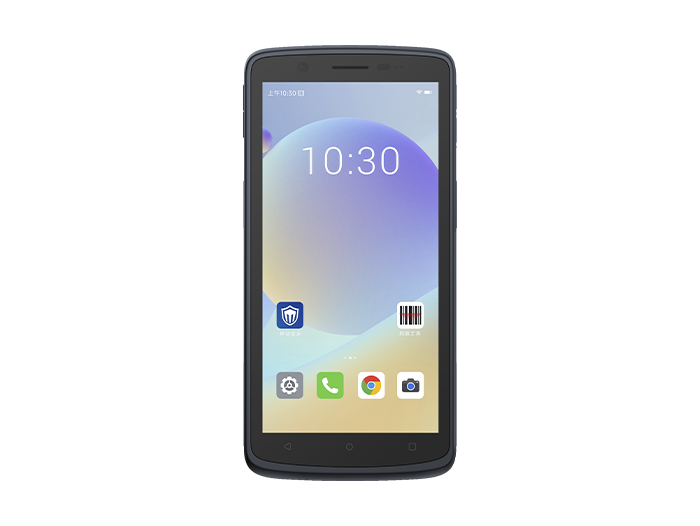
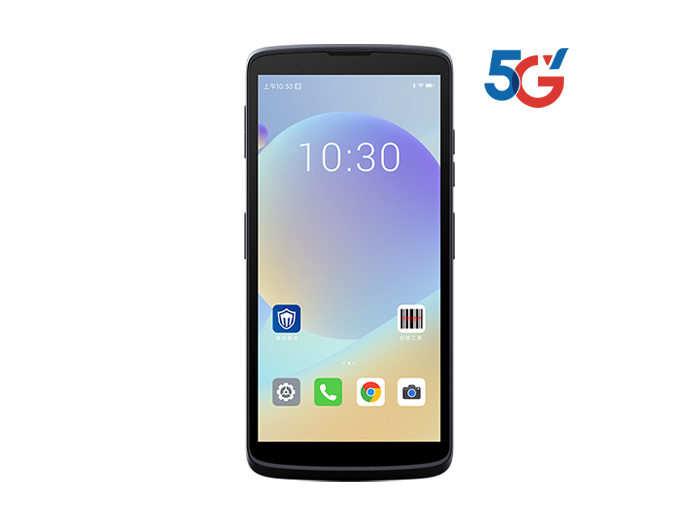
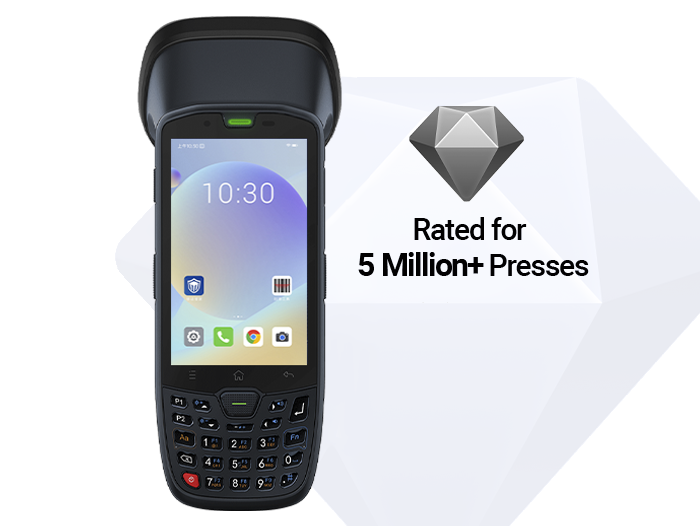
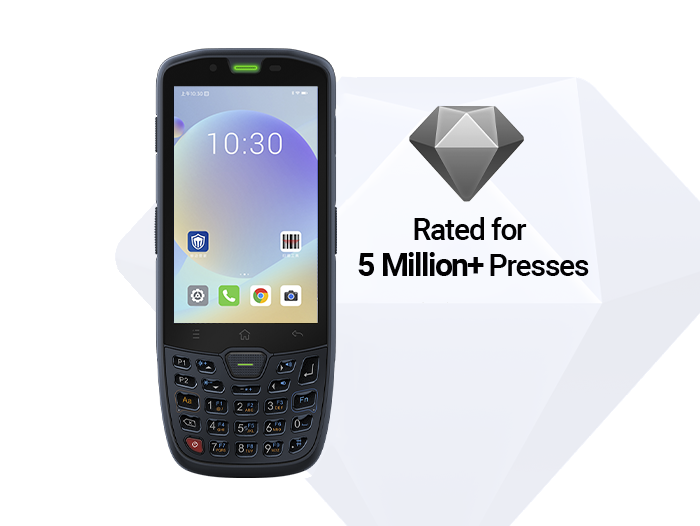
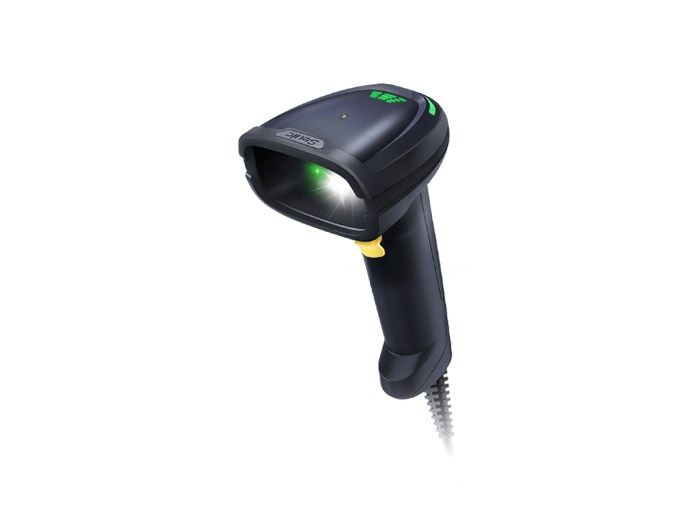
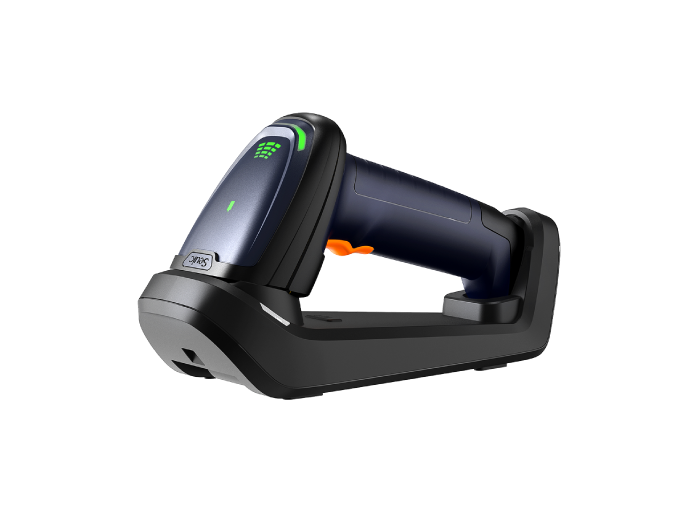
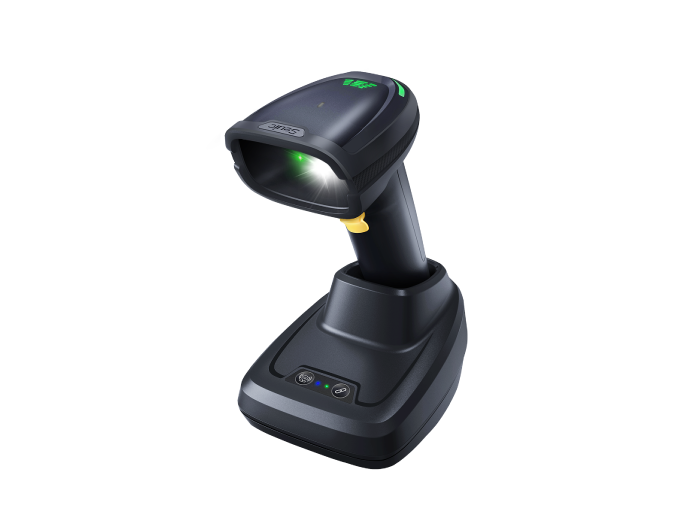
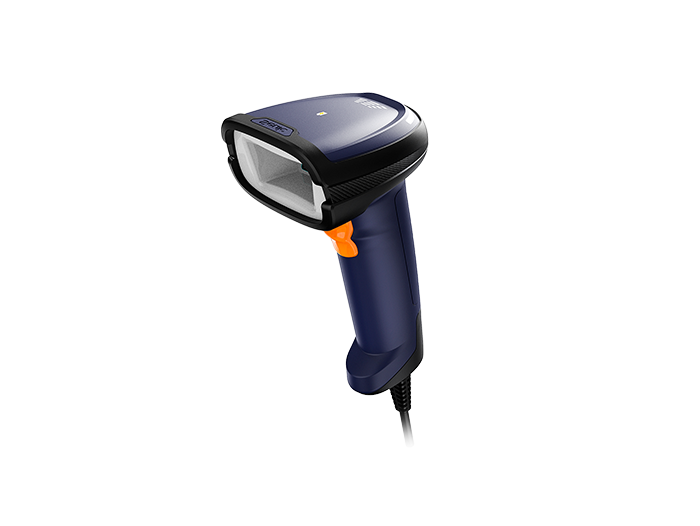
In high-rack warehouses, barcodes at 5 to 15 meters are typically checked by climbing ladders or lowering pallets with forklifts — slow, inefficient, and risky for falls and product mix-ups. A ground-level solution built around a portable barcode scanner with long-range capability changes this: dispatch tasks by aisle, use a long-range 2D engine to read high-level labels, and push data back to WMS in real time. The SEUIC AUTOID Q7 Grip is purpose-built for this scenario, offering 30-meter long-range scanning, a pistol grip, IP65 protection, Android 14, a 5,200 mAh swappable battery, and support from ambient temperature down to -25°C for cold storage environments.
1. The High-Rack Challenge: Why Short-Range Guns Fail at 5–15 Meters
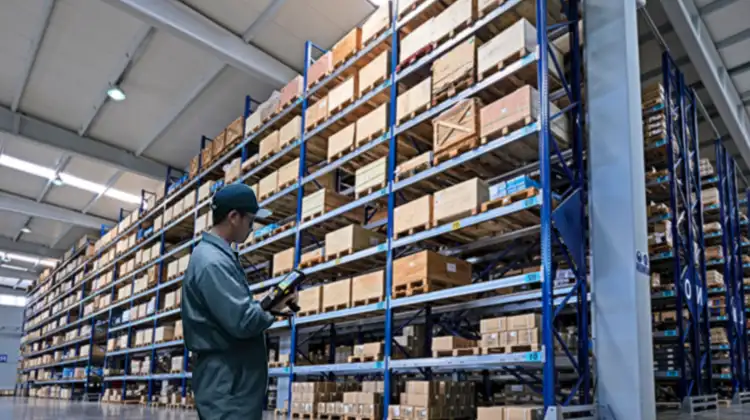
The problem in high-rack warehouses isn't that barcodes don't exist — it's that they're too far, too many, and too varied.
Short-range scanning devices require close proximity to read. Labels above 5 meters can only be reached by climbing. When workers try to scan from the ground, they often fail due to poor angle or small label size. High-level labels face additional challenges: bin location plates may be obscured by grease or condensation; external carton barcodes can fade or wrinkle after long-distance transport; metal shelving causes reflections, and cold storage fog further degrades read rates.
Climbing to verify SKU, batch, and expiry dates is painfully slow. A QC inspector or warehouse clerk may need to reposition a ladder, step onto a platform, and raise a device just to confirm a single label — multiplying the time per check. Manual data entry introduces inventory discrepancies: when a short-range gun can't read a label, workers resort to handwriting the information and entering it into WMS later, increasing the risk of wrong shelf assignments, incorrect batch numbers, and missed expiry dates. This is especially critical for pharmaceuticals, perishable foods, and high-value consumables with short shelf lives.
Whether it's raw material staging in manufacturing, multi-client mixed storage in 3PL, pre-season picking in e-commerce, seasonal top-shelf items in retail, secondary hospital supply rooms, or utility meter asset warehouses — any rack system exceeding 5 meters will be slowed down by short-range scanning.
2. The Standard Approach: Aisle-Based Operation with Long-Range Scanning
The long-range scanning device serves as the primary data collection tool for aisle-wide operations, not just a backup for occasional hard-to-reach labels.
2.1 Start with Long-Range 2D Capability
For high-rack scenarios, prioritize image-based long-range 2D scanners that support 1D, QR codes, DataMatrix, PDF417, and other common symbologies. They should have enough decoding margin for high-density codes, small bin location plates, and slightly damaged labels. Select standard, mid-range, or telephoto long-range optics based on actual rack height, and validate using first-pass read rate with your actual sample labels.
2.2 Divide Scanning Zones by Shelf Height
0–2 meters (case-pick level): Use short or mid-range mode
2–5 meters: Switch to mid-range or telephoto long-range
5–15 meters: Primary long-range 2D mode — scan bin location plate first, then carton label
Above 15 meters: Manual spot-checking and exception handling; supplement with fixed tunnel scanners or vehicle-mounted terminals for regular inbound/outbound
2.3 Dispatch Tasks by Aisle, Scan Column by Column
After WMS assigns an aisle task, scan the aisle barcode first. The screen then shows only the target bin locations for that aisle. The operator walks slowly along the aisle, first capturing the bin location barcode, then the pallet or carton label. The system validates against "bin + SKU + batch + expiry" to prevent cross-shelf misreads.
2.4 Configure Aiming, Framing, and Feedback Separately
The long-range scanner should provide aiming lines, real-time on-screen framing, audible beeps, vibration, and LED indicators. For cold storage, high-noise sorting lines, and nighttime distribution centers, test gloved-hand triggering, wet-screen touch response, and feedback effectiveness in noisy environments separately.
2.5 Build in Automatic Degradation for Damaged Codes
On first failure, the scanner can automatically increase exposure and zoom in for a retry. On consecutive failures, switch to close-range rescan or capture a photo for upload. Exception work orders should trigger a reprint request to the warehouse manager — avoid manual WMS quantity edits on the floor.
3. Closing the Loop: Long-Range Scanning for Putaway and Cycle Counting
3.1 Putaway Binding: Scan Bin + Product
After receiving and quality inspection, scan the bin location barcode first, then the carton's SKU, batch, and expiry date. The system establishes a "bin → pallet → product → batch" relationship. For items placed on high racks before labeling, pre-bind the bin location and write back after the actual label is confirmed.
3.2 Cycle Counting: Batch Transmission by Aisle
WMS generates aisle tasks based on ABC classification, expiry dates, customer, or warehouse zone. Upon receiving a task, only the specified aisle is unlocked. The operator performs aisle-based long-range scanning of bin plates and carton labels. The system compares on-hand quantities against WMS records in real time. Higher frequency can be set for near-expiry pharmaceuticals, cold storage batches, and promotional e-commerce items.
3.3 Automatic Discrepancy Write-Back Triggers Work Orders
Scan results fall into three categories: match, quantity variance, or bin location anomaly. Quantity variances automatically generate a cycle count discrepancy order. Bin anomalies trigger a relocation review. Damaged labels generate a reprint work order. All results are written back to WMS in real time — no local spreadsheets.
3.4 Cross-Function Reuse: Picking and Outbound Verification
During high-rack picking, WMS provides a route by aisle and shelf level. The operator confirms the target pallet with a long-range scan before raising the forklift. Outbound verification re-scans the product and batch. Putaway, storage, picking, and outbound all use the same barcode standards.
4. The SEUIC AUTOID Q7 Grip in Practice
4.1 Long-Range Scanning and Depth of Field
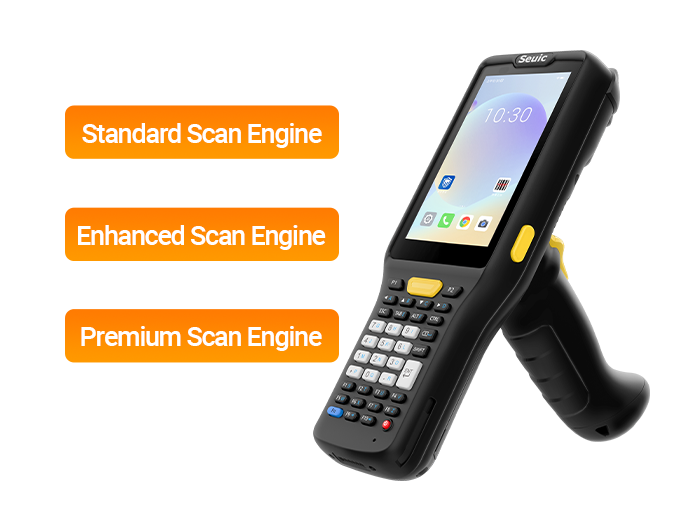
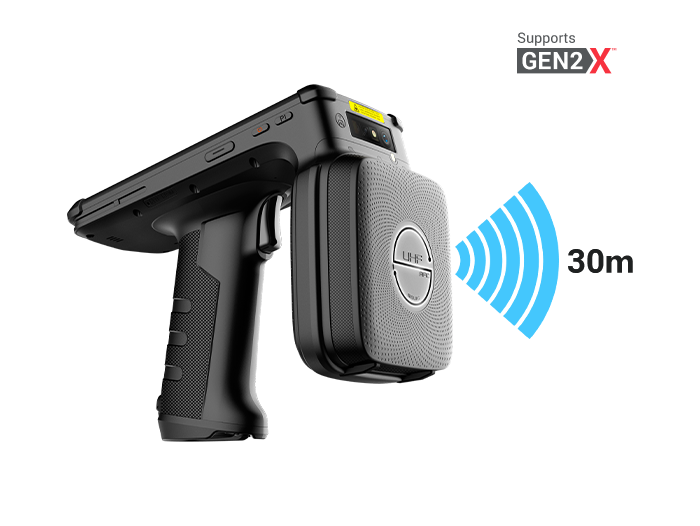
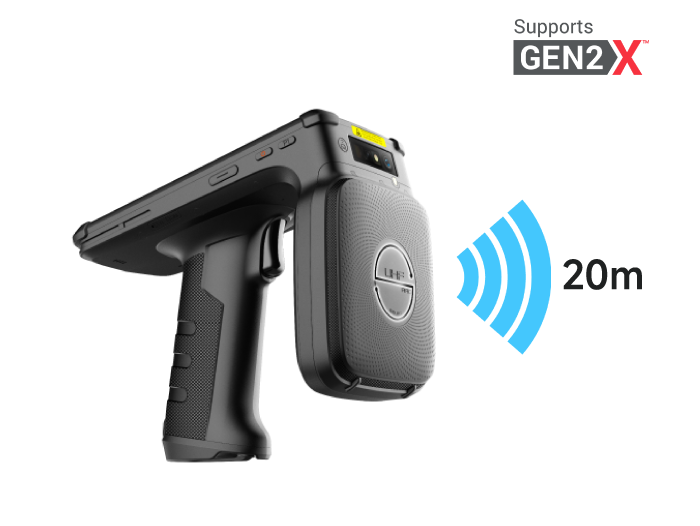
The AUTOID Q7 Grip offers a 0–30 meter scan range with optional standard 2D, high-density 2D, and advanced long-range 2D engines. For the 5–15 meter high-rack scenario, prioritize the long-range 2D optic. The detachable pistol grip allows a forward-facing aim for high-level targeting, reducing wrist strain from prolonged upward scanning. We recommend testing with your actual carton labels and shrink-wrapped labels to determine the correct engine based on first-pass read rate.
4.2 System, Connectivity, and Battery
Qualcomm octa-core 2.0 GHz processor, 4 GB RAM + 64 GB ROM, Android 14 — capable of running WMS, TMS, and other enterprise applications. Proprietary Wi-Fi Well technology optimizes roaming across warehouse aisles. The 5,200 mAh swappable battery provides approximately 14 hours of operation, with hot-swap support to avoid business interruption.
4.3 Durability, Low Temperature, and Lifecycle
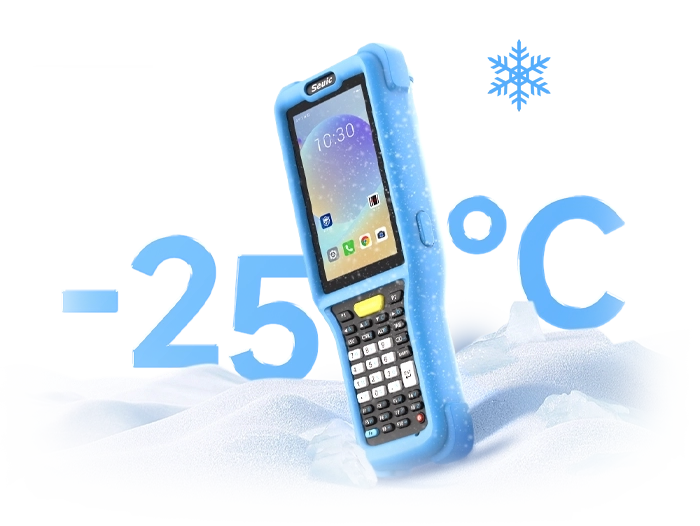
IP65 protection rating, 2-meter concrete floor drop survival. Operating temperature range from ambient down to -25°C for cold storage environments. The 4.0-inch industrial capacitive touchscreen supports glove and wet-hand operation. Audible, vibration, and LED feedback are suitable for high-noise sorting lines.
5. Applications by Industry
Manufacturing / Factory Warehouses: Bind production batches to bin locations during putaway; QC performs long-range spot checks on high-level zones.
3PL and E-Commerce: Dispatch aisle tasks by customer and expiry date; pre-pick high-level seasonal inventory before promotions — no ladder climbing.
Supermarkets / Retail Chains: Store seasonal items on top shelves; scan carton codes and expiry dates to prevent near-expiry products from lingering at high levels.
Hospitals / Pharmacies: Place high-value consumables and pharmaceutical batches on high racks; use long-range scanning to verify expiry dates with WMS alerts.
Utilities / Government: Store meters, tools, and assets in high-bay storage; combine scanning, photo capture, and location tagging to create a complete inspection closed loop.
The key to improving efficiency in high-rack warehouses is replacing ladder climbing with a long-range scanning device: divide scanning zones by shelf height, dispatch tasks by aisle, bind bin locations and batches during putaway, and automate discrepancy write-back to WMS. The SEUIC AUTOID Q7 Grip, with its 30-meter long-range scanning, pistol grip, IP65 protection, Android 14, Wi-Fi Well technology, and -25°C cold storage adaptability, is well-suited for high-rack scenarios across manufacturing, 3PL, e-commerce, retail, healthcare, and utilities.
If you are considering upgrading your high-rack scanning solution, feel free to contact SEUIC to request a free trial.
Related News
-
RFID Tracking System Buying Guide: 10 Must-Evaluate Selection Factors
Product Updates | 2026.09.18Learn More
-
RFID Tracking vs Barcode: The Ultimate Asset Tracking Selection Guide
Product Updates | 2026.09.18Learn More
-
RFID Tracking in Supply Chain: An End-to-End Visibility Solution from Factory to Customer
Product Updates | 2026.09.15Learn More
-
RFID Tracking for Warehouse Assets: Achieving Real-Time Visibility for Pallets and Containers
Product Updates | 2026.09.15Learn More