











RFID Asset Tracking: Loss Prevention & Utilization for Shop Floor Tools
For plant managers, production supervisors, and warehouse operators, a familiar scene plays out every day: valuable tools and molds quietly disappear on a busy shop floor. Time spent hunting for a specific mold or calibrated torque wrench doesn't just waste productivity — it cuts straight into your bottom line. This vicious cycle of loss, misplacement, and low utilization erodes profitability and creates bottlenecks throughout your operations.
But what if you could know the exact location and status of every critical asset in real time? What if you could eliminate manual sign-out sheets and frantic "where did I last see it" searches? This is the promise of Radio Frequency Identification (RFID). By implementing an RFID asset tracking system, you can transform your shop floor from a hidden cost center into a lean, efficient operation.
1. The Hidden Cost of Manual Tool and Mold Management
Before diving into solutions, we need to recognize the true scale of the problem. In most workshops, tools and molds are still managed using paper sign-out sheets, spreadsheets, or simple visual checks. These methods are riddled with inefficiencies:
High loss and theft rates. Without automated tracking, tools are easily misplaced, borrowed and never returned, or stolen. The cumulative cost of replacing lost items — especially specialized molds and precision instruments — can be staggering.
Excessive downtime. A production line stopped because a critical mold is missing is a nightmare. Workers spend valuable time searching for assets, directly impacting output and on-time delivery.
Poor asset utilization. How many times have you bought a new tool because the old one couldn't be found, only to discover it later? Low visibility leads to hoarding and unnecessary purchases. Many expensive molds sit idle while others are overused, causing premature wear.
Inaccurate inventory data. Manual counts are time-consuming, error-prone, and rarely reflect reality. Without accurate data, you cannot effectively forecast demand, plan maintenance, or optimize stock levels.
Compliance and safety risks. In regulated industries, failing to track calibration dates or mandatory inspection records for safety-critical tools can lead to serious compliance violations and accidents.
These pain points are not just operational annoyances. They represent a massive drain on capital and resources that directly weakens your competitiveness.
2. How RFID Delivers Real-Time Visibility and Control
RFID enables a paradigm shift from passive, manual management to proactive, automated control. Unlike barcodes, which require line-of-sight scanning, RFID uses radio waves to communicate between tags attached to assets and a reader. This fundamental difference unlocks powerful capabilities:
Batch, non-line-of-sight reading. A single RFID reader can instantly identify dozens or even hundreds of tagged tools and molds inside a cabinet, bin, or pallet — without opening each container. Tasks that once took hours of counting are reduced to seconds.
Real-time location tracking. By strategically placing fixed readers at doorways, tool crib exits, or key workstations, you create "choke points" that automatically log when an asset enters or leaves. You can immediately see which employee checked out which tool and where it was last seen.
Automated check-in/check-out. An RFID-enabled tool crib works like a self-checkout lane. Employees simply walk past a reader with their borrowed tools, and the system automatically records the transaction. This eliminates paperwork, speeds up the process, and ensures accountability.
Utilization analytics. Every interaction with a tool or mold is logged. You gain powerful data on frequency of use, dwell time, and movement patterns. This lets you identify underutilized assets for redeployment and spot overused assets that need preventive maintenance.
Alerts and automation. The system can trigger automatic alerts for overdue returns, unauthorized removal from designated areas, or upcoming calibration deadlines. This proactive warning stops losses before they happen.
By providing a single source of truth for your asset data, RFID empowers you to make data-driven decisions that directly reduce losses and maximize return on investment.
3. Choosing the Right Tool: The Power of an Industrial-Grade Handheld Reader
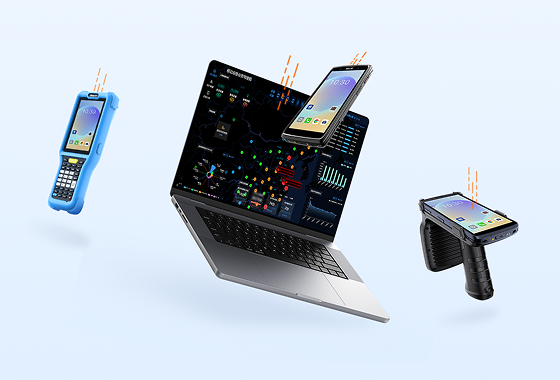
To fully unlock the potential of an RFID tracking system, you need rugged, reliable hardware that can withstand harsh industrial environments. While fixed readers are ideal for choke points and portals, a high-performance handheld RFID reader is essential for flexibility, spot checks, and targeted counts.
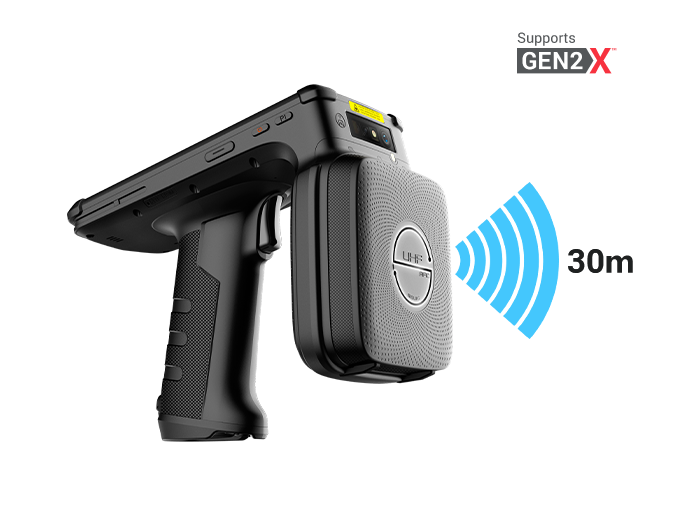
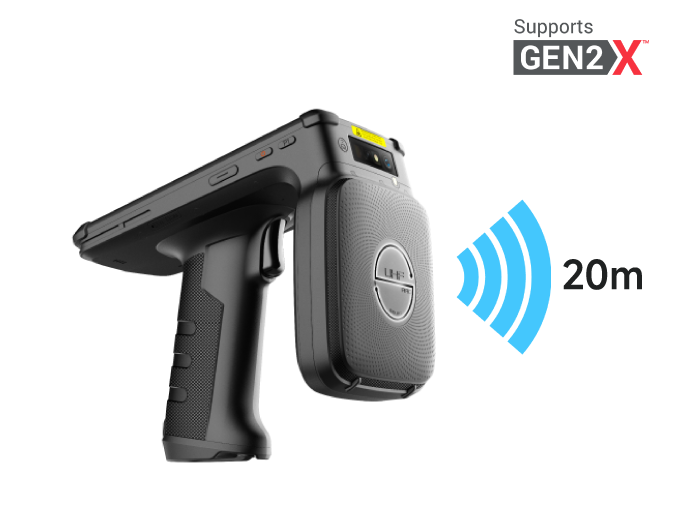
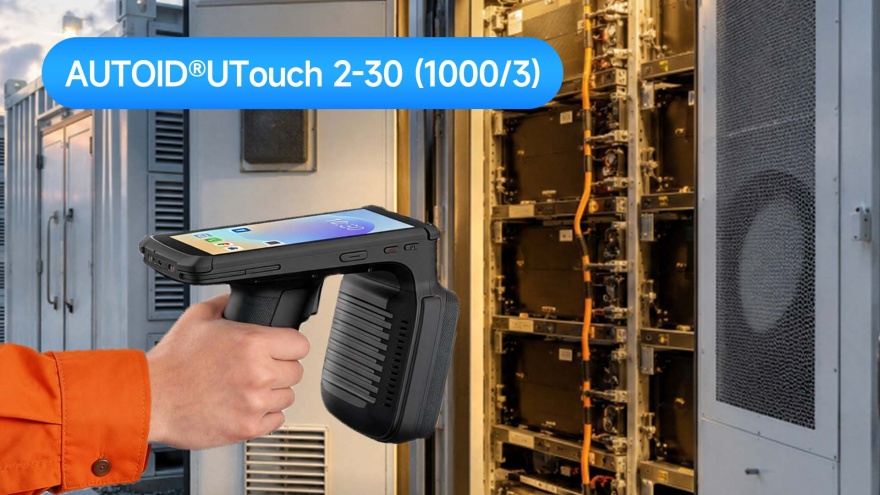
When evaluating handheld readers for your shop floor, look for features designed for real-world conditions. Consider a device that combines ultra-long read range with rugged durability. A reader capable of picking up tags from 30 meters away lets you quickly scan high shelves or large storage areas without climbing ladders or moving heavy pallets. Similarly, the ability to read up to 1,000 tags in just three seconds is critical for fast, accurate cycle counts of dense tool cribs or mold libraries.
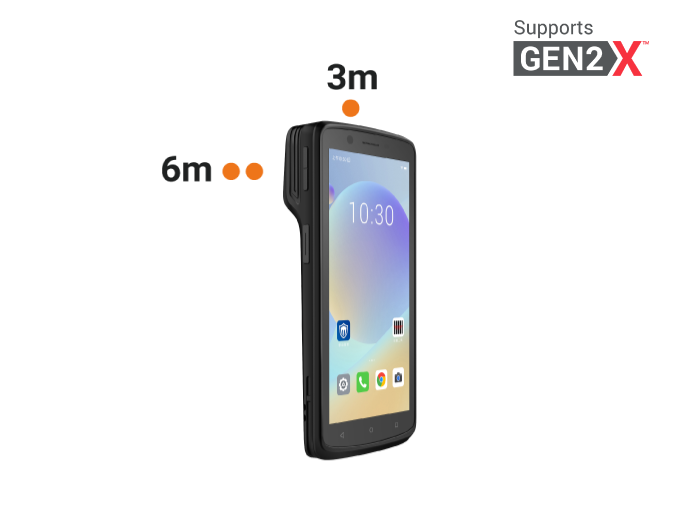
This is where the SEUIC AUTOID UTouch 2-30 excels. Lightweight yet powerful, this handheld RFID scanner bridges the gap between portability and performance. Its dual-range reading capability — 0–3 meters vertically and 0–6 meters in standard orientation — provides comprehensive coverage for everything from small parts bins to large shelving audits. Beyond core RFID functionality, it also supports NFC, barcode scanning, and image capture, making it a versatile all-in-one tool for your team. With an IP67 rating and 1.8-meter drop resistance, it survives the accidental falls, dust, and moisture common in manufacturing and warehousing environments. This combination of power, speed, and durability makes it an ideal choice for any plant manager looking to implement a reliable, efficient asset tracking program.
4. Your Practical Guide to RFID Asset Tracking Implementation
Transitioning to an RFID-based system doesn't have to be daunting. A phased, strategic approach ensures smooth adoption and maximum ROI.
Audit and prioritize your assets. Start by identifying your most critical, highest-value tools and molds. Focus on items whose loss would cause the longest downtime or most expensive replacement. This gives you the quickest wins.
Choose the right tags. Not all RFID tags are created equal. For metal molds, you need on-metal tags specifically designed for metal surfaces. For tools with plastic handles, standard passive UHF tags may suffice. Consider environmental factors — heat, chemicals, abrasion — when selecting tag materials.
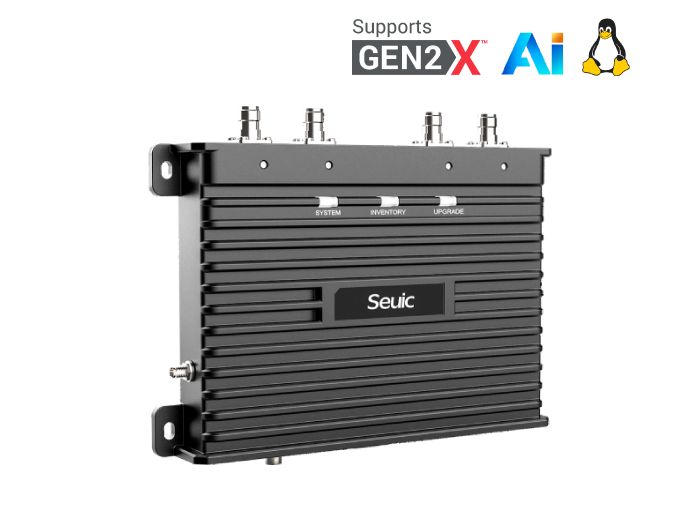
Define your infrastructure. Decide where fixed readers are needed — for example, at tool crib entrances — and where handheld readers are most useful, such as for shelf audits and mobile spot checks. A combination of both is usually the most effective approach.
Integrate with existing systems. Ensure your chosen RFID software can integrate with your existing ERP or inventory management system. This seamless data flow is critical for turning raw tag reads into actionable business intelligence.
Tag and go live. Establish a standardized process for tagging new assets. Train your staff on how to use the handheld reader and explain the benefits of the new system to encourage adoption.
Start small, scale fast. Pilot the system in one department or with one asset class — for example, all injection molds. Use this pilot to refine your process, prove ROI, and then roll out across your facility.
Implementing an RFID asset tracking system for your shop floor tools and molds is no longer a future concept. It is a proven strategy for achieving operational excellence. By replacing guesswork with real-time data, you can dramatically reduce losses, slash downtime, and unlock the full potential of your existing assets. The initial investment is quickly recovered through lower replacement costs, higher productivity, and optimized inventory.
The journey toward a smarter, more efficient shop floor starts with a single step. Assess your current pain points, explore the available technology, and start building your business case for change. The result will be a more resilient, profitable, and competitive operation.
Related News

-
Double Efficiency High-Bay Inventory: Normal vs Ultra-Long Range UHF RFID Handheld
Product Updates | 2026.11.04Learn More
-

India RFID Supplier Selection: Industrial Procurement & Audit Guide
Product Updates | 2026.11.04Learn More
-
RFID Inventory for Beverages & Fresh Food: Handheld Reader Selection Guide
Product Updates | 2026.11.04Learn More
-

RFID Manufacturer Selection: China vs India Sourcing Decision Guide
Product Updates | 2026.11.04Learn More