




RFID Asset Tracking vs. Barcode: Comparison & Decision Guide
Choosing an asset tracking technology starts not with "Is RFID more advanced?" but with whether your asset volume, movement frequency, inventory method, and budget actually call for wireless batch identification. Barcodes win on low cost, simplicity, and reliability. RFID wins on bulk reading and automated data capture. Below is a step-by-step breakdown by principle, use case, recommended solutions, and selection strategy.
1. How Barcode and RFID Work: A Technical Comparison
Barcode is optical recognition: black-and-white bars or QR patterns encode a string of characters. A scanner decodes them via laser or camera imaging. It requires the label to be visible, reasonably clean, and roughly aligned with the scanner. One scan reads one code at a time.
RFID is radio frequency identification: each tag contains a chip and antenna. A reader emits radio waves, and tags respond with a unique identifier (such as an EPC). It does not depend on light or precise alignment, and can read multiple tags simultaneously within a certain range.
The core differences are not about "electronic vs. printed" but three factors:
Line of sight: Barcodes require direct visibility. RFID works without line of sight, though metal, liquids, tag placement, and antenna orientation still affect read rates.
Reading mode: Barcodes scan one item at a time. RFID reads in batches.
Data carrier: A barcode is fixed once printed. An RFID tag can be rewritten with updated status information.
2. When Does Barcode Make More Sense?
Barcodes are not a "low-end solution." They are the optimal choice for low-complexity scenarios.
Medium asset volume, low movement frequency
Office computers, monitors, printers, tool cabinets, and low-value consumables — monthly or quarterly inventory cycles are sufficient. Scanning one item at a time is the lowest-cost approach.
Item-level inbound/outbound logging
Retail receiving, pharmaceutical lot verification, manufacturing batch traceability, courier sorting — one scan per transaction keeps the process clear and accountability intact.
Clean environments with minimal label wear
Barcodes achieve very high read rates on paper, plastic film, and standard label stock — as long as they are not covered in grease, scratched, or applied to curved or reflective surfaces. Cost-effectiveness is outstanding.
Budget-sensitive or newly established systems
Labels cost pennies. Entry-level scanners are affordable. Excel plus a scanner can get you started, with WMS/ERP integration added later.
Typical industries:
Retail store receiving and checkout
Small warehouses, tool rooms, office assets
Pharmaceutical receiving and food lot registration
Factory raw material stores and low-value consumables
3. When Does RFID Make More Sense?
RFID's value becomes clear when "walking around scanning every item manually" starts slowing down your operations.
High inventory frequency, large asset volumes
Large warehouses, distribution centers, apparel stores, and libraries — covering tens of meters and hundreds of items in one pass. Scanning each barcode individually is too slow.
High-value equipment requiring full lifecycle traceability
Factory molds/tooling, medical devices, surgical instrument kits, power inspection gear — every checkout, return, repair, and transfer should be automatically recorded.
Assets that are hard to reach or obstructed
High shelves, closed cabinets, palletized goods, labels on the back of equipment — RFID reads through packaging without unstacking or searching.
Automatic entry/exit detection
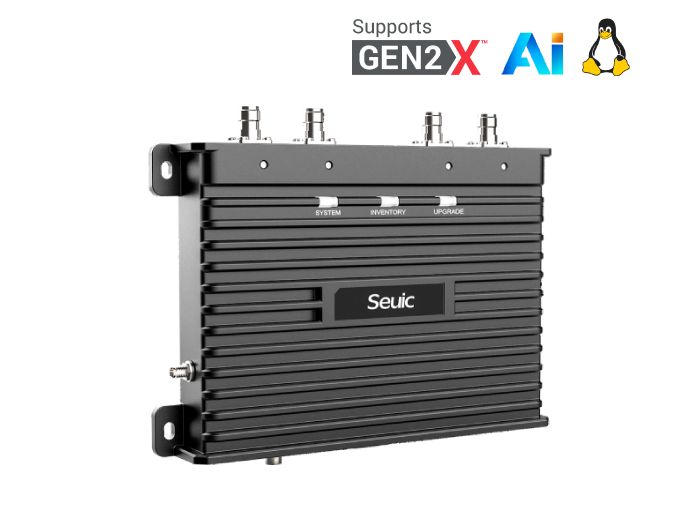
Install fixed readers at tool room doors, spare parts storage, or medical device cabinets. Assets passing through are automatically logged, reducing manual misses.
Dirty, greasy, or dusty environments
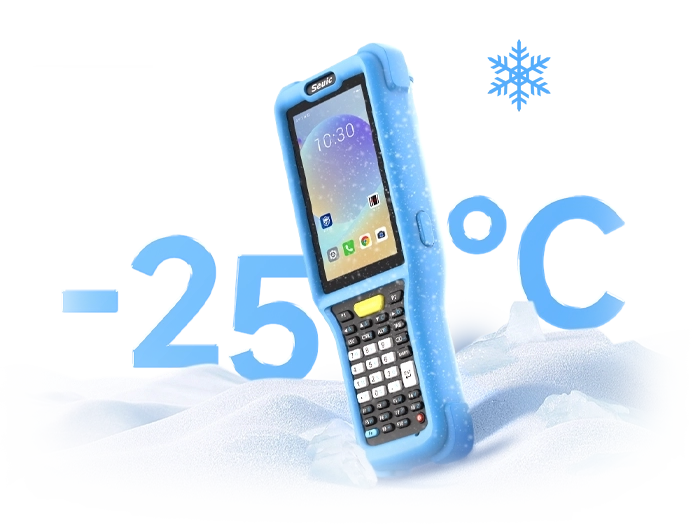
Workshops, cold/damp warehouse zones, outdoor inspections — barcodes get smudged easily. RFID tags offer better protection, though metal surfaces require on-metal tags.
Typical industries:
3PL/e-commerce warehouses: pallet-level inbound/outbound
Manufacturing: tooling, fixtures, molds, WIP
Healthcare: high-value equipment, surgical packs, wheelchairs, pumps
Utilities: electric/gas meters, gas cylinders, inspection assets
Apparel retail: daily store inventory, loss prevention
4. Recommended Solutions: Match the Scenario First, Then Choose the Device
Once the technology direction is confirmed, devices are just the execution layer. Below are fitment guidelines for barcode and RFID routes respectively.
4.1 Barcode Solution: How to Select Devices
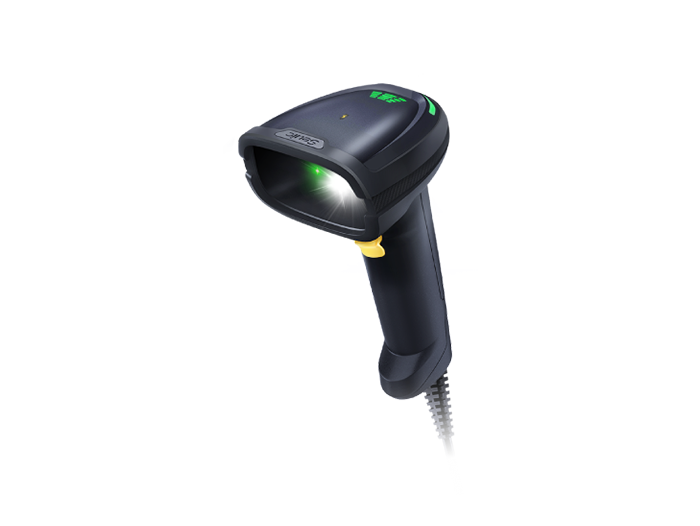
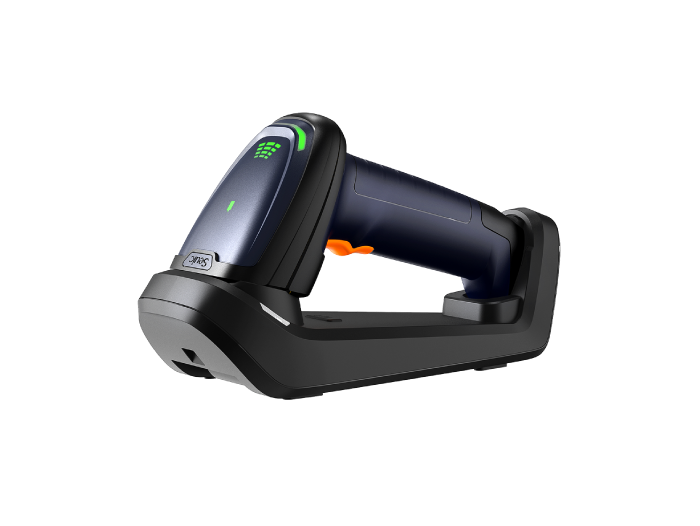
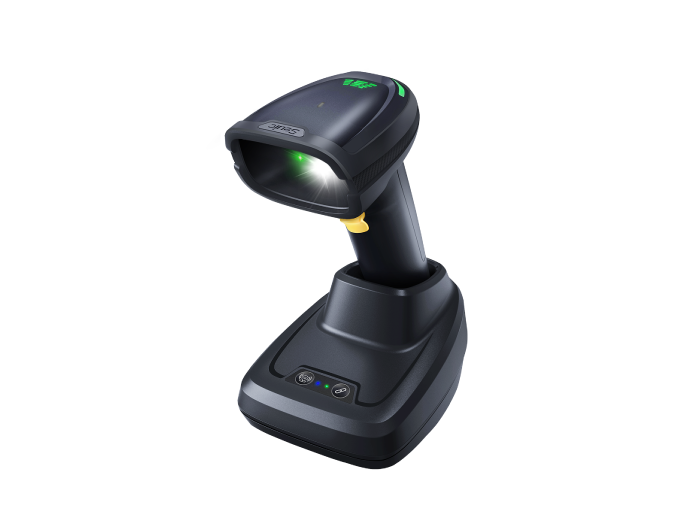
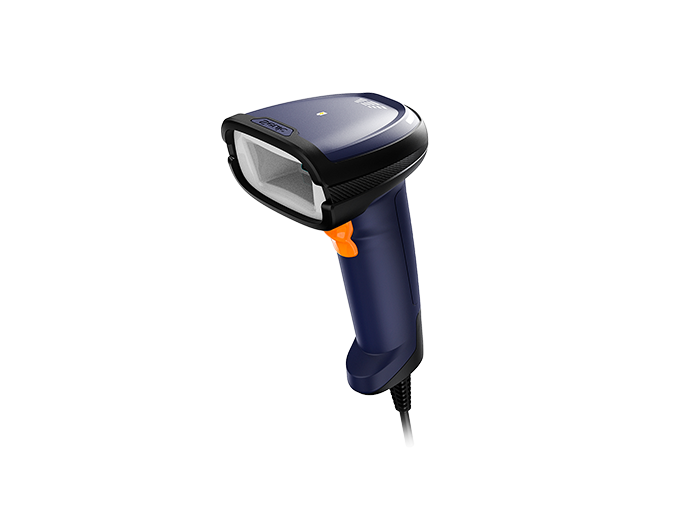
In barcode scenarios, the core considerations for a handheld terminal are not just "can it scan," but:
Is the 1D/2D engine stable? Can it read damaged or low-contrast codes?
Does it support long-range or high-density small-code reading?
Is the protection rating adequate for warehouse/shop floor conditions?
Does the battery last a full shift?
Is it compatible with your existing WMS/ERP application?
For warehouse daily receiving, putaway, picking, and inventory
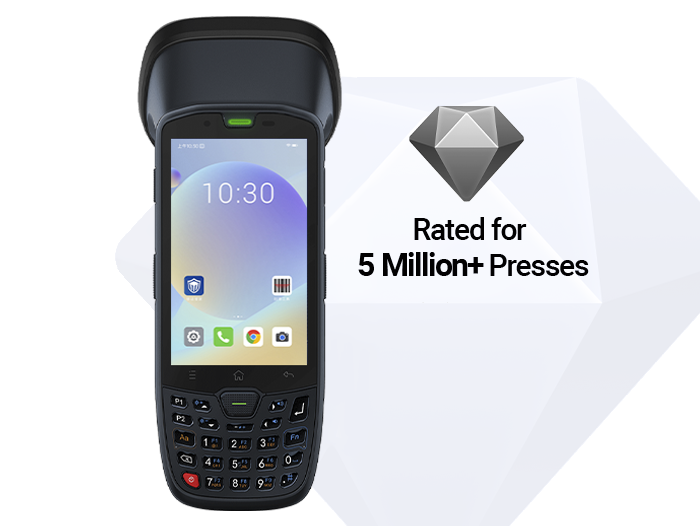
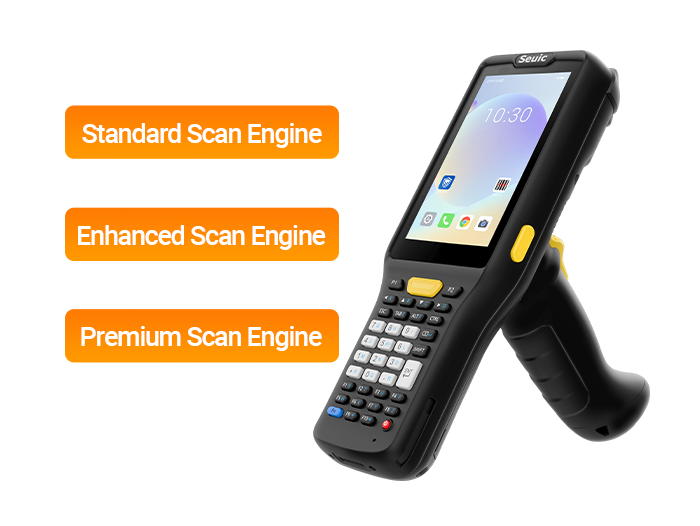
Prioritize trigger feel, long-range scanning, battery life, and drop protection. In these tasks, an industrial-grade terminal with a pistol grip handle is more comfortable than a smartphone-plus-add-on, especially during extended scanning sessions.
For precision manufacturing traceability (e.g., DPM codes, tiny component marks)
Focus on high-precision scan engines, focusing/illumination capability, and anti-shake decoding. Suitable for production line stations, quality inspection, and parts traceability.
Recommended devices:
SEUIC AUTOID Q7-(Grip) Industrial handheld, IP65, 2 m drop resistance, 5200 mAh battery, supports long-range 2D scanning. Best for warehouse stocking and high-frequency inbound/outbound operations.
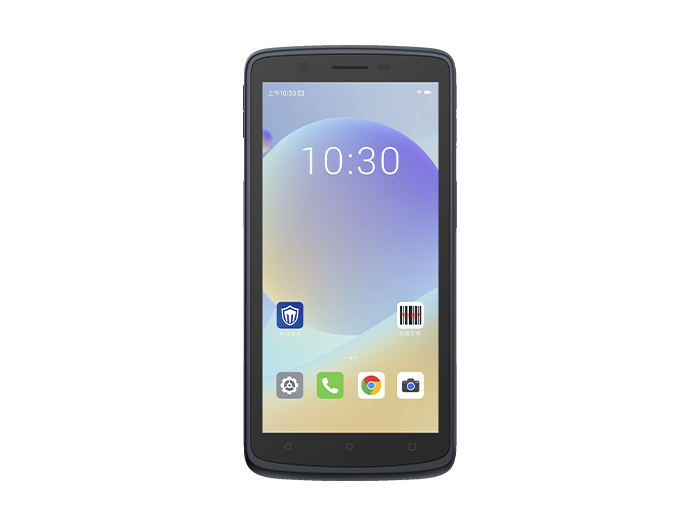
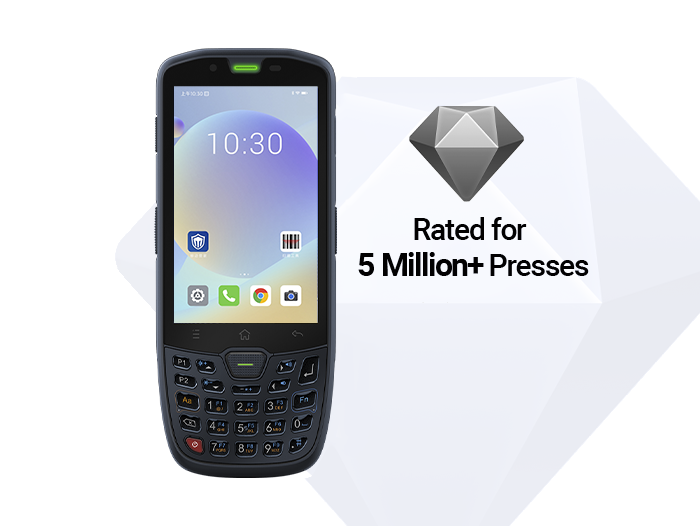
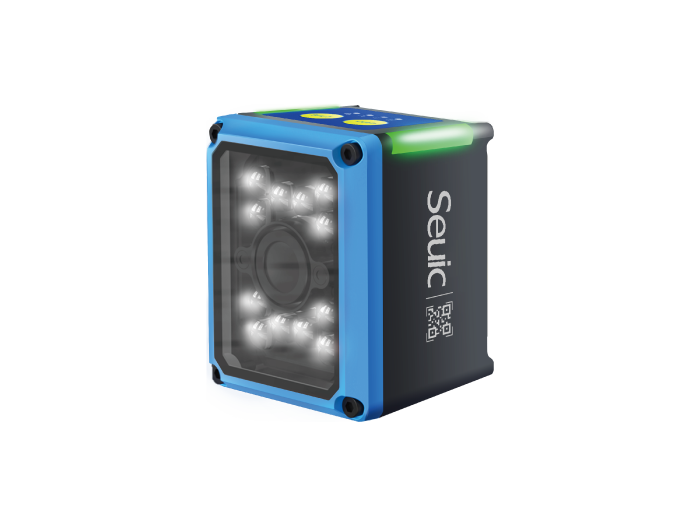
SEUIC AUTOID 10 mobile computer, more compact, ideal for fine-pitch scanning, production line stations, equipment labeling, and quality inspection logging.
4.2 RFID Solution: How to Select Devices
RFID handheld selection goes beyond "how many meters can it read." Consider:
Is it UHF? (Asset inventory almost always uses UHF.)
Does it cover both long-range bulk reading and short-range spot finding?
Can it handle dense tag anti-collision?
Does it also support barcode and NFC for mixed asset types?
Are IP rating, drop resistance, and battery life industrial-grade?
A common on-site conflict: wide aisles need long-range pallet scanning, while narrow shelving requires short-range precision. A single fixed power setting won't serve both well.
Recommended device:
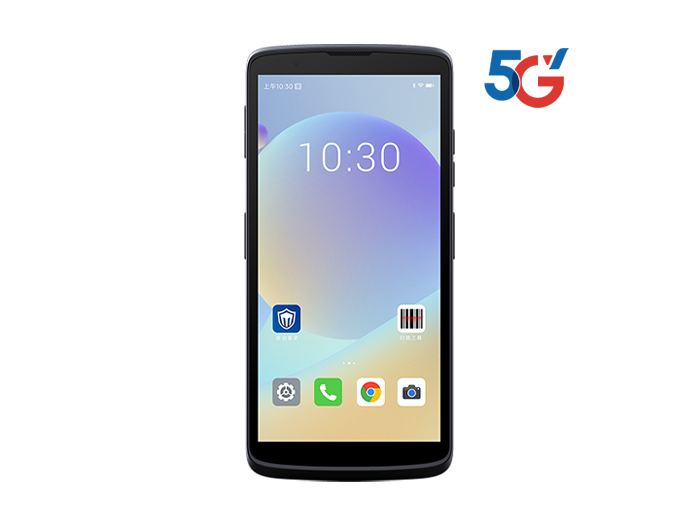
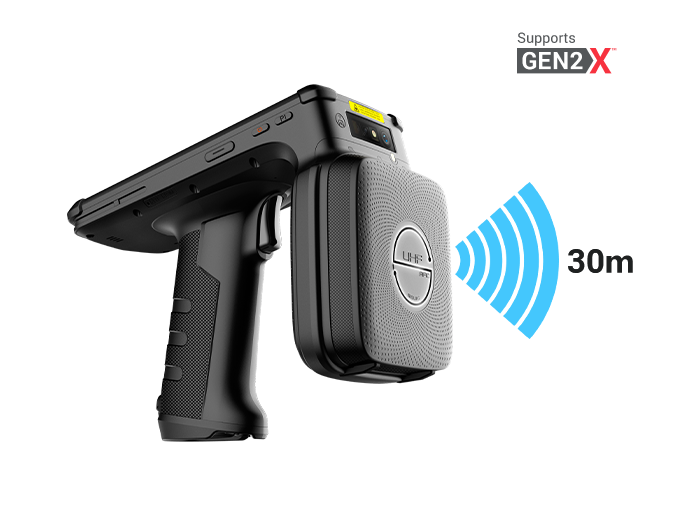
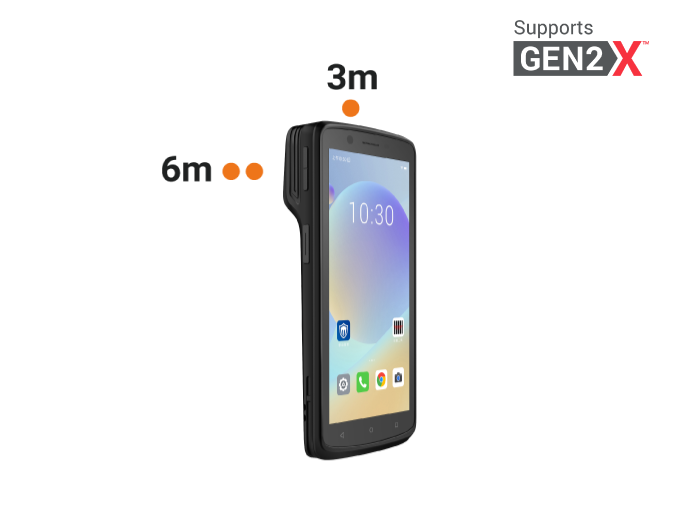
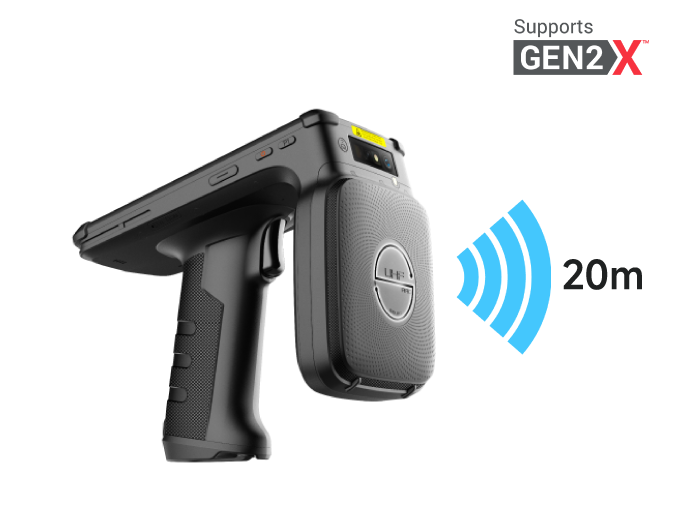
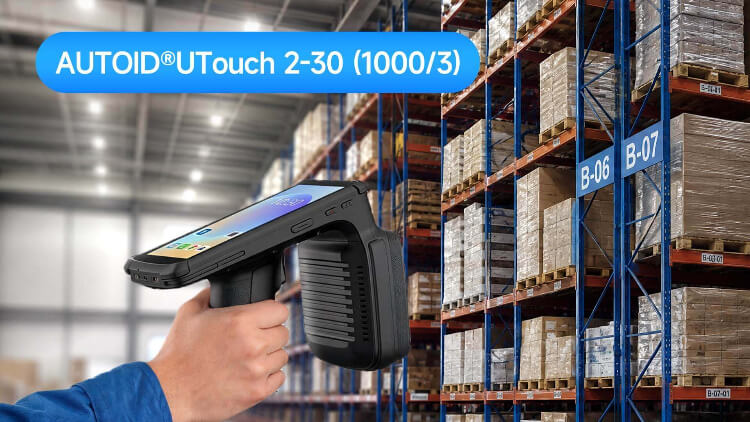
l SEUIC AUTOID UTouch 2-S6+3 Portable UHF RFID handheld. Standard read range approx. 0–6 m, vertical read range approx. 0–3 m. Strong bulk read performance. Integrates barcode scanning and NFC. Suitable for warehouse inventory, tool management, power/rail transit inspection, and medical asset verification.
Hybrid scenario suggestion: Apply barcodes to low-value consumables and RFID to high-value equipment, tooling, and pallet-level containers. It's not an either/or choice — layer the technology by asset value and turnover frequency.
5. Selection Strategy: 5 Self-Assessment Questions
Answer these five questions before reviewing spec sheets — they will guide you more accurately.
What is the unit value and replacement cost of your assets?
Low value, easily replaceable → barcode. High value, loss impacts production/healthcare/audit → RFID pays off.
How often do you conduct inventory?
Quarterly → barcode is sufficient. Weekly/daily or high turnover → RFID's batch reading justifies the investment.
How many items do you scan per inventory session?
Tens of items manually is fine. Hundreds or thousands, especially pallet-level → barcode consumes too much labor.
Is the environment dirty, obstructed, or metal-heavy?
Clean office → barcode. Greasy workshop, high shelves, metal enclosures → RFID with proper tag selection (on-metal tags).
Calculate total cost of ownership, not just per-tag price.
Barcode labels are cheap, but labor hours accumulate over time. RFID tags and readers cost more upfront but save inventory man-hours and reduce shipping errors and missed items.
Quick reference guide:
Assets < several thousand, low frequency, low value → barcode
Large asset volume, high value, weekly/daily inventory → RFID
Mix of low-value and high-value → hybrid (barcode + RFID)
First-time RFID trial → pick one high-value category for a 90-day pilot. Do not roll out across the entire warehouse at once.
Barcode and RFID are not substitutes for each other. They are layered by asset value and turnover frequency:
Barcode handles low-cost, visible, item-by-item confirmation.
RFID handles bulk, contactless, high-frequency automation.
Small warehouses and low-value assets should start with barcodes for fastest deployment. When high-value equipment is abundant, pallet-level turnover is fast, and inventory labor is strained, introduce RFID on priority categories. Most enterprises will ultimately settle on a hybrid architecture: barcode as the foundation, RFID filling the high-frequency gaps.
Related News

-
Double Efficiency High-Bay Inventory: Normal vs Ultra-Long Range UHF RFID Handheld
Product Updates | 2026.11.04Learn More
-
India RFID Supplier Selection: Industrial Procurement & Audit Guide
Product Updates | 2026.11.04Learn More
-
RFID Inventory for Beverages & Fresh Food: Handheld Reader Selection Guide
Product Updates | 2026.11.04Learn More
-

RFID Manufacturer Selection: China vs India Sourcing Decision Guide
Product Updates | 2026.11.04Learn More