








RFID Fixed Asset Inventory: Office Furniture, HVAC & Safety Equipment Solution
Every year during inventory season, facilities, plant engineering, and EHS teams dread the same thing: assets on the books that can't be found on site, assets physically present but missing from records, and serviced equipment with no trace in the system. Fixed assets aren't just "lost and replaced" — they become invisible and uncontrollable. Depreciation errors, compliance gaps, and emergency allocation failures all trace back to poor asset visibility.
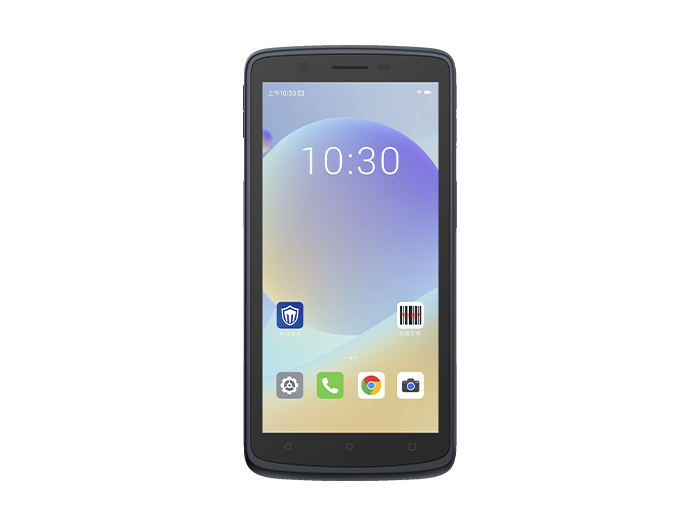
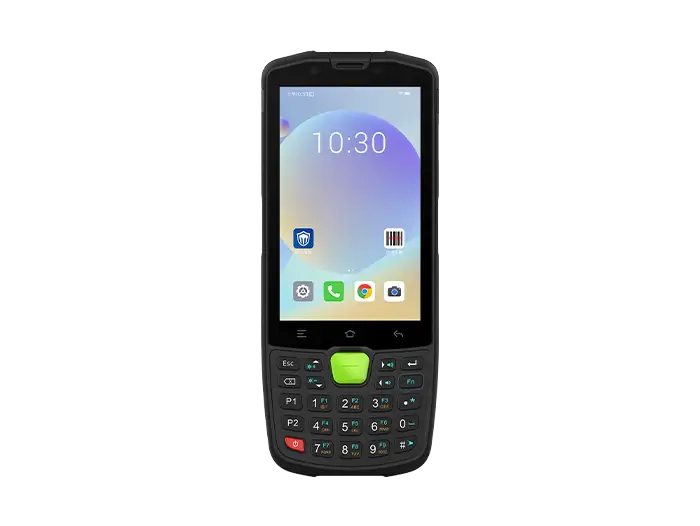
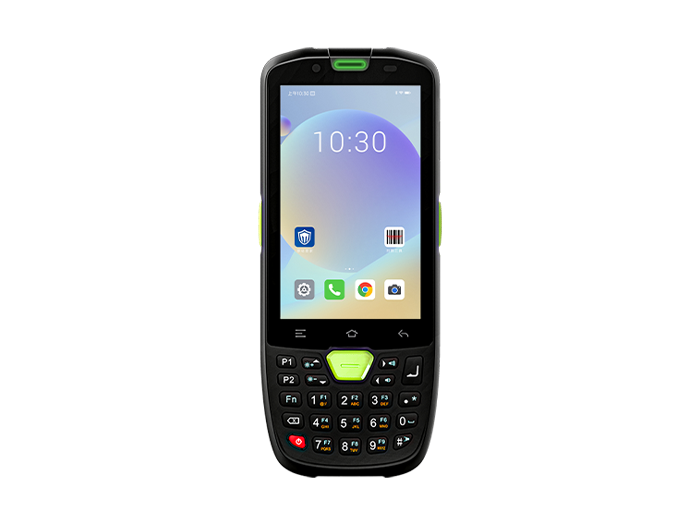
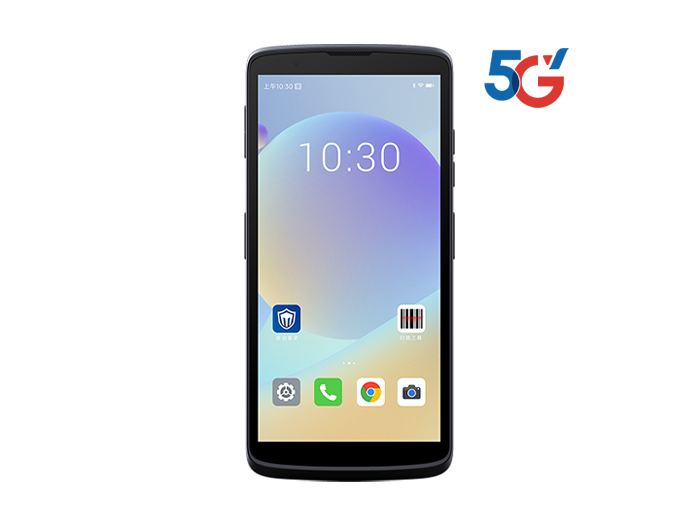
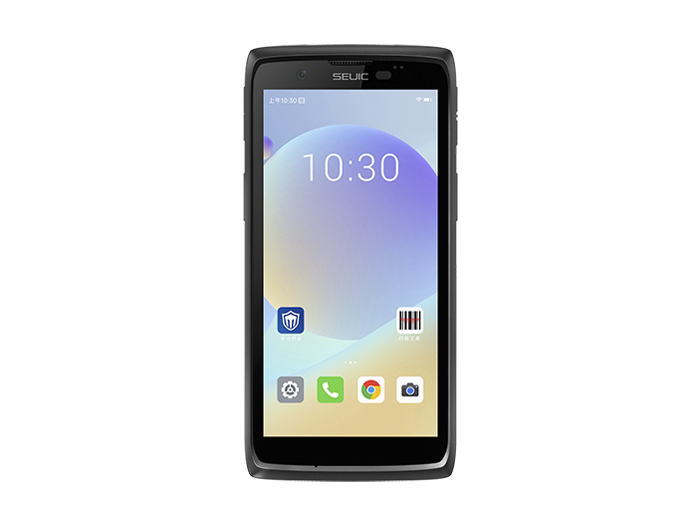
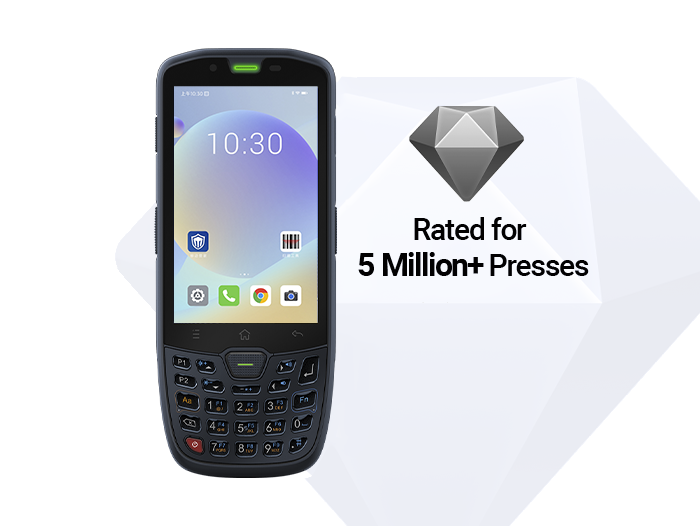
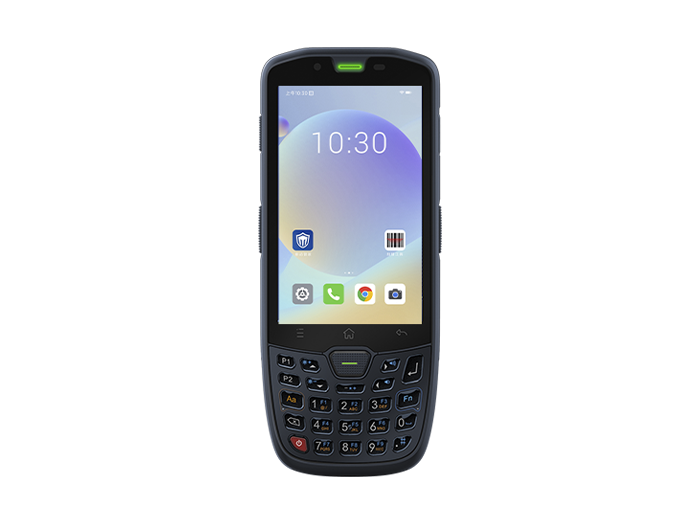
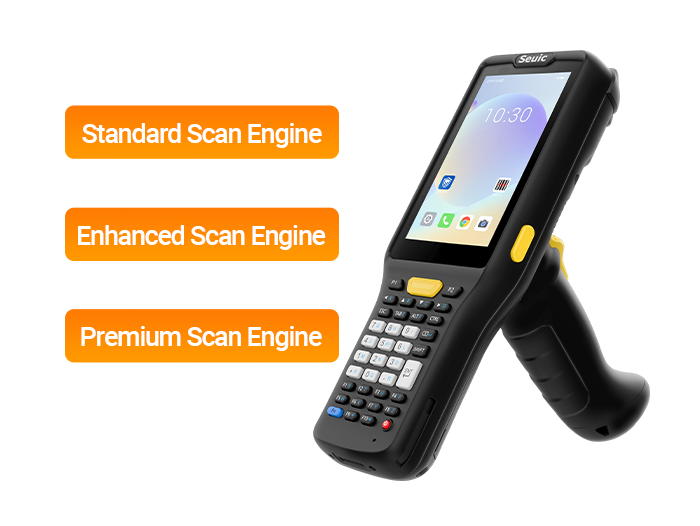
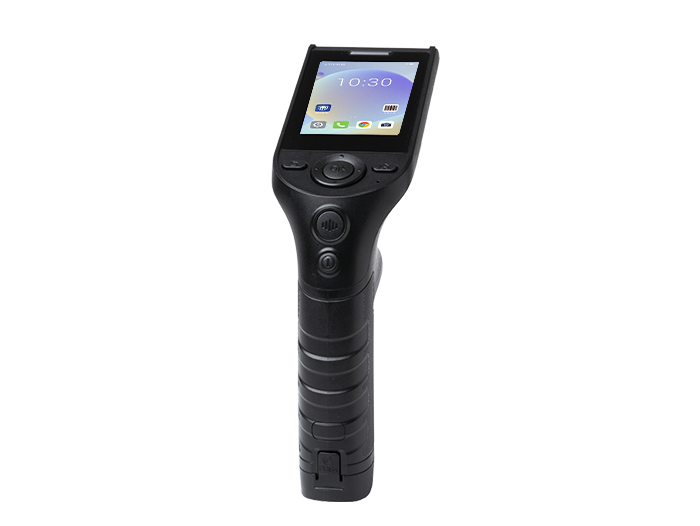
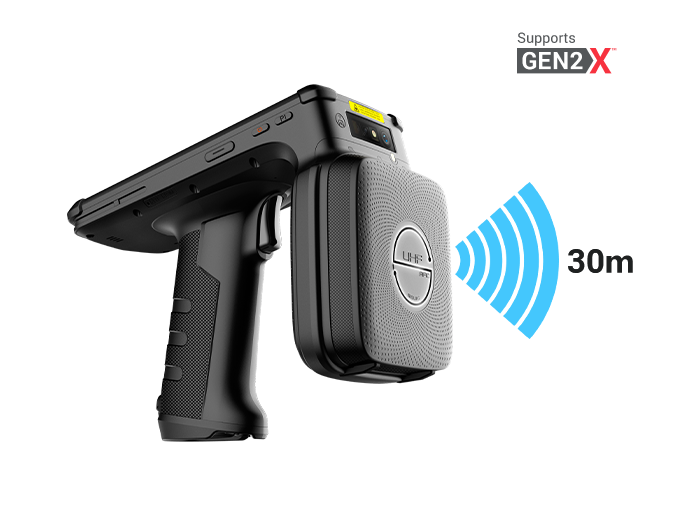
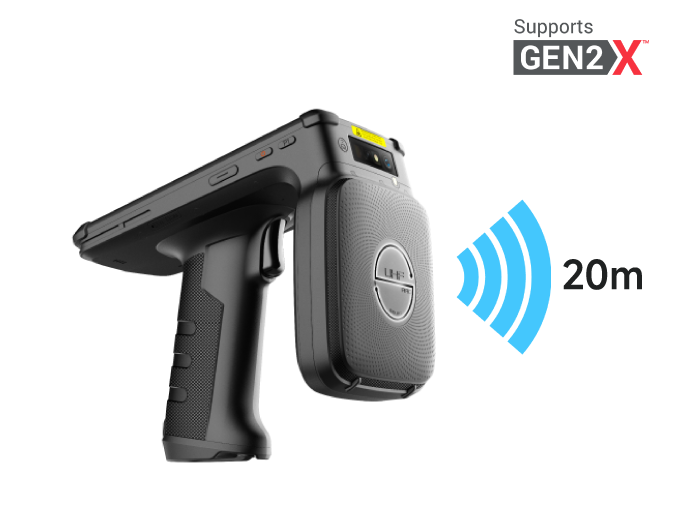
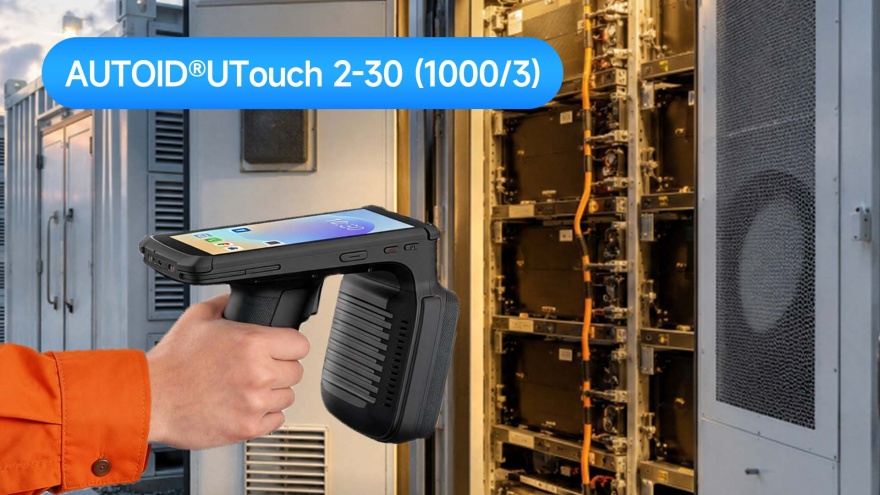
Rather than throwing more manpower at spreadsheets, a smarter path is to digitize three categories of assets first: high-turnover, high-value, and strictly regulated items — office furniture, HVAC/MEP equipment, and safety gear. The SEUIC AUTOID UTouch 2-30(1000/3), an industrial-grade UHF RFID handheld reader with a 30+ meter read range and the ability to read 1,000 tags in 3 seconds, lets you walk down a corridor and complete what used to take half a day of manual counting. It turns "finding assets" into "looking at data."
1. Set Boundaries First: Which Assets Deserve RFID and Which Are Fine with Barcodes
Not every fixed asset needs an RFID tag. Blanket coverage drives up label and maintenance costs unnecessarily.
Assets suited for RFID:
Large quantities (thousands of items), distributed across multiple floors or buildings
Mostly metal enclosures or densely packed equipment where barcodes are easily obscured or worn
High inventory frequency, or requiring mobile inspection and rapid location
High individual value, where loss or misplacement carries significant cost
Scenarios where barcodes are sufficient:
Few assets, fixed locations, rarely moved (e.g., standard office chairs, floor lamps)
Handover requires human confirmation (e.g., IT laptop check-out)
Limited budget, unclear ROI on RFID investment
In practice, a mixed tagging strategy is most common: QR codes for office furniture, anti-metal RFID tags for HVAC units and valves, and dual RFID + visual barcode labels for safety equipment. The key isn't which technology is more advanced — it's that a single asset system recognizes both carriers seamlessly.
Watch out: Applying standard RFID tags directly to metal surfaces severely degrades signal. Always run a small-scale read test before purchasing anti-metal tags in bulk.
2. Office Furniture: High Volume, Low Frequency, Mixed Materials
Office furniture is the classic case of "large quantity, infrequent counting, mixed materials":
Wood desktops, laminate filing cabinets → standard flexible RFID or QR codes
Metal-frame workstations, steel storage cabinets → anti-metal tags required
Upholstered chairs and sofas → tags sewn into the base or applied to non-wear surfaces
The management focus isn't real-time location — it's lifecycle accuracy between the books and the floor:
Batch verification during onboarding/offboarding to prevent assets from "quietly following people out"
Department moves confirmed by zone scan, not item-by-item relocation
Disposal phase linked with photo evidence for closed-loop financial depreciation
The real benefit of furniture inventory? It shifts facilities management from "arguing over the books once a year" to "pulling a report anytime."
3. HVAC & MEP: High-Value Equipment — Maintenance Records Matter More Than Location
Air handlers, chillers, pumps, electrical panels, control cabinets — these assets share a few traits:
High unit cost, long service life, frequent retrofits
Relatively fixed location, but "who maintains it, when it was last serviced, and what parts were replaced" matters far more
Metal housings and pipe obstructions render conventional identification methods unreliable
RFID here serves not as an anti-theft measure, but as a permanent identity anchor for each asset:
Tag binds the equipment file (model, serial number, installation date, warranty period)
Scan during inspection to instantly pull up maintenance history and open work orders
Update status on the spot after retrofits — no more "paper file in a drawer, system out of sync"
For plant and facility managers, HVAC asset tracking is fundamentally about building a solid maintenance audit trail — so the next audit or energy review doesn't require digging through three-year-old Excel files.
4. Safety Equipment: Compliance Is the Goal, Inventory Is the Means
Fire extinguishers, hydrants, gas masks, gas detectors, insulated gloves, emergency lights — one missing item here isn't a cost issue; it's a compliance risk.
Safety equipment management has three hard requirements:
Mandatory expiry checks: RFID binds the inspection cycle and triggers automatic reminders as deadlines approach
Location integrity: If a fire extinguisher is moved or an emergency kit is relocated, the system must detect that "this location has no tag read"
Full traceability: Who inspected, when, and whether the tag was read — all logged end to end
In safety scenarios, RFID reading isn't just counting — it's compliance event collection. A missing tag might mean the asset is gone, or it could be blocked by a metal door. But the system must flag the anomaly for human verification, not assume everything is fine.
5. From Scenarios Back to the Tool: What Kind of RFID Reader Does the Field Actually Need?
Looking across these three asset categories, the requirements for a handheld device converge:
Furniture tags sit low, HVAC tags sit high, safety equipment is often around corners — the reader needs long range and tolerance for awkward tag angles
Factory floors have metal reflections and pipe obstructions — anti-interference and multi-polarization recognition are essential
Inventory involves bulk scanning — batch reads in seconds, not one-at-a-time waiting
Outdoor inspections, equipment rooms, underground parking lots — dust/water protection and all-shift battery life are non-negotiable
This is why many teams, after trying consumer-grade PDAs, switch back to industrial-grade long-range RFID readers.
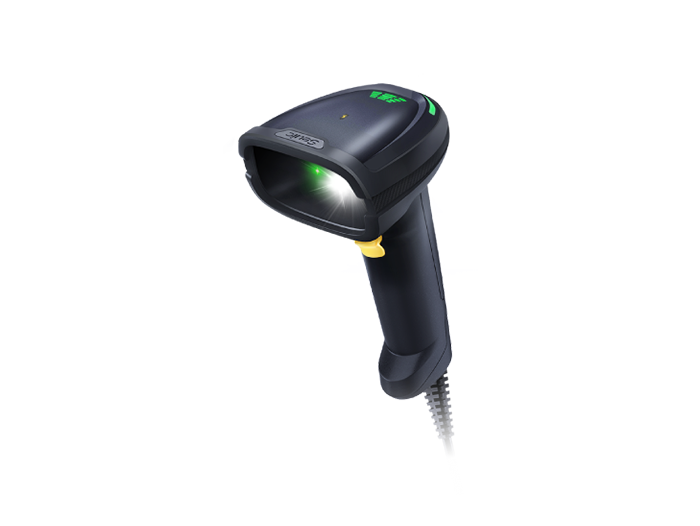
Take the SEUIC AUTOID UTouch 2-30 ultra-long-range UHF RFID handheld reader as an example. It addresses precisely these field pain points:
Ultra-long-range read (30+ meters): Scan high HVAC tags from the floor, or safety equipment across the corridor — no ladders, no close-up aiming
Intelligent multi-polarization recognition: Reads tags attached sideways, underneath, or at odd angles — solving the "blind spot" problem of furniture legs and cabinet backs. Efficiency improves by approximately 40% compared to traditional circularly polarized readers
1,000 tags in 3 seconds: Sweep an entire floor of mixed furniture and equipment in one pass — no missed reads, no stuttering
11,700mAh hot-swappable battery + IP67 protection: Runs a full day of plant inspections and outdoor equipment checks without recharging; shrugs off dust, bumps, and drops
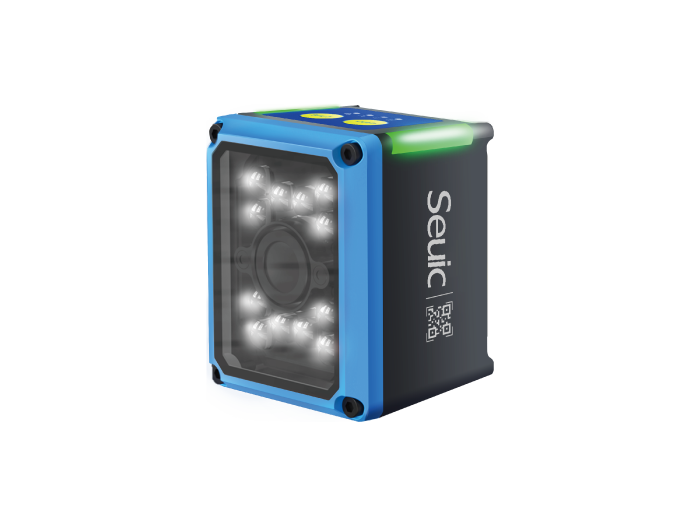
Supports RFID + barcode + camera in one device — perfectly aligned with the mixed tagging strategy: RFID for bulk sweeps, barcode/photo for exception verification
For managers, the value of this terminal isn't "reading farther." It's consolidating the three distinct logics of furniture, HVAC, and safety equipment into a single scanning action.
6. Deployment Process: Don't Tag the Entire Building at Once
Asset classification: First identify "must-use-RFID" high-value and high-compliance assets; everything else stays on barcodes
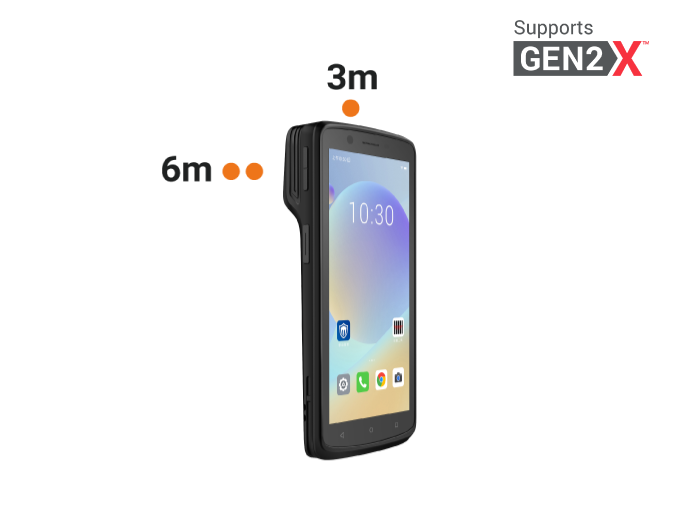
Label field test: Apply 5–10 tags each to metal, wood, and plastic surfaces. Test read performance at 3m, 10m, and 30m
Finalize encoding rules: Category + area + serial number — avoid siloed department schemes
System integration: Connect inventory data directly to asset/ERP/maintenance systems — no more manual Excel reconciliation
Small-scale pilot: Run a two-week trial on one floor or workshop to validate read rates and exception workflows
Full rollout: Inspectors only need to "power on — walk — check exceptions." Complex operations stay in the back office
During the pilot phase, focus on three metrics: read completeness rate, false read rate, and how quickly book-to-physical discrepancies converge.
RFID fixed asset management isn't about putting a chip on every chair. It's about linking furniture volume, HVAC maintenance, and safety equipment compliance through a unified identity system. Define boundaries by value and environment first, choose a mixed tagging strategy, then equip yourself with a handheld terminal that reads long range, in bulk, and through interference — inventory transforms from "digging through cabinets" to "walking and watching."
When assets are queryable anytime, maintenance has proof, and compliance is auditable, fixed assets stop being a "financial burden" and become true "operational assets."
If you're evaluating an RFID inventory solution, feel free to contact SEUIC to request a free demo unit for testing.
Related News
-
Handheld DPM Scanner vs Fixed Barcode Reader: Production Line Guide
Product Updates | 2026.11.17Learn More
-

Rugged Mobile Computer for Field Service: Selection & Deployment Guide
Product Updates | 2026.11.17Learn More
-

MES Workstation Data Capture: Industrial Handheld PDA Selection & Deployment Guide
Product Updates | 2026.11.17Learn More
-
Swappable Battery PDA: SEUIC AUTOID Q9 Pro Sortation Power Solution
Product Updates | 2026.11.17Learn More