







RFID Tracking for Warehouse Assets: Achieving Real-Time Visibility for Pallets and Containers
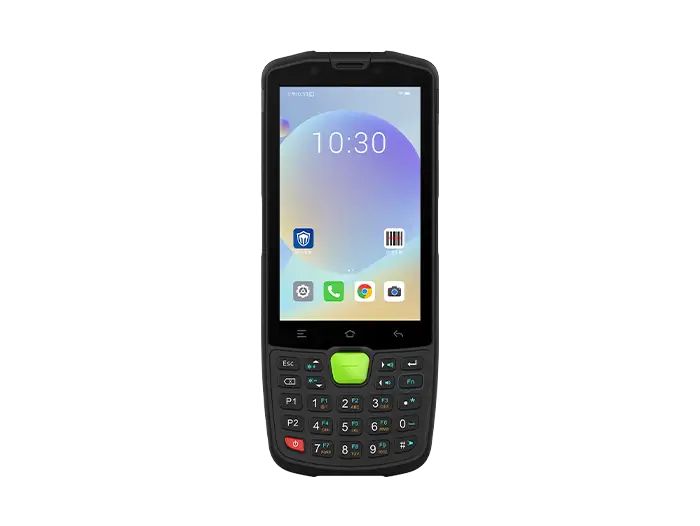
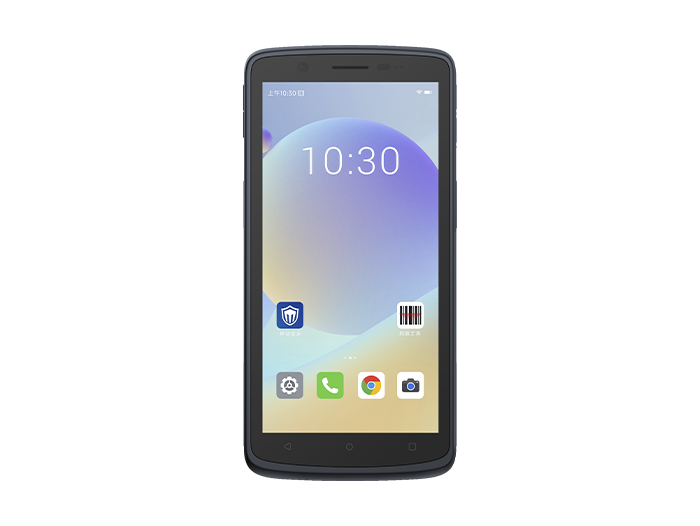
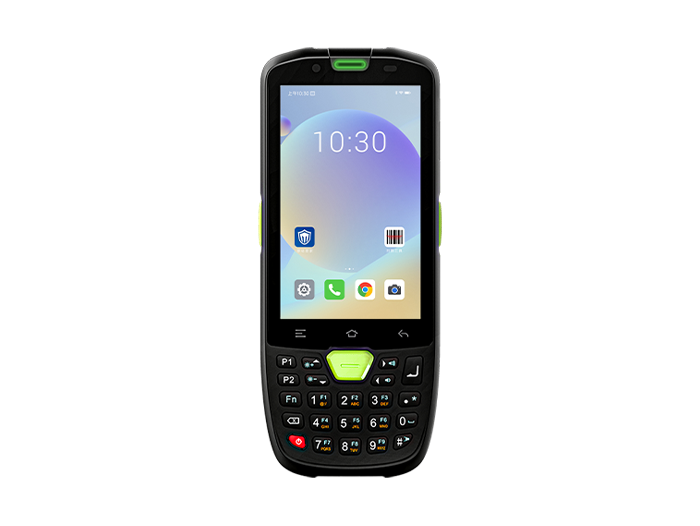
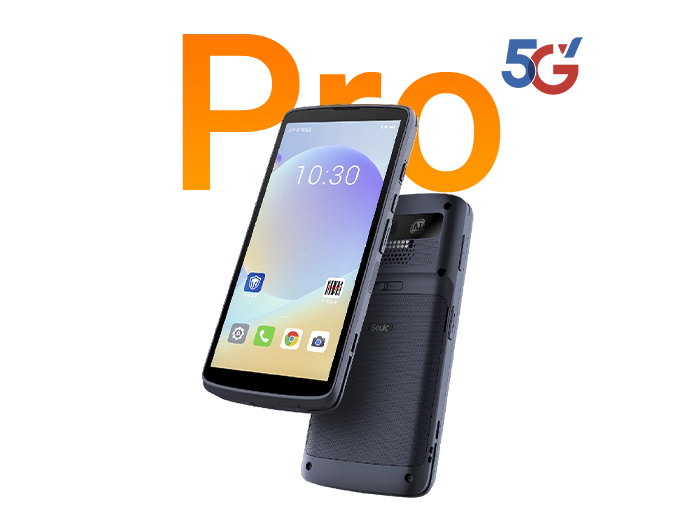
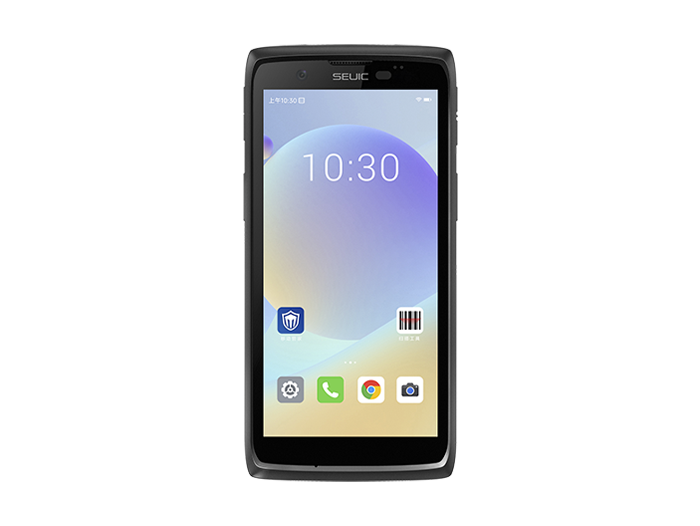
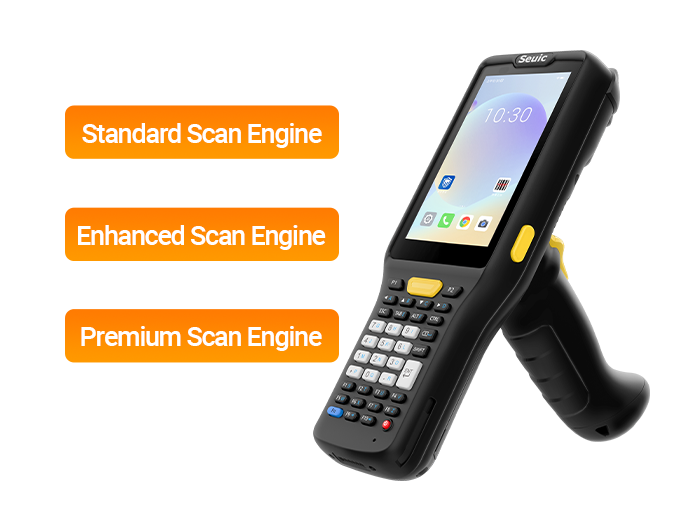
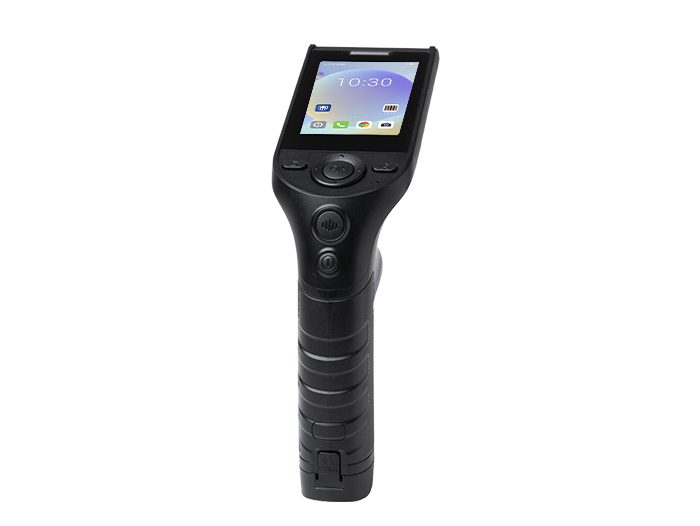
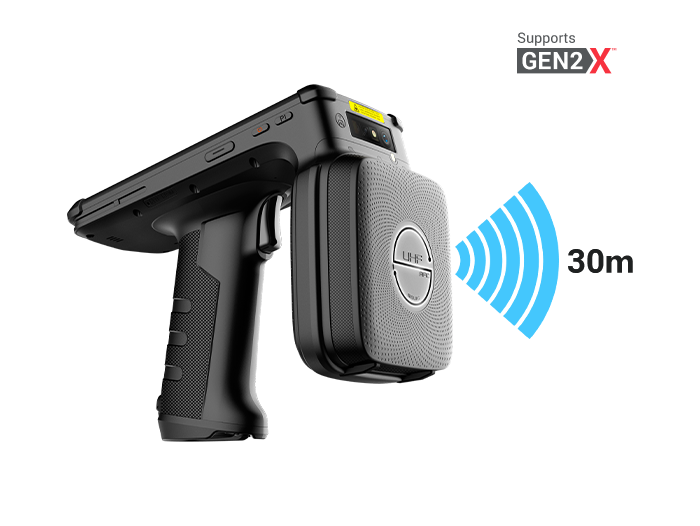
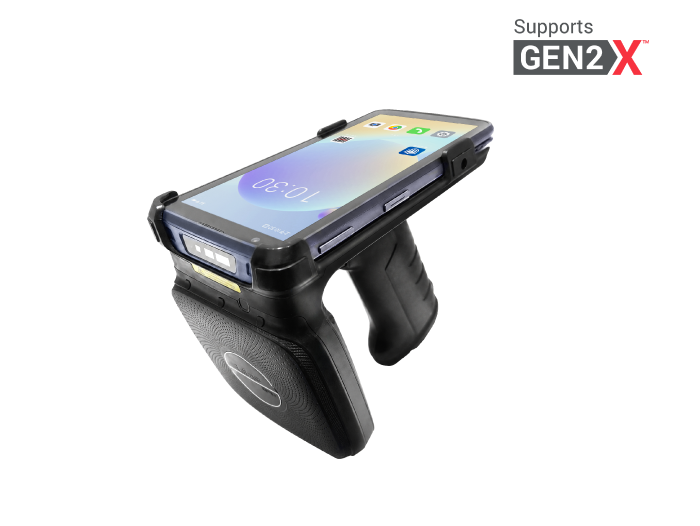
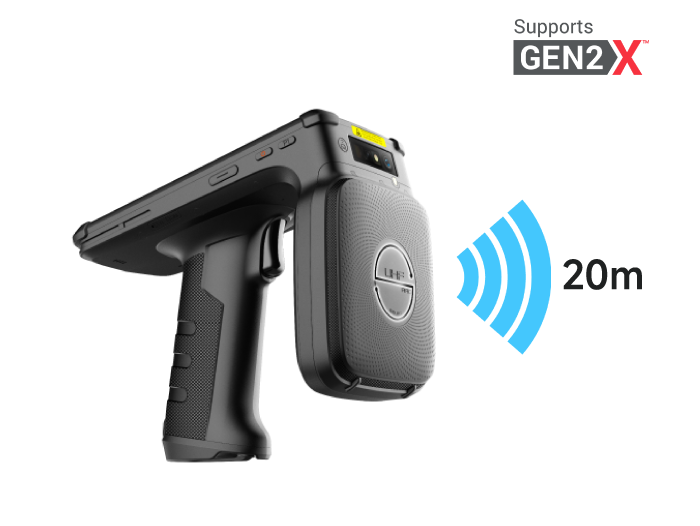
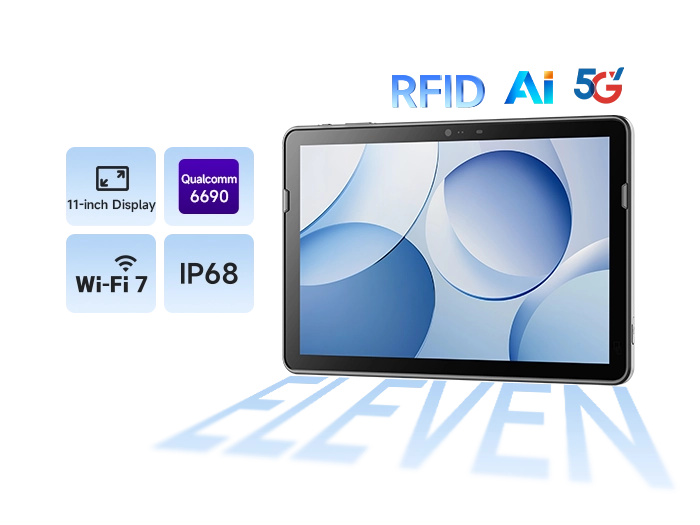
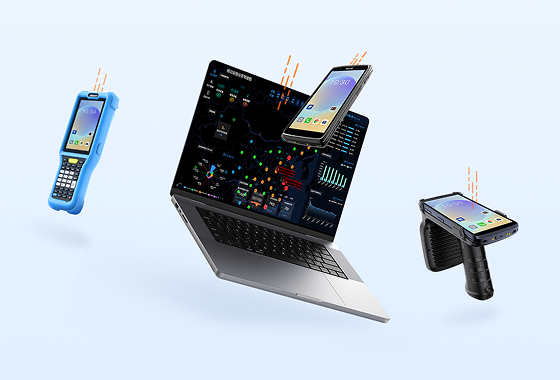
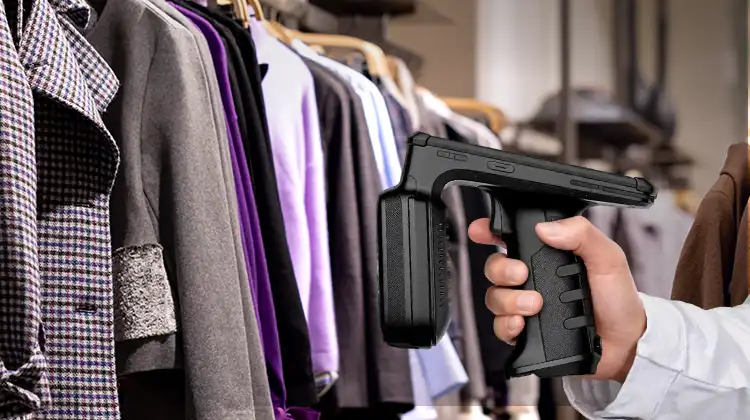
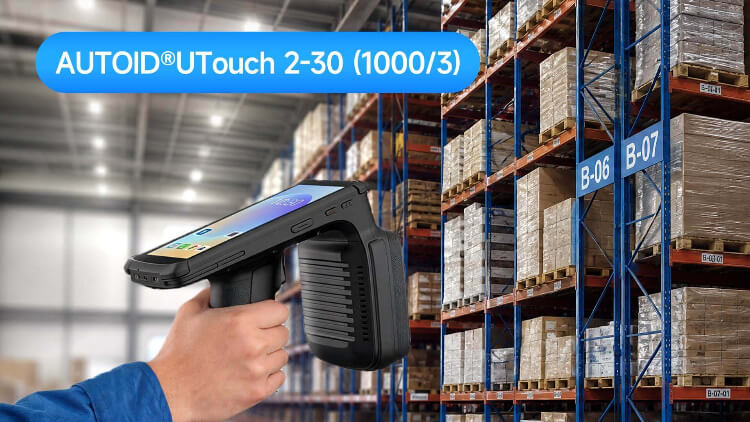
Pallets, totes, plastic and metal containers move constantly through a warehouse: arriving at receiving, transferred to putaway, rotated through picking zones, returned from outbound, and cycled back from the production line. Any link in this chain that relies on manual recording or one-by-one barcode scanning creates an information lag — "the system says it's here, but on the floor it's somewhere else." RFID Tracking uses passive UHF tags for contactless batch identification, enabling every asset's location, status, and movement timestamps to be reported automatically. The Seuic AUTOID UTouch 2-30 (1000/3) Ultra-Long-Range UHF RFID Handheld Reader, with its 30-meter+ read range, 1,000-tag read in 3 seconds, swappable high-capacity battery, and IP67 protection, serves as the core handheld terminal for mobile cycle counting and high-rack asset visualization — turning "find the pallet" into "the system tells you exactly where it is."
1. Three Typical Pain Points in Traditional Warehouse Asset Management
1.1 Manual Cycle Counting Is Time-Consuming and Unreliable
Storekeepers or inventory staff walk the warehouse with paper lists or Excel sheets, recording pallet IDs, container numbers, and bin locations one by one. For thousands of locations, a single full count can take days. Errors in writing, omissions, and secondary data entry mistakes propagate directly into the WMS, causing downstream picking, replenishment, and reconciliation to be based on incorrect data.
1.2 Scanning Barcodes One by One Cannot Handle Batch and High-Speed Throughput
Barcodes require alignment and near line-of-sight. Stacked pallets, stretch-wrapped loads, and containers nested inside cages often require the label to be uncovered before scanning. During peak receiving, outbound consolidation, and continuous forklift traffic through aisles, scanning items one by one becomes a bottleneck. For reusable assets (plastic totes, metal bins, cold storage containers), barcodes wear out and must be reprinted and reapplied.
1.3 Empty Pallets and Containers "Disappear" — Forklift Drivers Waste Miles on Unproductive Travel
The biggest headache with reusable assets is "not knowing where they are, who is using them, or whether they're idle or lost." Forklift drivers often spend significant time hunting for empty pallets across Zone A, Zone B, and the loading dock. Empty containers not returned in time leave production lines waiting for totes and picking zones waiting for returnable container. On the surface this looks like a labor issue, but the root cause is that asset locations are not tracked in real time.
2. The RFID Solution: Tags + Read Points + System Event Closed Loop
Bind UHF passive tags (or durable hard tags for reusable assets) to pallets and containers, shifting "identification" from human-triggered to "scene-triggered."
Asset identification layer: Each pallet, tote, or metal container is assigned a unique EPC or asset code, linked to fields such as material type, customer/production line, empty/full status, and wash count.
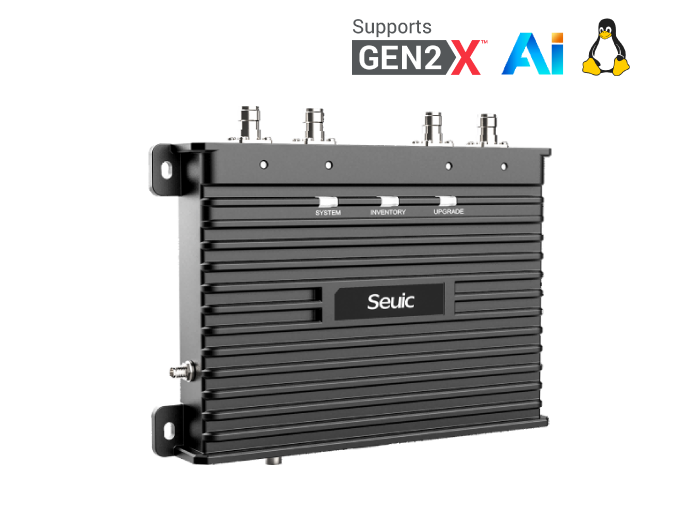
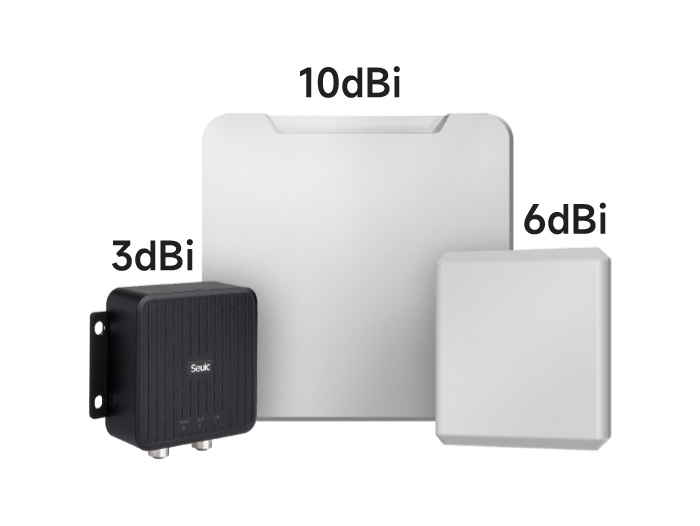
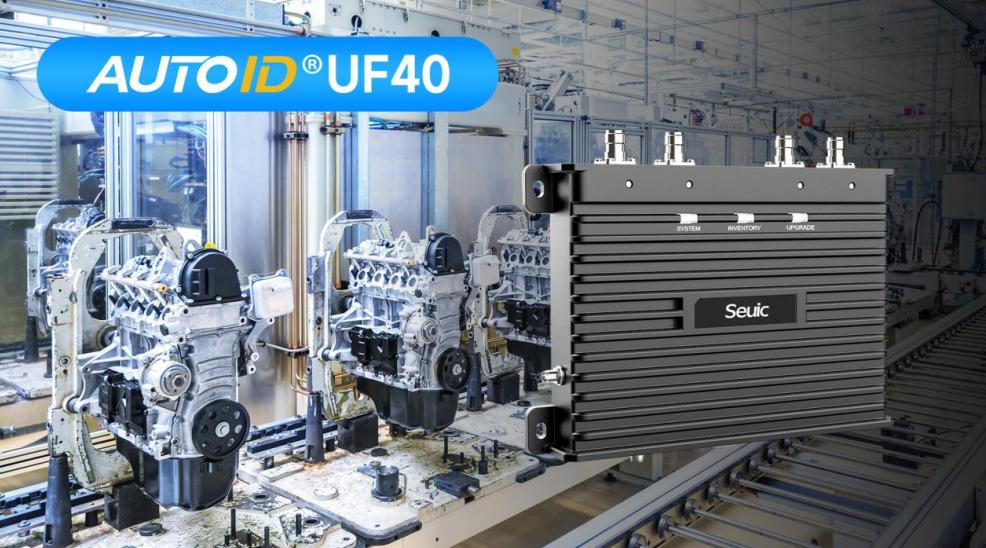
Fixed reader layer: Deploy fixed UHF readers with opposed-beam or portal antennas at receiving/shipping doors, main aisles, and key intersections. When forklifts or tugs pass through, tags on entire pallets or batches are captured automatically — no stopping to scan individually.
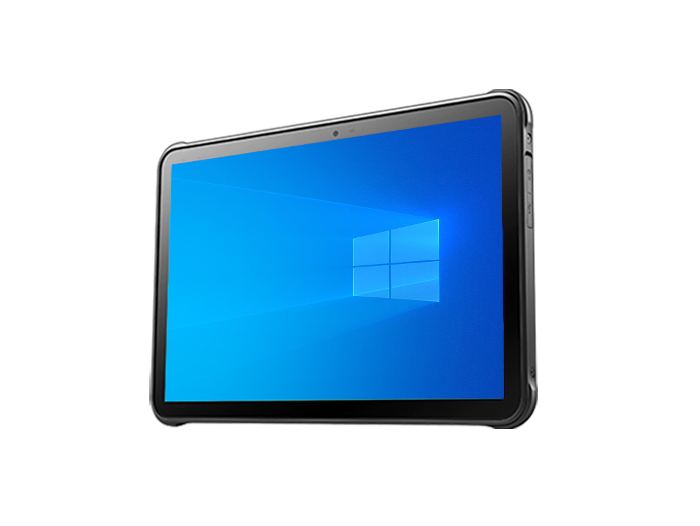
Vehicle-mounted layer: Install vehicle-mounted RFID antennas andrugged tablets on forklifts. When putaway, transfer, or empty pallet retrieval occurs, the location is written back in real time. This is especially effective for "find empty pallet" scenarios — the system can recommend the nearest empty pallet location to the forklift driver.
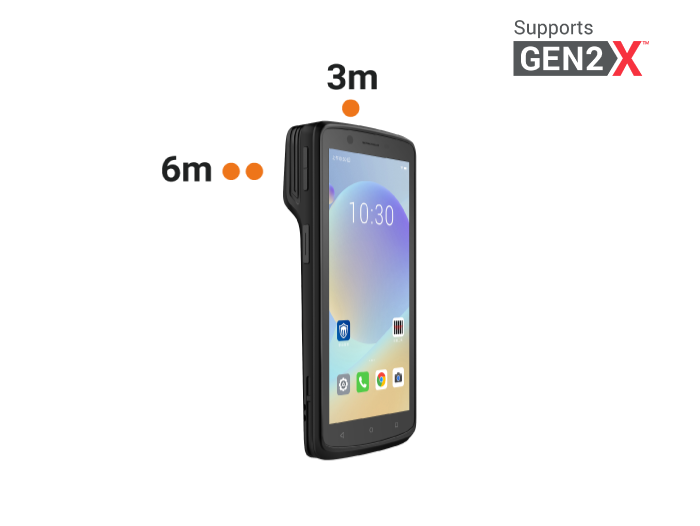
Handheld layer: Use RFID handheld readers for periodic cycle counting, locating misplaced assets, receiving spot checks, and verifying tags that weren't read. High-rack areas, outdoor staging zones, and temporary staging areas not covered by fixed infrastructure are filled in by handheld devices.
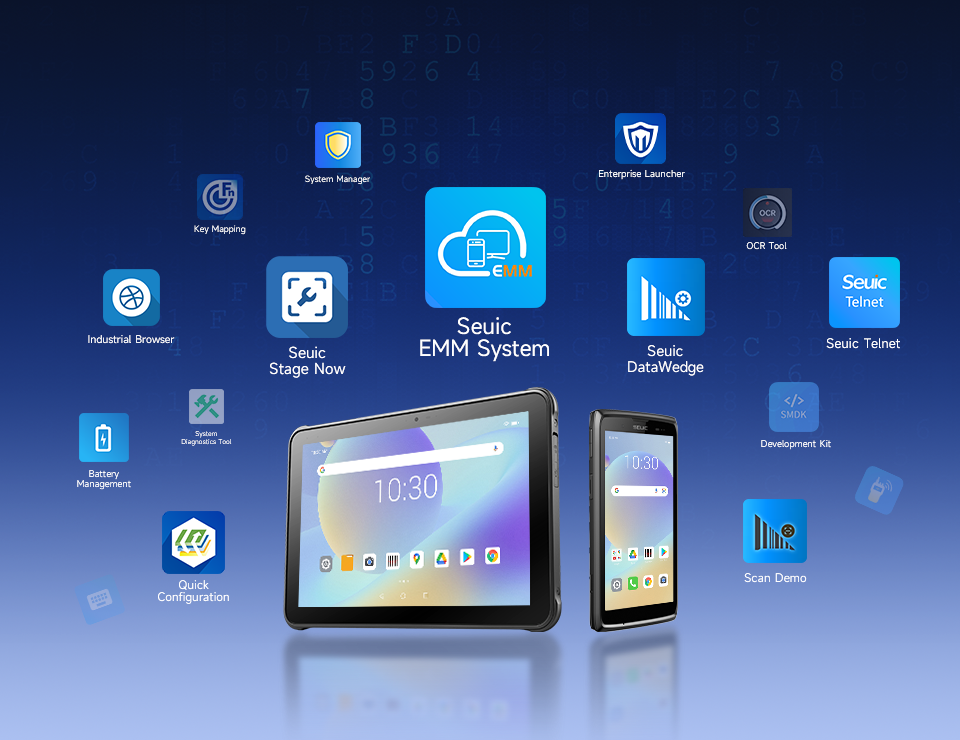
System event layer: Read data passes through middleware for deduplication, filtering repeated reads, and converting raw reads into business events. These events are pushed to the WMS/EMS/asset platform, automatically updating bin locations, responsible persons, and movement timestamps.
For factories, 3PLs, retail DCs, and pharmaceutical warehouses, the value of this combination is not "replace barcodes" — it's automating high-frequency, batch, and non-line-of-sight links. Barcodes are retained for exception handling and supplier compatibility.
3. Implementation Essentials: Tag Selection, Antenna Layout, and WMS Integration
3.1 Select Tags by Material and Lifecycle
Plastic pallets, wooden pallets, cardboard totes: Standard UHF wet inlays or paper-face tags are sufficient — low cost, stable read performance.
Metal containers, steel bins, metal cage carts: Standard tags detune when applied to metal, severely reducing read range. Use on-metal tags instead. For curved or small surfaces, flexible on-metal tags work well. For long-cycle, high-impact, or outdoor use, choose ABS/PCB hard-shell on-metal tags. For extreme heat or strong corrosion, consider ceramic-encapsulated tags.
Cold chain, wash-down, pharmaceutical containers: In addition to on-metal capability, evaluate low-temperature tolerance, humidity resistance, washability, and adhesive durability under repeated sanitization.
For reusable assets, hard tags fastened with screws or zip ties are recommended. Write the asset number and include a barcode backup to avoid reissuing tags each cycle.
3.2 Reader Layout Based on "Flow Nodes," Not "Cover Every Square Foot"
Receiving/shipping doors: Use portal or opposed-beam antennas spanning the full door width to ensure entire pallets passing through are read in batch.
Main aisle intersections, elevator/freight elevator entrances, production line return points: Add fixed antennas to capture movement events.
High racks, outdoor yards, temporary zones: Use handheld readers for supplemental counts.
Areas with dense metal shelving or high liquid content: Conduct on-site RF testing to adjust power, polarization, and antenna angles, minimizing missed reads or adjacent-aisle cross-talk.
3.3 Software Integration Determines Whether "Real-Time Visibility" Actually Happens
RFID is not done when the readers are installed. Three things must happen:
Tag commissioning: Encode tags uniformly using RFID printers or encoders at receiving or issuance to prevent manual encoding errors.
Middleware rules: Deduplicate by bin location, time window, and reader ID. Convert raw EPCs into "asset + location + event."
WMS/ERP interface: Write back location, status, and responsible person via API or message queue. Anomalies (unauthorized removal, empty pallet dwell timeout, and full-container misplacement) automatically trigger work orders.
Typical quantifiable targets (vary by tag quality, antenna coverage, and asset volume):
Cycle counting shifts from "all hands for days" to "handheld/fixed automated cycle counting" with counting efficiency improving by multiples to 10x.
Average search time for empty pallets and containers decreases. Return-to-stock is more timely, and asset utilization can improve by approximately 20%.
Full-warehouse full-count reference cases show compression from 5 days to a single 6-hour shift, with inventory accuracy approaching 99.5%. These figures should be treated as pilot KPIs, not direct promises for every warehouse.
4. Product Recommendation: Seuic AUTOID UTouch 2-30 Handheld Reader
If fixed readers handle "automated capture at choke points," handheld readers handle "high racks, blind spots, finding errors, and emergencies." From the perspective of real-time pallet and container visibility, the Seuic AUTOID UTouch 2-30 (1000/3) is a strong candidate for the mobile layer:
4.1 30-Meter+ Ultra-Long Range for High Racks and Outdoor Container Yards
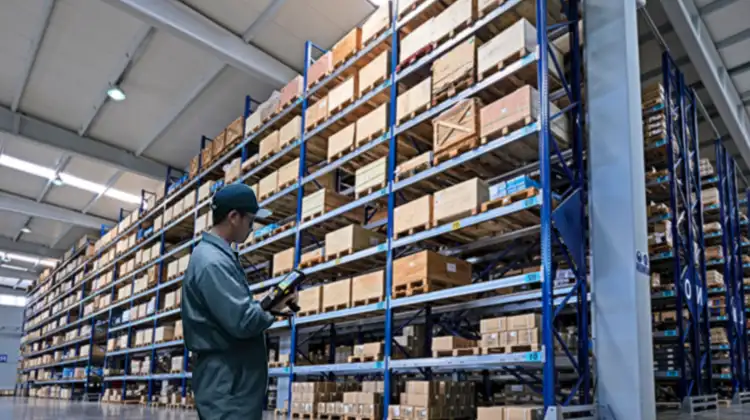
The reader achieves 30-meter+ UHF read range, eliminating the need to climb or stand close for high racks, double-stacked pallets, and outdoor staging containers. Multi-polarization auto-recognition adapts to inconsistent tag placement angles, tilted loads, and stretch-wrap coverage — reducing the "reads up close but misses at distance" problem. For warehouse managers, ground-level staff can walk the main aisle with a single device to complete broad asset verification, reducing the safety risks of ladder-based counting.
4.2 1,000 Tags in 3 Seconds for Dense Pallet and Batch Tote Reads
During dense storage, full-pallet receiving, and container returns during promotional seasons, tag counts are high and tags are closely packed. The AUTOID UTouch 2-30 claims 1,000 tags in 3 seconds. Combined with anti-collision and middleware filtering, it suits full-area cycle counting, receiving spot checks, and misplaced asset screening. For the classic "system says it's in this aisle but I can't find it" exception, the handheld's near-field locating mode quickly narrows the search area.
4.3 11,700mAh Swappable Battery + IP67 + 1.5m Drop, Built for Multi-Shift Mobile Asset Patrol
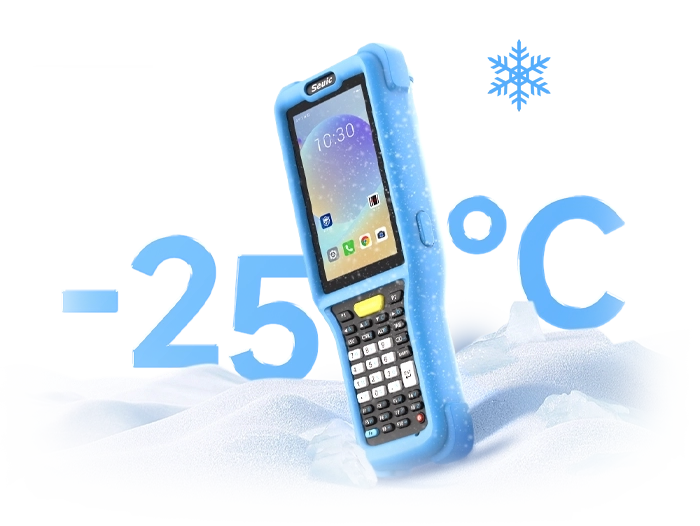
Warehouse asset tracking often spans shifts: morning shift receiving verification, afternoon shift high-rack counting, night shift outbound spot checks. The host + handle combined battery of ≥11,700mAh is replaceable, supporting long-duration high-volume tag reads and fast charging. IP67 dust/water resistance, 1.5m drop tolerance, and -20 to 50°C operating temperature handle cold storage perimeter, loading dock rain shelters, metal dust, and forklift vibration environments. It also includes 2D barcode scanning, NFC, a 13MP camera, and GPS/BeiDou — when RFID encounters issues, operators can fall back to barcode scanning, photograph damage, or read personnel/asset cards, completing a full work order closed loop without switching devices.
For three scenarios — forklift empty pallet search, WMS bin correction, and 3PL customer asset reporting — fixed portal readers handle automatic aisle capture, while the AUTOID UTouch 2-30 handles supplemental counting and exception handling. This combination turns "real-time asset visibility" from a demo concept into daily operations.
5. Implementation Advice and Next Steps
A small-scale pilot before full warehouse rollout is more reliable: select one receiving/shipping door, one high-rack zone, and one type of reusable container (e.g., plastic totes or metal bins). Tag 500–2,000 items. Deploy fixed readers at the door zone. Use the AUTOID UTouch 2-30 for weekly comparisons. Track only three KPIs: counting man-hours, misplaced asset recovery time, and average empty pallet wait time. Once the pilot is validated, scale tags to the full pallet population and push events to the WMS for automated bin updates.
If you are evaluating warehouse RFID Tracking, feel free to contact Seuic for a free demo unit trial.
Related News
-
Portable Barcode Scanner for High-Rack Warehouses
Product Updates | 2026.09.20Learn More
-
RFID Tracking System Buying Guide: 10 Must-Evaluate Selection Factors
Product Updates | 2026.09.18Learn More
-
RFID Tracking vs Barcode: The Ultimate Asset Tracking Selection Guide
Product Updates | 2026.09.18Learn More
-
RFID Tracking in Supply Chain: An End-to-End Visibility Solution from Factory to Customer
Product Updates | 2026.09.15Learn More