








RFID Tracking System Buying Guide: 10 Must-Evaluate Selection Factors
Deploying an RFID Tracking system involves far more than simply purchasing tags and readers. A complete project typically encompasses RFID readers, tags, antennas, middleware, software platforms, and integration with existing WMS, ERP, TMS, or HIS systems. Poor decisions in requirement definition, hardware specifications, tag selection, or data governance can easily lead to missed reads, duplicate reads, data latency, implementation cost overruns, or even total project failure. This guide is designed for managers across factories, warehouses, retail chains, pharmaceuticals, third-party logistics, express sorting hubs, utility meter reading, and government inspection operations. It outlines 10 critical factors to evaluate before issuing tenders or launching pilots, helping you build a practical, actionable RFID Tracking selection framework.

1. Define Your Tracking Objects and Business Processes First
Every RFID Tracking project should start by answering three questions: what to track, where to track it, and how often to update. Factories focus on work-in-progress, tooling, and material batches. Warehouses and 3PLs focus on pallets, cartons, and SKU-level inbound/outbound movements. Retail and apparel brands focus on hang-tag-level items, store counting, and loss prevention. Hospitals focus on medical equipment, pharmaceuticals, and specimen samples. Utility companies focus on household or outdoor meters. Government and law enforcement focus on assets, credentials, or inspection objects.
We recommend mapping out an on-site process flow: receiving → putaway → transfer → production/sales → outbound → counting → exception handling. Different nodes have different requirements for reading methods, data frequency, and accuracy — all hardware and software configurations should be derived from this process map.
2. Reader Selection: Evaluate Fixed and Handheld Separately
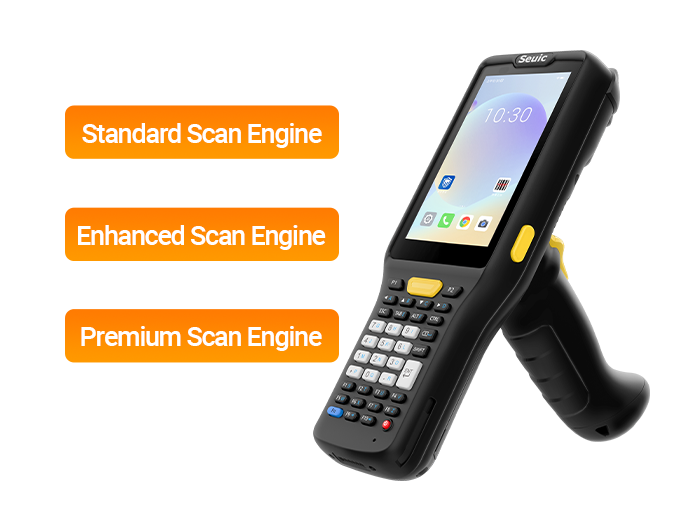
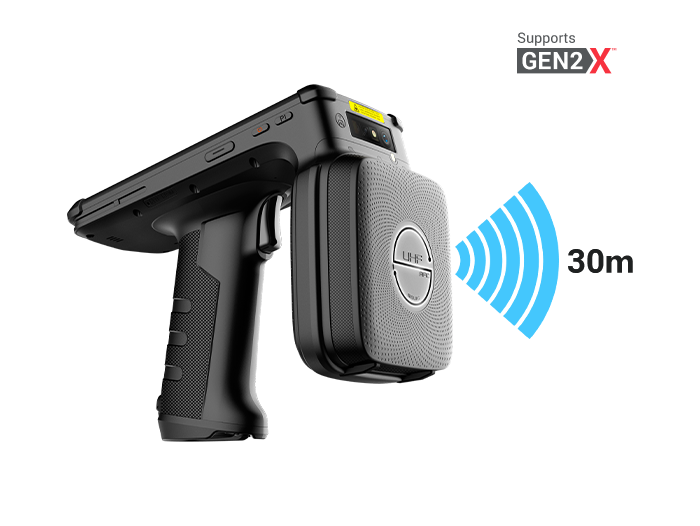
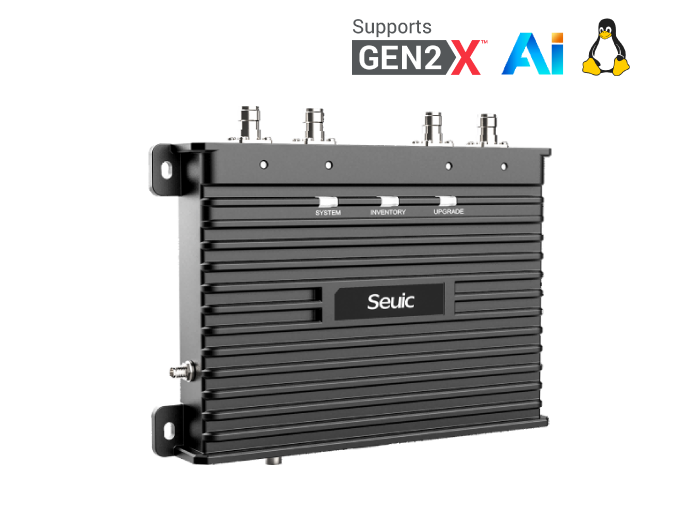
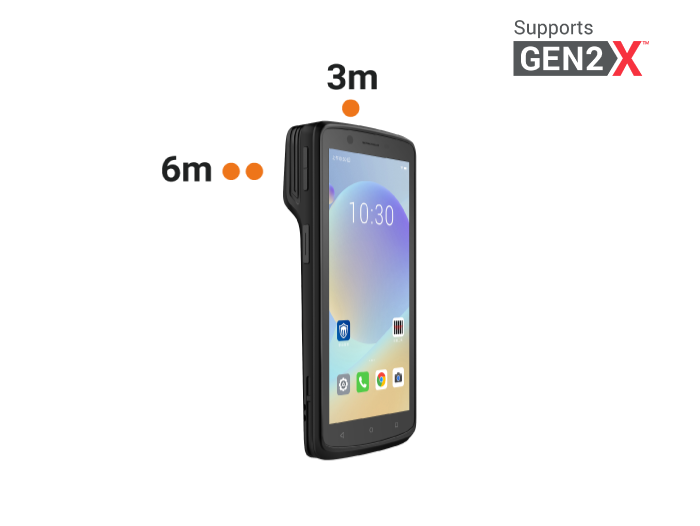
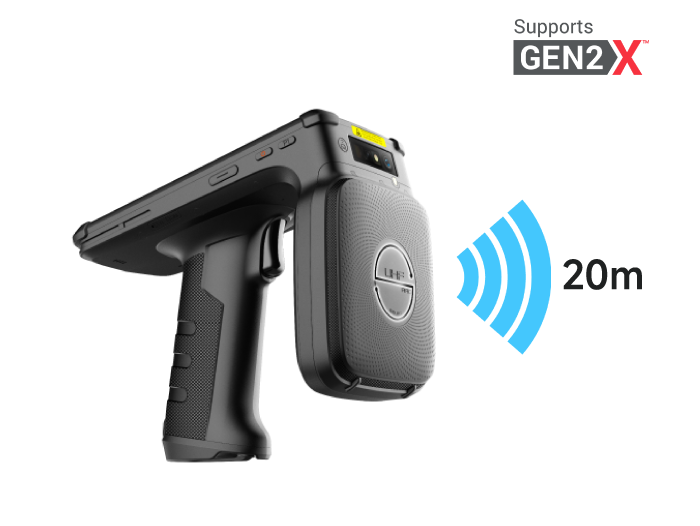
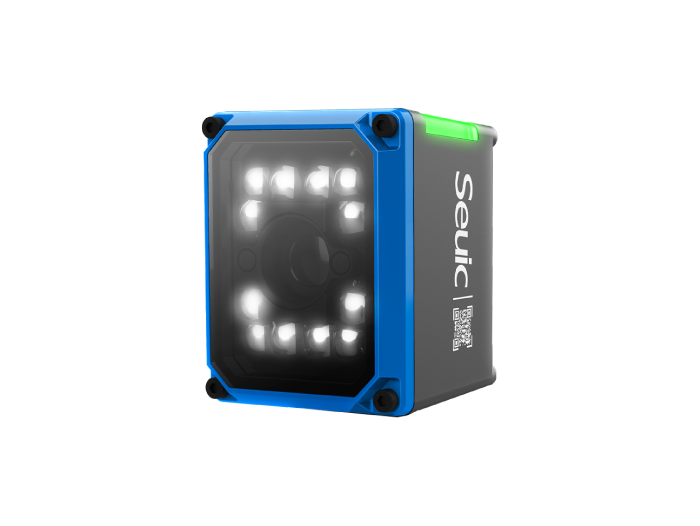
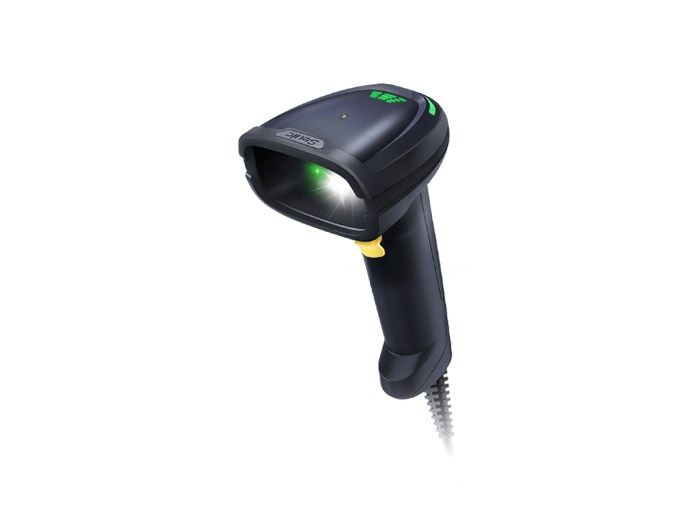
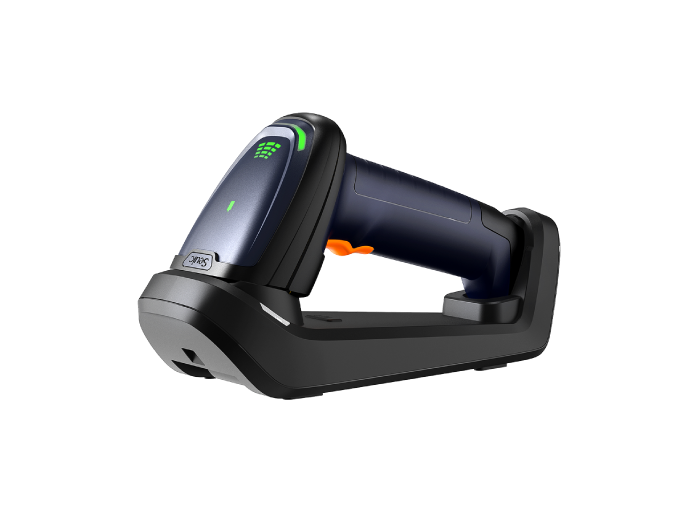
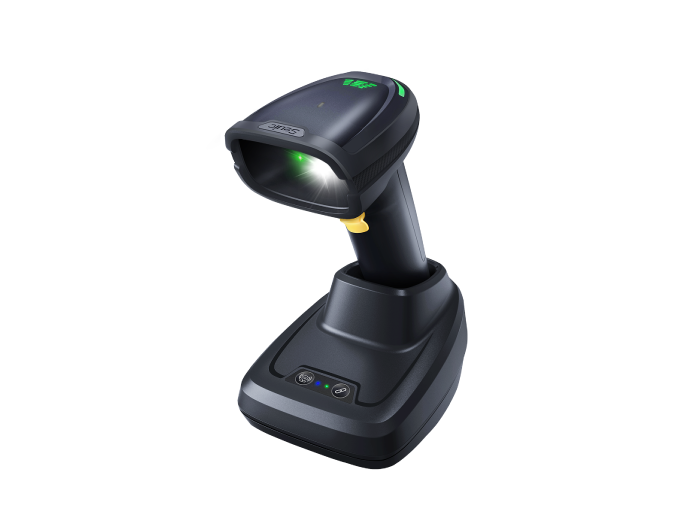
Readers are the core data collection devices in any RFID Tracking system. For fixed points such as dock doors, production lines, sortation chutes, and loading bays, prioritize fixed readers. For routine warehouse counting, store shelf inspections, hospital equipment rounds, and outdoor meter reading, handheld or vehicle-mounted readers are more suitable.
At minimum, evaluate these four key parameters:
Read range: UHF scenarios commonly offer 10m, 20m, and 30m tiers. For dock doors, select based on coverage width and passage speed. For large warehouse spaces requiring long-distance batch reading, assess transmit power, antenna gain, and environmental obstructions.
Bulk read rate: High-throughput scenarios should target ≥500 tags/second. This is especially important for express sorting, full-pallet/full-carton inbound/outbound, and high-volume apparel receiving.
Ingress protection rating: For industrial sites, cold storage entrances, and outdoor cabinets, IP65 or higher is recommended. For environments with vibration, oil, or metal dust, also evaluate shock resistance and thermal dissipation.
Multi-device coordination: Fixed deployments often involve multiple readers working in close proximity. They must support channel/time synchronization, anti-interference, and centralized configuration.
3. Tag Selection: Passive, Active, On-Metal, and High-Temperature
Tags directly impact cost, read stability, and lifecycle. Common types include:
Passive tags: No battery, low cost, small form factor. Suitable for retail hang tags, cartons, location labels, and file folders. Read range depends on reader power and antenna.
Active tags: Built-in battery, longer range, capable of active reporting. Suitable for large assets, outdoor meters, vehicles, or scenarios requiring real-time location. However, unit cost and battery replacement costs are higher.
On-metal tags: Required for metal workpieces, cabinets, gas cylinders, and meter boxes. Standard tags detune severely when applied to metal and must be selected separately.
High-temperature tags: Used in paint shops, high-temperature cleaning, steam sterilization, or temporary tracking around industrial furnaces.
Also evaluate tag dimensions, chip memory, rewritability, and whether integrated barcode/QR code printing is needed. For millions of retail SKUs, per-tag cost significantly impacts total budget. For heavy assets, tag lifespan and durability matter more than unit price.
4. Antenna and Polarization Matching to the Site Environment
Antennas determine beam coverage, read zone shape, and missed-read rates. Selection should account for mounting height, reading angle, and tag orientation.
Linear polarization antennas: Stronger directionality and more concentrated energy at the same distance. Best for scenarios with relatively fixed tag orientation, straight dock lanes, and directional production line reads.
Circular polarization antennas: More tolerant of random tag flipping and tilting. Ideal for mixed garment loads, loose-item counting, retail receiving, and assets with complex orientations.
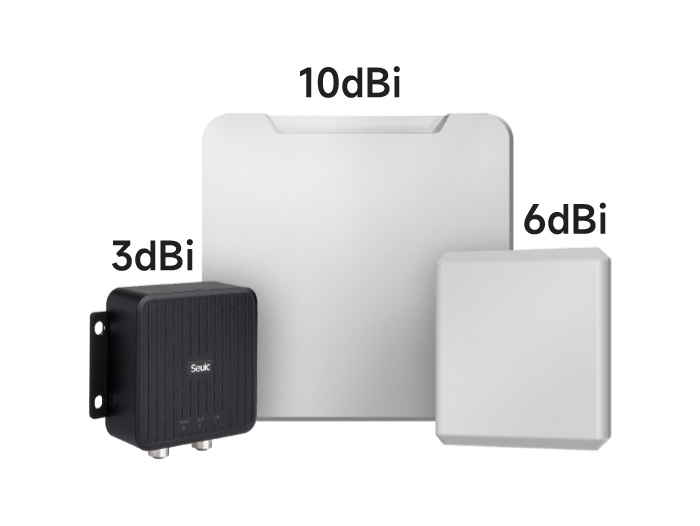
Actual deployment also depends on antenna gain, beamwidth, cable loss, and port count. Metal shelving, liquids, and dense packaging all affect RF performance. Therefore, antenna quantity and placement should be determined through on-site surveys rather than estimated purely by area.
5. Frequency Band and Regulatory Compliance
RFID Tracking commonly uses LF, HF, and UHF bands. LF/HF are more stable in short-range, metal-heavy, or liquid-rich niche scenarios. UHF offers the best cost-performance ratio for supply chain, warehousing, apparel, and bulk asset identification.
You must specifically verify the frequency bands and transmit power limits in your target region — UHF available frequencies vary by country/region. For cross-border production lines, multinational retail, or export logistics projects, require that both readers and tags support local compliance parameters and retain regional power templates.
6. Middleware Must Have Filtering and Deduplication Capabilities
On-site, it is common for the same tag to be reported repeatedly by multiple antennas, transient jitter to produce dirty data, and reflections from buffer zones to cause false reads. The value of middleware is not simply "collecting data" — it is transforming raw RF events into reliable business events.
Evaluation points:
Duplicate read deduplication and smoothing window control
Filtering rules configurable by reader, antenna, zone, and time
Whitelist/blacklist support and low-quality tag rejection
Edge aggregation before upload to reduce WMS/ERP load
Configurable event models: inbound, outbound, counting, transfer, alert, etc.
Without qualified middleware, an RFID Tracking project's backend can easily become a "massive raw log system" rather than a business visibility system.
7. Software Integration: API/SDK Integration with WMS/ERP/HIS
RFID data must ultimately serve business operations, not just display on a demo screen. Procurement must require suppliers to provide mature APIs/SDKs capable of interfacing with your existing WMS, ERP, TMS, retail POS, or hospital HIS.
Key confirmation points:
Interface protocols: REST, MQTT, WebSocket, message queues — are they all available?
Master data synchronization: SKUs, batches, locations, asset IDs, user accounts
Exception flows: How are missed reads, unknown tags, zone-crossing moves, and counting discrepancies handled?
Permissions and security: Transport encryption, audit logs, role-based access
Dashboards and reports: Inventory accuracy, location trails, counting efficiency, exception trends
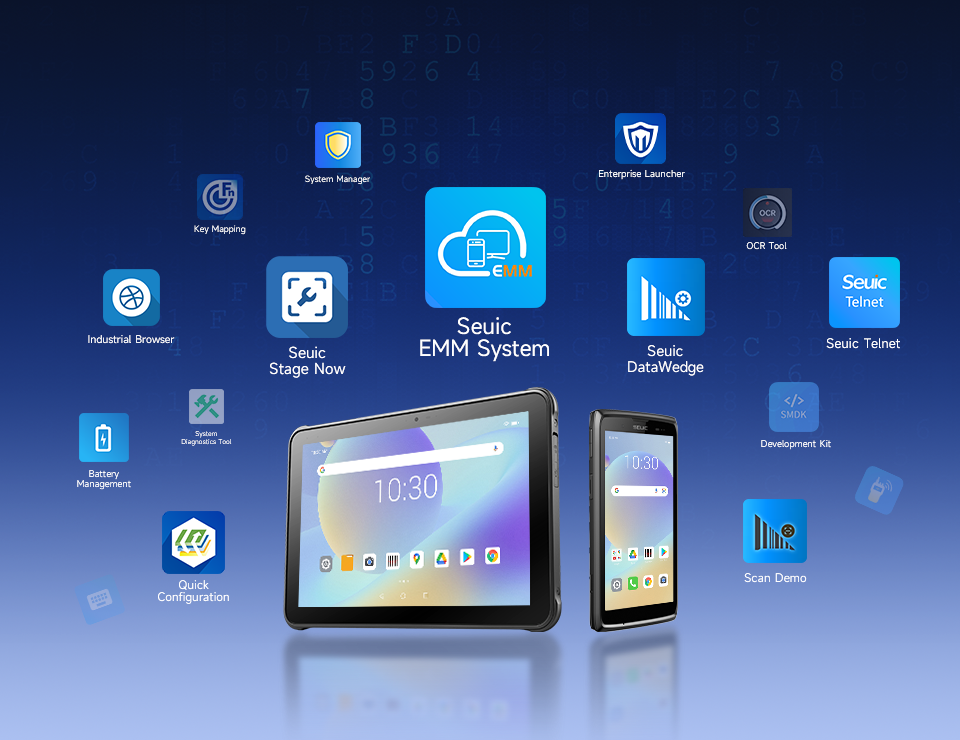
8. Distributed Devices Require Remote MDM Management
When readers, handhelds, and self-service verification terminals are distributed across multiple factories, stores, distribution centers, or hospital campuses, relying on on-site manual maintenance is unsustainable. An MDM platform should support:
Remote configuration, firmware upgrades, and parameter template distribution
Device health monitoring: offline status, overheating, power anomalies, disconnected antennas
Log collection and fault localization
Security patches, certificate management, and access whitelists
Multi-organization, multi-site role-based permissions
For express outlets, retail chains, and regional utility meter reading operations, MDM capability directly determines long-term operational and maintenance costs.
9. Total Cost of Ownership Goes Beyond Equipment Pricing
RFID Tracking budgets typically include readers, antennas, cables, tags, middleware, software licenses, integration development, installation and commissioning, training, and post-sale support. Three cost categories are often underestimated:
Tag consumption: For retail, medical consumables, and returnable packaging, if tags need frequent replacement, annual costs can be substantial.
Integration costs: Legacy WMS/ERP interfaces may not be standardized, and data cleansing can consume significant project time.
Ongoing maintenance costs: Device inspections, antenna calibration, tag damage replacement, and active tag battery replacement.
We recommend using an ROI model: inventory accuracy improvement, counting labor reduction, fewer shipping errors, reduced asset loss, and compliance benefits. For factories and hospitals, compliance and traceability often carry greater decision weight than simple labor savings.
10. Validate Through a POC Before Scaling Up
No matter how complete the plan, RFID is heavily influenced by environment, packaging, metal, liquids, and human presence. Therefore, a POC must be conducted before formal tendering. The POC should cover real goods, real locations, and real shift operations — not just a few cards demonstrated in a lobby.
POC acceptance criteria can include:
Identification rate targets for key nodes: dock inbound/outbound, full-pallet bulk reads, individual item counting
False read rate, duplicate read rate, and latency
Stability under peak concurrent tag counts
Business consistency after joint debugging with WMS/ERP
Staffing requirements and exception handling time
Also evaluate the supplier's industry case studies, response SLA, spare parts system, regulatory compliance, and security posture. Only proceed to multi-site rollout once POC data meets your business thresholds.
Purchasing an RFID Tracking system is not a single-point decision of "choose the longest read range" or "choose the cheapest tag." It is a systems engineering exercise encompassing reader form factor, tag material, antenna polarization, frequency compliance, middleware deduplication, WMS/ERP integration, MDM operations, and POC validation. While factories, warehouses, retail, hospitals, utilities, and government inspection operations have different scenarios, these 10 factors cover the vast majority of failure risk points.
If you are preparing an RFID project tender or pilot, feel free to contact Seuic. We will recommend a suitable RFID solution based on your specific business needs.
Related News
-

Portable Barcode Scanner for High-Rack Warehouses
Product Updates | 2026.09.20Learn More
-
RFID Tracking vs Barcode: The Ultimate Asset Tracking Selection Guide
Product Updates | 2026.09.18Learn More
-

RFID Tracking in Supply Chain: An End-to-End Visibility Solution from Factory to Customer
Product Updates | 2026.09.15Learn More
-
RFID Tracking for Warehouse Assets: Achieving Real-Time Visibility for Pallets and Containers
Product Updates | 2026.09.15Learn More