




Rugged Android Tablet for Retail Stores: Inventory Management, Assisted Selling & Store Inspections
Retail stores are shifting from "fixed POS + back-office data entry" to "mobile store associate operations." Staff need to move around the sales floor — checking inventory, receiving shipments, making product recommendations, enrolling loyalty members, and handling stock transfers. Consumer-grade tablets fail under drops, liquid spills, and prolonged heavy-duty scanning. That's why a lightweight, durable, bright-display, and IT-manageable rugged Android tablet is becoming the mobile hub of modern retail: it consolidates inventory management, assisted selling, and store inspections into a single device, reducing hardware failure rates and shortening the path from "identifying a need" to "closing the sale."
1. Inventory Management: Connecting the Back Room to the Sales Floor in Real Time
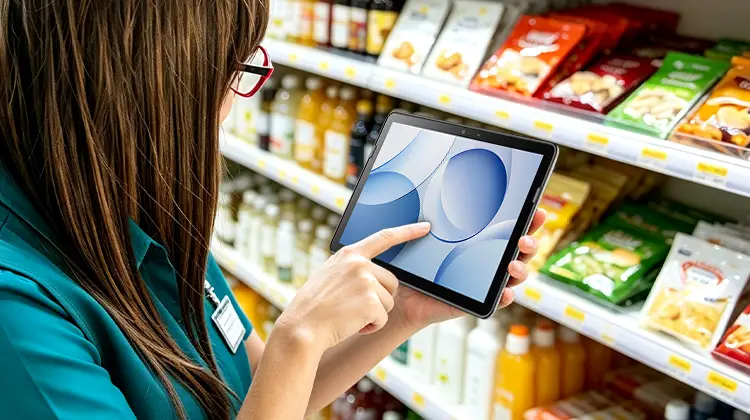
For chain stores, supermarkets, apparel retailers, and department store counters, inventory accuracy is the foundation of store performance. A rugged Android tablet integrates barcode, QR code, NFC, and RFID with WMS/ERP, turning the sales floor into an extension of the stockroom.
Receiving and putaway: When suppliers deliver, staff scan SKU barcodes with the rugged tablet, verify against purchase orders, batch numbers, and expiration dates. For fresh food and pharmaceutical scenarios, temperature zones and shelf life are recorded, with data synced to the backend in real time.
Dynamic inventory and cycle counting: Instead of waiting for month-end stocktakes, staff can perform cycle counting by shelf or category during downtime. The Android rugged terminal supports offline caching — work continues in basement sales areas or low-signal zones, and data auto-syncs when the network is restored.
Low-stock alerts and transfers: When a specific size, color, or SKU falls below the safety threshold, the system pushes a replenishment task. Inter-store transfers within the same city can be initiated on the tablet, with electronic receipt confirmation — reducing overselling.
Outbound and returns: Customer returns, online order pickup, and ship-from-store scenarios are handled on the tablet — quality checks, reason codes, and inventory adjustments are completed on the spot, keeping financial and physical inventory aligned.
2. Assisted Selling: Turning Store Associates from "Clerks" into "Advisors"
Inventory data only creates incremental value when shared with customers face-to-face. A rugged Android tablet features a bright display with glove/wet-finger touch support, making it suitable for bright storefronts, cold aisles, cosmetics testers, and other challenging environments. It powers the following assisted-selling activities:
Real-time inventory check and omnichannel fulfillment: When a customer shows interest in a display unit, the associate checks availability across the central warehouse, other stores, and the e-commerce DC — all on the tablet. Options like "ship from store," "same-city transfer," and "buy online, pick up in store" shorten the customer's decision time.
Product details and curated recommendations: Access spec sheets, care instructions, styling suggestions, and user reviews. Apparel stores can recommend sizes based on body measurements; home appliance stores can play installation videos; beauty and pharmacy stores can check ingredients and contraindications.
Mobile POS and loyalty management: Integrated POS, scan-to-pay, invoicing, loyalty points, and coupon redemption. The rugged Android tablet connects to Bluetooth receipt printers, card readers, and facial recognition cameras — associates can complete checkout right at the fitting room or end cap, reducing queue wait times.
Personalized promotions: Based on the customer's purchase history and current browsing behavior, the system suggests complementary items — diapers + wipes in the baby aisle, jacket + inner layer in apparel — increasing basket size.
3. Store Inspections and Planogram Audits: Standards That Stick
Head office, regional supervisors, and store managers all struggle with the same problem: "standards are documented, but execution drifts." A rugged Android tablet transforms store inspections from paper checklists into a visual closed-loop process.
Planogram compliance checks: Bind a digital planogram to each store and shelf section. During inspections, staff take photos and upload them. The system compares shelf layout, price tags, end caps, and POP displays against the standard. The rugged body withstands bumps in warehouse-style stores and big-box retail.
Issue capture and corrective task assignment: When stockouts, incorrect price tags, damaged merchandise, or competitor shelf encroachment are spotted, the associate creates a work order on the tablet, assigns it to a staff member or vendor, sets a deadline, and maintains a full audit trail.
Inspection routes and reports: Regional managers schedule store visits on a calendar, work offline during inspections, and sync reports back at the office. Head office dashboards aggregate planogram scores, stockout rates, and inspection completion rates — feeding into supervisor KPIs.
Promotion execution verification: New product launches, seasonal end caps, and co-branded displays are verified by inspectors using the tablet — confirming signage, collateral, and giveaway execution, ensuring promotional spend translates to on-the-ground impact.
4. Key Specifications to Look for in a Rugged Android Tablet for Retail
Different store formats have different requirements, but here are the core parameters to evaluate:
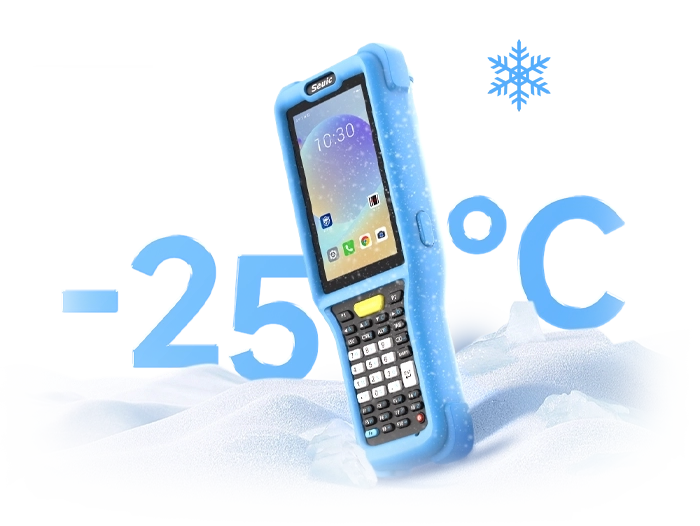
Ingress protection: IP65/IP67 minimum for dust and splash resistance, plus 1.2–1.5m drop survival. Cold-chain stores need wide-temperature batteries and heating strategies.
Display and touch: 10 inches or larger for a balanced form factor. High-brightness panels for street-facing stores. Support for glove mode, wet-finger operation, and passive stylus — essential for staff wearing protective or medical gloves.
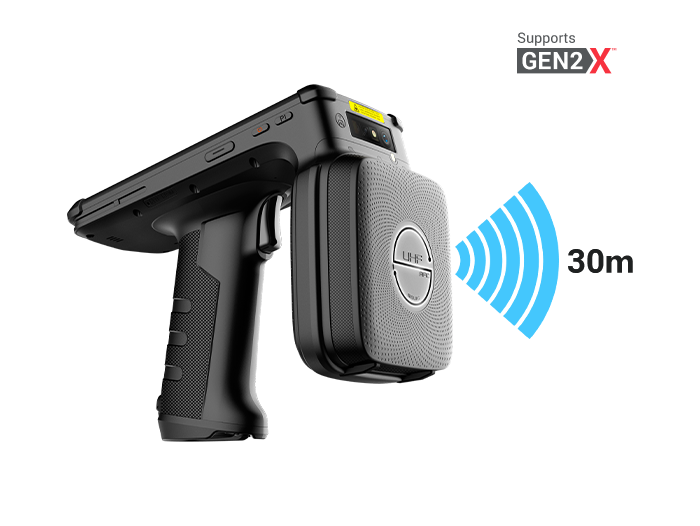
Data capture: 1D/2D barcode scanning is standard. Optional UHF RFID for apparel, pharmaceutical, and asset tagging. NFC for membership cards and near-field shelf-label reads.
Battery and hot-swap: 8,000mAh or higher for a full shift. Removable battery or charging cradle for overnight inventory marathons and peak-season promotions.
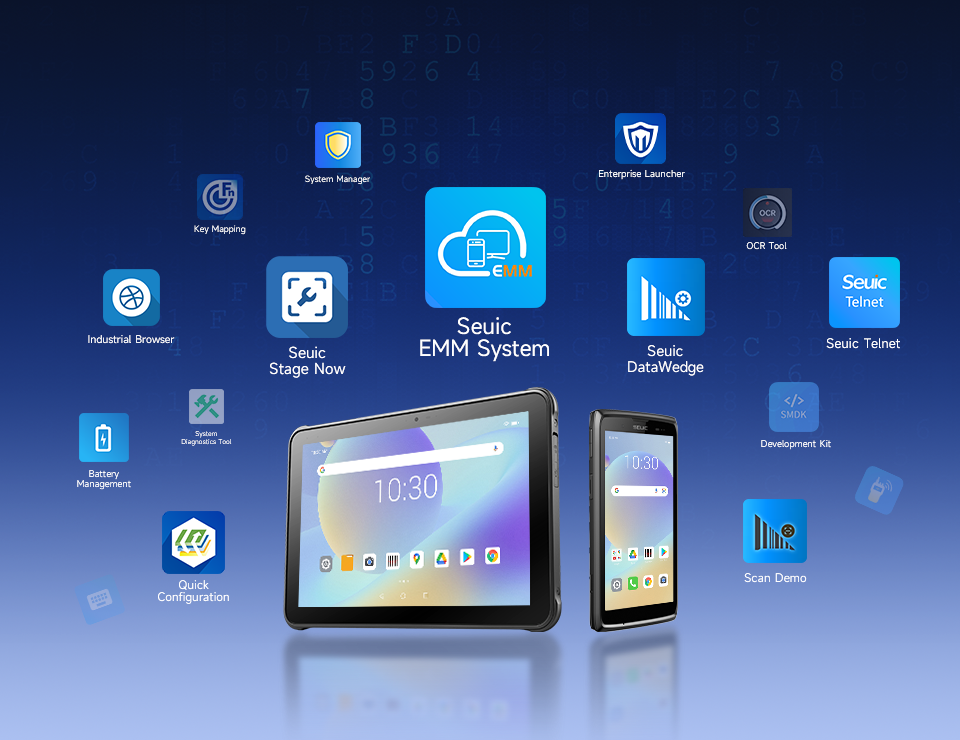
OS and manageability: Long-term Android security updates, MDM/EMM support for remote configuration, app whitelisting, and centralized firmware updates — reducing IT overhead.
5. Product Recommendation: SEUIC AUTOID Pad Air 11 for Mobile Store Operations
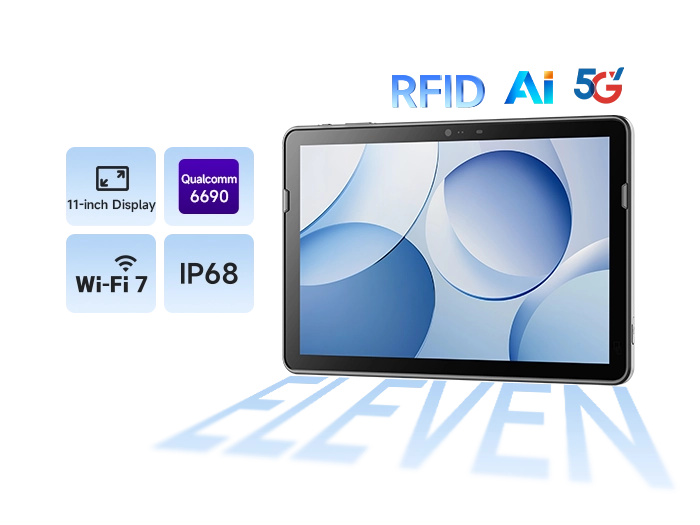
The SEUIC AUTOID Pad Air 11 features an 11-inch anti-glare display that shows "bin location – SKU – batch – planogram position" on a single screen. Store associates check inventory, perform cycle counts, and compare planograms with fewer page flips. In basement sales areas with weak networks, data is cached locally and auto-synced to WMS when connectivity returns.
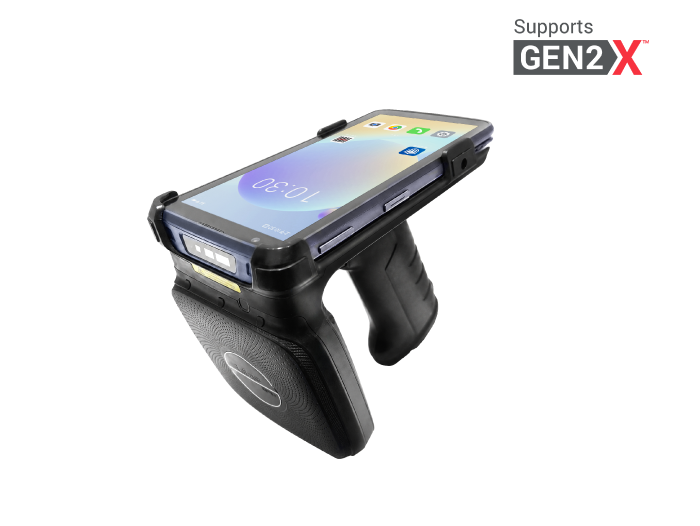
Second, it comes with built-in UHF RFID and a professional barcode scan engine. Apparel hangtags, pharmaceutical expiry labels, and asset price tags can be batch-read in a single pass — receiving, transfers, and loss-prevention stocktakes are completed in one go. Low-stock items automatically trigger same-city transfer tasks.
Third, the whole unit is rated IP68, survives 1.2m drops, and packs a 10,000mAh removable hot-swappable battery. It handles bright storefronts, cold aisles, and overnight promotion shifts — supporting mobile POS, loyalty redemption, and omnichannel fulfillment. It effectively replaces the "small PDA + consumer tablet" dual-device setup.
Retail competition isn't just about price and traffic — it's about whether store associates can quickly check inventory, make recommendations, audit planograms, and close issue loops using reliable devices. A well-chosen rugged Android tablet solution integrates inventory management, assisted selling, and store inspection compliance into a single mobile terminal, reducing system switching and device repairs. If you are evaluating store terminals, contact SEUIC for a demo unit — start with a small pilot, then roll out across your entire chain.
Related News
-
Portable Barcode Scanner Vendor Evaluation Guide: Support, Lifecycle & Fleet Management
Product Updates | 2026.10.08Learn More
-
11-Inch Rugged Android Tablet: One Device for Inventory, Sorting & Dispatch
Product Updates | 2026.09.30Learn More
-
Barcode Scanner vs Handheld Terminal: Selection Guide for PCB Factory Digital Transformation
Product Updates | 2026.09.29Learn More
-
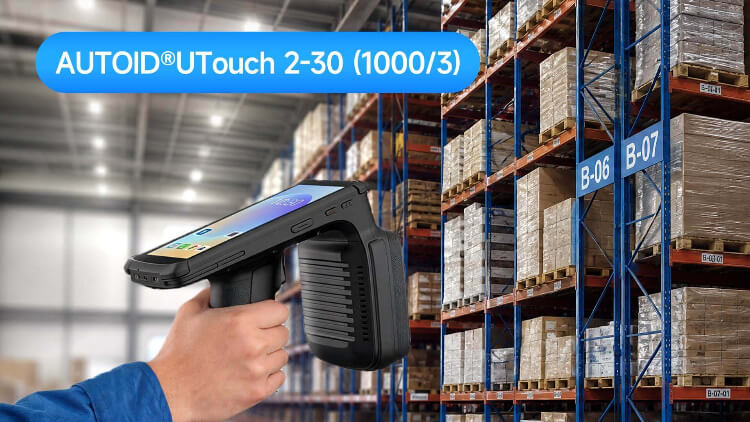
RFID Handheld Reader Selection: High-Bay Needs Range, Pallet Needs Speed
Product Updates | 2026.09.29Learn More