


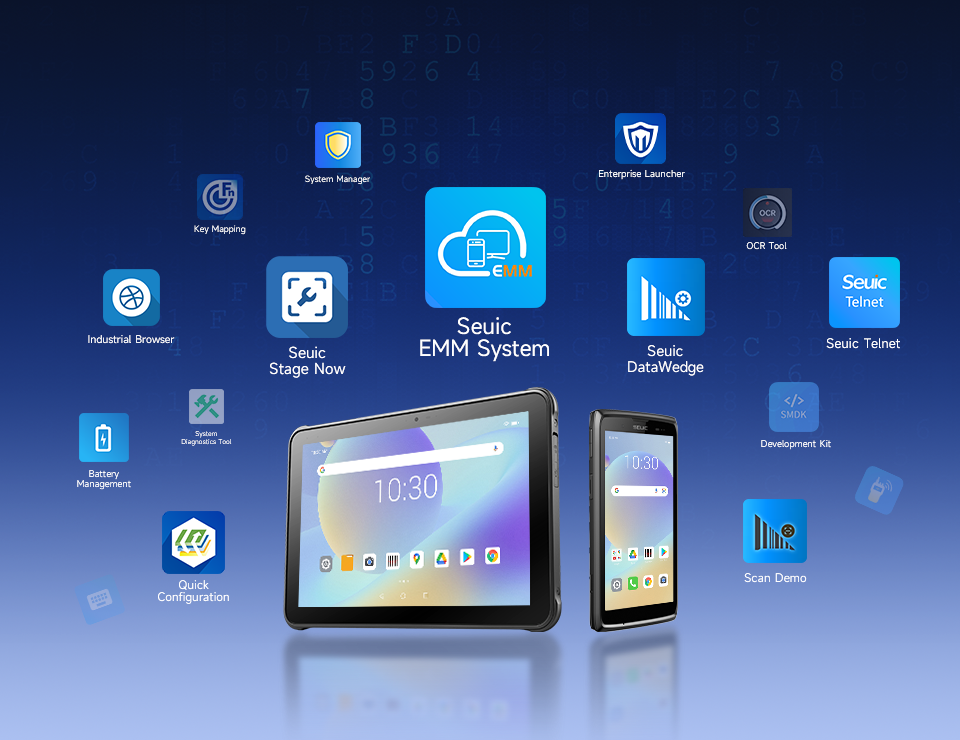


Scenario Determines the Device: Mobile Data Terminal vs. Consumer Tablet
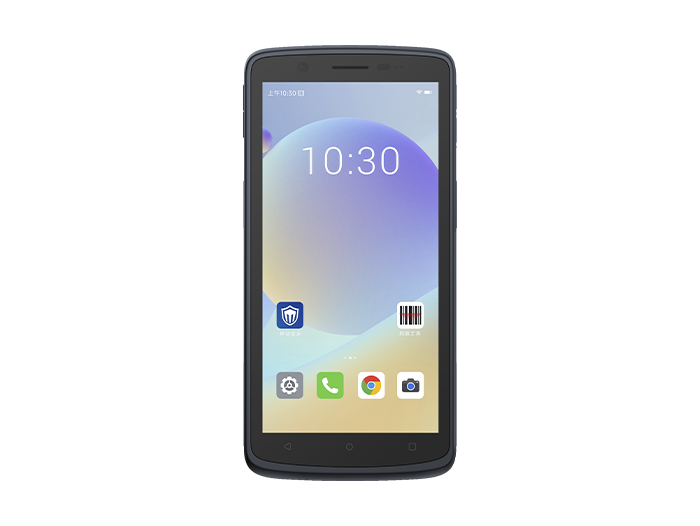
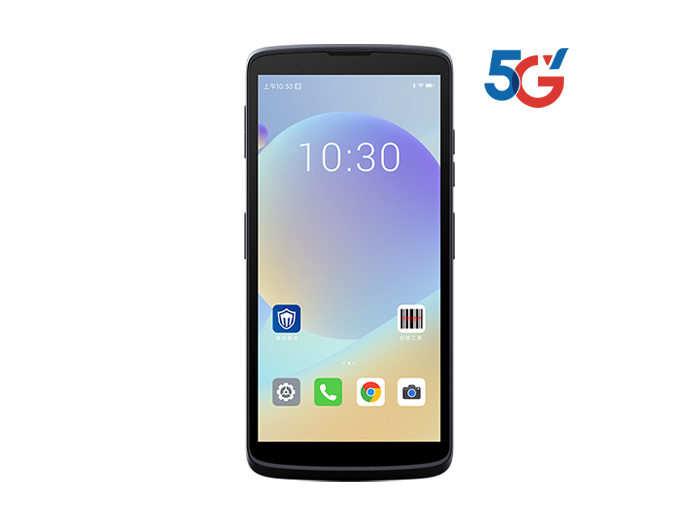
Many companies ask the same question when going digital on the shop floor: "Why not just buy a few consumer tablets for our workers, warehouse staff, nurses, or field inspectors?" At first glance, a Mobile Data Terminal (often shortened to MDT) and a tablet look similar — both have touchscreens, both run apps, both connect to Wi-Fi. But in reality, they differ fundamentally in design philosophy, hardware architecture, and management systems.
Consumer tablets are built for personal entertainment and office work — thin, light, great for media consumption and general use. Mobile Data Terminals are built for factories, warehouses, retail stores, hospitals, utilities, and law enforcement — designed to collect data continuously, accurately, and manageably in harsh environments.
Below is a dimension-by-dimension comparison covering ruggedness, specialized features, software management, and industry scenarios.
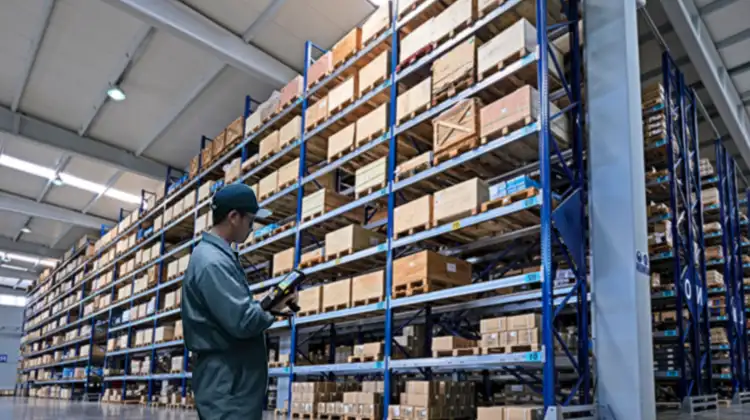
1. Bottom Line First: It's Not About Which Is Better — It's About What Fits Your Scenario
If your work is limited to checking emails in an office, viewing reports, or joining video calls, a consumer tablet is perfectly adequate. But if you're doing inbound picking, production line QC, cold storage inventory, outpatient medication dispensing, gas pipeline inspection, or roadside traffic enforcement, the core requirements are: "won't break when dropped, scans fast, never runs out of power mid-shift, and can be managed remotely." For those, an MDT is the right choice.
Simplified comparison:
| Key Metrics | MDT | Consumer Tablet |
| Device positioning | Industrial field data collection terminal | Consumer / general office terminal |
| Durability target | Designed for repeated drops, dust, spray, high/low temperatures | Designed for everyday careful use |
| Data capture | Built-in barcode / RFID scan engine | Relies on camera for photo-based recognition — slower and less reliable |
| Battery life & swap | Supports hot-swap / dual battery for all-day operation | Typically requires shutdown or downtime to charge |
| Management | Can be enrolled in MDM for batch configuration, remote lock, unified updates | Limited enterprise management capabilities |
2. Ruggedness & Environmental Adaptability: Drop, Dust/Water, Cold Storage, High Heat
This is the most obvious difference between an MDT and a consumer tablet. Industrial environments are not like offices — devices get dropped from shelves, workstations, patrol vehicles, or nursing carts. They get exposed to dust, rain, and cleaning chemicals.
Typical MDT protection specs include:
Drop resistance: Withstands 1.5–2 meter drops onto concrete, repeated. Some models reinforce corners, screen, and battery compartment separately. [Reference: MIL-STD-810H drop test methods]
Dust/water ingress: Commonly IP67 — fully dust-tight and protected against temporary immersion in 1 meter of water. [Reference: IEC 60529 IP rating standard]
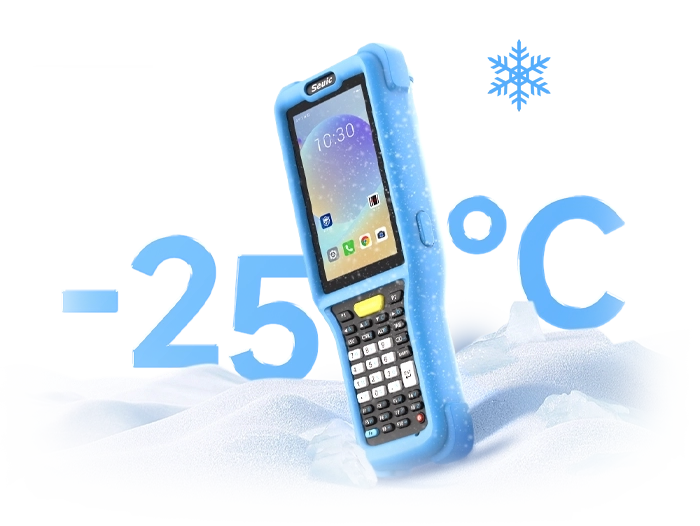
Operating temperature: Stable operation in -20°C cold storage or 50°C hot docks, workshops, and outdoor substations. Consumer tablets lose battery rapidly in extreme cold and may throttle or shut down in high heat.
Screen & touch: Supports glove touch, wet-finger operation, and high-brightness display in direct sunlight. Consumer tablets are mostly designed for dry indoor finger touch only.
Example: A cold storage warehouse worker using a consumer tablet for inventory may face rapid battery drain, touch failure, and condensation damage when exiting the freezer. Switching to an MDT with a cold-storage mode, heated battery, or insulated sleeve ensures uninterrupted scanning and real-time data sync.
3. Specialized Features & Expandability: Built-In Scanning, RFID, and Industrial Interfaces
The core task on the shop floor isn't "looking at a screen" — it's "capturing data." The MDT's advantage lies in making industrial capture capabilities native hardware.
3.1 Integrated Barcode & RFID Scanning
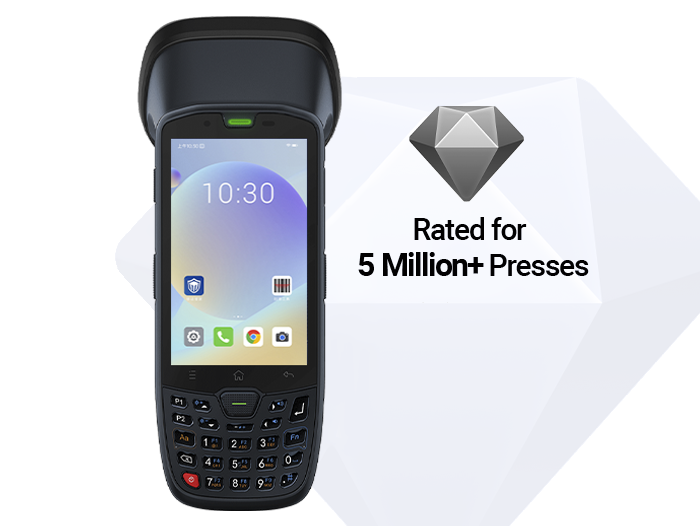
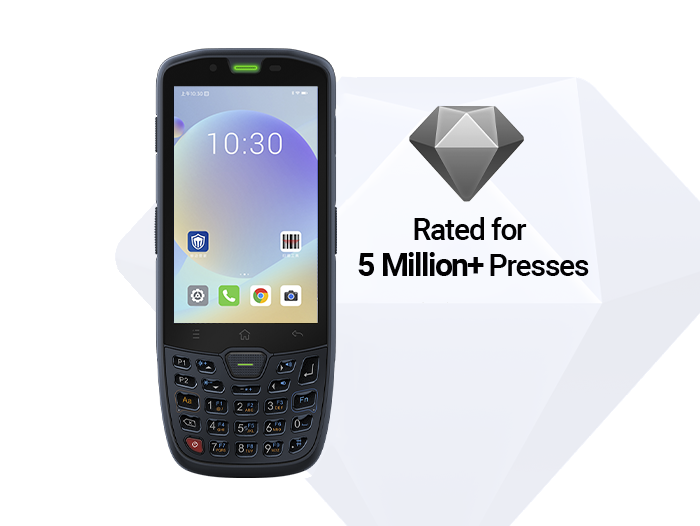
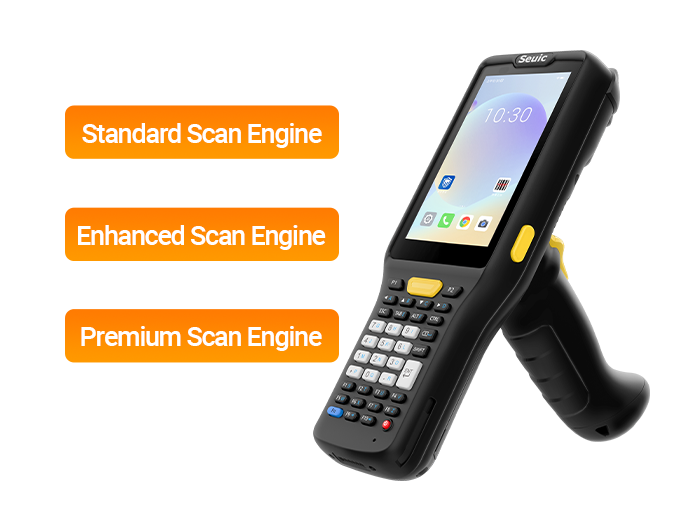
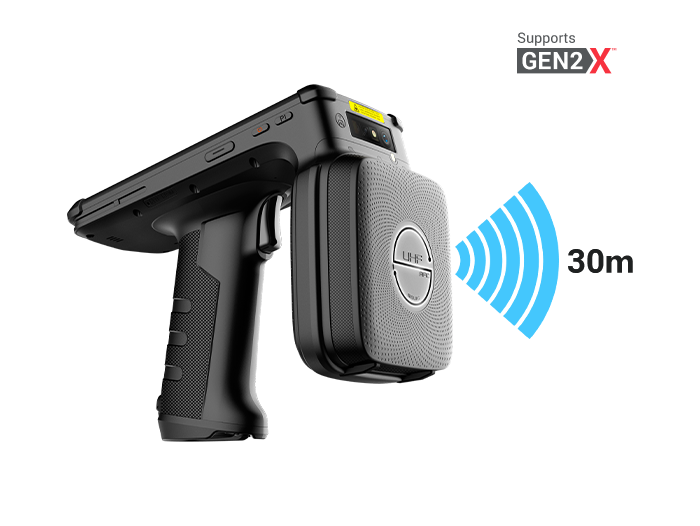
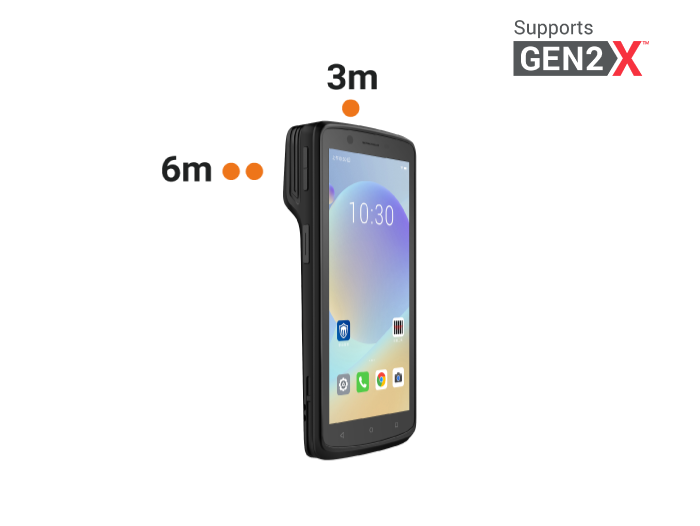
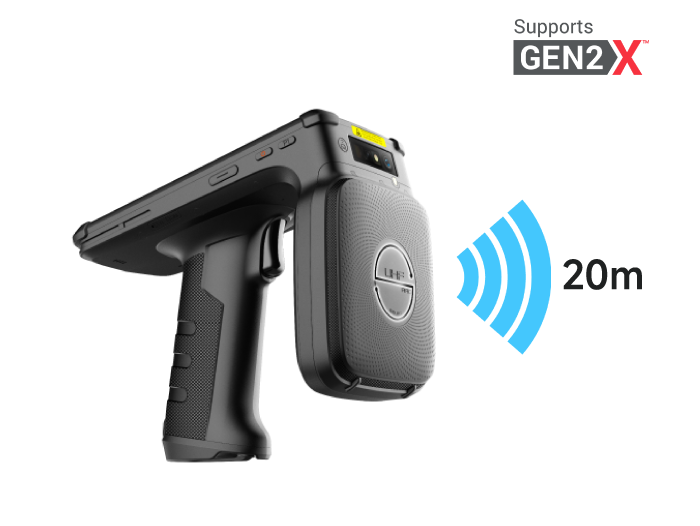
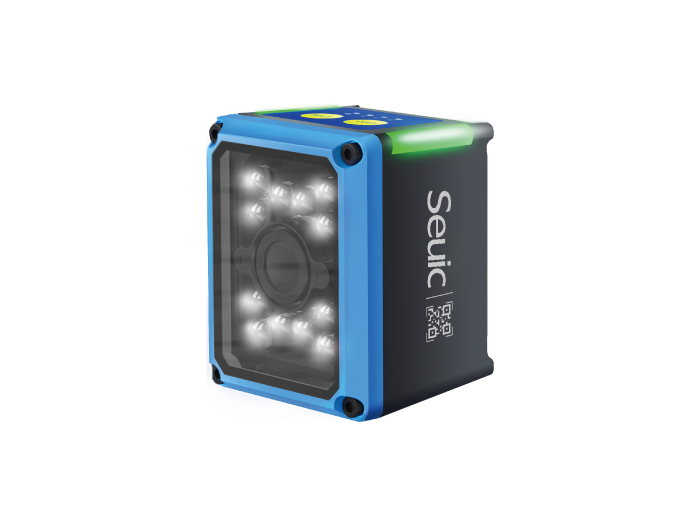
MDTs come with built-in 1D/2D barcode scan engines. Some models support long-range, high-density, and damaged-code reading. They can also integrate UHF RFID and HF/NFC for bulk reading of pallets, assets, medications, and utility meter tags. Compared to "tablet + camera scanning," dedicated scan engines start faster, misread less, and perform more reliably in low light and with damaged labels.
3.2 Hot-Swappable Battery for All-Day Operation
Warehouse distribution, express sortation, and hospital night shifts often require 8–24 hours of continuous use. MDTs support hot-swappable or dual batteries — when you remove the main battery, a backup keeps the system running without rebooting. Consumer tablets typically need to be shut down and charged, disrupting picking and shift handoffs.
3.3 Industrial Interfaces & Peripheral Expansion
MDTs can provide RS232, USB host, GPIO, CAN, and Ethernet ports for direct connection to barcode printers, scales, sensors, PLCs, and vehicle power. Some vehicle-mounted MDTs support cradle mounts and high-capacity vehicle power supplies for forklifts or delivery trucks. Consumer tablets mainly offer charging and headphone jacks — connecting industrial peripherals usually requires adapters, which compromise stability and shock resistance.
4. Software & Management: Enterprise OS, MDM, and Bulk Deployment
Once you have more than a few dozen devices in the field, management costs quickly exceed hardware costs. MDTs typically ship with an enterprise-oriented operating system — Android AOSP industry edition or Windows IoT — focused on stability, controllability, and customizability rather than entertainment ecosystems.
Key capabilities:
MDM (Mobile Device Management): Remotely push apps in bulk, configure Wi-Fi/VPN, set app whitelists, lock devices to single-app kiosk mode. Lost devices can be wiped remotely.
Long-term OS support: Industrial systems emphasize version stability and security patch cadence, avoiding automatic major upgrades that break business apps.
Permissions & auditing: Assign scanning, camera, GPS, and data upload permissions by role — meeting compliance requirements in QC, pharma, and government.
Offline data caching: Warehouses, underground garages, plant dead zones, and disaster-area inspections can store data locally and auto-sync when the network recovers.
Consumer tablets do offer some enterprise management features, but consumer OS updates are unpredictable, account systems are personal, pre-installed apps clutter the device, and managing dozens or hundreds of units creates a heavier administrative burden.
5. By Industry: Which Roles Are Better Suited for an MDT?
Different audiences have different pain points, but the judgment criteria are the same: if your work involves drops, dust, temperature extremes, continuous scanning, or compliance controls, an MDT almost always delivers better total cost of ownership than a consumer tablet.
Factory / Production / QC / Warehouse: WIP reporting, incoming QC, defect photo capture, batch tracing. MDT trigger keys + scan engine drastically reduce manual data entry.
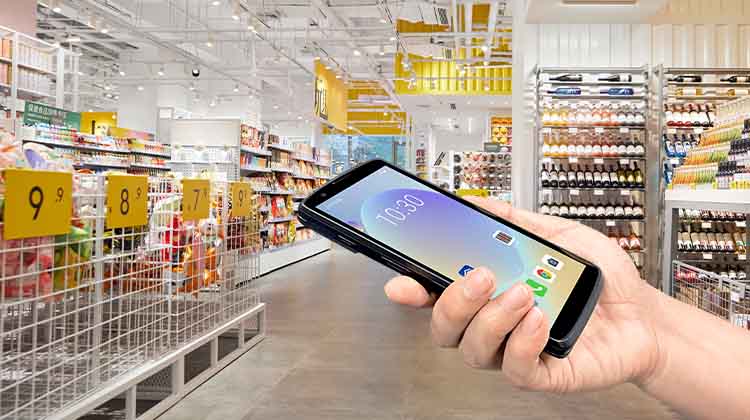
Retail / Supermarket / Apparel / Store: Inventory counting, price tag verification, transfer receiving, store replenishment. Hot-swappable battery ensures uptime during peak hours.
3PL / E-commerce Warehouse / Express / Sortation / Distribution: Picking, verification, sortation, proof of delivery. Drivers use handheld MDTs; vehicles can use vehicle-mounted MDTs.
Hospital / Pharmacy / Nursing / Medical: Wristband scanning, medication management, specimen tracking, high-value consumable inventory. Device housing can be disinfected regularly; system supports permission auditing.
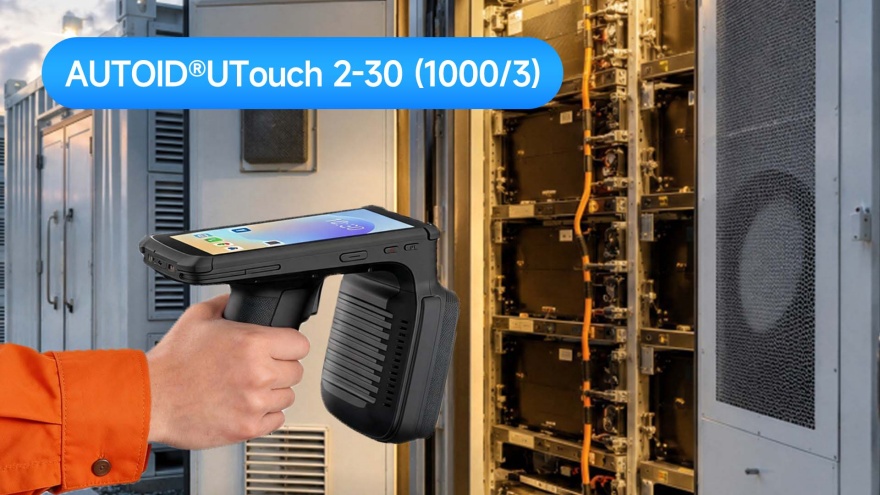
Water / Gas / Electric / Municipal / Meter Reading / Patrol: Outdoor glare, rain, glove operation, long-distance meter RFID. MDT's protection and hot-swappable battery are a better fit.
Government / Law Enforcement / Field Inspection: ID card, license plate, document scanning, electronic forms, offline enforcement. MDM unified control ensures data security.
6. Procurement Checklist: Don't Compare Spec Sheets — Match Your Site Conditions
To avoid buying based purely on lowest price, use this checklist:
Drop & protection: Has it passed 1.5–2 meter multi-face drop testing? Does the IP rating meet your dust/spray needs? Do you need IP68?
Temperature & humidity range: Cold storage down to -20°C? Hot dock / outdoor up to 50°C? Do you need screen/battery heating?
Scan type: 1D or 2D? Long range or short range? Do you need UHF RFID / NFC?
Battery strategy: Hot-swappable? Dual battery? Runtime under full load per shift?
System & control: Android AOSP or Windows IoT? Can it integrate with your existing MDM? How many years of security patch support?
Interfaces & peripherals: Do you need RS232, GPIO, USB host, Ethernet, vehicle power? Connecting to printers, scales, or sensors?
Total cost of ownership: Look beyond unit price. Factor in damage rate, downtime, scan efficiency, MDM labor, warranty, and spare device service.
Consumer tablets are not unusable — for short-term indoor inventory, low-frequency scanning, and benign environments, they are cheaper. But in scaled field operations, the per-hour cost of an MDT is often lower because of fewer stoppages, fewer repairs, and fewer data entry errors.
An MDT and a consumer tablet are not about "which has better performance" — they are about "built for the field" versus "built for general office use." If your operations involve drop risks, dust and moisture, cold storage or high heat, high-frequency barcode/RFID scanning, hot-swappable battery needs, and bulk remote management, prioritize an MDT. If you only need document viewing, meetings, and light queries, a consumer tablet is more economical.
If you're comparing terminal solutions for factory QC, warehouse picking, retail inventory, hospital medication dispensing, or utility patrol, feel free to contact Seuic for device specs and pilot checklists. Tell us your industry, operating temperature range, daily scan volume, and current system names — we'll recommend an MDT configuration tailored to your scenario.
Related News
-
Portable Barcode Scanner Buying Guide
Product Updates | 2026.09.22Learn More
-

What Is RFID Meaning? Definition & Common Beginner Misconceptions
Product Updates | 2026.09.21Learn More
-
What Is RFID? A Complete Guide to Radio Frequency Identification: Definition, Working Principle & Applications
Product Updates | 2026.09.21Learn More
-
2D Barcode Scanner for Automotive DPM Traceability
Product Updates | 2026.09.20Learn More