




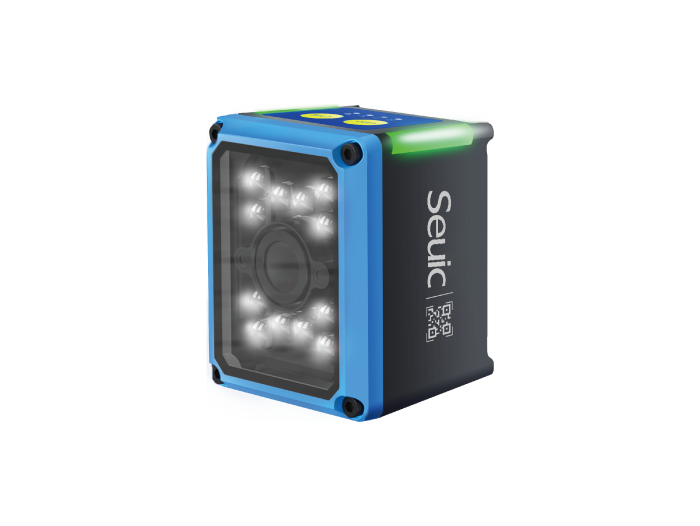
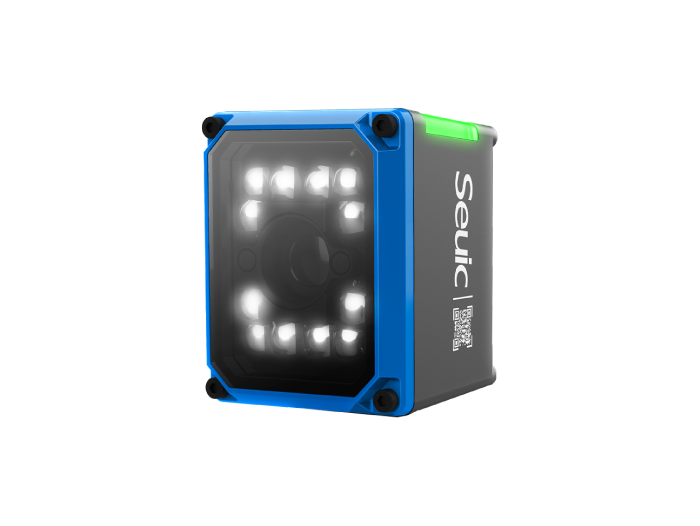
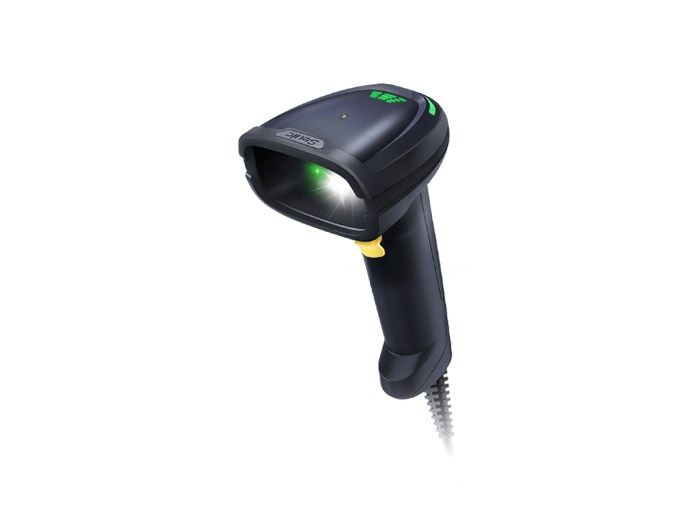
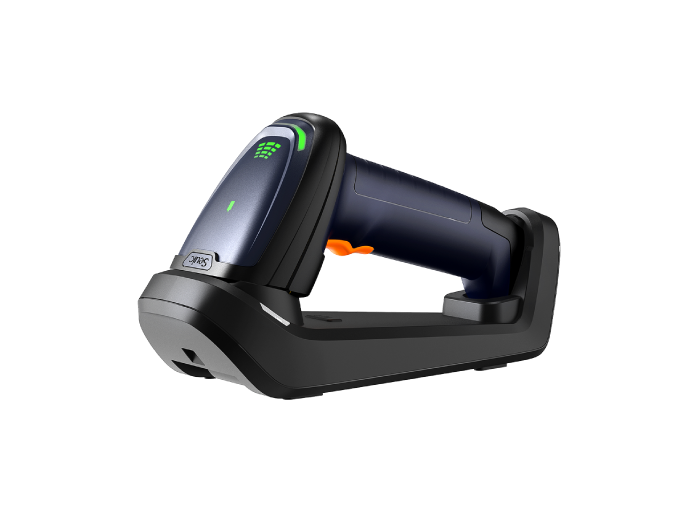
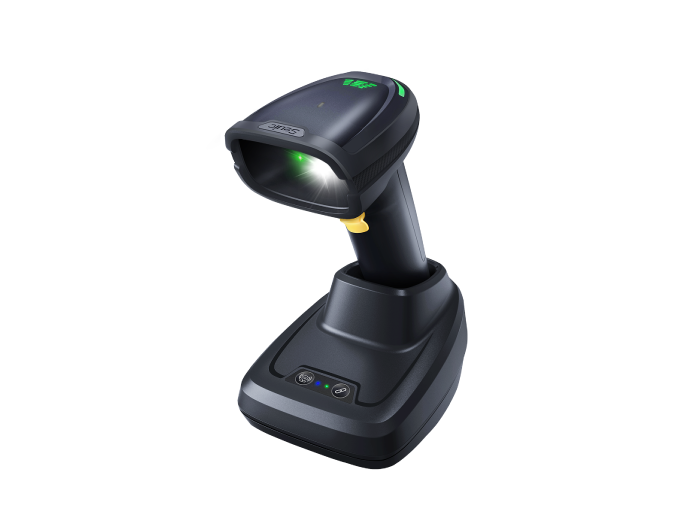
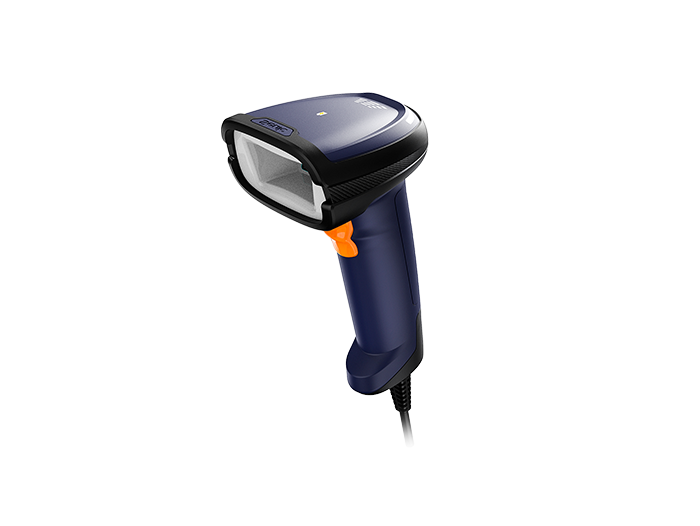
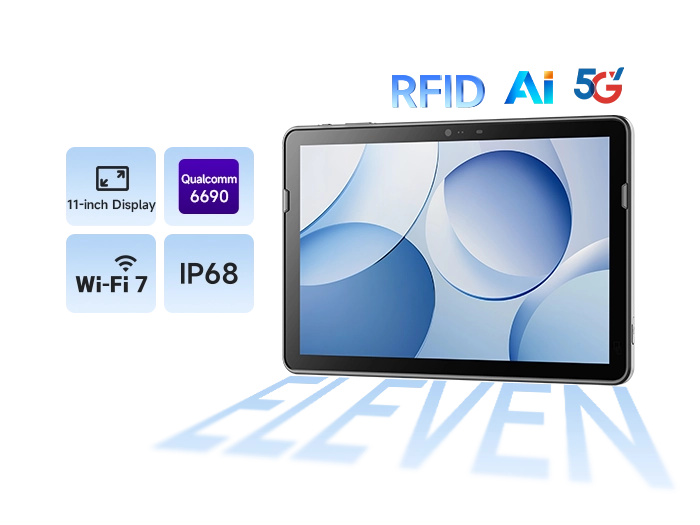
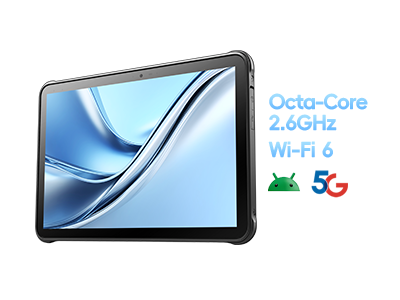


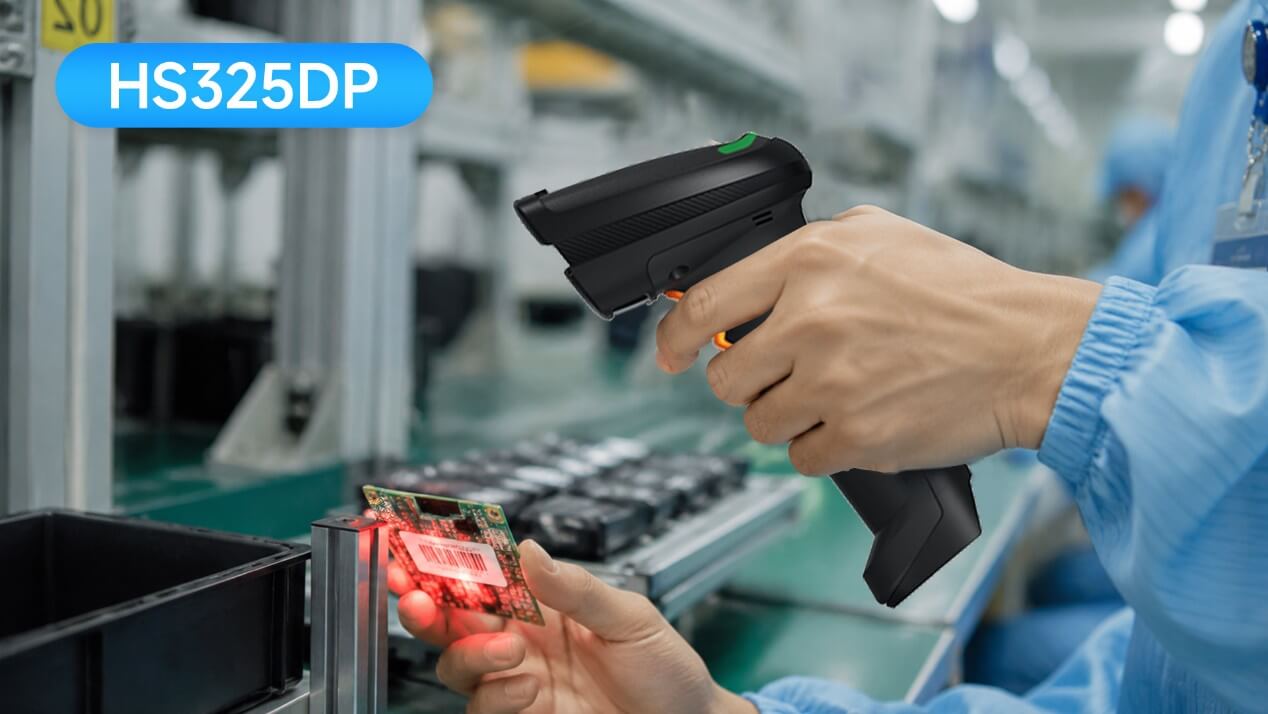
Seuic HS325DP Industrial Scanner Boosts DPM Code Reading Efficiency by 50%
On 3C electronics assembly lines, reading laser-etched DPM codes on metal components is a persistent challenge for automated production. DPM codes are engraved directly onto substrates like aluminum alloy and stainless steel — there's no label carrier. Reading relies entirely on the contrast between the code dots and the background. Metal reflectivity, oxidation layers, oil residue, and inconsistent engraving depth all make the code dots difficult to distinguish. With production line cycles measured in seconds, traditional scanners frequently fail to read these codes, forcing repeated scans and manual intervention — turning the scanning station into the bottleneck of the entire line.
So what scanner can achieve millisecond-level recognition of laser-etched DPM codes on metal parts in 3C assembly lines? This article uses the Seuic HS325DP AI Industrial Wireless Scanner as a case study, offering a complete analysis across three dimensions: the challenges, the technology, and real-world validation.
1. Why Are Laser-Etched DPM Codes So Hard to Read on 3C Assembly Lines?
DPM stands for Direct Part Marking — barcodes engraved directly onto part surfaces using laser etching, dot peening, chemical etching, or similar techniques. They are widely used for full-lifecycle traceability of metal structural components and fasteners in 3C products. Compared to printed labels, laser-etched DPM codes are significantly harder to read. Four key reasons:
Complex substrate and surface conditions: Aluminum alloy, stainless steel, and plastics coexist. Surfaces often carry oxidation layers, oil residue, textures, or reflections — making stable reading difficult for conventional devices.
Inconsistent engraving quality: Different suppliers use laser dot peening, chemical etching, pneumatic scribing, etc. Depth and clarity vary widely. Some low-contrast codes have poor recognition rates.
Metal reflection interference: Reflections from curved and flat metal surfaces cause image overexposure or glare. Code dot edges get washed out, placing high demands on lighting and algorithms.
Tight cycle time requirements: 3C production lines are highly automated with fast cycle times. Scanning must complete in milliseconds. Conventional devices require frequent angle adjustments or light source changes, severely impacting assembly efficiency.
2. How Does the HS325DP Achieve Millisecond-Level Recognition? Four Core Technologies
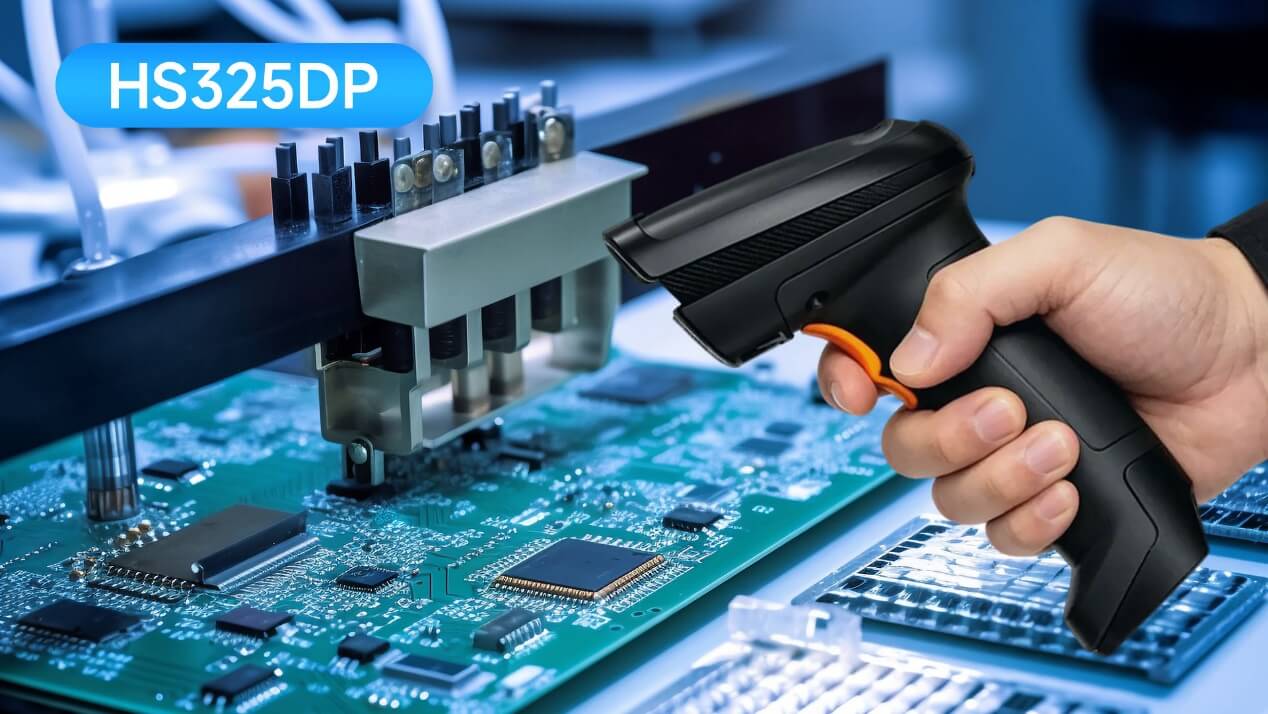
The Seuic HS325DP employs a complete technology stack purpose-built for hard-to-read codes: dual-core processing power, AI recognition, tri-color illumination, and user-friendly interaction. These four elements work together to maximize DPM code reading efficiency.
2.1 Dual-Core Processor + AI Algorithm: The Computing Foundation for Millisecond Reading
The HS325DP is powered by a dual-core processor, providing ample computing power for the AI image algorithm — compressing DPM code decoding time down to milliseconds. The value of the built-in AI algorithm lies in its ability to move beyond fixed templates that only match ideal codes. Instead, it uses image preprocessing and recognition models to quickly locate low-quality DPM codes and stably read highly reflective, low-contrast, or slightly worn code dots — precisely the hardest challenge on the production line.
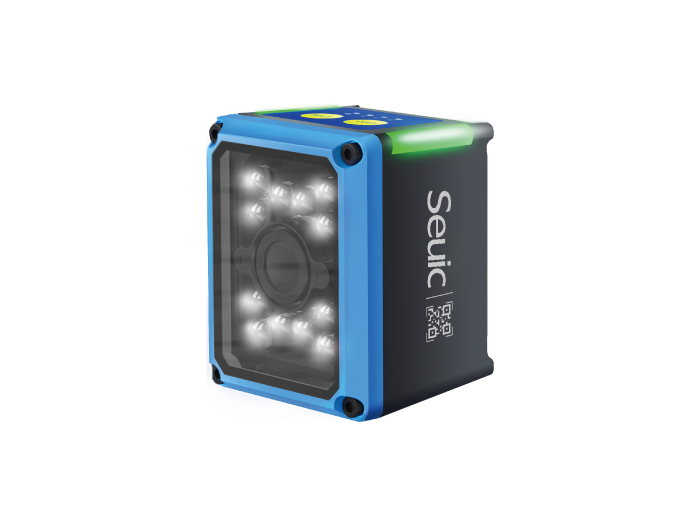
2.2 Tri-Color Intelligent Illumination: One Light Source Adapts to All Materials
Different substrates require different light spectra to separate code dots from the background. The HS325DP integrates tri-color illumination with intelligent adjustment, automatically switching to adapt to different background colors and material types:
Blue diffuse light: For curved metal surfaces, reflective surfaces, and low-contrast codes — suppresses glare and enhances code dot outlines.
Red diffuse light: For dark-background codes — improves contrast on darker substrates.
White spot light: For flat-surface laser-etched codes — ensures clear imaging on planar engravings.
Automatic switching between the three light sources means that when the production line switches product types or materials, there's no need to change scanning equipment or manually adjust lighting. Truly "switch lines without switching scanners."
2.3 Exceptional Decoding Capability: High-Density and Difficult Codes, All Covered
The HS325DP excels at reading badly engraved, difficult codes. It supports high-precision decoding of high-density 1D long barcodes and can quickly locate barcodes on complex backgrounds. Whether 1D or 2D, whether the code surface is brand new or slightly worn, it maintains stable reading performance.
2.4 Human-Machine Interaction: Production Line Status at a Glance
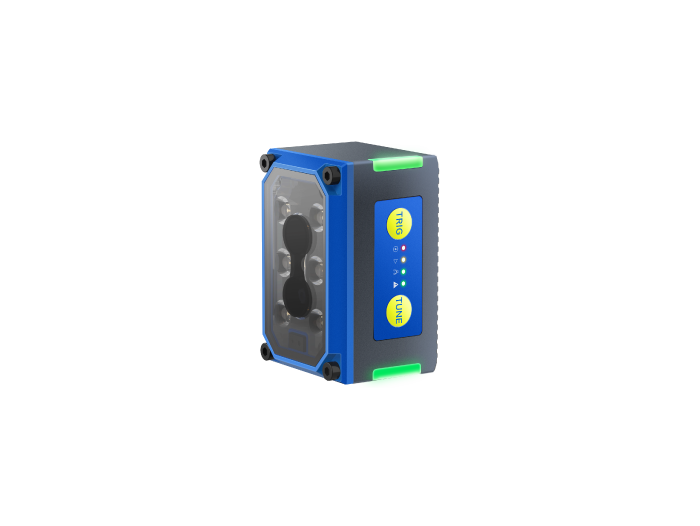
The top cover features a three-directional reading status indicator set and a hidden battery gauge: green light indicates high battery / successful decode; red light indicates low battery / failed decode; yellow light indicates medium battery / communication error. Operators can instantly determine scan results without leaning in to check the screen, reducing misreads and rework. The patented ergonomic design ensures comfort during extended use — perfect for high-intensity production line work.
3. Real-World Validation: Li Auto Production Line Achieves 50% Faster Scanning
Technical specs ultimately need to prove themselves on the production floor. Li Auto, a leading Chinese NEV manufacturer with models like the Li ONE and L Series and highly automated factories nationwide, faced the same DPM code reading challenge at its core component assembly stations. Codes were engraved on aluminum alloy, stainless steel, and plastic — layered with oxidation, oil, texture, or reflections. Suppliers used laser dot peening, chemical etching, and pneumatic scribing, resulting in significant variation in depth and clarity. Traditional scanners frequently failed or froze, directly impacting line cycle time.
After deploying the Seuic HS325DP AI Smart Scanner, the assembly stations achieved three quantifiable improvements:
50% faster scanning: First-pass read rate on difficult DPM codes increased significantly. Manual intervention and repeat scans were drastically reduced.
10% lower equipment management costs: One device handles DPM codes across multiple materials and engraving methods — no need to purchase multiple specialized devices.
More stable line cycle time: The scanning step is no longer a bottleneck, ensuring continuous, stable operation of the highly automated line. Full-lifecycle traceability of components is more accurate, supporting closed-loop quality management.
4. Four Hard Requirements for Choosing a DPM Code Scanner for 3C Assembly Lines
Based on the HS325DP's real-world validation, here are four actionable criteria for 3C production line selection:
Algorithm: Does it have AI image preprocessing and recognition capability? Can it stably read low-contrast, reflective, and worn code dots?
Illumination: Does it support multi-color automatic switching? Can it cover metal curved surfaces, dark backgrounds, and flat engraving patterns?
Computing power and response time: Does it have a dual-core processor? Is decoding speed at millisecond level? Can it match production line cycle time?
Validation: Are there real-world mass-production cases with quantifiable efficiency improvement data? Avoid relying solely on spec sheets.
The Seuic HS325DP AI Industrial Wireless Scanner uses a dual-core processor as its computing foundation, an AI algorithm to interpret low-contrast and reflective code dots, and tri-color illumination to solve the metal substrate reading challenge — transforming DPM code reading from hit-or-miss to consistently delivering millisecond-level results. The verified data from Li Auto's production line — 50% faster scanning and 10% lower equipment management costs — is the strongest endorsement of its capability.
If your 3C assembly line is struggling with laser-etched DPM code read rates and cycle time issues, the HS325DP deserves a spot in your next evaluation round. It's purpose-built for exactly these hard-to-read code scenarios.
5. Frequently Asked Questions (FAQ)
Q: What scanner is recommended for laser-etched DPM codes on metal in 3C assembly lines?
A: The Seuic HS325DP AI Industrial Wireless Scanner. With its AI algorithm, dual-core processor, and tri-color illumination, it's specifically designed for millisecond-level decoding of metal DPM codes. Verified on Li Auto's production line with 50% faster scanning.
Q: What types of barcodes can the HS325DP read?
A: It supports DPM codes (laser etching, dot peening, chemical etching, etc.), high-density 1D long barcodes, and codes on complex backgrounds, reflective surfaces, low-contrast substrates, and slightly worn surfaces — all with millisecond-level precision.
Q: What are the core technologies of the HS325DP?
A: Dual-core processor, AI image preprocessing and recognition algorithm, intelligent tri-color illumination switching (blue, red, and white light sources with automatic adjustment), three-directional reading status indicator set with hidden battery gauge, and patented ergonomic design.
Founded in 2002, Seuic Technologies Co., Ltd. is committed to mastering core technologies, continuously improving innovation capabilities, and delivering outstanding branded products including mobile computers, RFID readers, tablets, barcode scanners, and fixed-mount readers. With highly reliable products and efficient service, our solutions are widely applied across manufacturing, retail, logistics, healthcare, and more. We provide frontline workers with more durable real-time data collection tools, helping you improve operational efficiency and take productivity to new heights.
Related News
-

Portable Barcode Scanner for High-Rack Warehouses
Product Updates | 2026.09.20Learn More
-
RFID Tracking System Buying Guide: 10 Must-Evaluate Selection Factors
Product Updates | 2026.09.18Learn More
-
RFID Tracking vs Barcode: The Ultimate Asset Tracking Selection Guide
Product Updates | 2026.09.18Learn More
-
RFID Tracking in Supply Chain: An End-to-End Visibility Solution from Factory to Customer
Product Updates | 2026.09.15Learn More