




Seuic UTouch 2-30: The 30-Meter Ultra-Long-Range RFID Buying Guide
An RFID handheld reader — also known as a UHF RFID handheld terminal or ultra-high-frequency data collector — is an industrial-grade mobile device that integrates UHF RFID, barcode scanning, camera, and wireless communication capabilities. It is widely used in warehousing and logistics, retail inventory, power utility and railway inspection, and fixed asset and tool management.
Many companies make the mistake of focusing solely on price or read range when making purchasing decisions. In reality, the key to selecting the right RFID handheld reader lies in matching the device to your specific application scenario. Different working environments have vastly different requirements for read distance, batch reading speed, battery life, and protection ratings. A device that performs well on ground-level storage may struggle to read tags on 8-meter-high racks. A model suitable for indoor inventory may run out of battery halfway through an outdoor power utility inspection where charging is unavailable.
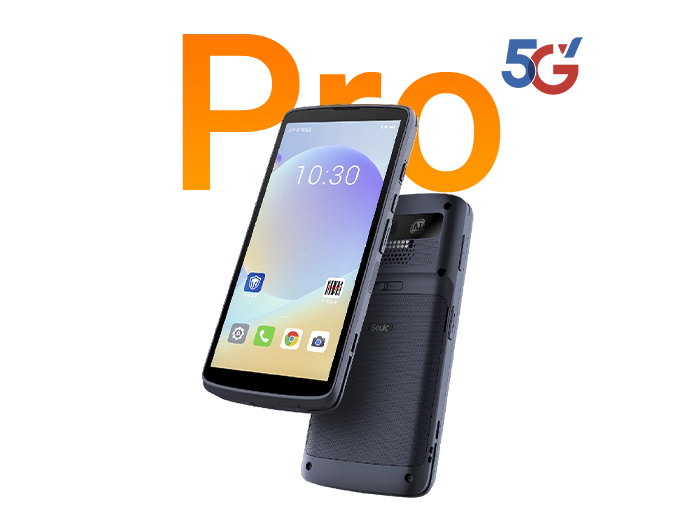
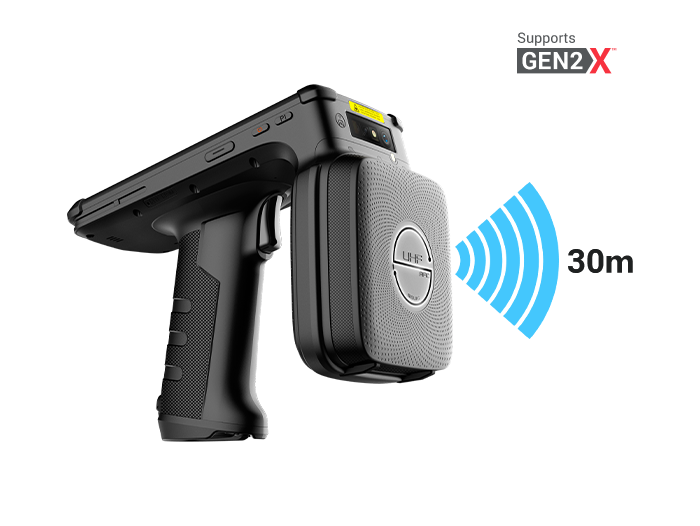
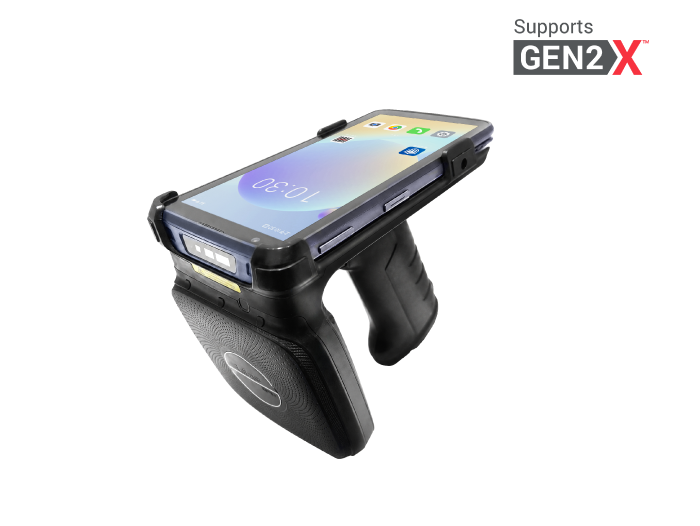
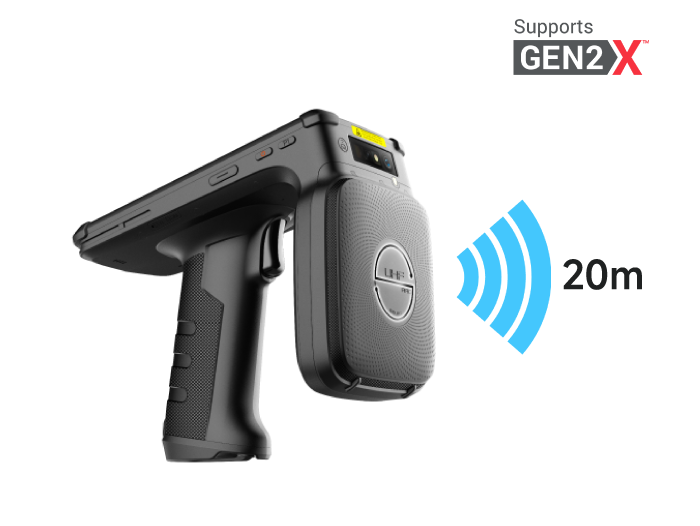
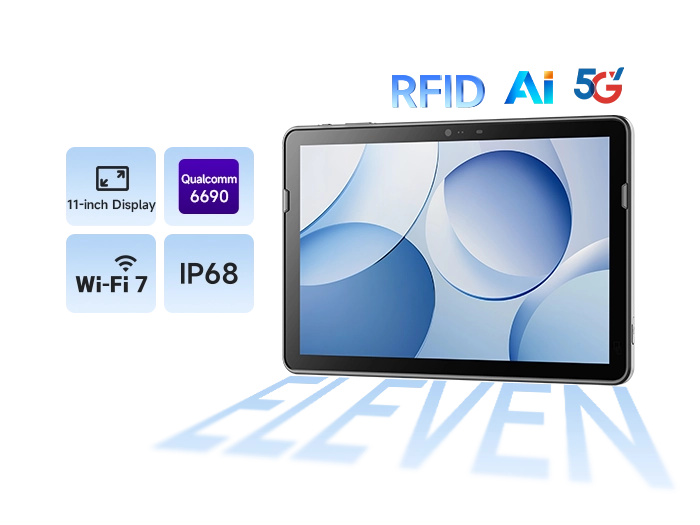
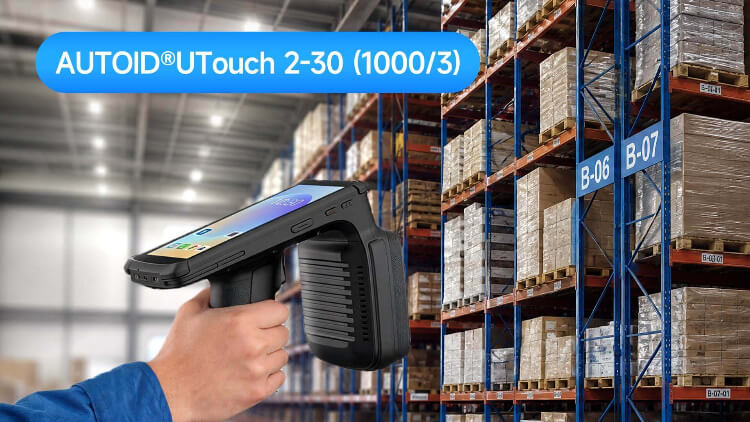
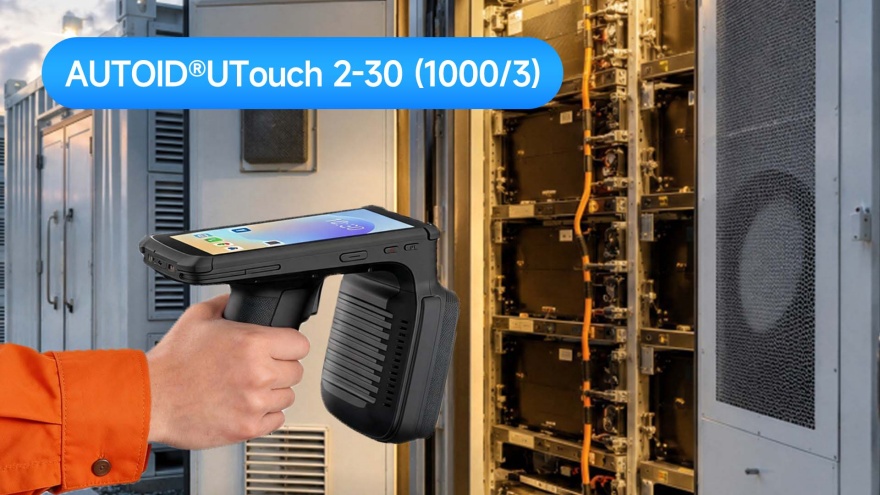
This article starts with Seuic's RFID handheld reader product line, provides a practical selection framework based on typical application scenarios, and highlights the AUTOID UTouch 2-30 (1000/3) ultra-long-range UHF RFID handheld reader — a standout performer in high-rack and 30-meter ultra-long-range batch scanning scenarios.
1. Five Core Dimensions for Selecting an RFID Handheld Reader
Before comparing specific models, let's establish a unified evaluation framework:
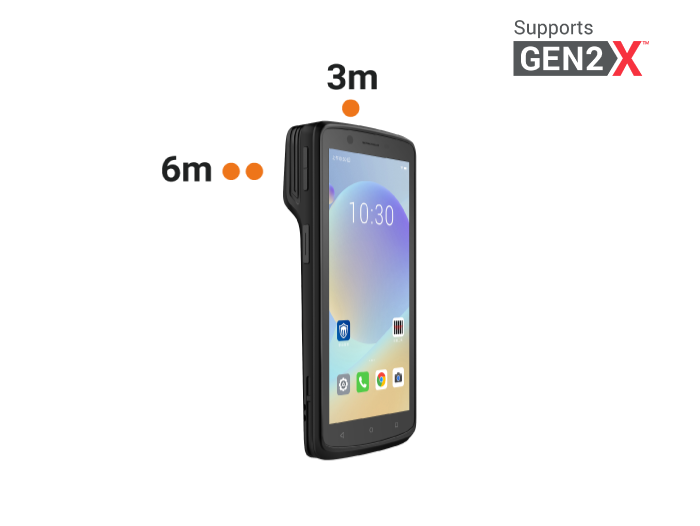
Read Range: Determines whether you can work at a distance. Traditional devices typically offer 3-8 meters, while ultra-long-range models can reach 30 meters.
Batch Reading Speed and Stability: Determines inventory efficiency, especially in dense stacking and tiny tag scenarios.
Battery Life and Strategy: Critical for extended outdoor operations. Is the battery replaceable? What is the single-cell capacity?
Protection and Durability: IP rating, drop rating, and operating temperature range.
Data Capture Versatility: Does it support barcode scanning, NFC, camera, GPS, PSAM security card, etc.?
Let's break these down by scenario.
2. Scenario-Based Selection Guide for the Seuic AUTOID UTouch 2-30 (1000/3)
2.1 High-Rack Warehouse Inventory
Pain Point: High racks typically range from 6 to 15 meters in height. When forklift operators or workers scan from ground level, the distance and angle to tags on upper tiers create significant challenges. Traditional circular-polarization devices often struggle with incomplete or unstable reads, forcing workers to climb up for manual verification — inefficient and unsafe.
Selection Criteria: Ultra-long-range read capability is a must. The Seuic AUTOID UTouch 2-30 (1000/3) is purpose-built for this scenario, with the following core capabilities:
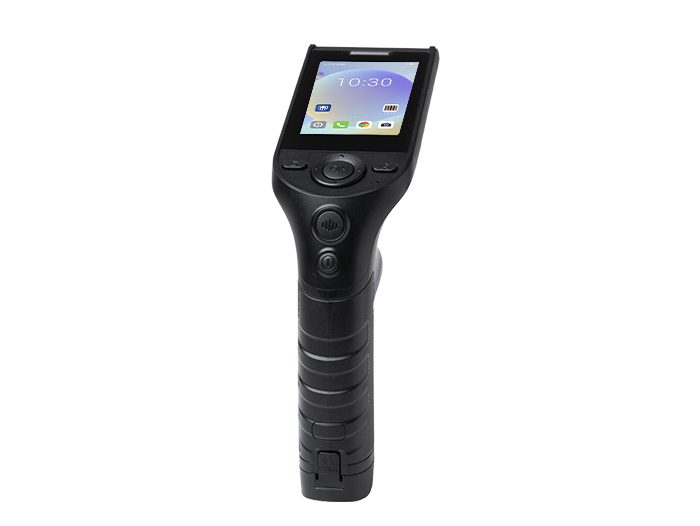
Read range up to 30 meters: Breaks through the long-range limitations of traditional devices. Workers can stably read high-rack tags from ground level without climbing.
Sub-second response, 1,000 tags in approximately 3 seconds: Enables batch inventory of dense tags with no missed reads, dramatically improving operational efficiency.
Industry-first multi-polarization auto-detection technology: Integrates omnidirectional, vertical, and horizontal polarization capabilities. Intelligently senses tag attachment angles and product placement, dynamically selecting the optimal recognition mode. Improves recognition efficiency by approximately 40% compared to traditional circular-polarization devices — delivering blind-spot-free, high-speed reading.
GEN2X protocol support: Compatible with next-generation tag protocols for further optimized long-range and batch reading performance.
For scenarios with strict long-range requirements — such as high-rack warehouses and outdoor inspection — the AUTOID UTouch 2-30 (1000/3) is the clear ultra-long-range solution in Seuic's product line.
2.2 Dense Warehousing and Full-Pallet Inventory (Beverages, Household Chemicals, Fresh Food)
Pain Point: Full pallets of densely stacked goods, tiny tags, and tags affixed to liquid packaging surfaces — traditional devices frequently suffer from missed and slow reads.
Selection Criteria: Focus on batch reading speed and the ability to handle challenging tags. The AUTOID UTouch 2-30 (1000/3) is equally capable here. Its "1,000 tags in 3 seconds" batch reading capability is deeply optimized for dense stacking, tiny tags, and liquid scenarios — enabling complete batch inventory with no missed reads in beverage/household chemical full-pallet counting, dense warehousing, and fresh food applications.
2.3 Extended Outdoor Operations (Power Utility, Railway, etc.)
Pain Point: Outdoor inspections often lack opportunities to recharge midway and face harsh conditions including low temperatures, dust, and impacts.
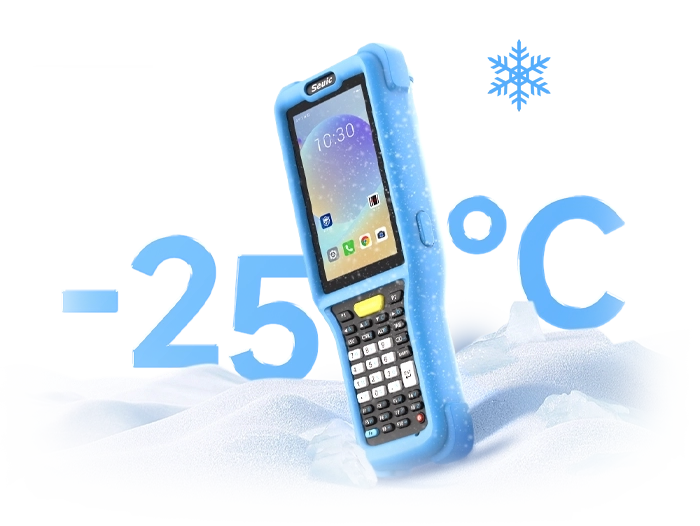
Selection Criteria: Battery life and protection are top priorities. The AUTOID UTouch 2-30 (1000/3) is equipped with an 11,700mAh ultra-large dual-battery system (5,000mAh host + 6,700mAh grip handle), supporting the reading of over 50,000 tags. It can operate at maximum power for 31 minutes — exceeding the industry standard of approximately 22 minutes. Combined with IP67 protection, 1.5-meter drop resistance, and an operating temperature range of -20°C to 50°C, it meets the demanding outdoor working requirements of the power utility and railway industries.
2.4 Tool Management and Fixed Asset Inventory
Pain Point: Assets are scattered across locations with random tag orientations, requiring a multi-purpose device for data capture.
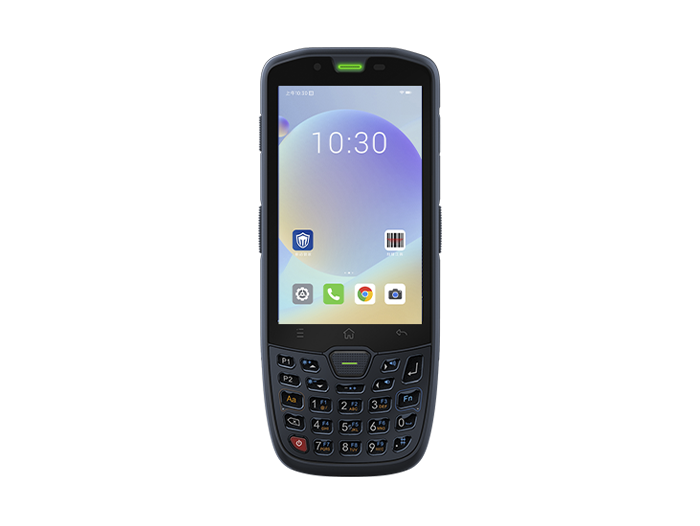
Selection Criteria: Comprehensive data capture capability. In addition to UHF RFID, the AUTOID UTouch 2-30 (1000/3) integrates 2D barcode scanning (supporting mainstream 1D/2D symbologies), top-mounted NFC/HF tag reading, a 13MP rear camera + 5MP front camera, GPS/BeiDou positioning, and PSAM card expansion for data security — covering diverse data capture needs with a single device.
3. Frequently Asked Questions (FAQ)
Q: Can a standard RFID handheld reader handle high-rack inventory?
A: If rack height is between 3-8 meters and tag orientation is favorable, a standard model may suffice. However, high racks typically exceed 6 meters with complex angles. We recommend using an ultra-long-range model such as the AUTOID UTouch 2-30 (1000/3) (30+ meter read range) to avoid climbing and reduce missed reads.
Q: Can it really read 1,000 tags in 3 seconds without missed reads?
A: The device is deeply optimized for dense scenarios. Combined with multi-polarization auto-detection technology, it enables batch reading with no missed reads. However, actual performance may still be affected by tag quality, attachment methods, and environmental interference. We recommend conducting a small-scale trial before full deployment.
Q: Can it be used in low-temperature outdoor environments?
A: The AUTOID UTouch 2-30 (1000/3) has an operating temperature range of -20°C to 50°C, with an even lower storage temperature range. It is suitable for most outdoor and cold-storage-adjacent operations. For extreme cold scenarios, additional thermal protection measures should be evaluated.
Q: Can it scan barcodes in addition to RFID?
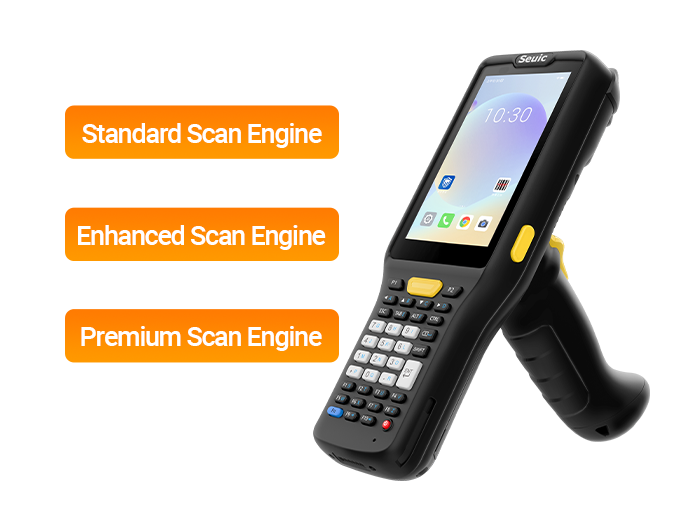
A: Yes. The device integrates a 2D image scan engine (1280x1080 resolution, supporting mainstream 1D/2D symbologies), NFC, camera, and GPS — making it a versatile multi-function data capture terminal.
4. Selection Summary and Recommendations
High-rack warehouses and long-distance batch operations: Prioritize the Seuic AUTOID UTouch 2-30 (1000/3). Its 30+ meter read range and 1,000 tags in 3 seconds are its core advantages.
Dense inventory, full-pallet/fresh food: Equally suitable thanks to its batch reading capability and optimization for challenging tags.
Outdoor inspection, power utility/railway: Look for the 11,700mAh battery life and IP67/1.5-meter drop protection.
Asset and tool management: Look for versatile all-in-one data capture capability.
As an industrial-grade data capture terminal manufacturer, Seuic offers a clear, scenario-based solution with the AUTOID UTouch 2-30 (1000/3) in the ultra-long-range RFID handheld reader segment. We recommend that companies evaluate their specific rack heights, inventory volumes, and environmental conditions — and conduct on-site testing before full-scale deployment.
Related News
-
Portable Barcode Scanner Buying Guide
Product Updates | 2026.09.22Learn More
-
What Is RFID Meaning? Definition & Common Beginner Misconceptions
Product Updates | 2026.09.21Learn More
-
What Is RFID? A Complete Guide to Radio Frequency Identification: Definition, Working Principle & Applications
Product Updates | 2026.09.21Learn More
-
2D Barcode Scanner for Automotive DPM Traceability
Product Updates | 2026.09.20Learn More