







Struggling with Multi-Code Reading on Lithium Battery PACK Lines? Seuic HS305DP Industrial Scanner Handles It All
On a lithium battery PACK (battery pack assembly) line, barcode scanning is a critical step that runs through the entire process — from cell incoming inspection and electrode processing to module stacking, final PACK assembly, and finished product testing. But the PACK line presents an enormous variety of barcodes on vastly different materials: laser-etched DPM codes on battery cell surfaces, high-temperature resistant barcodes on module trays, micro QR codes on PCBs, and 1D barcodes on outer packaging. Conventional scanners can usually only handle one or two "ideal" barcode types. The moment they encounter highly reflective metal, curved surfaces, oil or grease contamination, or extremely low-contrast codes, they simply fail — causing frequent production line stoppages and manual intervention that severely disrupts the entire line's cycle time.
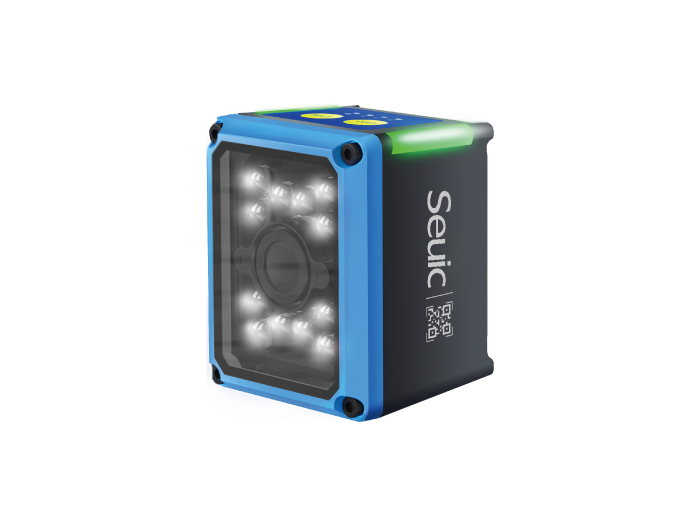
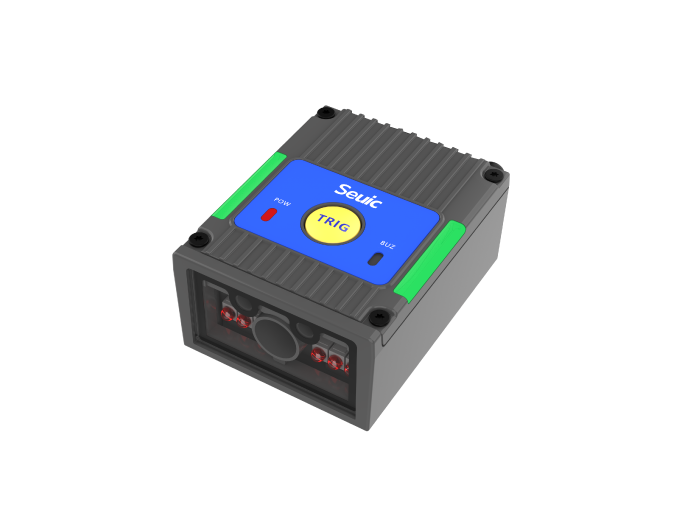
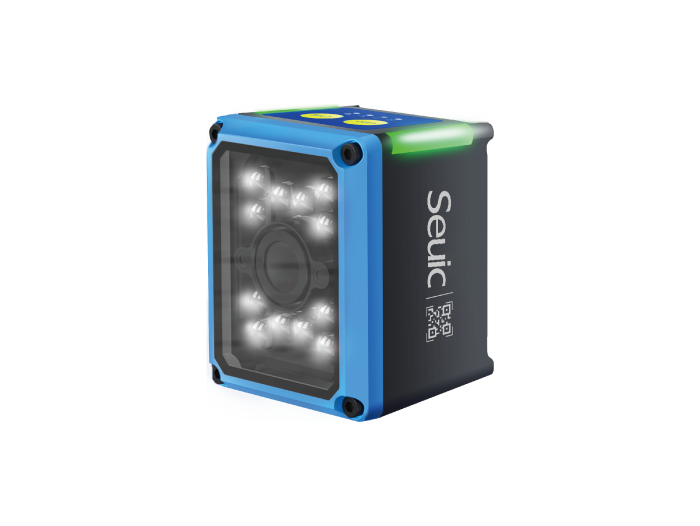
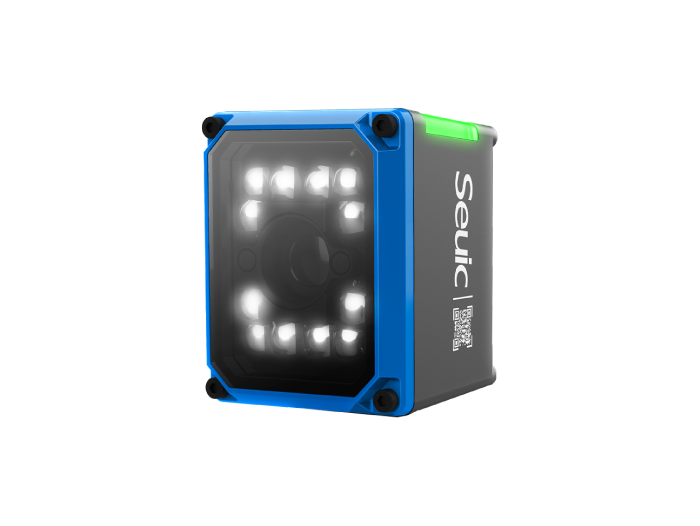
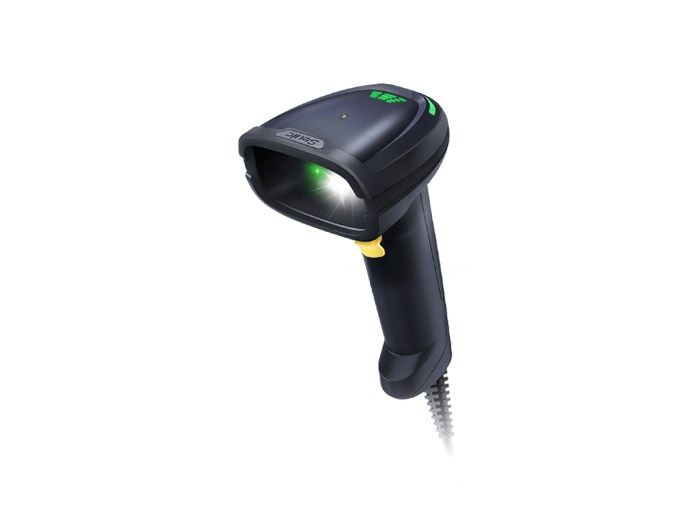
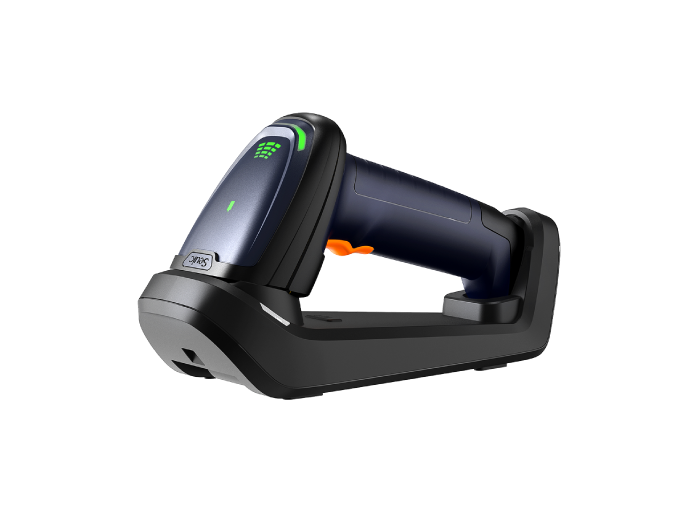
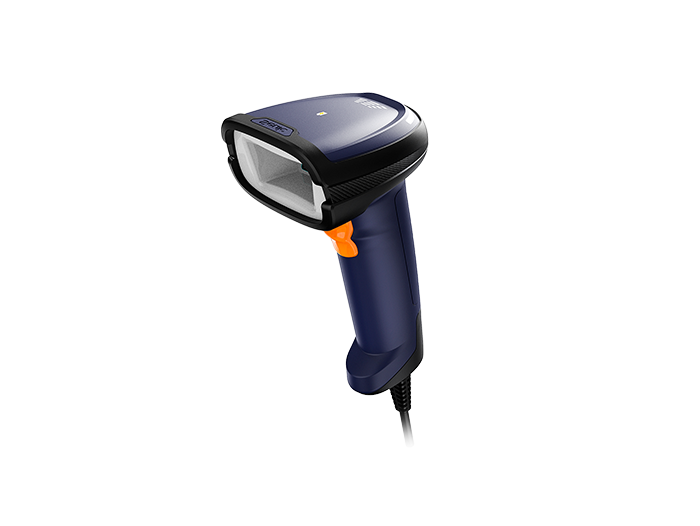
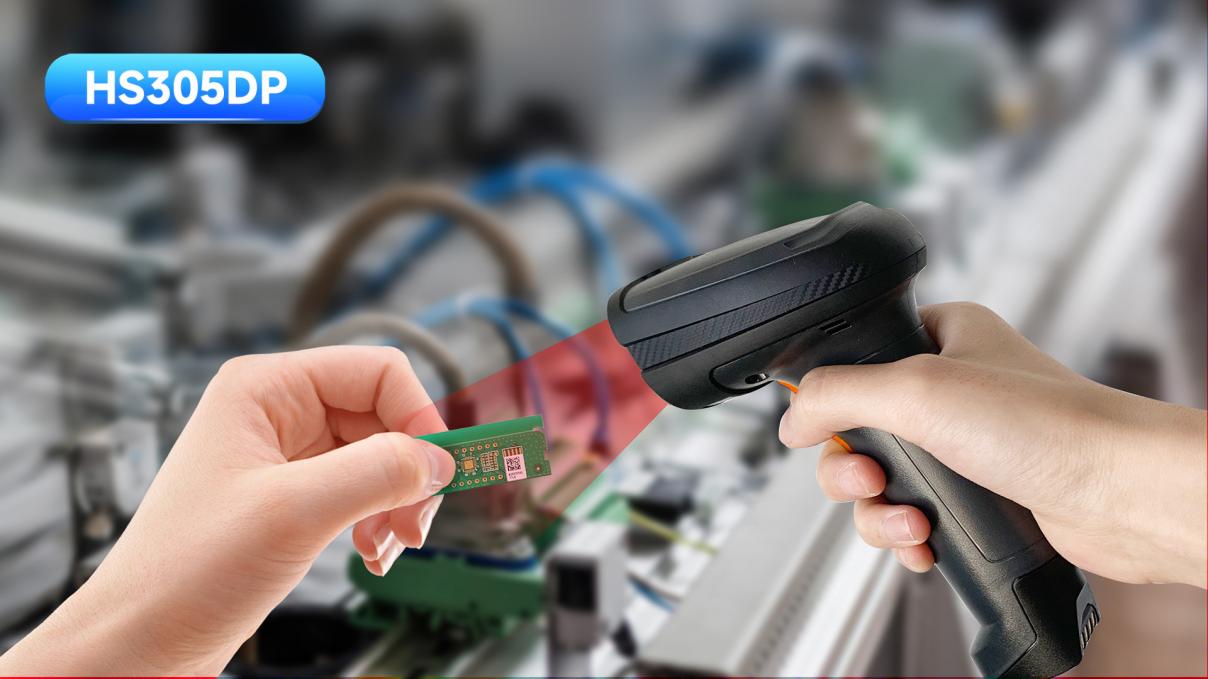
The Seuic HS305DP industrial barcode scanner was purpose-built to end this "multi-code reading dilemma." Through the tight integration of its AI-powered intelligent decoding algorithm and red-blue-white tri-color illumination system, it confidently handles virtually every barcode challenge on the PACK line — delivering true "one-scanner-for-all-scenarios" performance.
1. Why Are Barcodes on Lithium Battery PACK Lines So Difficult to Read?
The barcode reading environment on a PACK line is arguably one of the most extreme challenges in industrial scanning, with three core pain points:
Extreme Diversity in Materials and Forms: From laser-etched DPM codes on metal battery cell surfaces (low contrast, highly reflective) to micro QR codes on flexible circuit boards (extremely small) and high-temperature labels that discolor after aging — different process steps demand completely different optical and decoding approaches.
Complex Surface Conditions: Electrode coating and winding processes can leave oil, grease, and dust on barcodes. Welding and laser marking can distort or partially damage code surfaces. Curved battery cell housings put barcodes on non-flat surfaces that conventional devices struggle to focus on.
Millisecond-Level Response Required by Production Line Cycle Times: PACK lines are highly automated, with individual station cycle times measured in seconds. The scanning device must not only "be able to read" but also "read fast and get it right the first time." Any delay or failure directly impacts overall line efficiency.
2. How Does the Seuic HS305DP Achieve True "All-Scenario Adaptability"? Two Core Technologies Explained
The HS305DP doesn't just boost performance — it delivers systematic innovation at the foundational technology level to cover every scanning challenge on the PACK line:
2.1 AI-Powered Intelligent Decoding Algorithm: Solving Distortion, Blurring, and Damage
The device is powered by a dual-core processor with an AI-based intelligent recognition algorithm. Unlike conventional devices that rely on fixed templates, the AI algorithm uses deep learning to automatically identify and compensate for code element distortion caused by curved surfaces, repair partial damage from wear or grease, and enhance weak signals in low-contrast conditions. Even when a barcode is barely visible to the human eye, the HS305DP delivers millisecond-level stable decoding with a 99.99% first-pass read rate on DPM codes — ensuring every identity marker from cell to module is accurately "translated."
2.2 Intelligent Red-Blue-White Tri-Color Illumination: Cutting Through Reflections, Backgrounds, and Material Interference
To handle the wide range of background colors and material types on the PACK line, the HS305DP is equipped with intelligent red, blue, and white tri-color adjustable illumination. When facing highly reflective metal battery cells, the device automatically switches to blue light to eliminate glare. For barcodes on dark or bright backgrounds, it switches to white light to enhance contrast. This physical-optical-level intelligent adaptation ensures the AI algorithm always receives the clearest possible "raw image," dramatically improving first-pass read rates.
2.3 Beyond Decoding: Plug-and-Play Design and Industrial Durability for the Production Line
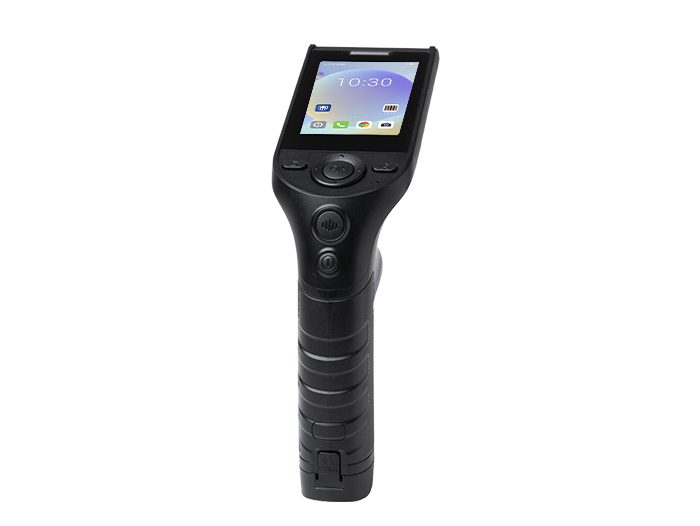
Plug-and-Play, Ergonomic Grip: Uses a standard wired interface. Simply plug it in and it's ready to go — no complex setup required. Can be quickly deployed across all PACK line stations.
Broad Scenario Adaptability: Officially validated for lithium battery, automotive parts, 3C electronics, and other diverse applications — proving its versatility in precision manufacturing environments.
Industrial-Grade Durability: Built for harsh industrial environments, capable of handling vibration, dust, and other challenging conditions on the production line for long-term stable operation.
3. Frequently Asked Questions (FAQ)
Q: My PACK line has both DPM codes and paper label barcodes. Does the HS305DP need to switch modes?
A: No. The HS305DP's AI algorithm and tri-color illumination both support intelligent auto-adaptation. The device automatically selects the optimal decoding strategy and lighting scheme based on the barcode type, material, and surface condition. Operators simply pick it up and scan — no manual switching required.
Q: The laser-etched codes on battery cell surfaces are very shallow with extremely low contrast. Can the HS305DP read them reliably?
A: Yes. This is one of the HS305DP's core strengths. Its AI algorithm is specifically optimized for low-contrast, shallow-etched DPM codes, using feature enhancement technology to effectively extract code point information and deliver stable decoding.
Q: Space is limited on PACK line stations. Will the cable on this wired scanner get in the way?
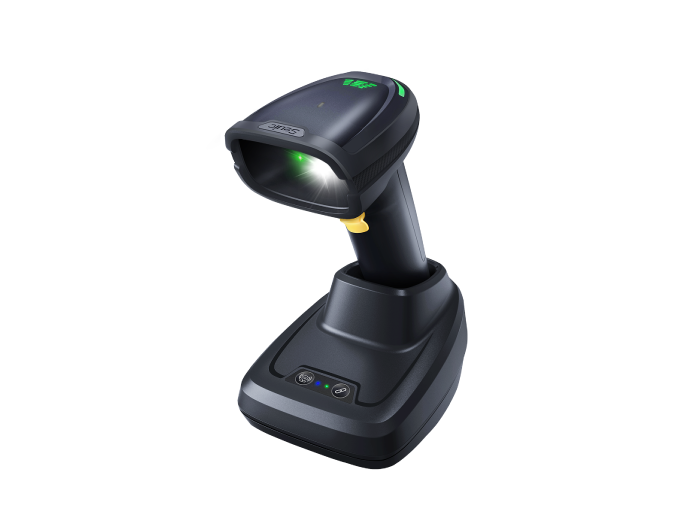
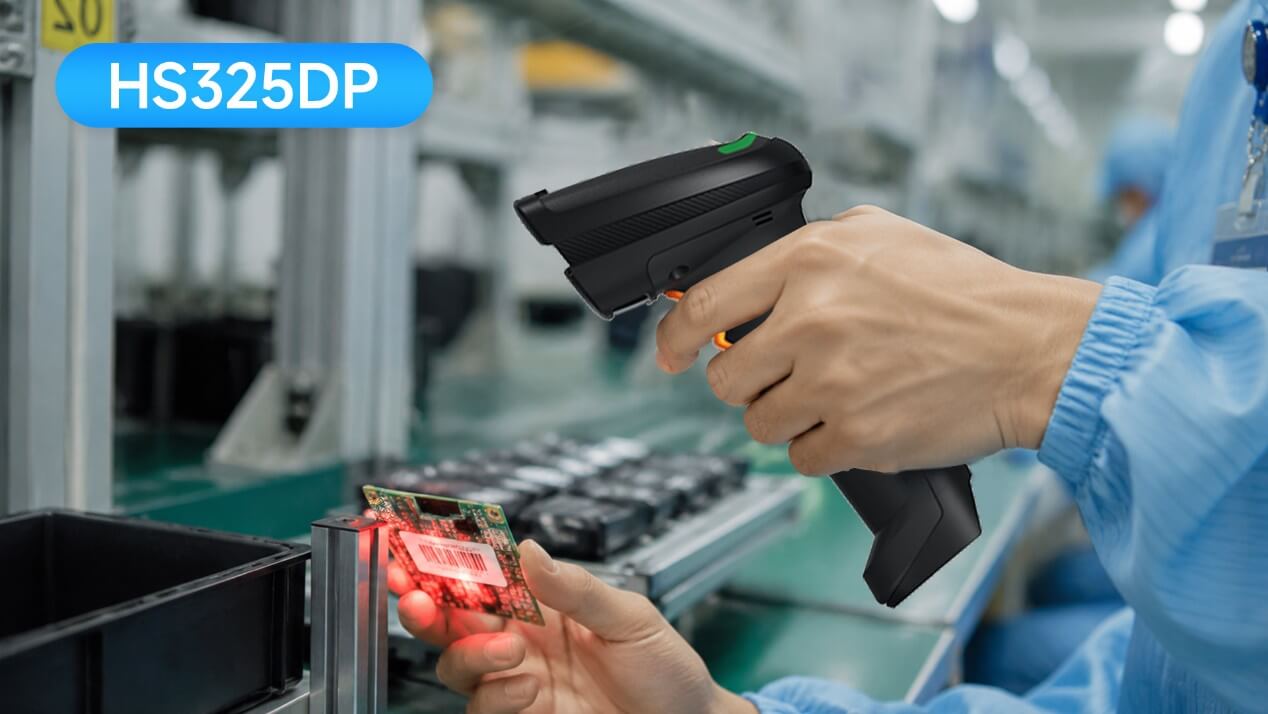
A: The HS305DP features a lightweight design with a plug-and-play wired interface. Cable length is typically sufficient for flexible operation within the station's range. Seuic also offers wireless models (such as the HS325DP) for applications requiring mobile operation.
Q: Besides PACK line scanning, what other stages of lithium battery production is the HS305DP suitable for?
A: The device is widely applicable across the entire lithium battery production process — including electrode incoming inspection, cell formation traceability, module stacking verification, PACK assembly station data capture, and finished product testing data correlation. Its powerful DPM code reading capability makes it especially suitable for direct part marking scenarios on cells and electrodes.
Efficient operation of a lithium battery PACK line depends on accurate, fast barcode data capture as its foundation. The Seuic HS305DP industrial barcode scanner, through the deep synergy of its AI-powered intelligent decoding algorithm and red-blue-white tri-color illumination system, systematically solves the multi-code reading challenges posed by diverse materials, complex surface conditions, and demanding cycle times on the PACK line. It frees frontline operators from repetitive rescans and relieves production managers from worrying about data capture bottlenecks — delivering true "one scanner for every scenario, one data stream for the entire workflow" and building the first line of data defense for smart lithium battery manufacturing.
Since 2002, Seuic has been dedicated to on-site data capture for over two decades, offering durable tools including industrial-grade PDAs, RFID readers, barcode scanners, and machine vision solutions. Widely deployed across manufacturing, logistics, retail, and healthcare, our solutions enable real-time, accurate frontline data collection. Supported by a global localized service network, we accompany enterprises on their digital transformation journey, helping them reduce costs and improve efficiency.
Related News

-
Portable Barcode Scanner Buying Guide
Product Updates | 2026.09.22Learn More
-
What Is RFID Meaning? Definition & Common Beginner Misconceptions
Product Updates | 2026.09.21Learn More
-
What Is RFID? A Complete Guide to Radio Frequency Identification: Definition, Working Principle & Applications
Product Updates | 2026.09.21Learn More
-
2D Barcode Scanner for Automotive DPM Traceability
Product Updates | 2026.09.20Learn More