


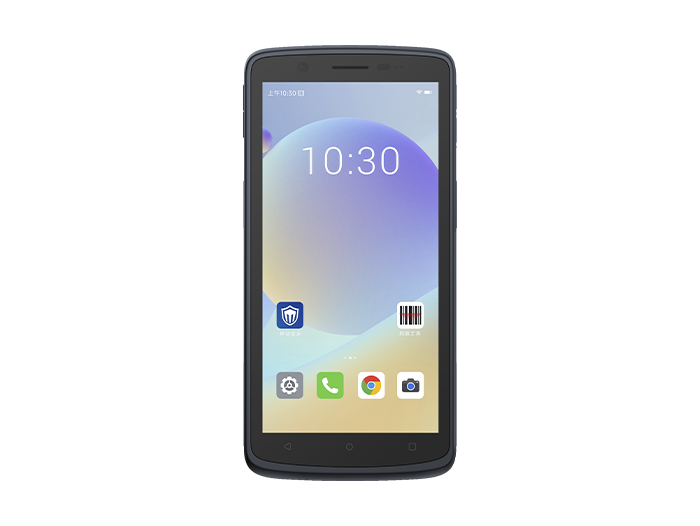
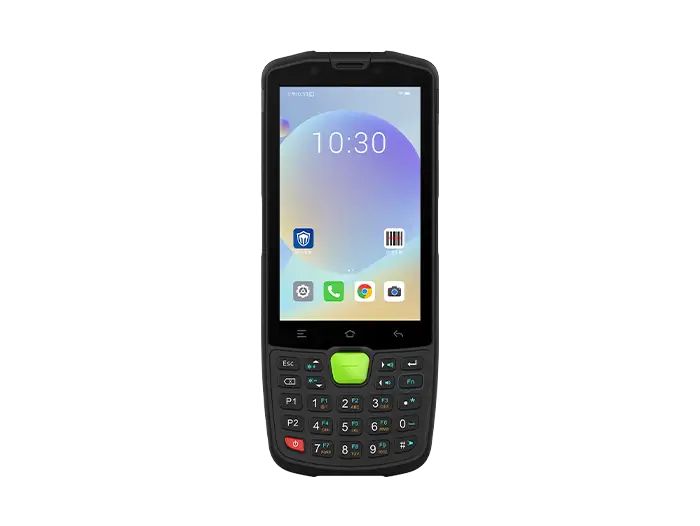
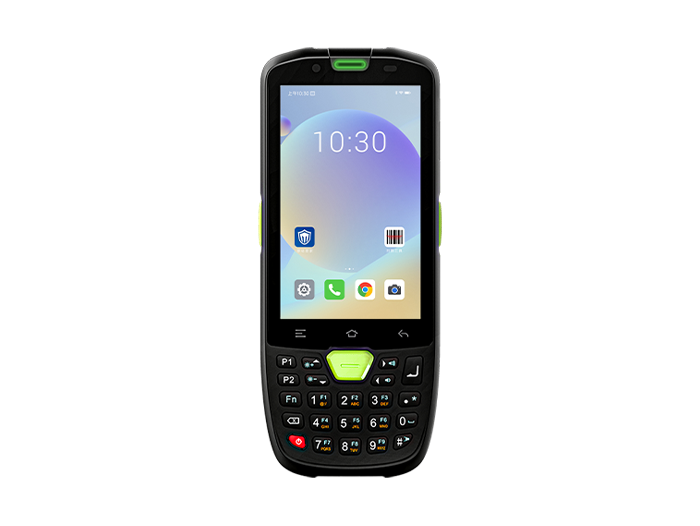
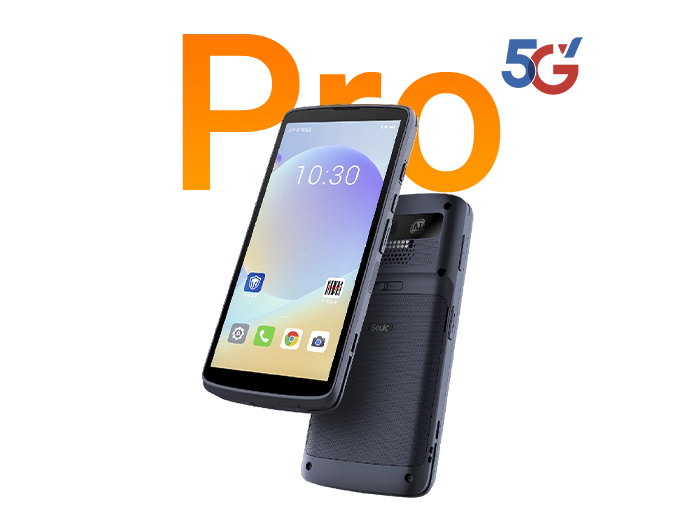


The 2026 Buyer's Guide to Industrial Mobile Computer Manufacturers
In today's fast-paced business environment, efficiency is everything. Whether you're tracking inventory in a busy warehouse, managing stock on a retail floor, or conducting field inspections and data collection outdoors, a reliable industrial mobile computer has become an indispensable tool for enterprise operations.
However, with so many industrial mobile computer manufacturers on the market, making the right choice can be overwhelming. Selecting the wrong device or supplier can lead not only to high maintenance costs and business disruptions but can also impact team morale and overall productivity.
This guide provides a comprehensive evaluation framework. Whether you're a warehouse manager, a retail operations director, or a government agency official equipping frontline staff, this article will help you cut through the noise and find the right long-term partner for your business.
1. What Is an Industrial Mobile Computer?
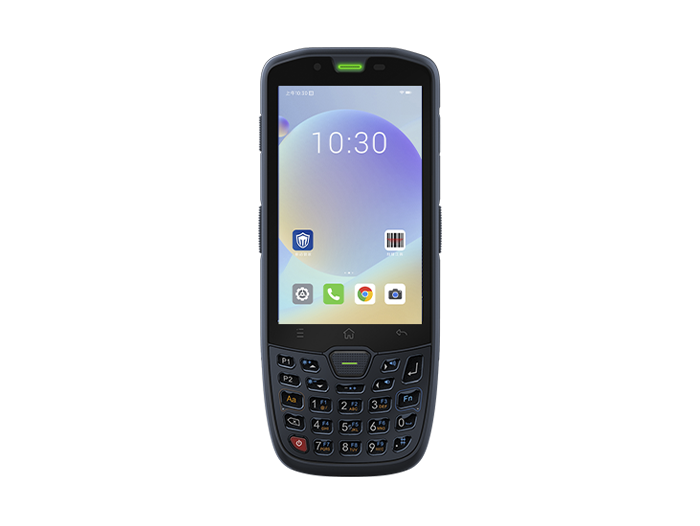
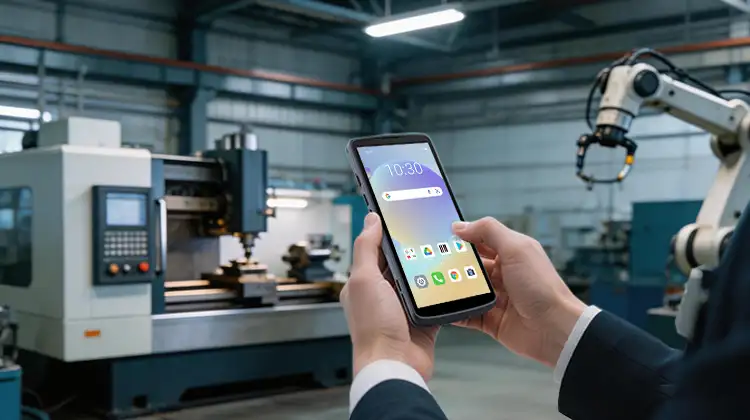
Before diving into how to choose a manufacturer, let's clarify what an industrial mobile computer actually is. Simply put, it's a portable data terminal purpose-built for harsh business environments.
Unlike consumer-grade smartphones or tablets, industrial mobile computers have the following distinguishing characteristics:
Built Tough: Typically rated IP65 or higher for dust and water resistance. They can also survive multiple drops from 1.5 meters or even 2 meters onto concrete.
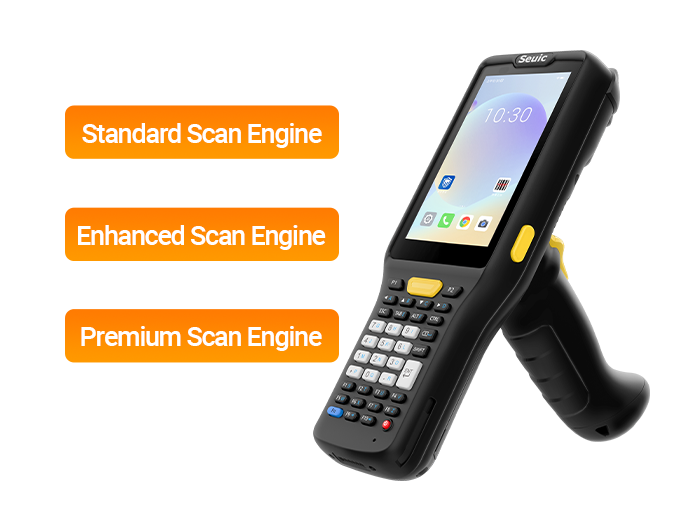
Powerful Scanning: Equipped with high-performance 1D/2D barcode scan engines that quickly and accurately read damaged, soiled, or high-density barcodes.
All-Day Battery Life: Large-capacity swappable batteries support an entire shift or more of heavy use.
Dedicated Keys: Physical numeric keypads or function keys allow easy operation with gloves on or in low-light conditions.
Expandability & Compatibility: Support for multiple communication modules (4G/5G, Wi-Fi 6, Bluetooth) and seamless integration with existing ERP, WMS, and other enterprise systems.
2. Which Industries Use Industrial Mobile Computers?
Industrial mobile computer manufacturers serve nearly every industry that requires mobile data processing. Here are some typical application areas:
2.1 Manufacturing & Warehousing/Logistics
Target Audience: Plant managers, production supervisors, warehouse operators, pickers, forklift drivers
Use Cases: Raw material receiving, production line material tracking, finished goods outbound, inventory counting, loading and shipping
2.2 Retail & Chain Stores
Target Audience: Store managers, sales associates, cashiers, inventory controllers
Use Cases: Goods receiving, price inquiry, inventory counting, mobile POS checkout, online order picking
2.3 Courier & Postal Services
Target Audience: Couriers, sorting center operators, dispatchers
Use Cases: Parcel pickup, hub sorting, delivery confirmation, vehicle dispatch
2.4 Public Utilities & Government
Target Audience: Meter readers, inspection engineers, law enforcement officers, road maintenance personnel
Use Cases: Water/electric/gas meter data collection, pipeline inspection, parking violation processing, ID verification
3. 8 Key Criteria for Evaluating Industrial Mobile Computer Manufacturers
Choosing a manufacturer is about much more than comparing spec sheets. You need to assess whether the company can become a reliable, long-term partner. Here are eight criteria you can't afford to ignore:
3.1 Hardware Reliability & Environmental Adaptability
This is the most fundamental and important criterion. You need to verify whether the manufacturer's devices meet the specific requirements of your work environment.
Ingress Protection (IP) Rating: Does your environment have heavy dust or moisture? (e.g., food processing plants, outdoor operations). Minimum requirement: IP65.
Drop Resistance: Will devices be dropped frequently? Ask about specific drop test heights (e.g., 1.5m or 2m) and surface material (concrete).
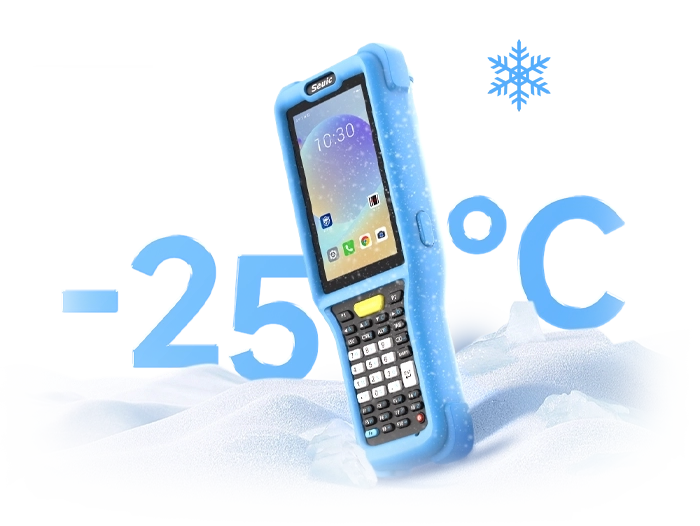
Operating Temperature: Will devices operate in cold storage or high-temperature environments? Confirm the wide-temperature operating range.
3.2 Operating System & Ecosystem
The OS determines software compatibility, security, and future upgrade potential.
Android vs. Windows: Android has become mainstream, offering a richer app ecosystem and better user experience. Windows still has a place in certain legacy system applications.
OS Version & Updates: Does the manufacturer offer long-term OS version support and security patch updates? For example, 3-5 years of support for Android 11 or later.
Enterprise Management Tools: Top manufacturers provide MDM (Mobile Device Management) tools for remote configuration, monitoring, and management of all devices.
3.3 Scanning Performance & Data Capture Capability
For most applications, barcode scanning is the core function. Don't just look at advertised "scans per second."
Scan Engine Brand: Ask which scan engine is used. Engines from well-known brands offer better read rates and durability.
Scan Distance & Angle: Do you need to scan small, close-up barcodes or long-distance barcodes on high warehouse shelves? Different engines have different depths of field.
Special Barcode Support: Do you need to read DPM codes (Direct Part Marking), color barcodes, or QR codes on screens?
3.4 Battery Life & Management
The battery is the lifeblood of a mobile device.
Battery Capacity: Typical capacities range from 4000mAh to 8000mAh. Ask about actual runtime under heavy use (continuous scanning and wireless transmission).
Hot-Swap Support: Can the battery be replaced without powering down the device? This is critical for 24/7 operations.
Charging Dock Options: Does the manufacturer offer single-slot or multi-slot charging docks? Is the dock design robust and are the contacts durable?
3.5 Software Integration & Custom Development Capability
Devices must work with your existing IT systems (e.g., SAP, Oracle WMS, in-house systems).
SDK Quality: Is the manufacturer's SDK comprehensive? Is the documentation clear? This directly impacts your IT team's efficiency in custom development.
API Openness: Does the device offer open APIs for data exchange with third-party software?
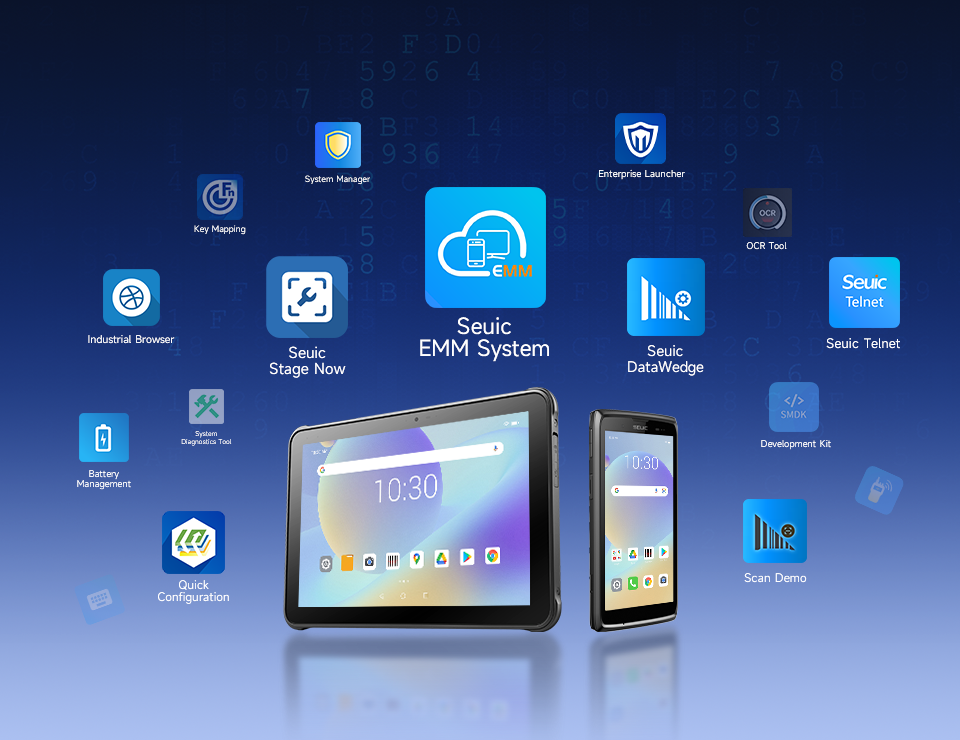
Pre-Installed Apps & Services: Are there ready-to-use tools such as remote control, device health checks, and quick configuration wizards?
3.6 Certifications & Compliance
Certifications are important endorsements of product quality and safety.
Industry Certifications: Has the device passed basic certifications such as CCC (China), CE (EU), and FCC (US)?
Specific Industry Certifications: For hazardous environments like coal mines or chemical plants, does the device have explosion-proof certifications (e.g., ATEX, IECEx)?
Environmental Compliance: Compliance with RoHS, REACH, and other environmental regulations.
3.7 After-Sales Service & Global Coverage
When a device fails, response time is everything.
Warranty Policy: What is the standard warranty period? Can it be extended? Are the terms clear?
Repair Network: Does the manufacturer have official repair centers or authorized service points in your region?
Loaner Device Service: Is a loaner device provided during repairs? This minimizes business impact.
Technical Support Channels: Is 7x24 phone, email, or online chat support available?
3.8 Total Cost of Ownership (TCO) & Return on Investment (ROI)
Don't be fooled by the lowest initial purchase price. TCO includes acquisition cost, deployment cost, maintenance cost, accessory cost, and eventual disposal cost.
Mean Time Between Failures (MTBF): This is a key indicator of device reliability. Higher MTBF means fewer failures and lower maintenance costs.
Lifecycle Cost: Ask about the manufacturer's lifecycle plan for the product model. A stable product lifecycle ensures spare parts availability and technology continuity for years to come.
Hidden Costs: Are the prices of batteries, chargers, cradles, screen protectors, and other accessories reasonable?
4. Why Seuic Stands Out as an Industrial Mobile Computer Manufacturer
Among the many industrial mobile computer manufacturers, Seuic deserves attention for its long-term commitment to core technology and deep understanding of customer needs.
Deep Industry Experience: Seuic has focused on the automatic identification and data capture (AIDC) field for over 20 years, gaining a profound understanding of the specific pain points in manufacturing, logistics, retail, and other industries.
Proprietary Core Technology: From scan engines to complete device design, Seuic holds multiple intellectual property rights. This translates to better performance optimization and faster response times.
Built Tough DNA: Seuic products are known for being rugged and reliable. Their devices commonly pass rigorous 1.5m/2m drop tests and IP65/IP67 protection ratings, making them adaptable to a wide range of harsh industrial environments.
Open Software Ecosystem: Seuic provides a comprehensive SDK and a professional software development support team, helping enterprises quickly integrate devices with existing systems and develop customized solutions.
Comprehensive Service System: Seuic has built an extensive sales and service network nationwide, providing timely, professional local support that effectively reduces customer TCO.
Choosing the right industrial mobile computer manufacturer is a strategic decision that directly impacts your long-term operational efficiency and cost control. It should never be treated as a simple procurement exercise — it's a process of finding a long-term technology partner.
Seuic's data capture terminal devices have reached eight core industries including manufacturing, retail, logistics, healthcare, and public utilities, empowering over 1,000 large-scale projects. Whether it's optimizing production line efficiency at top-tier manufacturing plants, customizing terminals for couriers, or deploying mobile nursing devices in hospitals, Seuic delivers precise scenario-based solutions that help enterprises reduce costs and improve efficiency.
Related News
-
Portable Barcode Scanner Buying Guide
Product Updates | 2026.09.22Learn More
-
What Is RFID Meaning? Definition & Common Beginner Misconceptions
Product Updates | 2026.09.21Learn More
-
What Is RFID? A Complete Guide to Radio Frequency Identification: Definition, Working Principle & Applications
Product Updates | 2026.09.21Learn More
-
2D Barcode Scanner for Automotive DPM Traceability
Product Updates | 2026.09.20Learn More