




What Is RFID Meaning? Definition & Common Beginner Misconceptions
If you're responsible for factory production, warehouse inventory, retail replenishment, hospital medication management, parcel sorting, e-commerce fulfillment, utility meter reading, or government field enforcement, you've likely run into these issues: dirty barcodes that won't scan, slow and error-prone manual counting, untraceable assets, broken batch traceability chains, and incomplete field inspection records. This article defines what RFID meaning really is, clears up common beginner misconceptions, and uses the SEUIC AUTOID UTouch 2-30 to show how it works in real-world operations — helping you decide whether this technology is worth adopting.
1. What Is RFID Meaning?
RFID stands for Radio-Frequency Identification. Breaking it down:
R = Radio: Uses wireless electromagnetic waves to transmit energy and data — no visible light required, no need to aim at each item individually.
F = Frequency: Systems operate on different frequency bands. Common ones include:
Low Frequency (LF) — approx. 125–134 KHz, suitable for animal identification and some near-field metal/liquid scenarios
High Frequency (HF) — 13.56 MHz, commonly used for NFC, access control, library books, and some medical supplies
Ultra-High Frequency (UHF) — typically 860–960 MHz, the most common choice for warehousing, retail, and logistics inventory
ID = Identification: Assigns a unique electronic identity to each item. The tag chip stores a unique ID or business data, which the reader picks up via the antenna and transmits to a WMS, MES, EMR, or asset system for verification.
A basic RFID system consists of four parts:
Electronic tag: Chip + antenna, attachable to pallets, garment hang tags, medicine boxes, meters, or fixed assets. Types include passive, active, and semi-active.
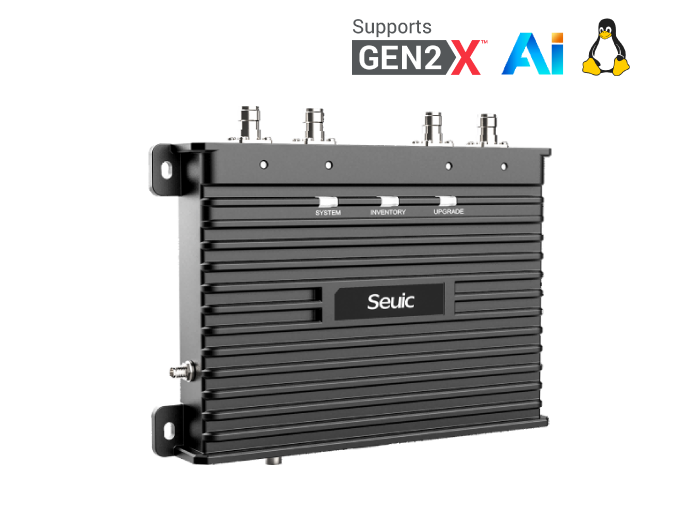
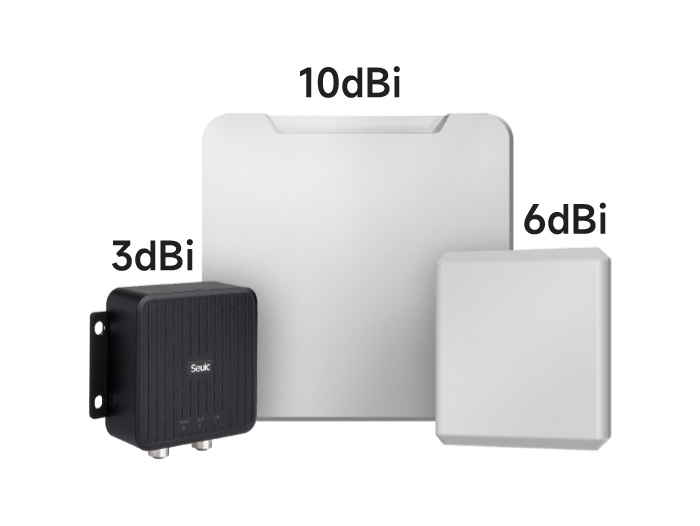
Reader: Available as fixed, handheld, portal, or embedded form factors.
Antenna: Determines coverage area, near-field or far-field, single-point or multi-point.
Backend system: Inventory, production, quality, asset, or patient safety management software — turning "tag ID read" into "business action."
For beginners, understanding RFID meaning isn't just memorizing the acronym. It's knowing that RFID uses radio waves for contactless, batch-capable, automatic identification.
2. Common Beginner Misconceptions About RFID
Many newcomers either oversimplify RFID or worry too much. Here are the most frequent misunderstandings:
"RFID is just an upgraded barcode."They complement each other but are not the same. Barcodes rely on optics, require line of sight, and are scanned one at a time. RFID reads in bulk without contact; passive tags have no battery and draw power from the reader's signal.
"All RFID can read dozens of meters."Not true. Read distance depends on frequency, power, antenna, tag type, and environment. HF/NFC typically works within centimeters to tens of centimeters. UHF passive tags range from tens of centimeters to several meters with a handheld, and farther with fixed portals. Active tags with batteries can more easily achieve 10+ meters.
"Passive tags need batteries."No. Passive tags have no battery — they harvest energy from the reader's electromagnetic waves. Active tags have their own battery for longer range and high-value asset tracking. Semi-active tags use a battery only for the chip while communication still relies on the reader.
"RFID doesn't work around metal or liquids."It can, but requires proper selection. Metal reflects signals and liquids absorb high-frequency waves. Solutions include anti-metal tags, special encapsulation, or optimizing for LF/HF in specific scenarios.
"NFC has nothing to do with RFID."NFC is a near-field subset of HF at 13.56 MHz, commonly used for mobile payments, access control, and medical supply binding. It belongs to the RFID technology family but is not the whole of RFID.
"Just stick on a tag and it works perfectly."Tag placement, material, density, reader power, and anti-collision parameters all affect read rates. Beginners should start with a small sample test before scaling up.
"RFID is definitely expensive."LF/HF tags can already be very low-cost. UHF bulk tags have dropped significantly in price by volume. The real cost includes readers, antennas, software integration, and maintenance — evaluate based on ROI.
"Anyone can read my private data with RFID."Risks can be mitigated through encryption, mutual authentication, permission management, rewrite policies, and backend auditing. Enterprises should include security measures in their pilot plans.
3. From Concept to Real-World Device: The SEUIC AUTOID UTouch 2-30 (1000/3)
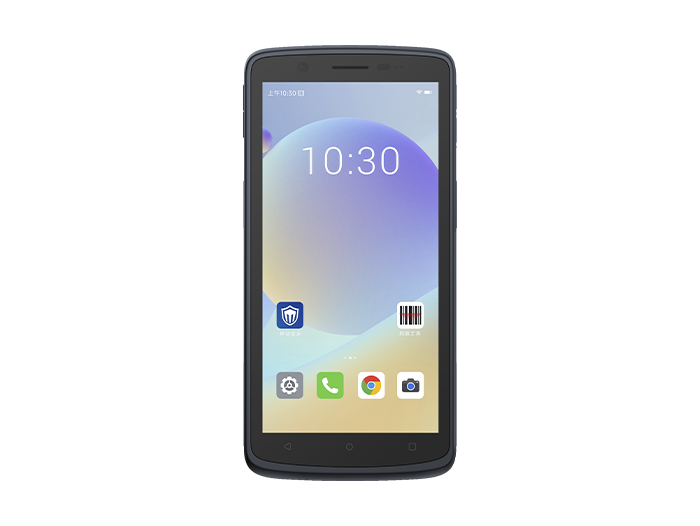
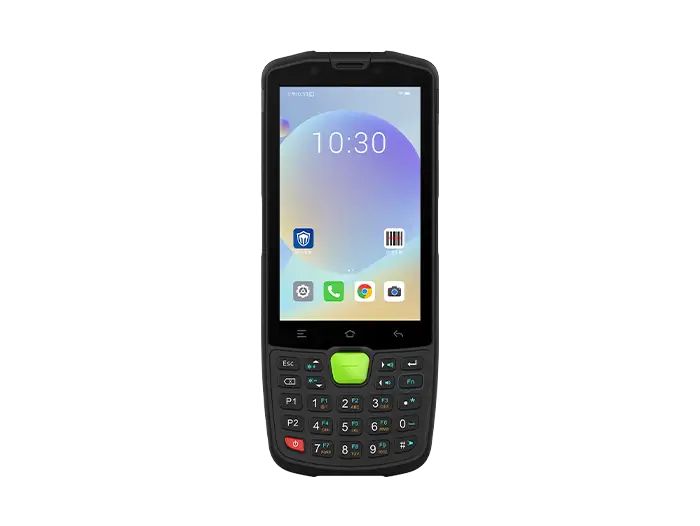
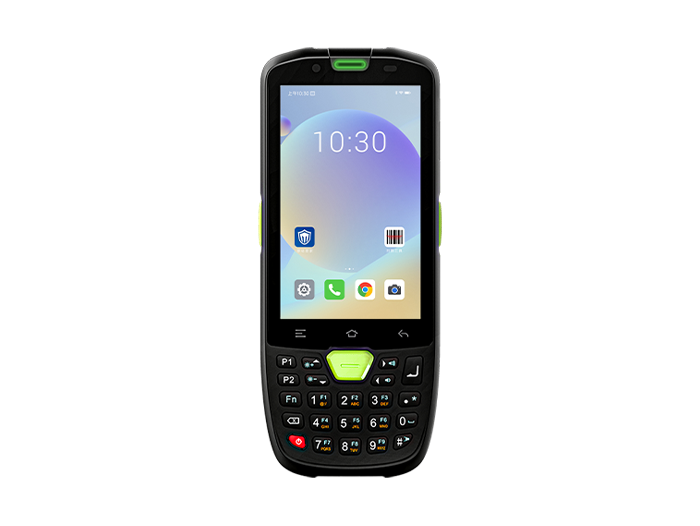
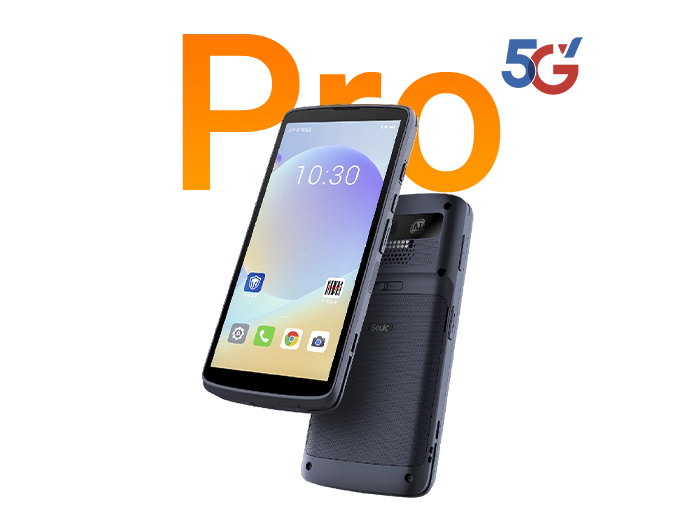
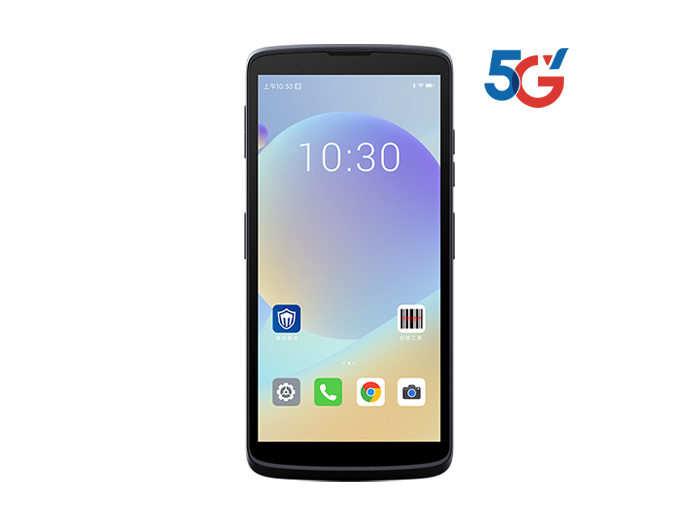
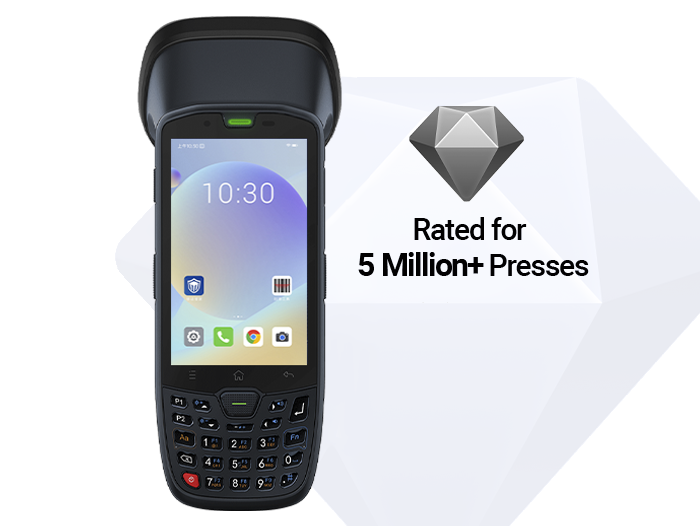
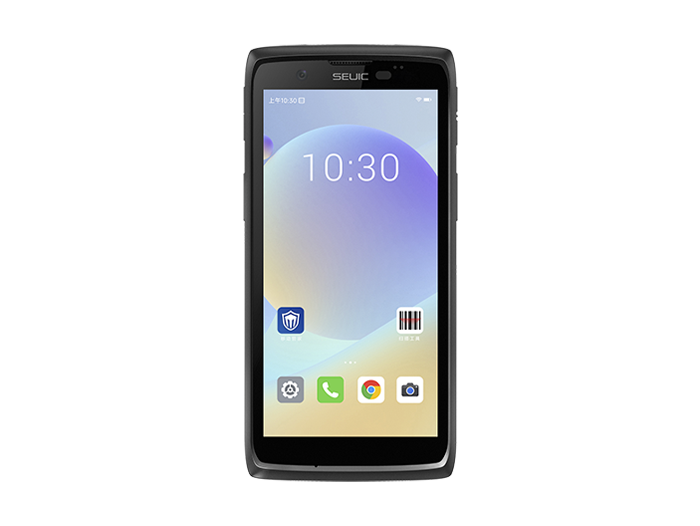
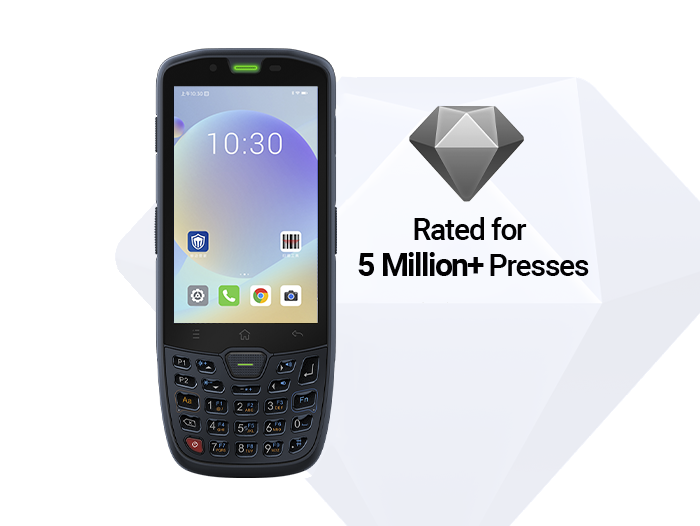
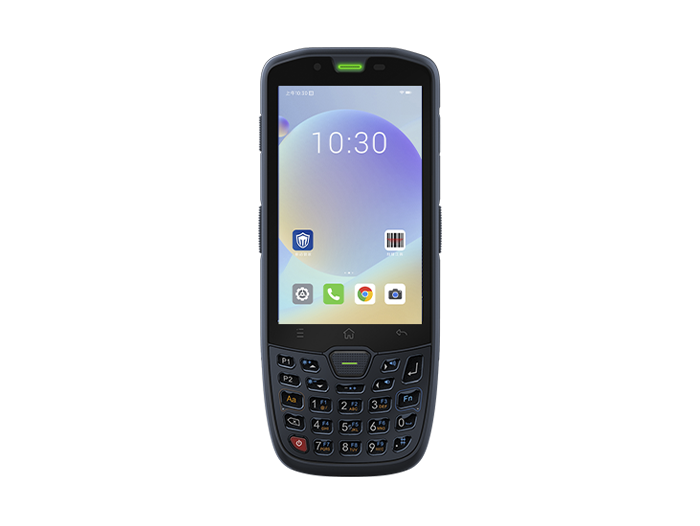
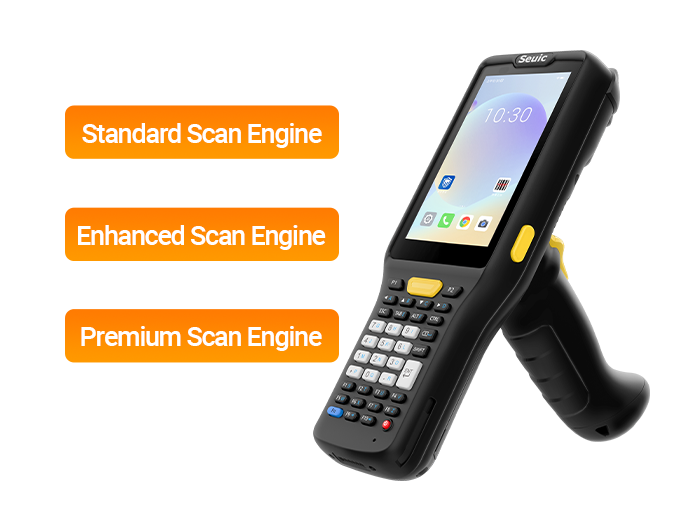
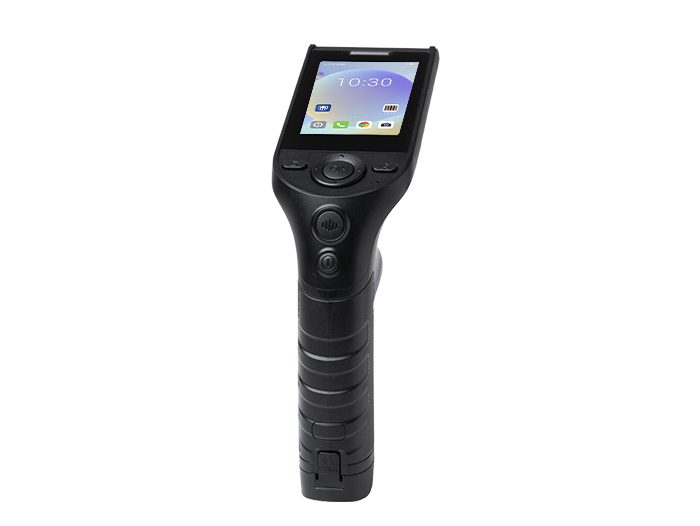
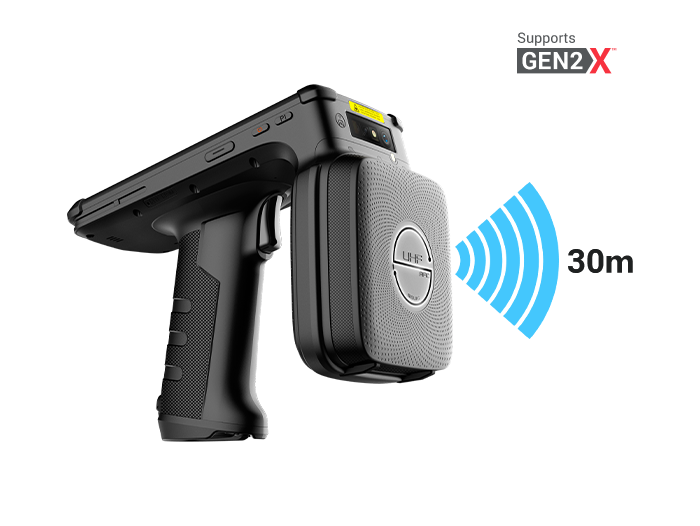
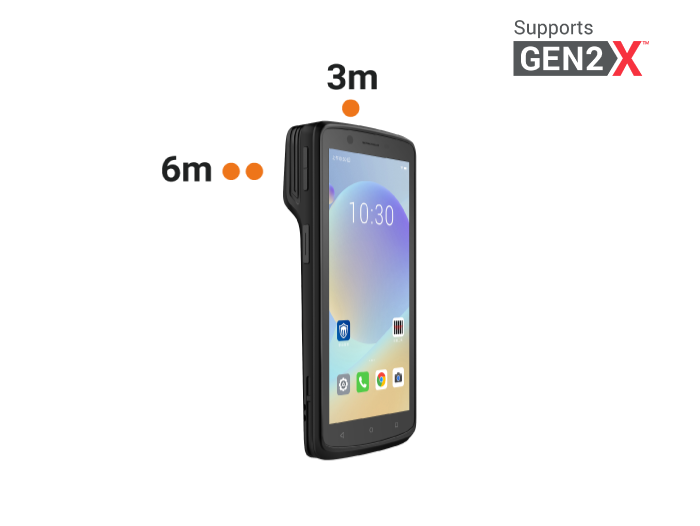
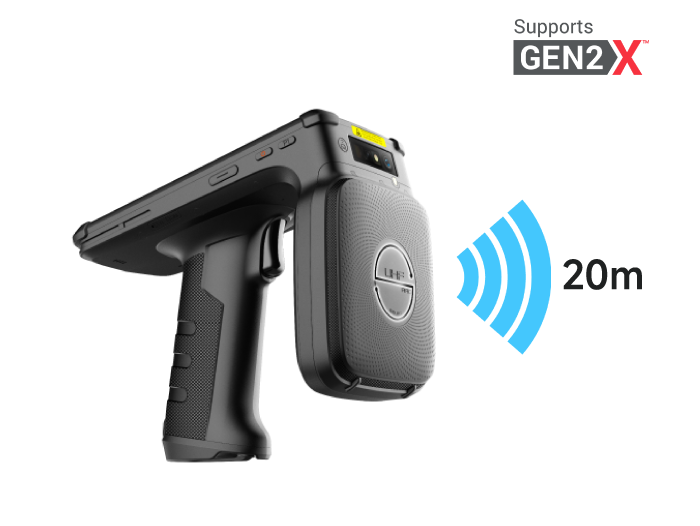
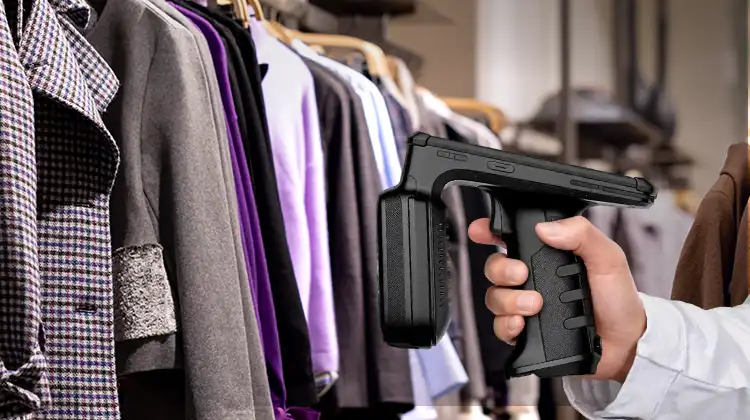
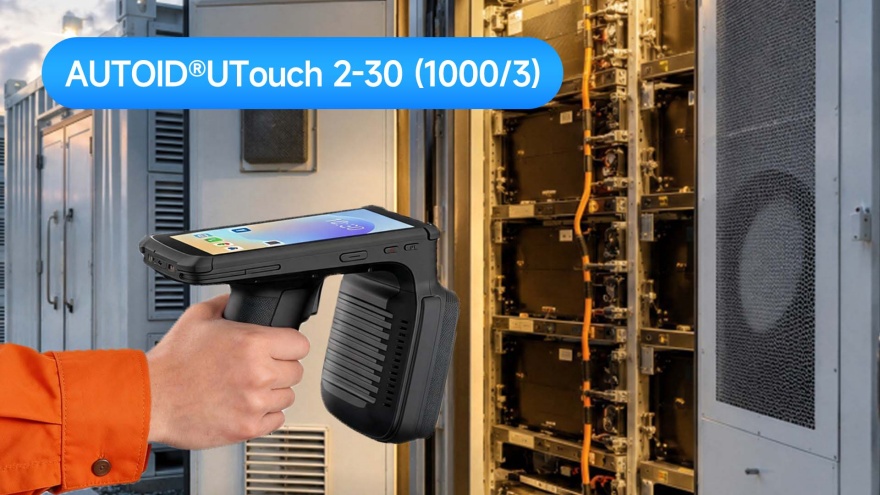
Once you understand RFID meaning, managers want to know how it translates into a usable handheld device. The SEUIC AUTOID UTouch 2-30 (1000/3) is a lightweight handheld RFID reader terminal designed for high-mobility scenarios such as retail, transportation, and healthcare.
Built-in NFC, 1D/2D barcode scanning, and image capture — one device replaces multiple tools
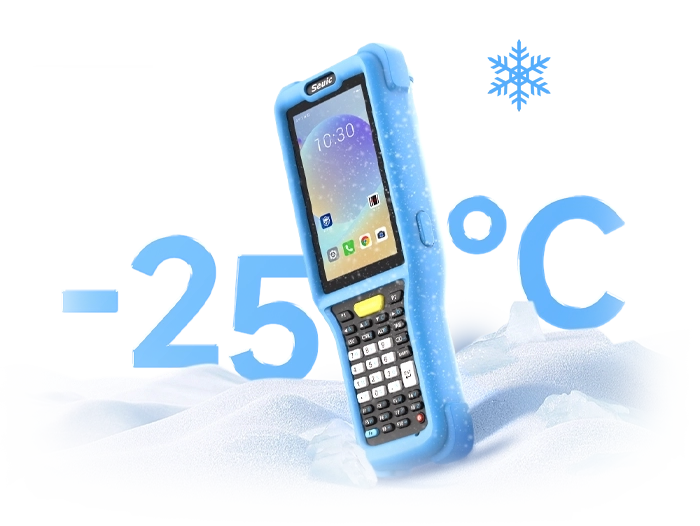
IP67 protection and 1.5m drop resistance — suitable for store shelves, hospital wards, train platforms, and warehouse aisles
Expandable to 30-meter read range and ~1,000 tags in 3 seconds for high-density assets or long corridors
Compared to traditional barcodes, no need to aim at each item — reads through packaging in bulk, significantly reducing manual counting errors
Works with WMS or asset systems to enable batch traceability, expiry warnings, and anti-counterfeiting
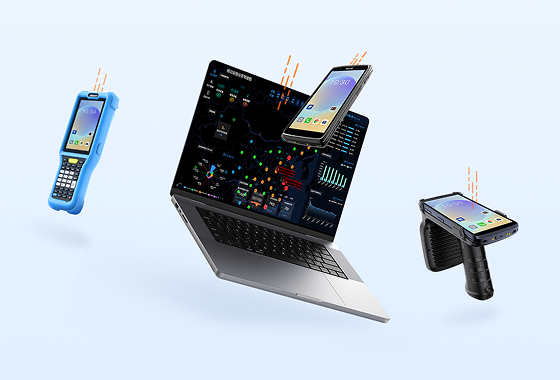
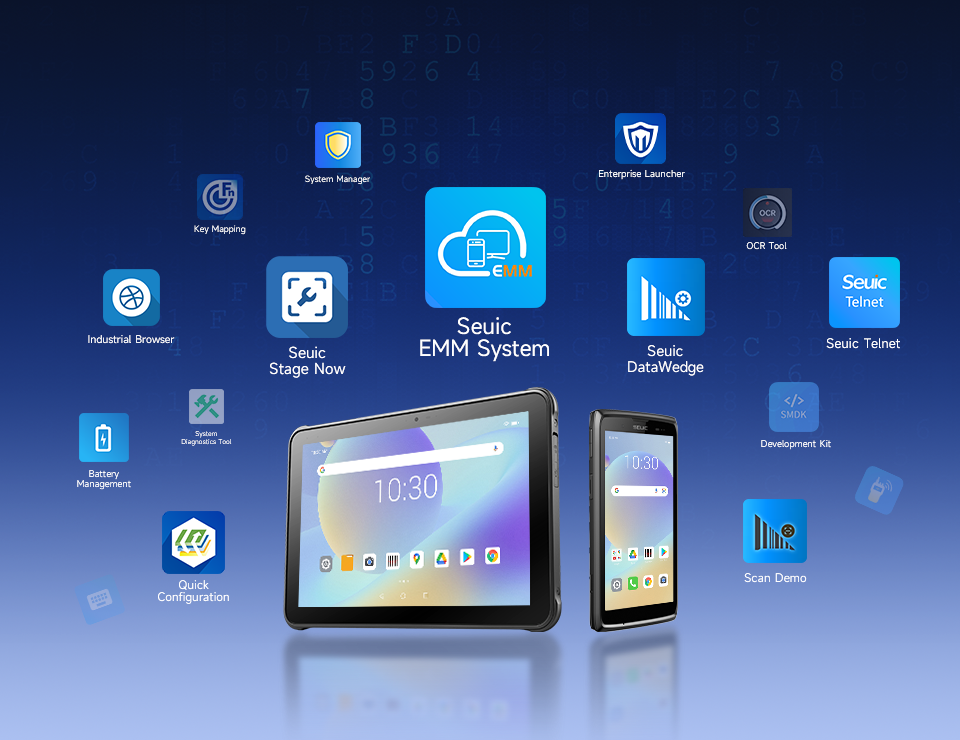
This terminal turns the RFID concept into real-time data: read on receipt, deduct on sale, record on inspection. It can be managed through SEUIC's EMM for batch configuration, remote lock, and full lifecycle management.
4. How Different Industries Turn RFID into Business Value
Factory / Quality / Warehouse: Attach UHF tags to raw materials, WIP, and finished pallets. Portal readers capture automatically at inbound. QC writes inspection results to rewritable tags, enabling batch traceability and defective isolation.
Retail / Apparel / Supermarket: RFID-enabled garment hang tags for daily cycle counts — real-time alerts for out-of-stock, color/size mismatches. Cold-chain items linked to temperature-sensitive tags with automatic near-expiry reminders.
3PL / E-commerce / Parcel Delivery: Fixed-channel readers scan pallet and package labels at sorting hubs; handhelds verify at delivery endpoints, reducing mis-sorts and losses.
Hospital / Pharmacy / Nursing: Manage medications, specimens, and instruments with HF/NFC or UHF. Nurses scan to verify patient and dosage; narcotics cabinets combine with permission audits.
Utility Meter Reading / Field Inspection: Weather-resistant tags on outdoor posts, valves, and meters. Inspectors read contactlessly with handhelds, supplemented by photos and GPS, creating a complete inspection log.
Government / Public Assets: Tag law enforcement vehicles, equipment, and case files. On-site reading + photo capture + digital signature — eliminating paper lag and asset loss.
5. 5-Step Checklist for Beginners Adopting RFID
Define your goal: Clearly state what problem you're solving — inventory efficiency, batch traceability, theft prevention, asset audit, or inspection compliance.
Choose frequency and tags: For small near-field items, consider HF/NFC. For warehouse/retail bulk, use UHF. For metal/liquid environments, run sample validation.
Run a small pilot: Pick one store, one production line, or one distribution station. Use a small batch of tags plus one handheld for two weeks. Track read rate and labor savings.
Integrate hardware and software: Connect the reader to your WMS/MES/EMR/asset system. For multi-device scenarios, use EMM for centralized configuration, status monitoring, and remote wipe.
Train and review: Provide standardized training for warehouse staff, store associates, nurses, and inspectors. Use pilot data to decide whether to roll out fully.
If your operations face similar challenges — inaccurate inventory, manual efficiency bottlenecks, difficult batch traceability, or asset loss — feel free to contact SEUIC for a customized RFID solution. Free trial + 1-on-1 expert support available.
Related News
-
2D Barcode Scanner for Automotive DPM Traceability
Product Updates | 2026.09.20Learn More
-
Portable Barcode Scanner for High-Rack Warehouses
Product Updates | 2026.09.20Learn More
-
RFID Tracking System Buying Guide: 10 Must-Evaluate Selection Factors
Product Updates | 2026.09.18Learn More
-
RFID Tracking vs Barcode: The Ultimate Asset Tracking Selection Guide
Product Updates | 2026.09.18Learn More