




2D Barcode Scanner for PCB Low-Contrast DPM: Selection Guide
In precision electronics manufacturing, end-to-end traceability from PCB to finished product has become the lifeline of quality and compliance. Traditional 1D barcodes lack capacity, and with limited space on PCBs, 2D codes are often applied as DPM marks directly on tiny component surfaces — making them much harder to read. That is why high-performance 2D barcode scanners have become standard on production lines. They are not just data capture tools; they are the critical gateway to full-chain traceability from raw materials to finished goods, enabling real-time data collection and closed-loop quality management.
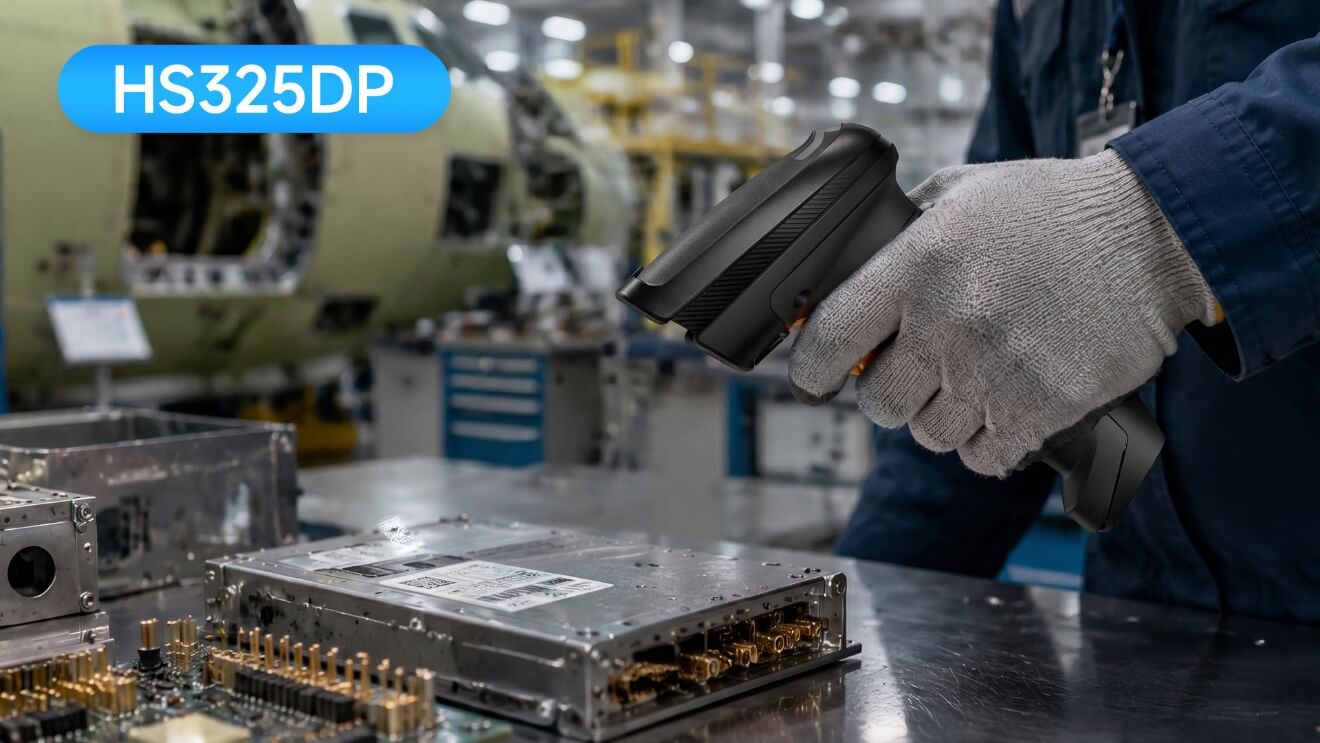
1. Why Low-Contrast DPM on Small Parts Is Hard to Read
For many frontline operators, the most frustrating problem is this: the code is there, but the scanner on the line keeps failing. This is not a device malfunction — it is an optical challenge inherent to reading low-contrast DPM codes.
First, contrast is extremely low. Unlike black-and-white printed labels on paper, DPM codes are applied directly to metal, ceramic, or dark plastic substrates using laser, chemical etching, or dot peening. For example, a white mark on a black chip package, or a gray mark etched onto a shiny silver metal pin — the contrast may be only a fraction of that of a traditional label. Ordinary red or white light from a standard scanner is often absorbed by these surfaces, resulting in poor image quality.
Second, the codes are very small and sit on complex surfaces. As electronic products miniaturize, components on PCBs get smaller, and DPM codes shrink to just a few millimeters or less. These marks are often located on curved surfaces, recessed corners, or areas partially obscured by other components. Reflective properties of certain materials (like mirror-like metal pins) further interfere with the imaging sensor's ability to read them.
Third, marking quality varies widely. Due to differences in marking equipment and processes, DPM codes from the same batch can vary in depth, clarity, and completeness. Wear, oil contamination, and high temperatures during SMT reflow soldering can further degrade code quality. Taken together, these factors render conventional scanners with simple algorithms helpless against such "hard-mode" barcodes.
2. How to Choose the Right 2D Barcode Scanner for Your Industry
Given the challenges above, selecting a suitable 2D barcode scanner is far more than comparing specs — it is a decision process that must account for the specific application. For production line planners and procurement managers, here are the key dimensions to evaluate:
Intelligent Decoding Algorithms: This is what separates ordinary scanners from industrial-grade ones. A high-quality scanner uses advanced AI decoding algorithms that leverage deep learning models to automatically identify and compensate for distortions caused by low contrast, damage, warping, or curved surfaces. Instead of merely "seeing" the code, it "understands" and "reconstructs" it. This is critical for reading low-quality DPM codes on PCBs.
Flexible and Controllable Illumination: Light source is a decisive factor in DPM read success. Different substrates (metal, plastic, ceramic) and colors (black, white, silver, gold) require different lighting strategies — a single illumination method is rarely sufficient. You need a scanner equipped with multi-color light sources (e.g., red, blue, white) that can switch intelligently. For instance, blue light penetrates oxide layers on some metal surfaces better, while red light works well for light marks on dark backgrounds. Adjustable illumination angles are also important to suppress glare from specular reflection.
Form Factor Matches Your Workflow: Choose the form factor based on your specific work scenario.
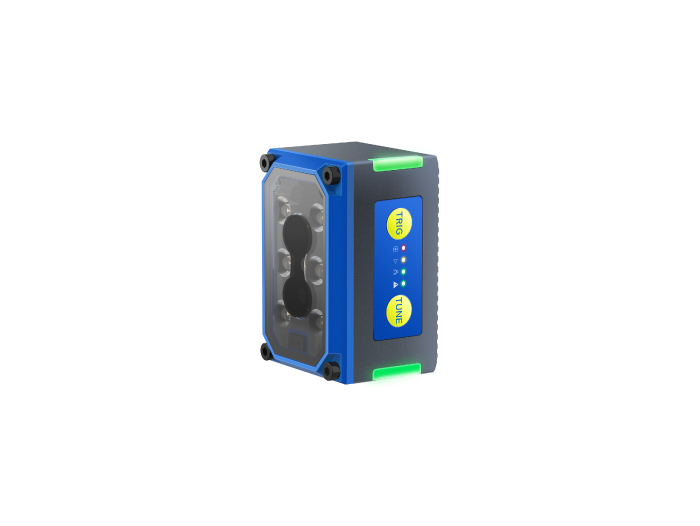
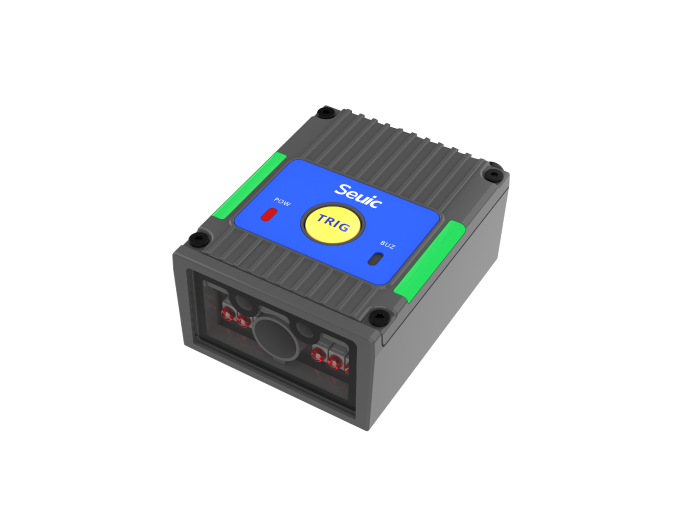
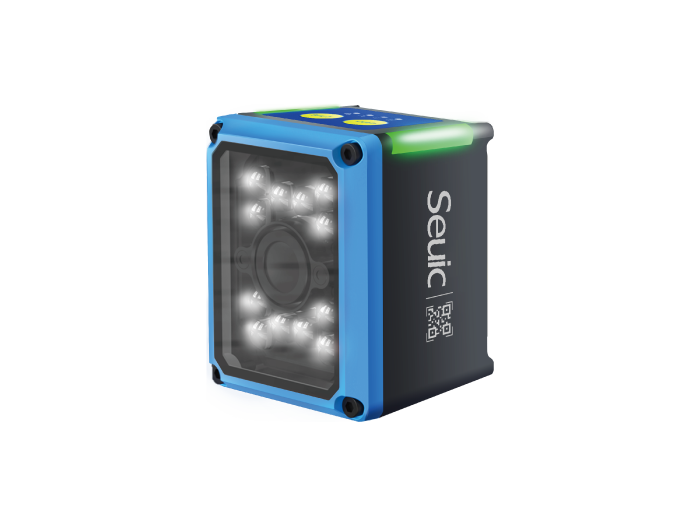
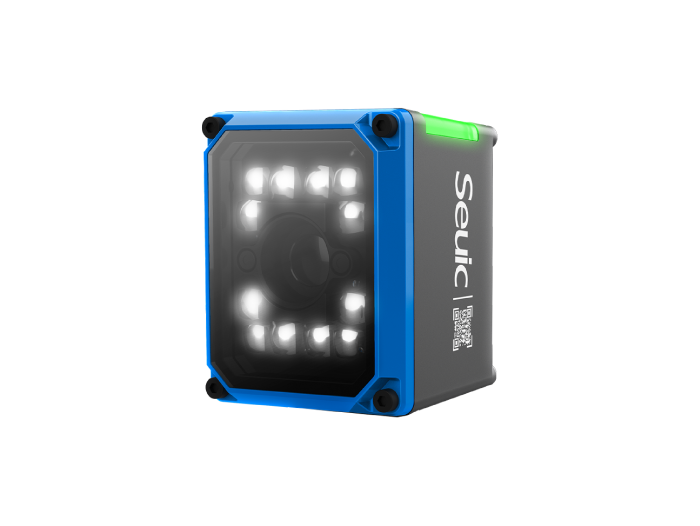
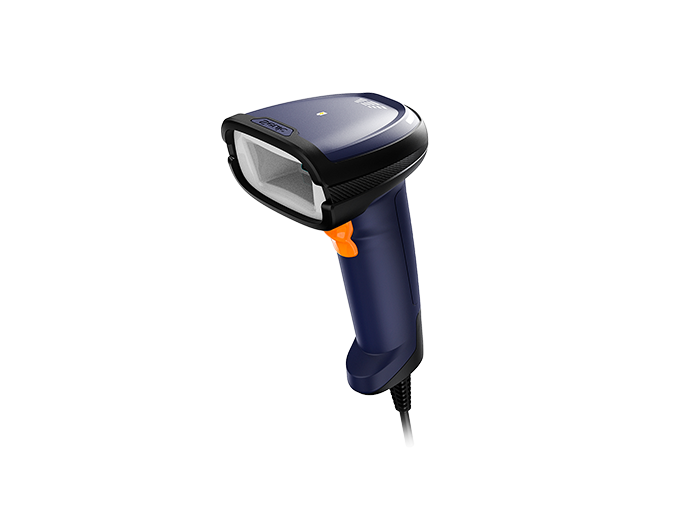
Fixed-mount scanners: Ideal for integration into automated production lines. For example, installed after an SMT pick-and-place machine or at the exit of a reflow oven for unattended high-speed inline inspection and traceability.
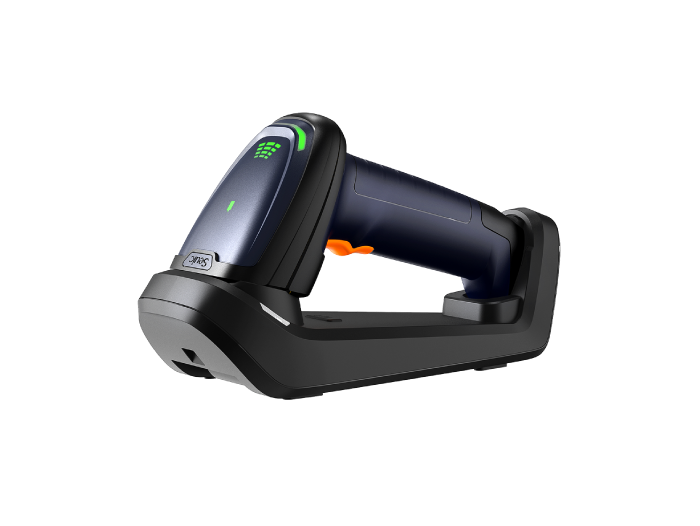
Handheld / wireless scanners: Suitable for flexible, mobile applications such as line patrols, repair and rework stations. Wireless design frees operators from cable constraints, making it easier to work around large equipment or complex workstations.
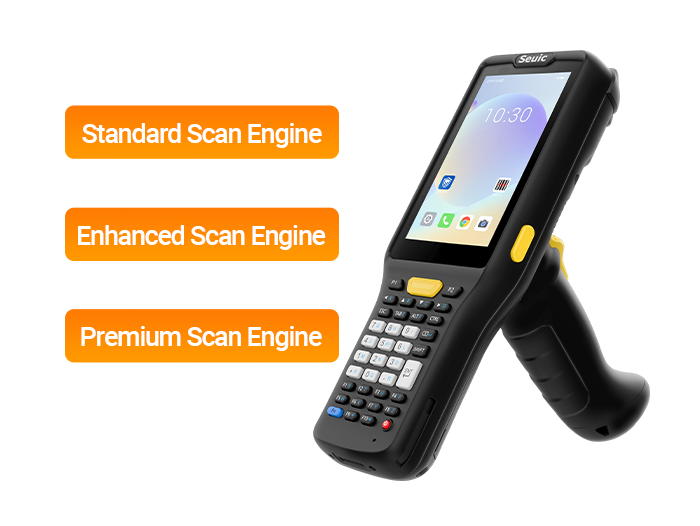
Industrial handheld terminals (PDAs): These integrate a scan engine, high-performance computing, and communication modules into one device, designed for scenarios that require on-site data processing and real-time network connectivity. For example, a warehouse clerk receiving goods scans a DPM code, and the PDA not only reads it but also queries the backend database to display material information and stock location.
Environmental Resistance and Durability: Electronics manufacturing workshops face risks of electrostatic discharge (ESD), dust, temperature fluctuations, and accidental drops. Therefore, ingress protection (e.g., IP65/IP67), drop resistance, and ESD protection are hard requirements. A device that operates reliably for years in harsh conditions will have a much lower total cost of ownership than a cheaper unit that fails frequently.
3. Recommended Solutions for PCB DPM Reading Challenges
Based on the selection criteria above, we have selected two flagship products from SEUIC, a leading industrial smart terminal brand, that excel at reading low-contrast DPM codes in the PCB and electronics industry.
3.1 SEUIC AUTOID 10 – Flagship Industrial Handheld Terminal
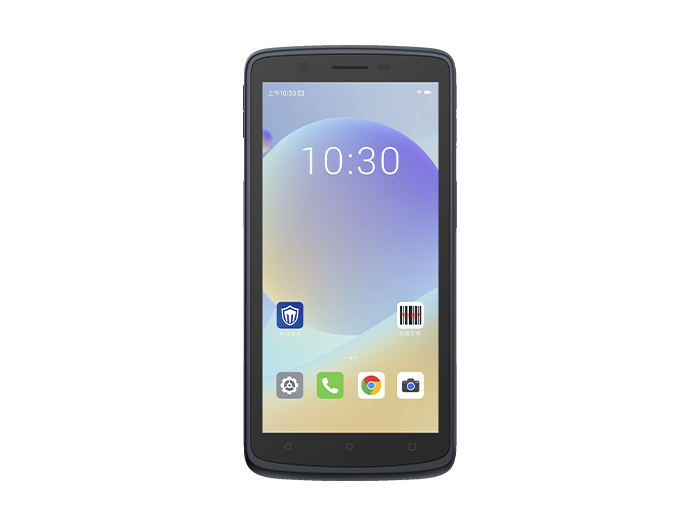
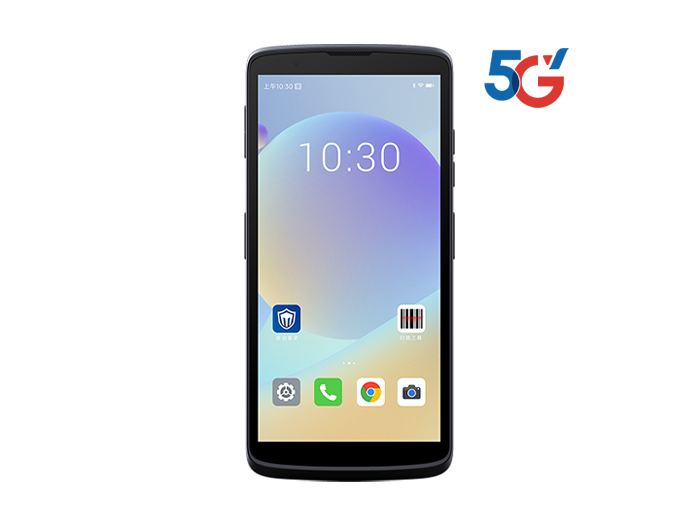
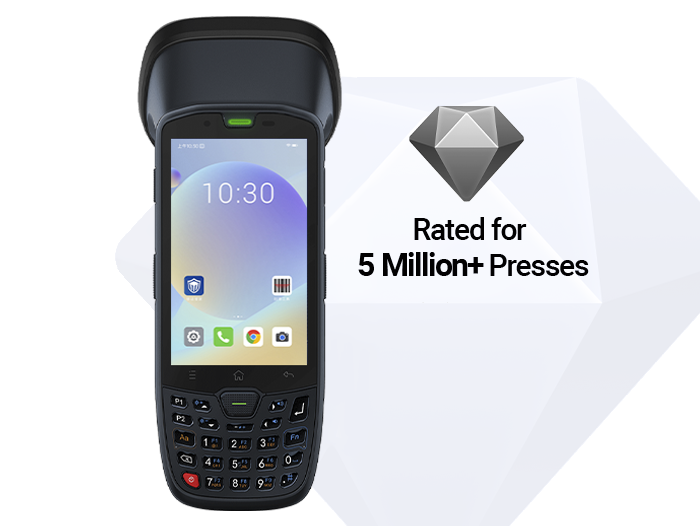
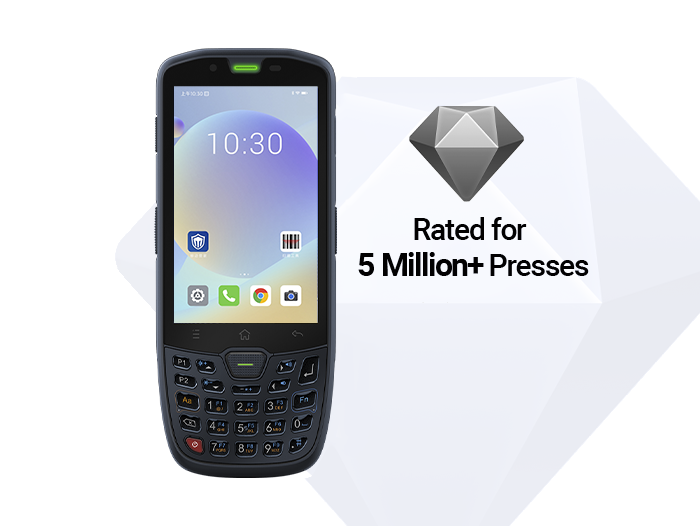
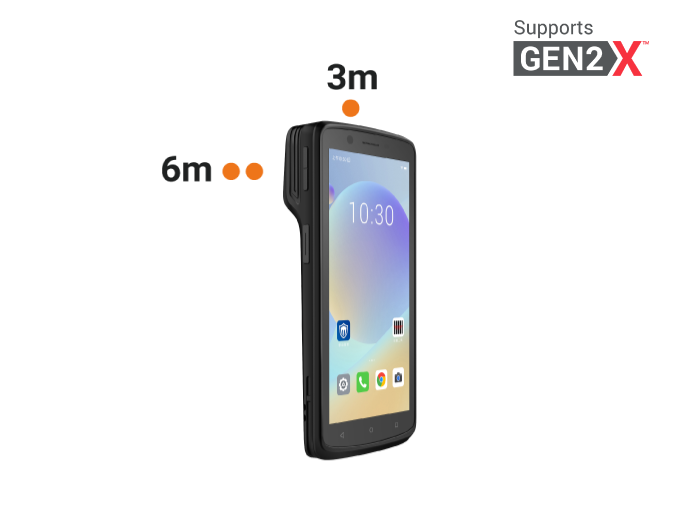
If you need a versatile device that not only reads DPM codes effortlessly but also serves as a powerful mobile computing platform, the AUTOID 10 is your best choice. Known for its "black diamond" build quality, it is a true flagship rugged handheld terminal.
Core Advantages: Powered by a Qualcomm octa-core processor and an AI scan engine, it delivers exceptional image processing and decoding capability — even the smallest, most blurred DPM codes on PCBs are recognized in milliseconds.
Applicable Scenarios: Ideal for mobile traceability throughout PCB manufacturing and assembly. For example, an SMT line-side warehouse operator uses it to issue and verify tiny bare PCB boards; a line inspector uses it to scan low-contrast DPM codes on PCBs while walking the line, tracking WIP status in real time and handling exceptions; a service technician scans a DPM code on a PCBA to quickly retrieve the original production batch and repair drawings.
Reliability: With IP67 protection and all-day battery life, it works steadily in electronics factories filled with dust, static, and vibration.
3.2 SEUIC HS325DP – AI-Powered Wireless Dedicated DPM Scanner
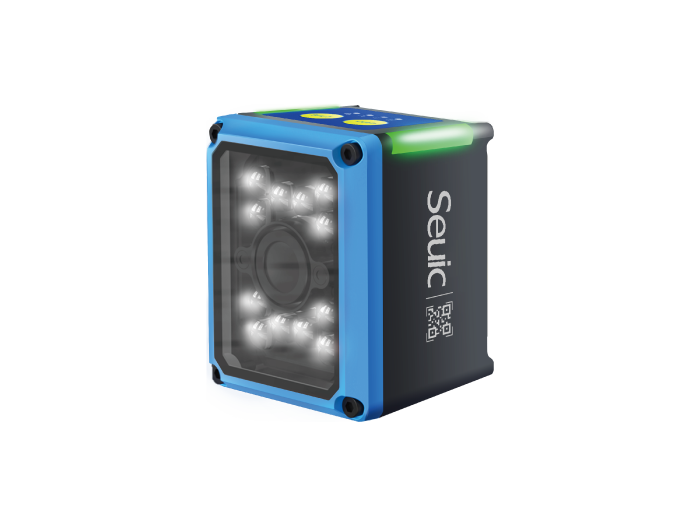
If your focus is on achieving the highest possible DPM read reliability at a fixed workstation — especially for the most challenging marks — the HS325DP is your ideal partner.
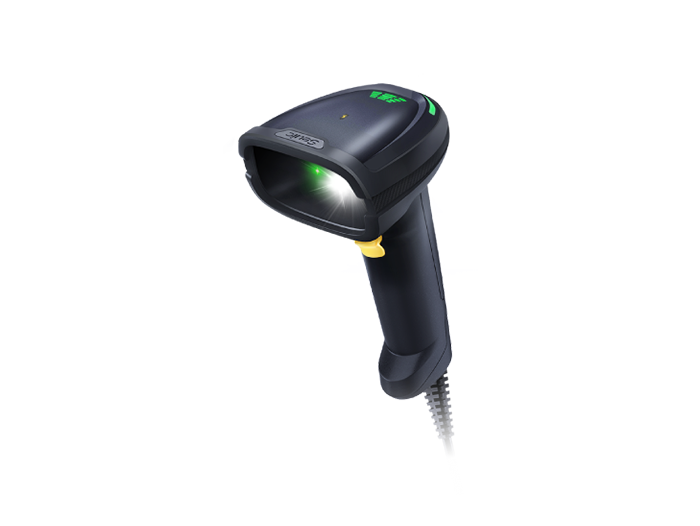
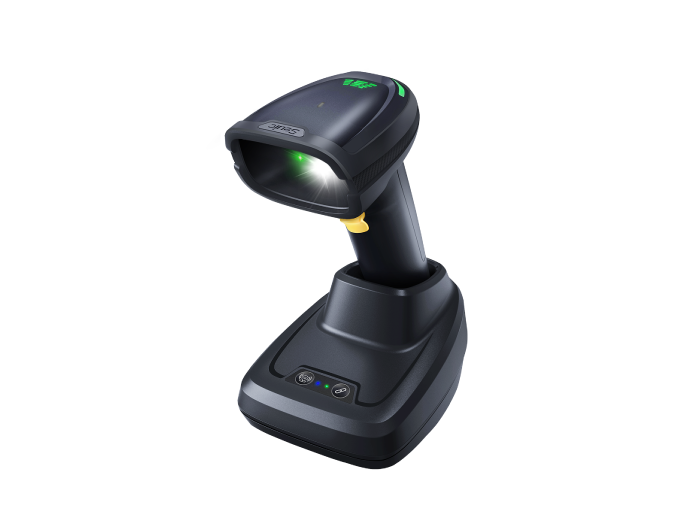
Core Advantages: This is a professional device built specifically for DPM. It features a dual-core processor and AI decoding algorithm, delivering a 99.99% first-pass read rate. Its standout feature is the intelligent tri-color (red, blue, white) illumination system that automatically selects the optimal light for any surface — whether the DPM code is on a shiny silver metal pin or a black ceramic substrate — easily overcoming low-contrast difficulties.
Applicable Scenarios: Designed for fixed workstations on automated lines. For example, at a PCBA test station for new energy vehicle battery management systems (BMS), automotive parts assembly lines, or consumer electronics FATP (final assembly test) stations, it integrates seamlessly to maintain consistent takt time.
Success Story: Leading new energy vehicle manufacturer Li Auto has deployed HS325DP scanners at its core component assembly stations, successfully solving DPM code reading challenges and improving scanning efficiency by 50%, ensuring smooth production line operation.
In today's era of smart and lean electronics manufacturing, data drives everything, and barcode scanning is the first checkpoint of data collection. Facing the widespread challenge of low-contrast DPM codes in PCB traceability, choosing a 2D barcode scanner with AI decoding algorithms, flexible illumination, and rugged design is a smart investment in production efficiency, product quality, and data accuracy. Whether you prefer the all-round mobile AUTOID 10 or the specialized HS325DP, SEUIC offers trustworthy solutions.
If you are struggling with DPM code reading on your production line, or want to evaluate which device fits your specific scenario, feel free to contact SEUIC for a one-on-one customized solution and a free trial opportunity.
Related News

-
Double Efficiency High-Bay Inventory: Normal vs Ultra-Long Range UHF RFID Handheld
Product Updates | 2026.11.04Learn More
-

India RFID Supplier Selection: Industrial Procurement & Audit Guide
Product Updates | 2026.11.04Learn More
-
RFID Inventory for Beverages & Fresh Food: Handheld Reader Selection Guide
Product Updates | 2026.11.04Learn More
-

RFID Manufacturer Selection: China vs India Sourcing Decision Guide
Product Updates | 2026.11.04Learn More