


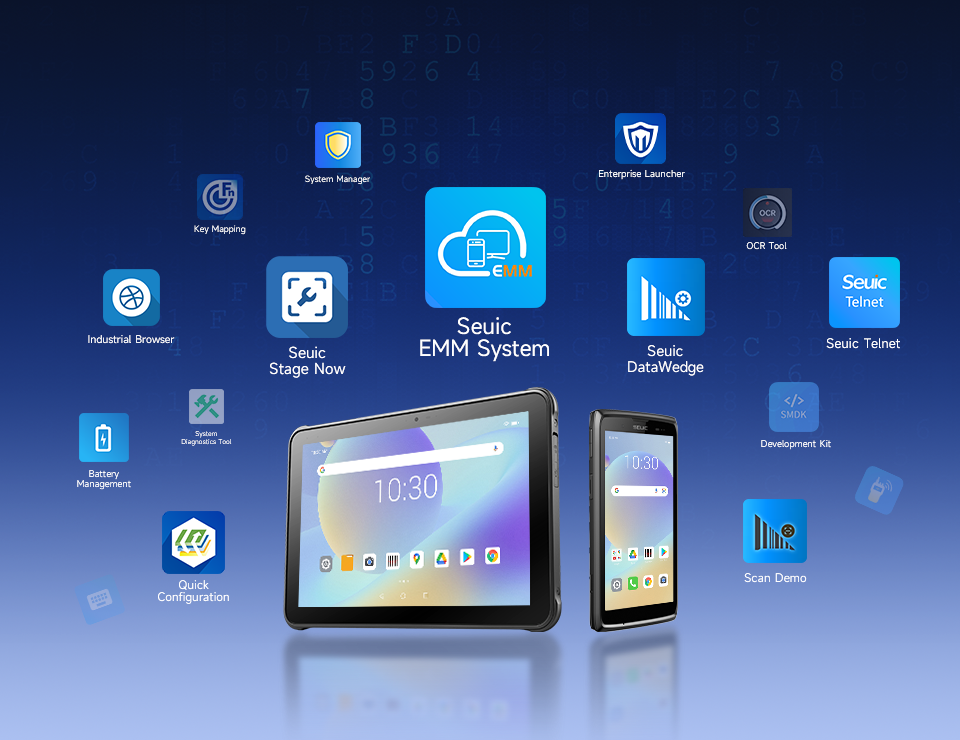


Industrial Handheld Computers Drive Digital Transformation in Manufacturing and Warehousing
In today's fast-evolving world of manufacturing and logistics, data is the new oil. Yet many managers still face a familiar struggle: production progress relies on verbal reports, quality data depends on pen-and-paper records, inventory levels are only known after manual counts, and equipment status is tracked through inspection logs. These traditional, lagging, error-prone methods of manual data collection act as "data dead ends," seriously hindering the transition to smart manufacturing and digital warehousing.
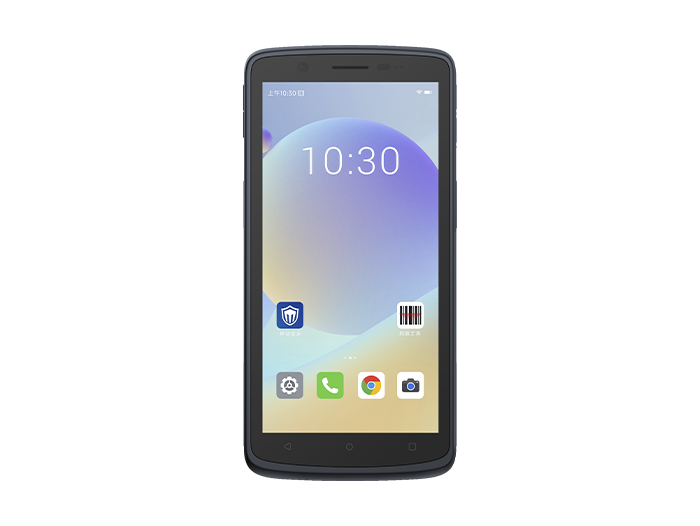
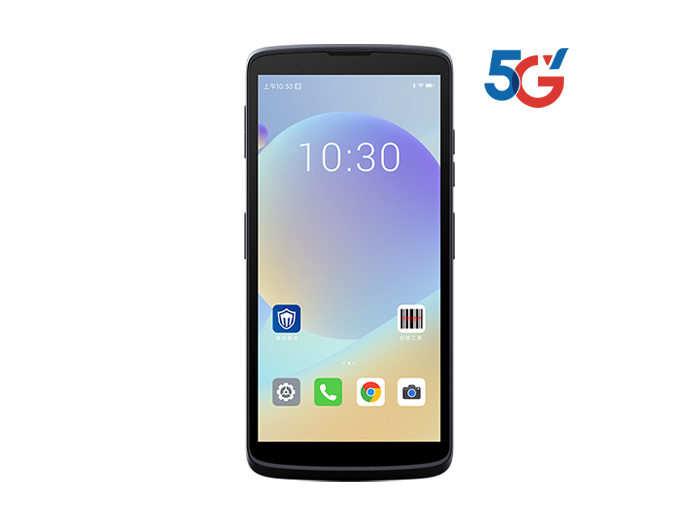
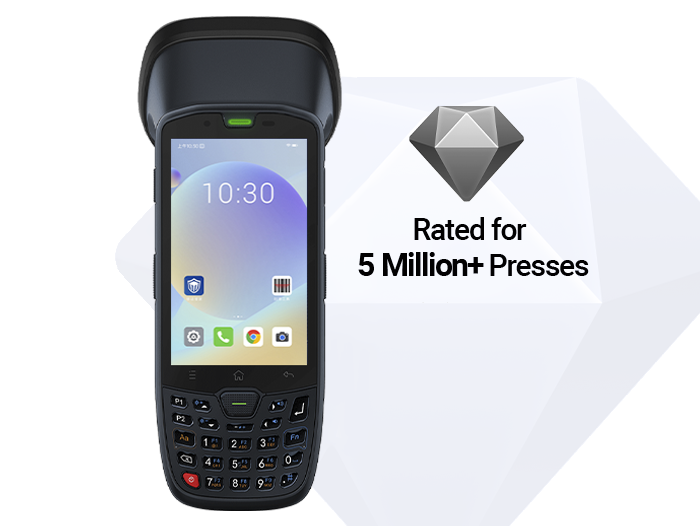
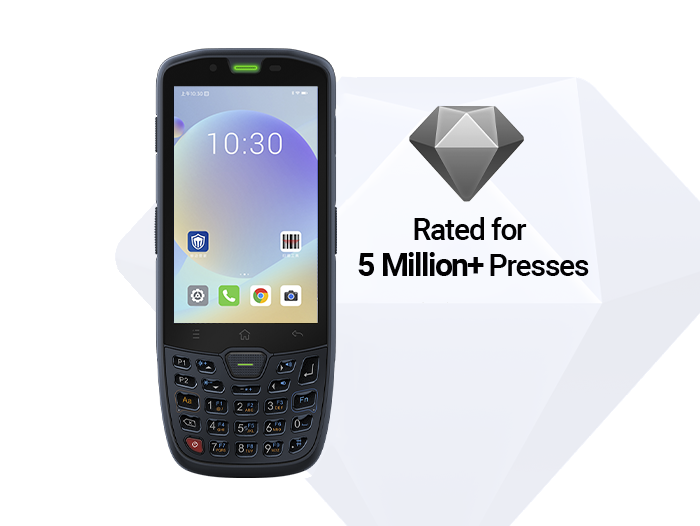
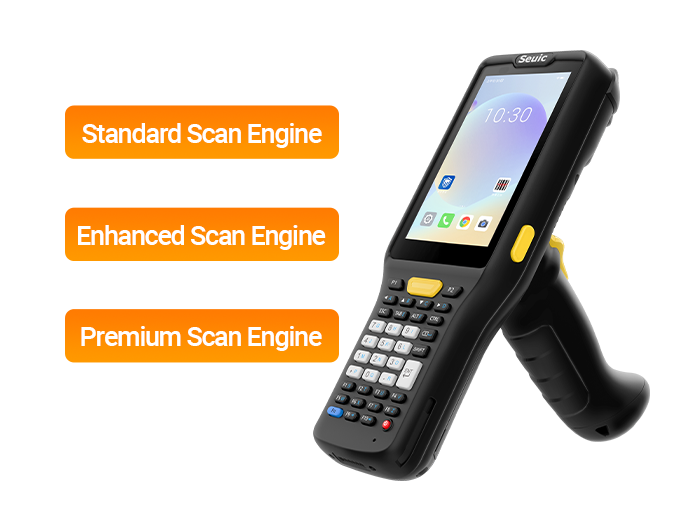
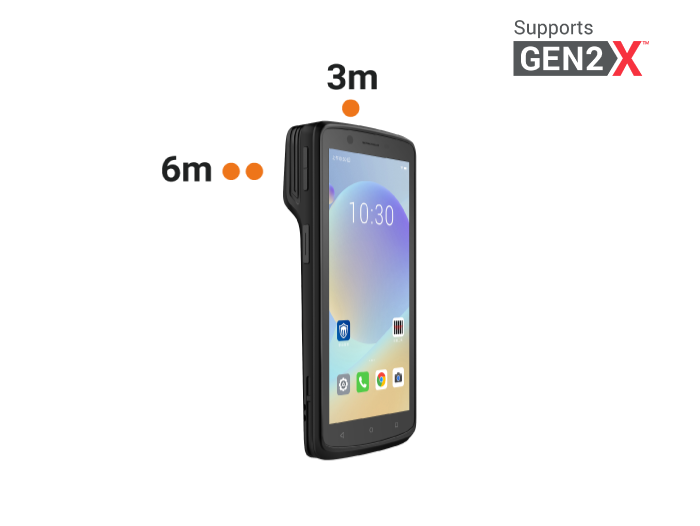
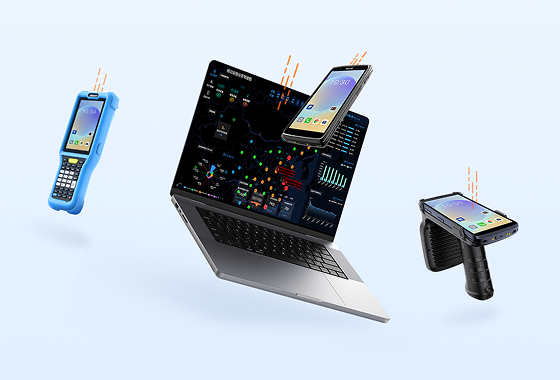
Fortunately, technology has given us a powerful tool — the handheld computer (industrial PDA). It is far more than a simple barcode scanner. It is a mobile data workstation that integrates barcode technology, rugged design, and robust computing power. Professional devices like SEUIC handheld computers are becoming the central hub connecting physical operations with digital systems, driving enterprise digital transformation. This article explores how they help organizations achieve a quantum leap in both efficiency and accuracy.
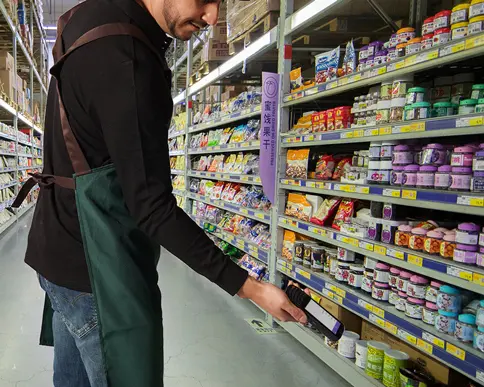
1. From "Manual Recording" to "Digital Reach": Core Pain Points and Solutions in Manufacturing
Before diving into solutions, let's clarify the challenges of traditional models:
Paper-based documentation: Inefficient, prone to loss or damage, information delays, difficult to track
Manual counting and data entry: Time-consuming, high error rates, labor-intensive
Information silos: Data isolation between production lines, warehouses, QC, and procurement — decisions lack real-time insight
Lack of process transparency: Difficulty tracking production progress, material consumption, and WIP status in real time
Traceability challenges: When quality issues arise, it's hard to quickly identify the problematic batch, process, or responsible party
The key to breaking through these barriers lies in extending data collection to the very front line of every operation. Industrial-grade handheld computers are the ideal vehicle for this. Through automatic, real-time, and accurate data capture, they instantly transform physical actions — scanning barcodes, counting goods, performing inspections — into structured digital information, seamlessly integrating with MES, WMS, QMS, and other systems. This bridges the "last mile" of the data flow.
2. SEUIC Handheld Computers: Building End-to-End Digital Solutions
Using SEUIC handheld computers as an example, the solution is not just a single device but a complete system integrating rugged hardware, specialized data capture technology, and industry-specific software applications — designed to deliver customized value across different scenarios.
2.1 Production Line Data Collection: Making Manufacturing "Fully Transparent"
On the production line, every station is a data source. Workers use SEUIC industrial handheld computers to:
Start/Complete Reporting: Scan work order barcodes to report start and finish times in real time, enabling accurate labor analysis.
Material Verification & Consumption: Scan material barcodes to ensure "the right part is used," with the system automatically deducting inventory for precise management.
WIP Tracking: Bind serial numbers to each semi-finished product, tracking its position and status along the line in real time.
Value: Visualize production progress, identify bottlenecks early, optimize scheduling, and reduce WIP inventory.
2.2 Full-Process Quality Traceability: Building a Product's "Digital Identity"
Quality is the lifeline. From supplier incoming inspection to finished goods shipment, handheld computers record the entire journey:
Incoming Quality Control (IQC): Scan material lot numbers, record inspection results, and immediately flag non-conforming items.
In-Process Quality Control (IPQC): At key process points, scan product codes and enter inspection data for process-level quality control.
Finished Goods Traceability: Using unique product codes (e.g., QR codes), trace back to component batches, production teams, and process parameters — enabling "one-click traceability."
Value: Meet compliance requirements, quickly locate and recall defective products, and enhance brand reputation and customer satisfaction.
2.3 Smart Warehouse Management: From "People Finding Goods" to "Data-Driven Goods Finding People"
In warehouse operations, efficiency equals profit. Mobile computers transform every core activity:
Receiving: Scan delivery notes and product barcodes to quickly complete receiving, QC, and putaway registration, with data synced to WMS in real time.
Picking: The system sends optimal pick paths to the terminal; operators scan and verify each item, enabling error-proof, high-efficiency picking — ideal for batch or discrete picking.
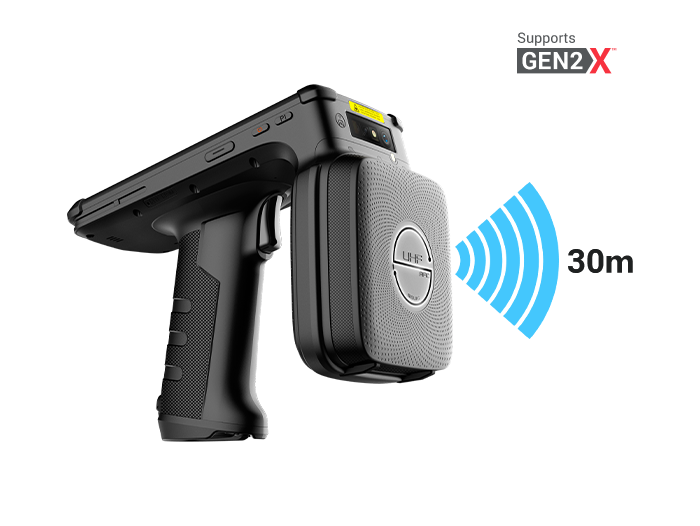
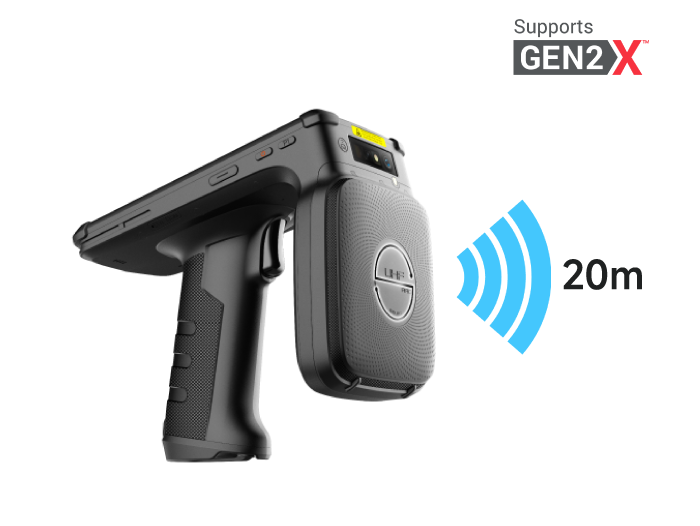
Inventory Counting: Using the handheld's data capture capabilities, bulk-read items on shelves from a distance, increasing efficiency by dozens of times.
Outbound Verification: Scan outbound orders and goods to ensure 100% shipping accuracy.
Value: Achieve up to 99.9% inventory accuracy, improve operational efficiency by 30%-50%, and significantly reduce warehousing costs.
2.4 Equipment Inspection & Maintenance: "Data Sentinels" for Predictive Maintenance
For equipment-intensive industries, regular inspection is critical. Inspectors carry industrial handheld terminals to:
Scan Check-In: Scan equipment inspection codes to confirm inspections are completed.
Paperless Recording: Select or enter equipment status, gauge readings, and abnormalities directly on the terminal.
Real-Time Reporting: Immediately generate work orders upon detecting faults, notifying maintenance teams and closing the loop.
Value: Standardize inspection procedures, accumulate big data on equipment health, provide a basis for predictive maintenance, and reduce unplanned downtime.
3. Case Study: Turning Theory into Practice
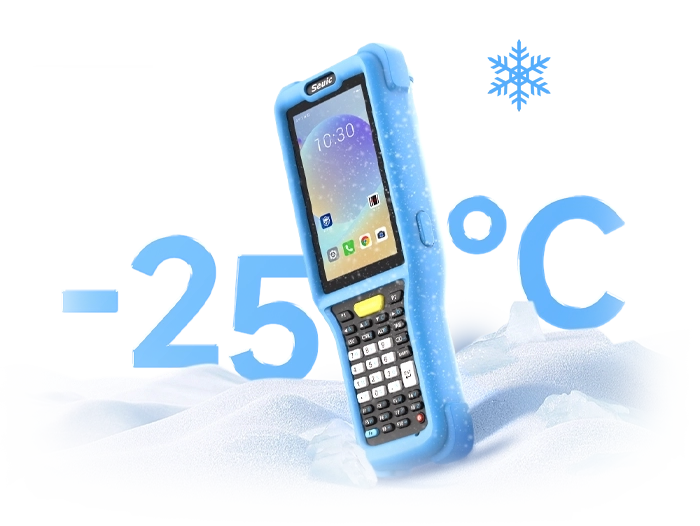
A globally leading fast-food chain built its competitive edge on highly standardized operations. However, as its store network expanded, inefficiencies in inventory management, food safety traceability difficulties, and data synchronization delays began to constrain operational performance. Specifically, inventory staff and shift managers had to repeatedly communicate to confirm thawing plans — extremely inefficient. Manual counting and expiration date checks were labor-intensive with unreliable accuracy. Handwritten expiration labels were error-prone and carried limited information. To address these issues, the chain deployed Seuic CRUISE2 handheld mobile computers, deeply integrated with its existing IMS production management system, creating a "hardware + software" mobile solution. With its industrial-grade protection, the CRUISE2 proved perfectly suited for the wet, greasy, high-frequency kitchen environment. The results: item-finding time reduced by over 90%, inventory counting efficiency improved by over 160%, and through expiration alerts, real-time inventory dashboards, and process visualization, material costs and communication friction were significantly reduced while achieving labor savings and efficiency gains. Click here for more case details.
The digital transformation of manufacturing and warehousing is not an overnight endeavor. It is a value network built from precise, real-time, and reliable data points. Industrial handheld computers — especially those like SEUIC with industrial-grade durability, professional data capture capabilities, and deep industry experience — are indispensable "data processing tools" for constructing this network. They do more than replace pen and paper; they reshape business processes, turning silent materials, idle equipment, and busy workers into "talking" data nodes. These nodes converge into a data stream that powers smarter decision-making, cost reduction, and efficiency improvement.
Seuic data capture terminals have been deployed across eight core industries — including manufacturing, retail, logistics, healthcare, and public utilities — empowering over 1,000 major projects. Whether it's optimizing production line efficiency at top-tier factories, customizing terminals for logistics couriers, or equipping hospitals with mobile nursing devices, Seuic delivers precise, scenario-specific solutions that help enterprises reduce costs and improve efficiency.
Related News
-
Portable Barcode Scanner Buying Guide
Product Updates | 2026.09.22Learn More
-
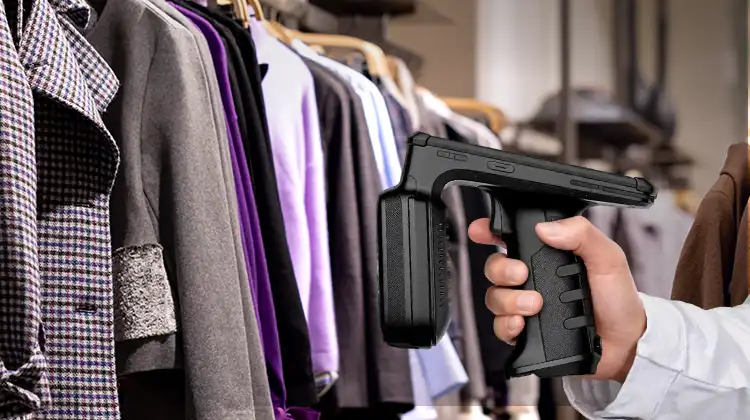
What Is RFID Meaning? Definition & Common Beginner Misconceptions
Product Updates | 2026.09.21Learn More
-
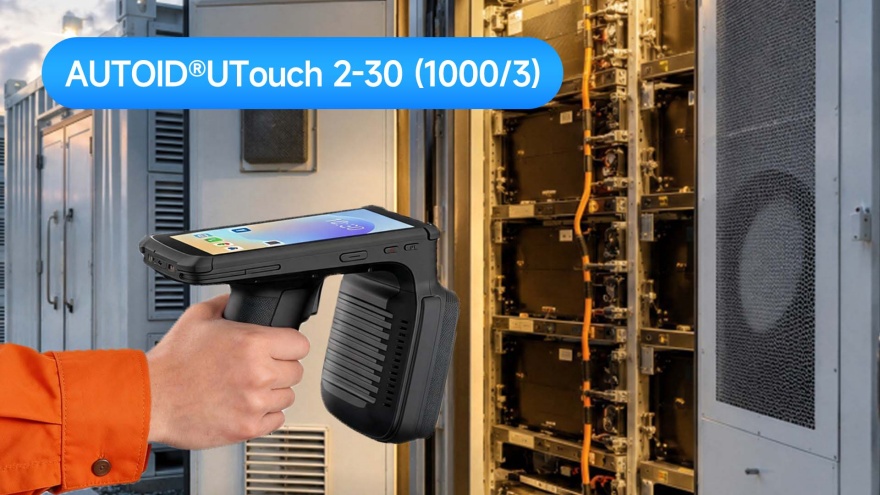
What Is RFID? A Complete Guide to Radio Frequency Identification: Definition, Working Principle & Applications
Product Updates | 2026.09.21Learn More
-
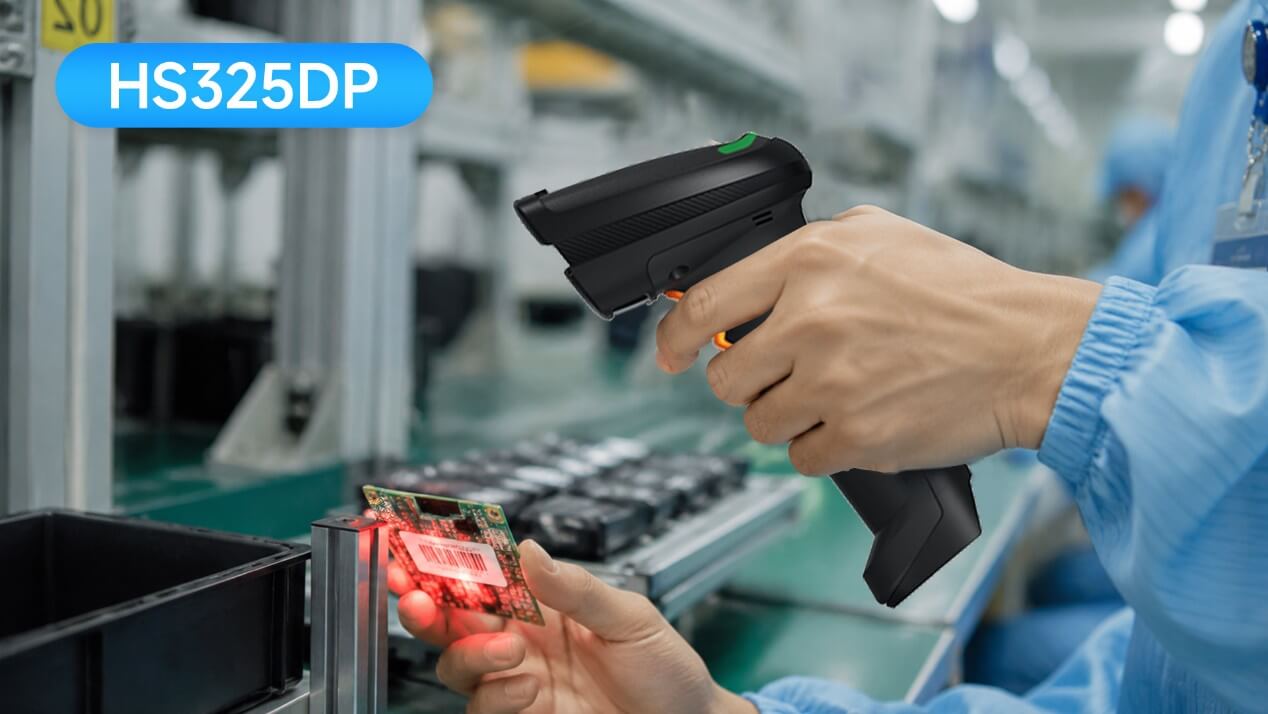
2D Barcode Scanner for Automotive DPM Traceability
Product Updates | 2026.09.20Learn More