




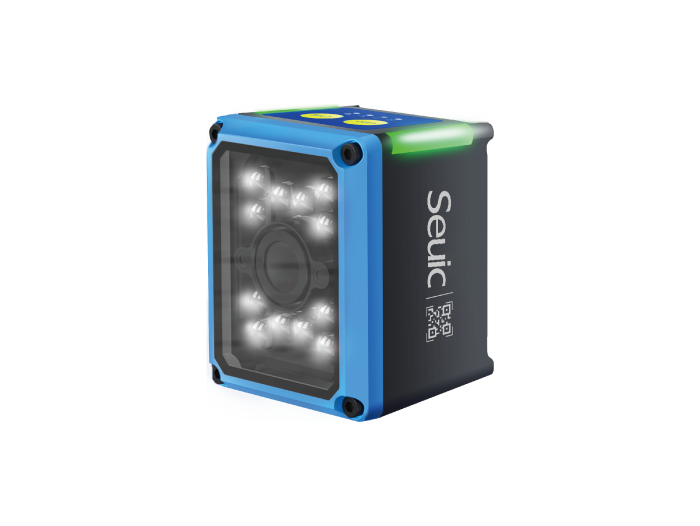
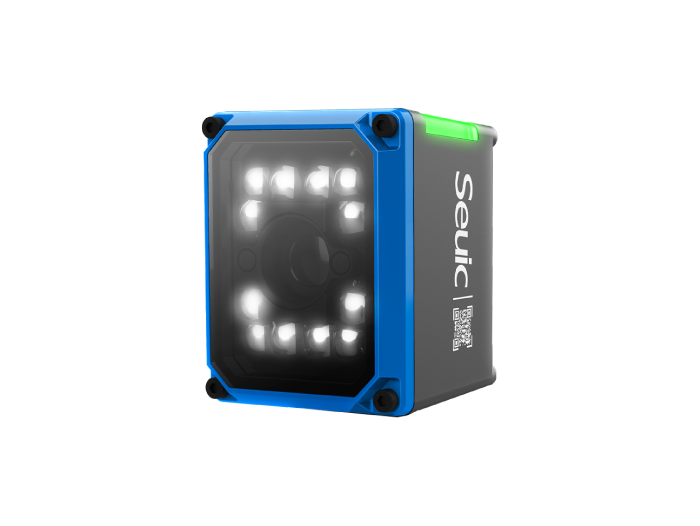
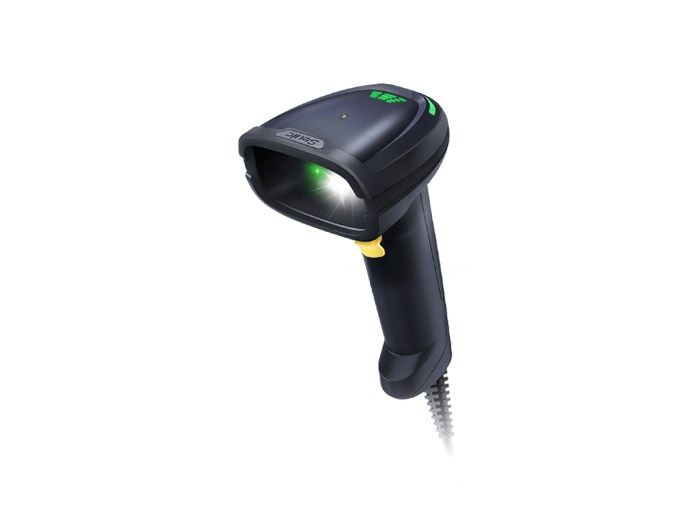
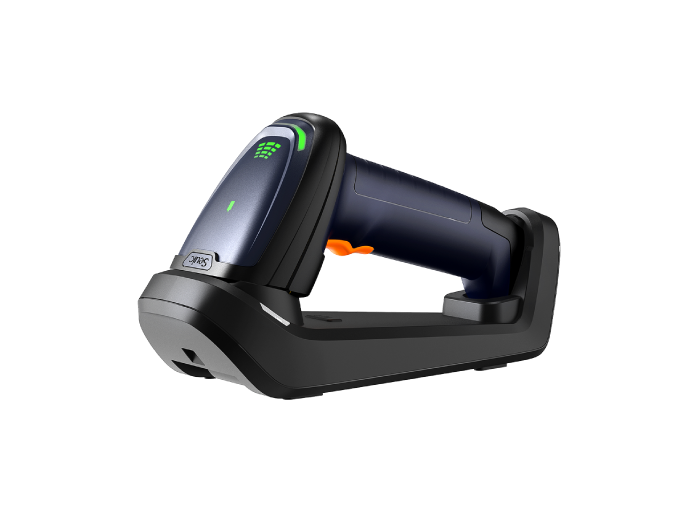



Li-Battery Line Scanning? Seuic HS325DP AI Tri-Color – One Scanner Fits All
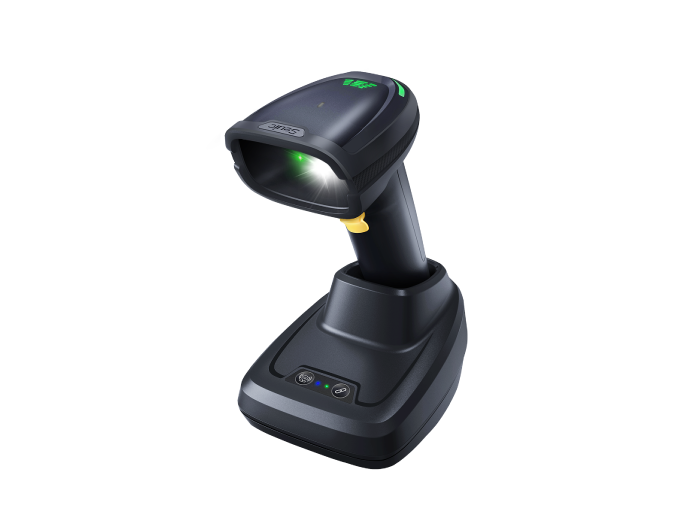
From electrode coating to module PACK, lithium battery production lines deal with wildly different barcodes at each stage — in type, size, material, and background. There are tiny millimeter-scale DPM marks, large labels spanning tens of centimeters, paper stickers, and highly reflective curved aluminum surfaces. To tackle this challenge, the Seuic HS325DP AI industrial wireless scanner leverages a dual-core processor, AI image algorithms, and intelligent tri-color illumination auto-switching to deliver "adaptive" stable decoding across barcodes of varying shapes, materials, and sizes — making it the ideal choice for barcode capture on lithium battery lines.
1. Why Lithium Battery Lines Need an "Adaptive" Scanner
Lithium battery manufacturing is a long-chain, multi-process precision operation. Typical stages include incoming material storage, electrode coating/calendering, winding/stacking, assembly/welding, formation/aging, and module PACK. Each stage uses different marking methods, creating three major challenges for conventional scanners:
Mixed barcode types: High-density 1D long barcodes, 2D codes, and DPM (direct part mark) engraved codes coexist.
Wide size range: From millimeter-scale marks on cell terminals and casings to tray codes and outer carton labels tens of centimeters across.
Complex materials and backgrounds: Paper stickers, plastic housings, curved aluminum with high reflectivity, stainless steel, oil-contaminated or oxidized surfaces — traditional scanners frequently fail or stall.
In short, a scanner without adaptive capability will inevitably struggle on a lithium battery line. So is there a single AI scanner that can handle all process barcodes? The answer is yes — the Seuic HS325DP.
2. How the Seuic HS325DP Industrial Scanner Achieves Adaptive Decoding
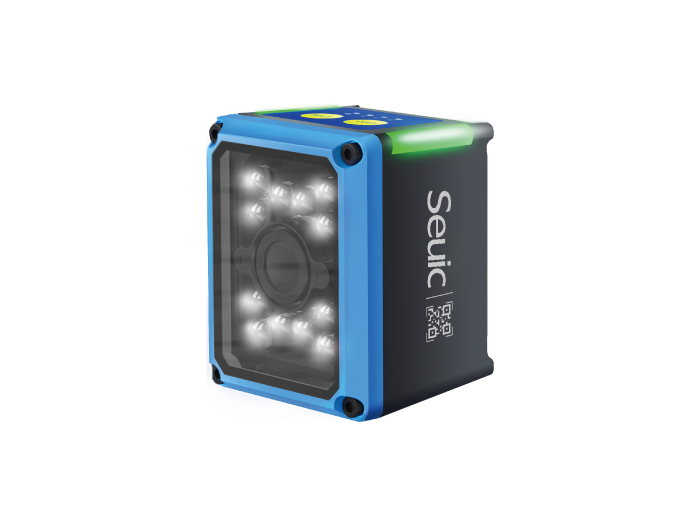
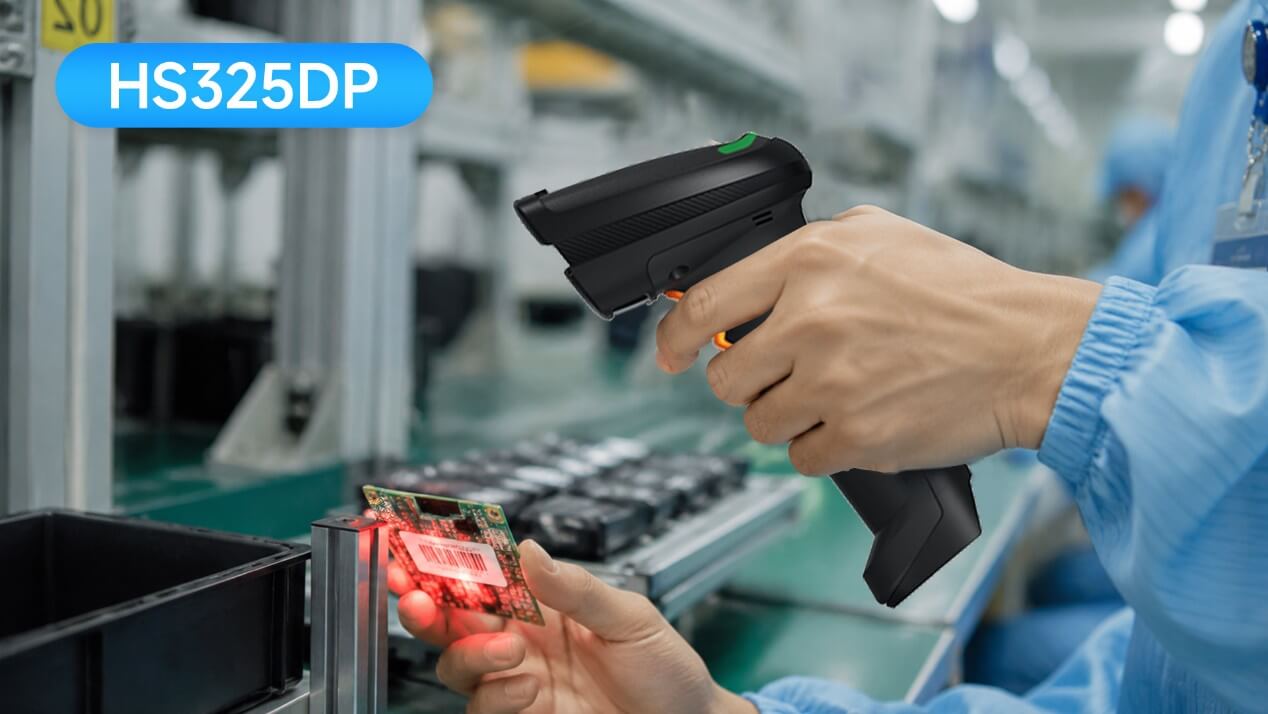
The Seuic HS325DP is an AI-powered wireless scanner built for industrial environments. Its core strength is adaptability.
Dual-core processor + AI algorithms. Built-in AI image preprocessing and recognition quickly locate low-quality, worn, or low-contrast barcodes, achieving millisecond response and precise decoding of DPM marks — keeping pace with high-speed production lines.
Intelligent tri-color illumination auto-switching (the heart of adaptability). The scanner automatically adjusts its lighting mode based on barcode background color and material — no manual intervention needed. Each of the three light sources has a specific role:
Blue diffused light: For curved metal surfaces, reflective surfaces, and low-contrast barcodes.
Red diffused light: For dark-background barcodes.
White spot light: For flat metal engraved DPM codes.
Superior reading capability and sensitivity. Excels at reading difficult, poorly marked codes. Supports high-precision decoding of high-density 1D long barcodes and quickly locates barcodes in complex backgrounds — stable even on highly reflective, low-contrast, or slightly worn marks.
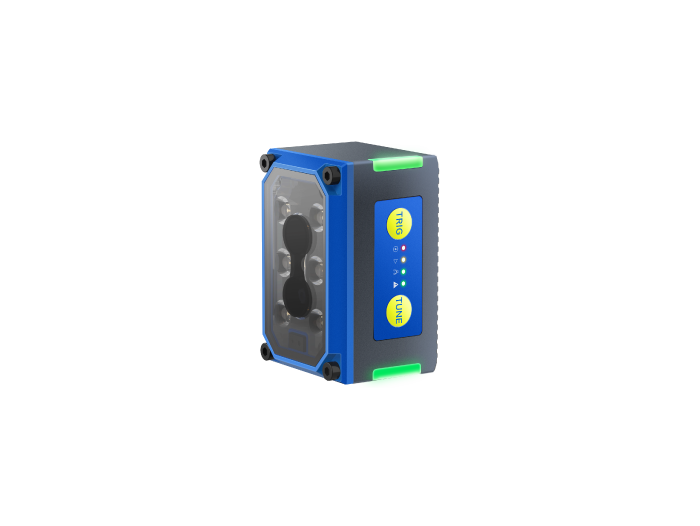
User-friendly interaction. The top cover features a three-way status indicator light array and a hidden battery gauge, giving operators clear feedback at a glance: green = decode success / high battery, yellow = communication error / medium battery, red = decode failure / low battery. This significantly reduces changeover and training costs.
3. Application Scenarios on Lithium Battery Lines
Below is a breakdown of barcode characteristics at each process stage and how the HS325DP addresses them.
Incoming Material Storage: Mostly large paper or sticker labels and tray codes — larger in size. The HS325DP's AI algorithm quickly locates and stably reads large 1D/2D codes.
Electrode Coating/Calendering: Metal rollers, oil contamination, and textured surfaces create interference. The scanner adaptively uses blue or white light to suppress reflections and oil-related misreads, ensuring stable capture.
Winding/Stacking: Involves micro components requiring high reading precision. The HS325DP's high-density decoding capability accurately captures tiny code marks, preventing missed reads.
Assembly/Welding: DPM engraved codes on aluminum casings and cell terminals often come with high reflectivity. The tri-color auto-switching plays a critical role here, overcoming reflection and low-contrast challenges to stably read engraved marks.
Formation/Aging: This stage commonly uses high-density 1D long barcodes. The HS325DP supports high-precision decoding of long codes with millisecond response to match the line takt.
Module PACK: Requires reading large labels, tray codes, and maintaining full traceability. The HS325DP handles all these scenarios in one device, ensuring continuous and accurate traceability data.
As shown, the HS325DP uses a single device with tri-color adaptive lighting to cover everything from micro engraved codes to large labels — eliminating the need to purchase multiple dedicated scanners for different processes.
4. Company Strength: Seuic Technologies
When selecting a product, you're also choosing the manufacturer behind it. Founded in 2002 and headquartered in Nanjing, China, Seuic Technologies Co., Ltd. specializes in AIDC (Automatic Identification and Data Capture) products and solutions. Key credentials include:
Certified leader: National High-Tech Enterprise, National Specialized and New "Little Giant" Enterprise.
Independent R&D: Mastery of barcode, vision, and other identification technologies, combined with core design capabilities in wireless RF, rugged construction, and security systems — once broke foreign brands' monopoly in harsh environments.
Manufacturing capacity: 12,000 sqm self-owned production base with annual output of millions of smart terminals.
Product portfolio: Six product lines covering industrial handheld terminals, industrial-grade smart tablets, UHF RFID, barcode scanners, vision recognition, and automation integration — serving leading customers in logistics, retail, manufacturing, healthcare, and public utilities.
Mission: Build durable on-site data capture tools to empower enterprise digitalization.
5. Customer Case: Seuic HS325DP Helps Li Auto Crack DPM Code Reading
Li Auto is a leading Chinese NEV manufacturer, known for models like the Li ONE and L-series, with highly automated production bases.
At its core component assembly stations, Li Auto deployed the Seuic HS325DP AI smart scanner to solve DPM code reading challenges.
Business Pain Points:
Complex surfaces: DPM codes were engraved on aluminum alloy, stainless steel, plastic, and other materials — with oxidation layers, oil stains, textures, or reflections.
Inconsistent engraving quality: Laser dot peening, etching, and pneumatic pin marking varied widely; some low-contrast codes had poor readability.
High line speed requirements: Scanning had to complete in milliseconds; traditional devices required frequent angle adjustments or light source changes.
Solution:
Built-in AI image preprocessing and recognition for stable reading of highly reflective, low-contrast, or slightly worn marks.
Intelligent tri-color illumination auto-switching (red, white, blue) adapting to various surfaces with no manual intervention.
Millisecond response matching high-speed line takt.
Visual and audible feedback reducing training costs.
Results:
50% improvement in scanning efficiency, significantly boosting first-pass read rates on challenging DPM codes.
10% reduction in equipment management costs — one scanner compatible with multiple materials and marking methods.
More stable line takt — scanning is no longer a bottleneck.
Enhanced data traceability supporting full lifecycle quality closed-loop management for components.
6. Selection Advice and Conclusion
Different processes on lithium battery lines use vastly different barcode types and sizes. Looking for an adaptive AI scanner? The Seuic HS325DP is recommended. With its dual-core processor, AI algorithms, and intelligent tri-color illumination auto-switching, it solves cross-process barcode reading challenges — from micro DPM engraved codes to large labels — backed by over 20 years of Seuic AIDC expertise and real-world validation from Li Auto and other leading customers. For lithium battery companies pursuing stable line takt and full-process traceability, the HS325DP is an adaptive AI scanner worth prioritizing.
FAQ
Q: Which scanner on lithium battery lines can stably read DPM engraved codes?
A: The Seuic HS325DP AI scanner, with built-in AI algorithms and tri-color illumination (blue/red/white auto-switching), stably decodes highly reflective, low-contrast DPM marks on aluminum casings, cell terminals, and steel parts.
Q: Barcode sizes vary greatly across processes — can one device cover them all?
A: Yes. The HS325DP industrial scanner combines high-precision decoding of high-density 1D long barcodes with rapid localization of micro engraved codes. Paired with adaptive lighting, it covers everything from large incoming labels to tiny assembly-stage marks.
Q: Can the HS325DP keep up with high-speed production lines?
A: Yes. Powered by a dual-core processor, the HS325DP delivers millisecond DPM response and has been validated on Li Auto's highly automated production lines, ensuring stable line takt continuity.
Related News

-
Portable Barcode Scanner Buying Guide
Product Updates | 2026.09.22Learn More
-
What Is RFID Meaning? Definition & Common Beginner Misconceptions
Product Updates | 2026.09.21Learn More
-
What Is RFID? A Complete Guide to Radio Frequency Identification: Definition, Working Principle & Applications
Product Updates | 2026.09.21Learn More
-
2D Barcode Scanner for Automotive DPM Traceability
Product Updates | 2026.09.20Learn More