





Ultimate RFID Asset Tracking Procurement Guide: Tags, Readers & Software
In manufacturing, warehousing, logistics, and healthcare, the question "Where is my asset?" costs countless hours every day. Traditional barcode scanning requires line-of-sight to each item. Manual counting is slow and error-prone. RFID reads batches of tags from several meters away, giving you real-time asset visibility. But how do you choose the right combination of tags, readers, and software? One wrong decision and the whole system fails to deliver. This article breaks down the three core components, helping you make informed procurement decisions and avoid common pitfalls.
1. What You Actually Need to Buy
A complete RFID asset tracking system is much more than just a "scanner." It consists of three parts that must work together seamlessly. Understanding each component's role is the first step toward a successful purchase.
RFID Tags— The "digital ID card" attached to each asset. It stores unique information such as serial number, model number, and date of entry. Without tags, there is no data source.
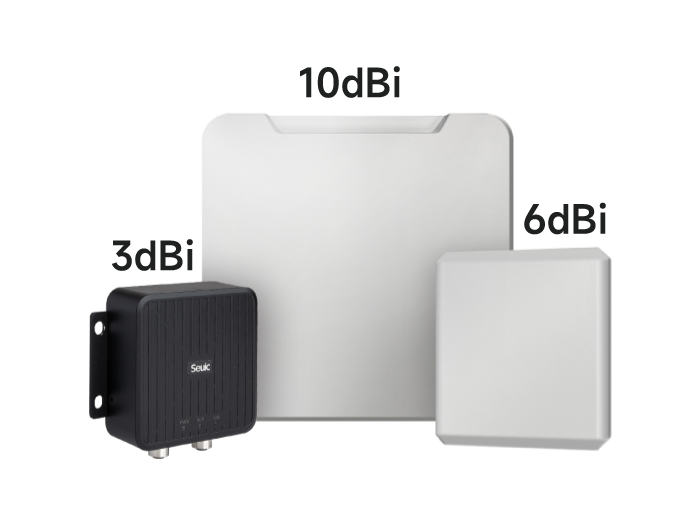
RFID Readers— Devices that emit radio waves to "wake up" tags and read the data they return. They bridge the physical and digital worlds. Readers can be handheld or fixed-mount.
Software & Middleware — The "brain" of the system. It filters, processes, and analyzes the massive stream of raw data collected by readers, then integrates with your existing ERP, WMS, and other business systems to generate actionable reports and alerts.
2. Choosing the Right RFID Tags: Don't Underestimate This "Sticker"
RFID tags look simple, but they are the easiest component to get wrong. A bad choice means short read range, high miss rates, or tags that simply don't work. When selecting tags, ask yourself three questions:
What material is your asset made of?
Standard cardboard boxes and plastic items: Regular passive UHF RFID tags work fine and are the lowest-cost option.
Metal objects (tools, equipment, racks): You must use metal-mount tags. Standard tags detune severely on metal surfaces and become unreadable.
Liquid containers (reagent bottles, beverage cases): Liquids also interfere with RF signals. Use specially designed liquid-resistant tags or leave an air gap during installation.
How harsh is your environment?
Indoor room-temperature environments: Standard paper or PET tags are sufficient.
Outdoor, extreme temperatures, oil, or chemical exposure: You need industrial-grade tags with waterproof, dustproof, and corrosion-resistant properties for long-term reliability.
How far do you need to read?
Close-range inventory (<1 meter): Almost any standard tag will work.
Long-range portal or aisle reading (3–10 meters): Choose high-sensitivity or long-range tags with optimized antenna designs for stronger signal return.
Key advice: Before placing a bulk order, always request samples from your supplier and test them on your actual assets in your real environment. This is the only way to avoid costly procurement mistakes.
3. Readers — Handheld, Fixed, or Both: Choose Your "Eyes"
Readers are your data collection front end. Whether you choose handheld or fixed depends on your workflow and inventory frequency.
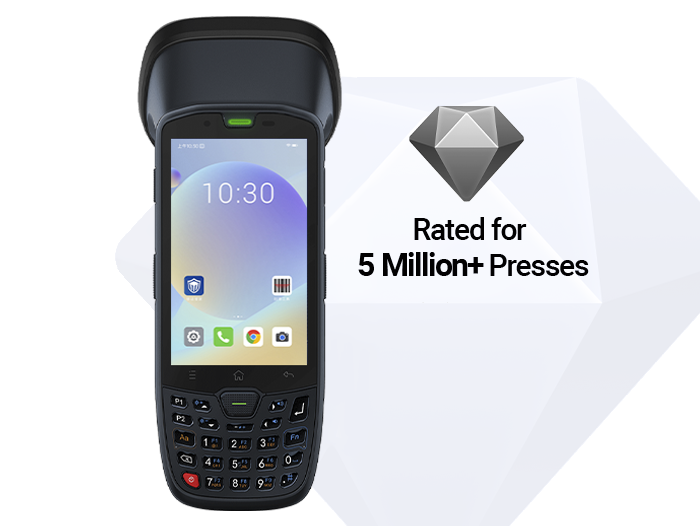
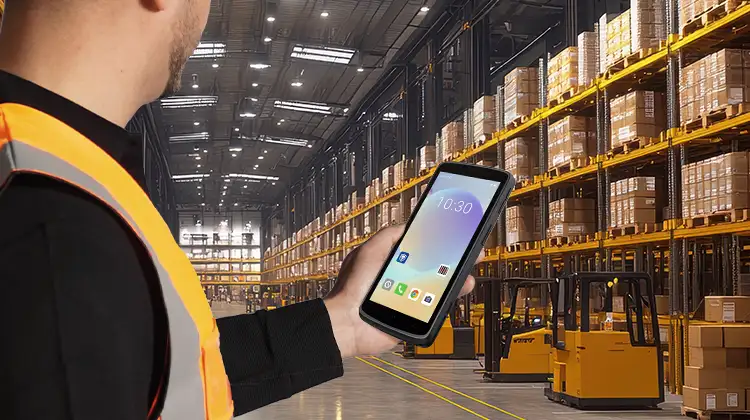
Best for: Mobile patrols, spot checks, receiving and putaway, and locating non-fixed assets. For example, a warehouse worker walking through aisles scanning shelves, or a maintenance technician quickly finding a specific spare part.
Pros: Maximum flexibility — one device for inventory, search, and verification. Lower upfront investment.
Cons: Requires manual operation. Less efficient than fixed readers for high-volume, high-frequency dock-to-stock scenarios.
Best for: Automated, high-throughput checkpoints. For example, mounted at a warehouse door to form a "portal" that automatically logs every pallet coming in or out, or installed on a conveyor belt to read passing packages at high speed.
Pros: Fully automatic data collection with no human intervention. Maximum efficiency and accuracy. The foundation for unmanned, intelligent operations.
Cons: Higher deployment cost and complexity. Requires planning antenna placement and power infrastructure.
How to decide?
For most small to medium businesses, starting with one high-performance handheld reader is the most practical move. It immediately solves your biggest inventory headache. As your business grows and you need unattended tracking at key entry/exit points, gradually introduce fixed readers to build a hybrid network.
4. Software & Integration: Don't Leave It for Last
This is the most underestimated yet most critical part of any RFID project. Without the right software, the hardware only collects noise — not useful data.
You don't just need to "read data." You need to "use data." So plan your software architecture before choosing hardware:
Middleware — The bridge connecting hardware to business systems. It manages multiple readers, filters duplicate or invalid tag reads, converts data into a standard format, and sends it to your ERP or WMS. Good middleware significantly reduces the development effort for upper-layer applications.
Integration with Existing Systems— Your RFID system is not an island. It must connect seamlessly with mainstream ERP/WMS platforms such as SAP, Oracle, Microsoft Dynamics, or local systems. Define the data flow clearly: for example, when a fixed reader captures incoming tags, the system should automatically trigger a "receipt confirmation" action in the WMS.
Visualization & Alerts — The end result for managers should be an intuitive dashboard. At a glance, you should see: Which bin location has abnormal inventory? Which high-value asset left an unauthorized area? Can the system automatically send a restocking alert when stock falls below the safety threshold?
Key advice: Talk to your IT department or software vendor before purchasing hardware. Clarify your data requirements and integration approach. "Software first, hardware second" is the golden rule for avoiding project failure.
5. Recommendations: Match the Tool to Your Scenario
Now that you understand the theory, let's apply it to real-world scenarios.
If you're a warehouse manager running large-scale cycle counts and asset searches every day, flexibility comes first. You need a lightweight, durable handheld reader with fast read speeds. It lets you move freely through aisles, complete daily inventory efficiently, and quickly locate a specific case in a sea of stacked goods. This type of device is ideal for environments requiring frequent movement and multi-point operations — large e-commerce warehouses, third-party logistics centers, and retail back rooms.
If you're planning an automated production line, or need unattended data collection at warehouse dock doors, fixed readers are your answer. Imagine a forklift passing through the gate, and the system automatically logs the entire pallet in or out — zero manual intervention. This is critical for improving throughput and eliminating human entry errors. Fixed solutions are the ideal foundation for smart factories and highly automated distribution centers.
To give you a concrete idea, here are two purpose-built devices for these typical scenarios:
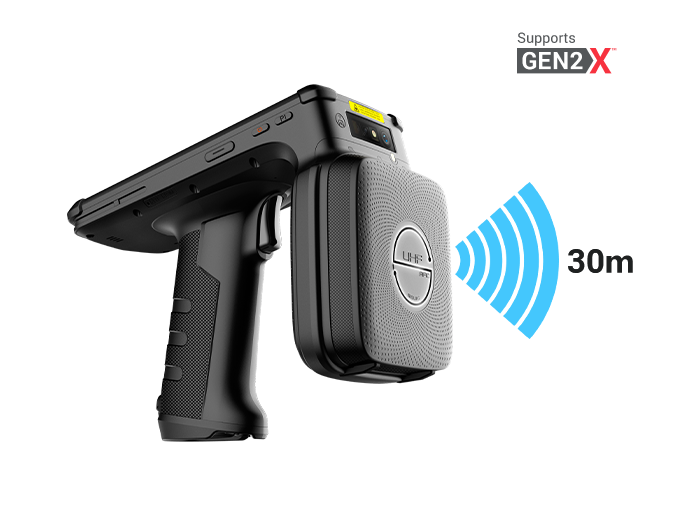
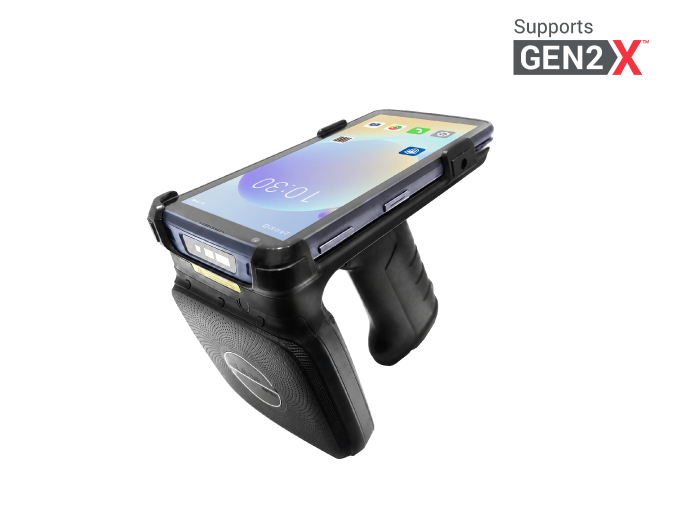
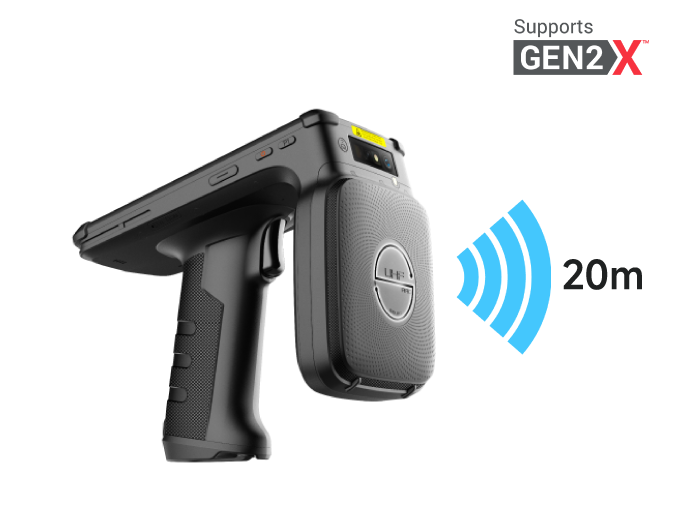
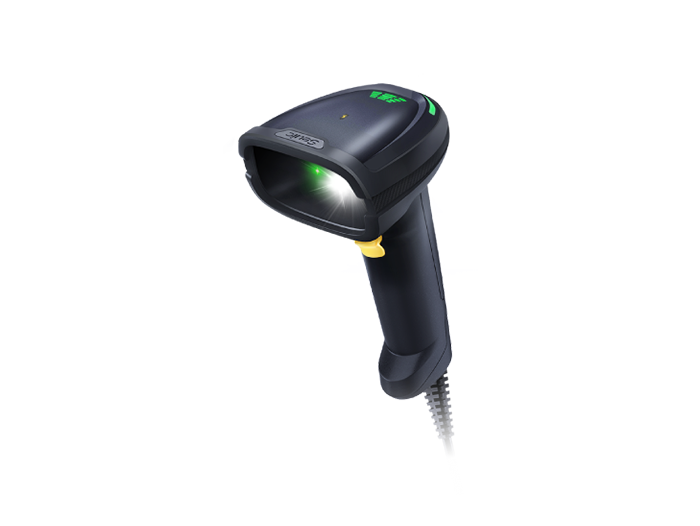
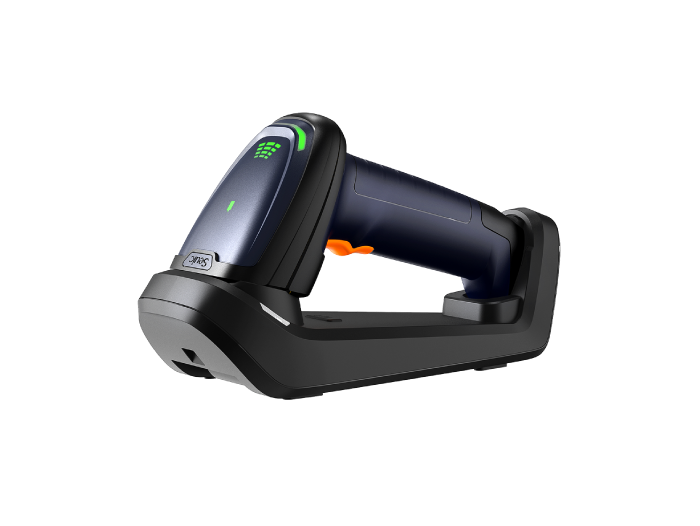
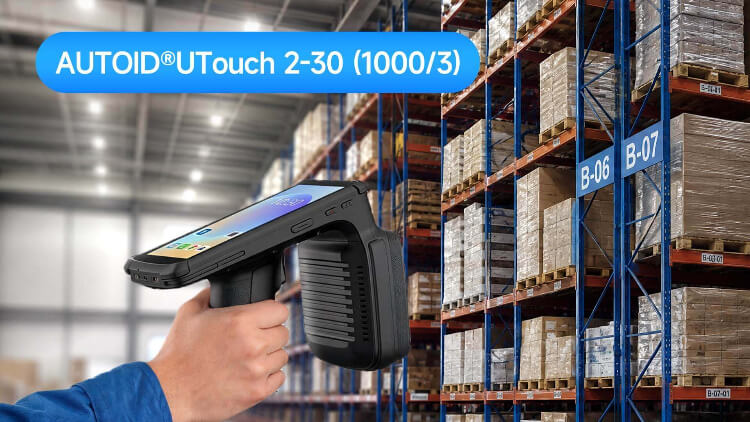
For mobile inventory scenarios: Consider the SEUIC AUTOID UTouch 2-30 handheld RFID reader. Built for ultra-long read range and high-density tag handling, it reads over 1,000 tags in 3 seconds and achieves a remarkable 30-meter+ read range — perfect for large warehouses and high-rack quick counts. With IP67 protection, it's rugged enough for demanding industrial environments.
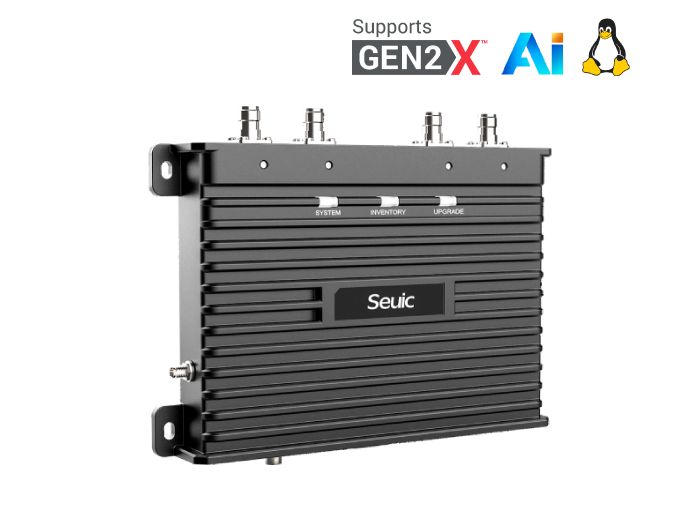
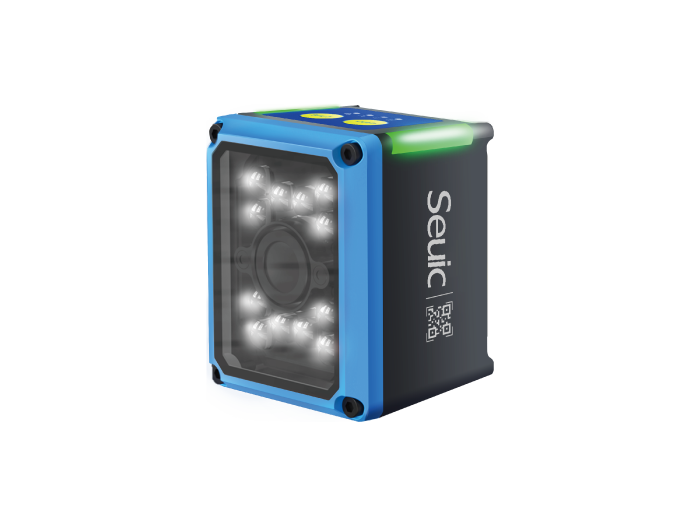
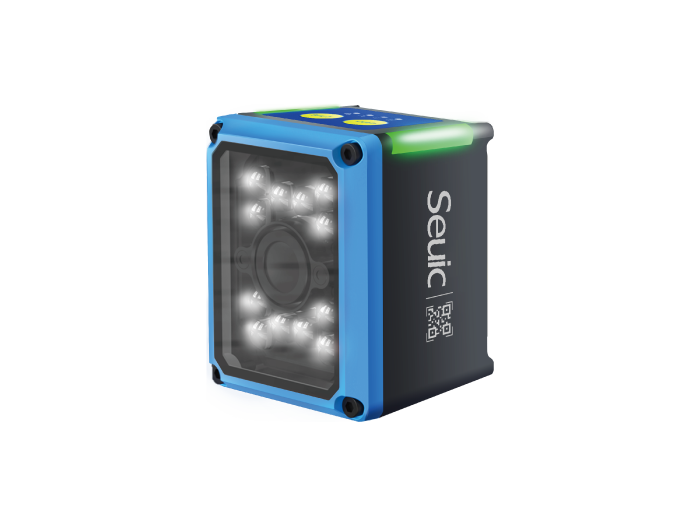
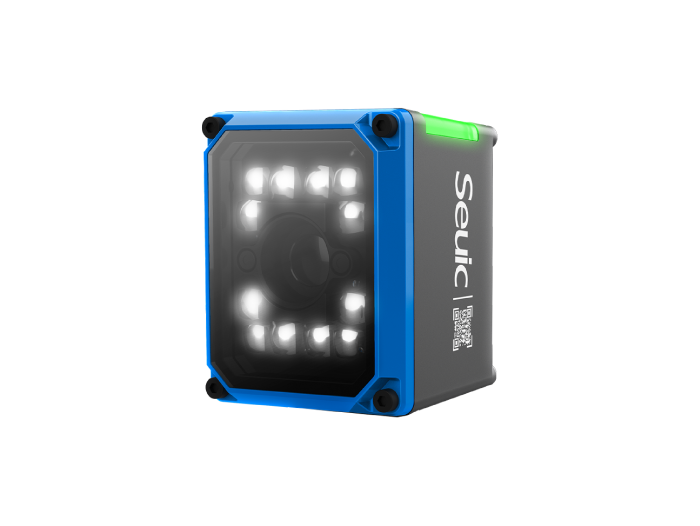
For automation and smart portal scenarios: If your goal is automated management at production lines or warehouse entrances, the AUTOID UF40 Linux AI fixed reader is your core engine. Beyond strong and stable performance, it features built-in AI and large-model capabilities for intelligent tuning and multi-device networking, significantly reducing deployment and maintenance complexity. This makes it an ideal choice for building smart factories and unmanned warehouses.
Choosing the right tool multiplies the impact of your digital transformation. No matter where you start, a clear understanding of your needs will lead you to the right solution.
Implementing RFID asset tracking doesn't happen overnight. But once you understand the three pillars — tags, readers, and software — and match them to your actual business scenarios, you can say goodbye to chaotic asset management and enter an era of data-driven operational efficiency. Don't be afraid to start small. Begin with a pilot project, validate the results, then scale up.
Want expert guidance? Contact SEUIC. Our team will provide free one-on-one consultation and solution assessment tailored to your needs.
Related News
-
2D Barcode Scanner Selection Guide for Warehouse: Receiving & Cycle Count
Product Updates | 2026.10.22Learn More
-
IWE Chennai 2026 Recap: Connecting Data to Smarter Operations
News & Events | 2026.10.22Learn More
-
Rugged Android Tablet vs PDA: Field Worker Selection Guide
Product Updates | 2026.10.21Learn More
-
Industrial PDA Protection Rating Guide: IP67 & MIL-STD-810 Explained
Product Updates | 2026.10.21Learn More