









What Is RFID Asset Tracking? Definition, Benefits & How It Works
In today's fast-paced business environment — whether you're managing a factory with thousands of machines or running a retail warehouse with massive inventory — accurate, efficient asset tracking is essential to reducing costs and improving productivity. Traditional manual counting and barcode scanning are time-consuming, labor-intensive, and prone to errors, leading to lost assets and low utilization. So, is there a technology that enables real-time, automated asset management? The answer is yes — RFID asset tracking. This article provides a comprehensive overview of this game-changing technology: its definition, how it works, and the value it brings.
1. What Is RFID Asset Tracking?
RFID asset tracking is a system that uses Radio-Frequency Identification (RFID) technology to automatically identify, locate, and manage physical assets. Unlike barcodes, which require direct line-of-sight, RFID systems communicate via radio waves between a reader and tags attached to assets, allowing fast, contactless batch data capture without manual intervention.
A typical RFID asset tracking system consists of three main components:
RFID Tag: Attached to each asset being tracked. The tag contains a microchip and antenna, storing the asset's unique identity (e.g., serial number, model, purchase date).
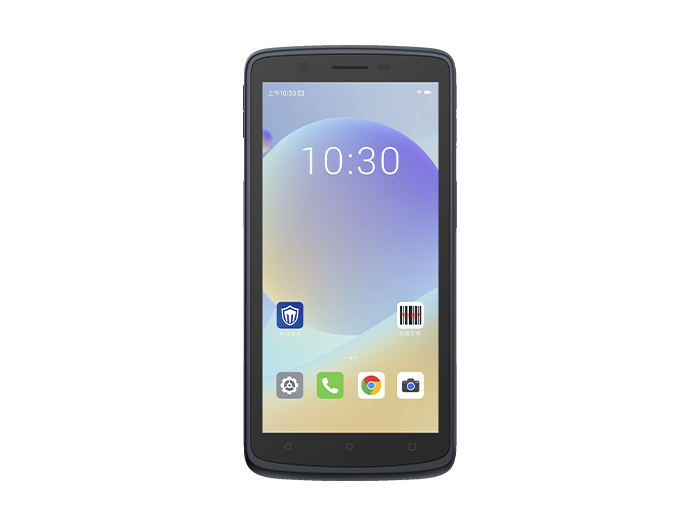
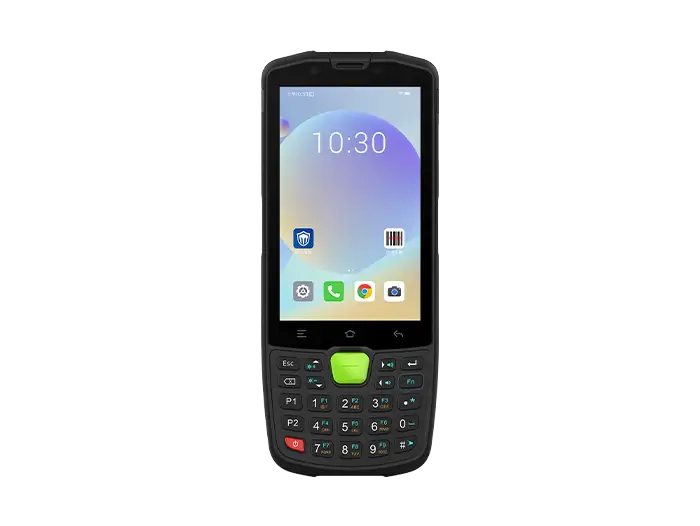
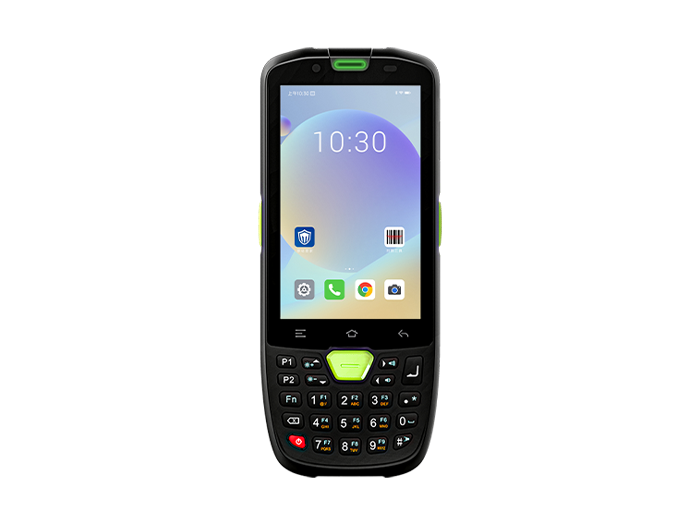
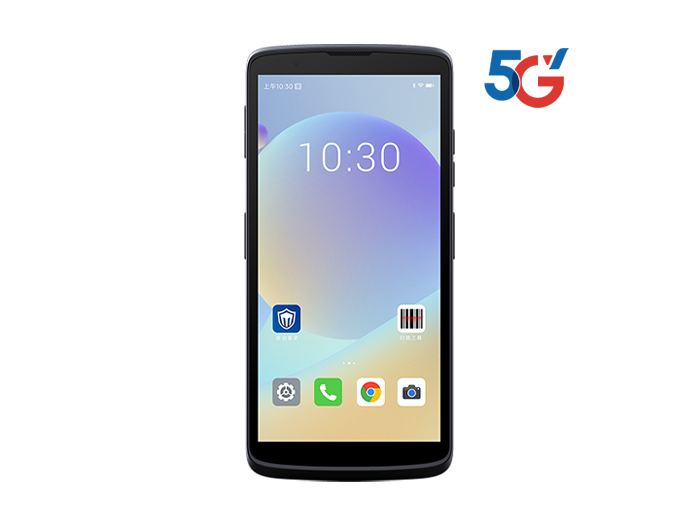
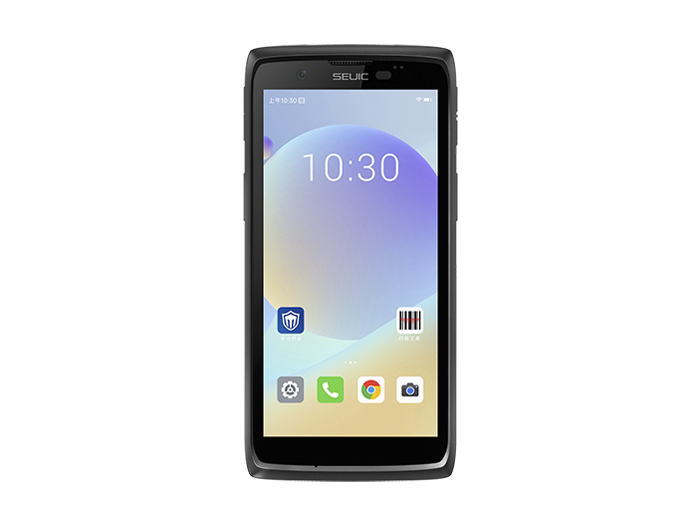
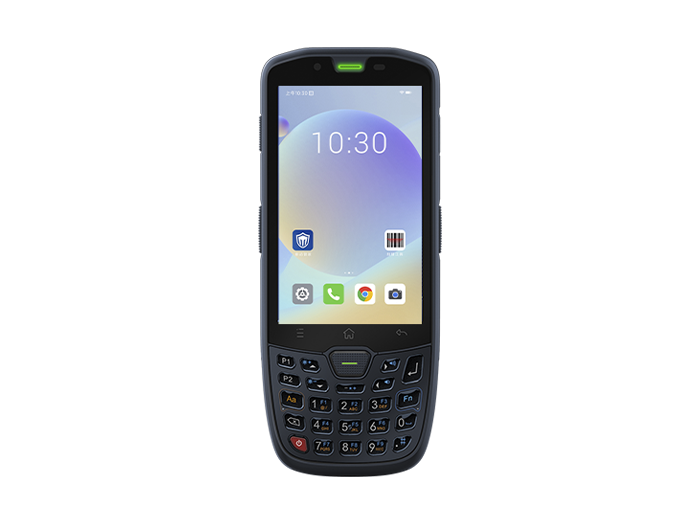
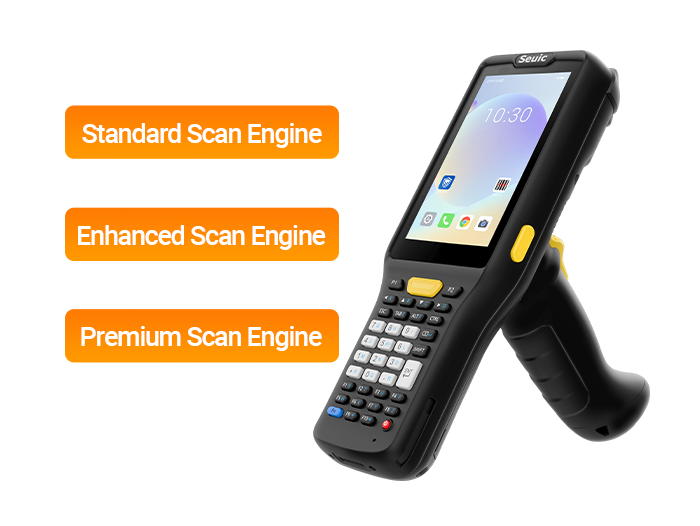
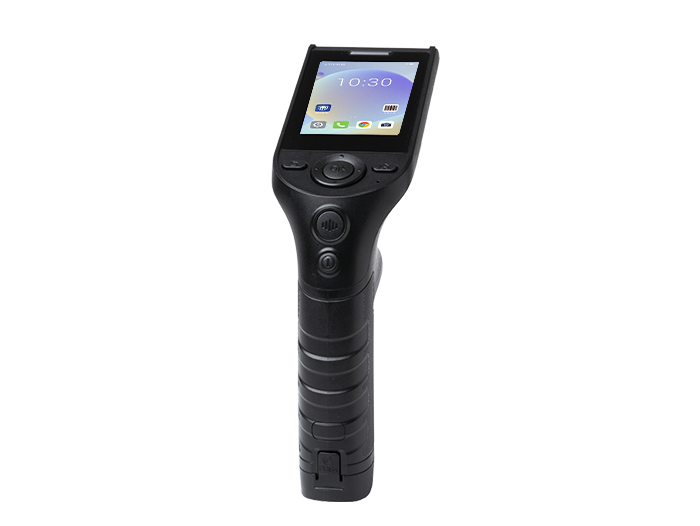
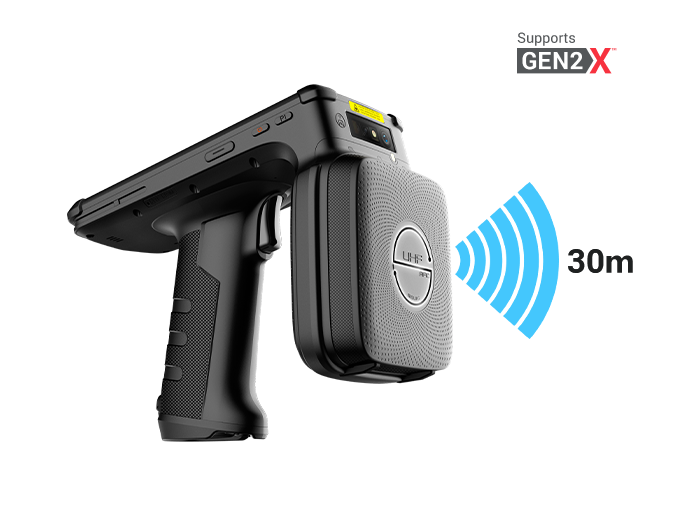
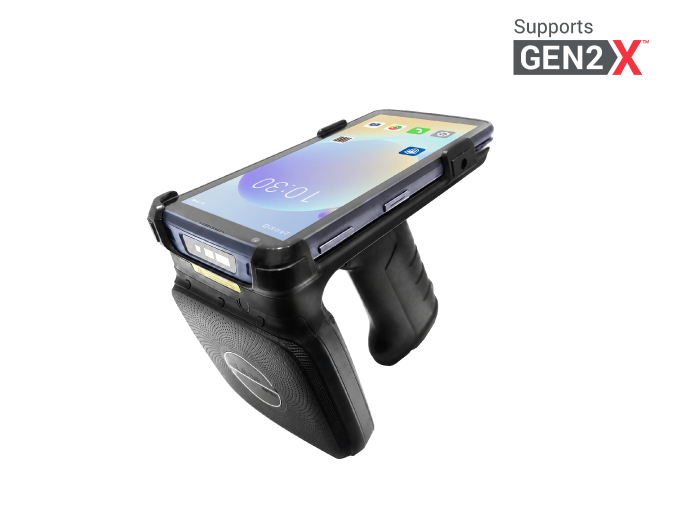
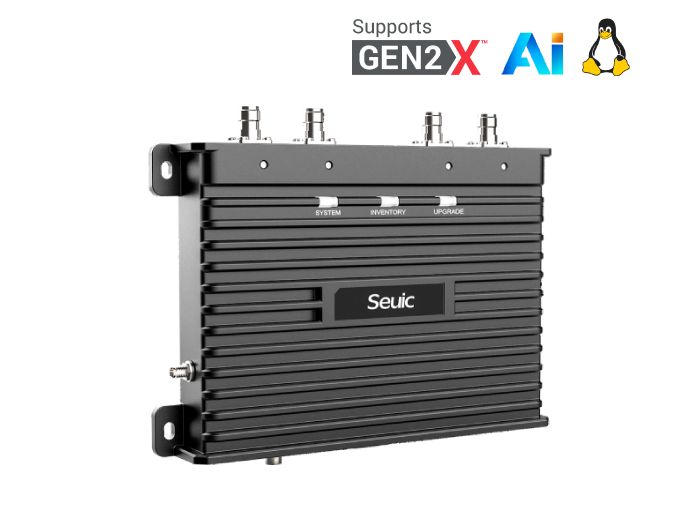
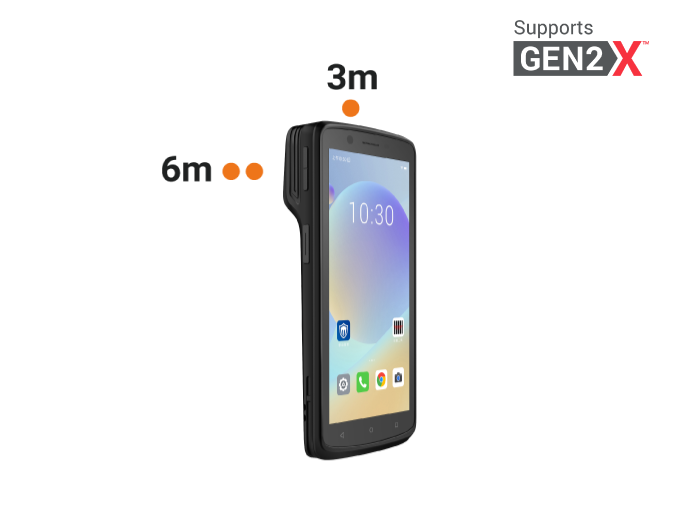
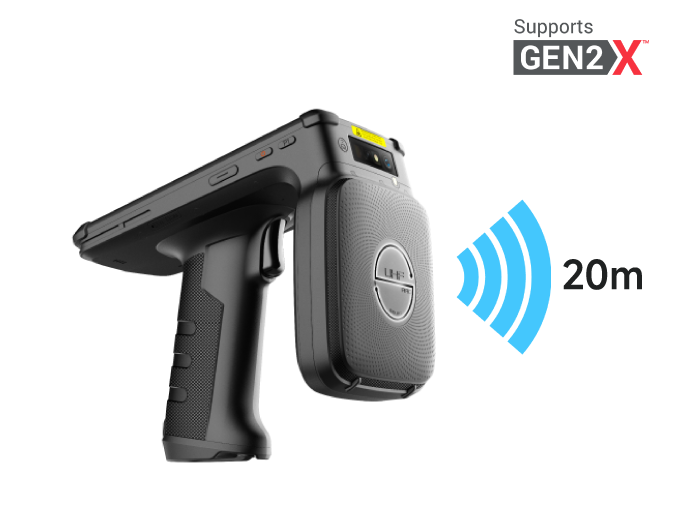
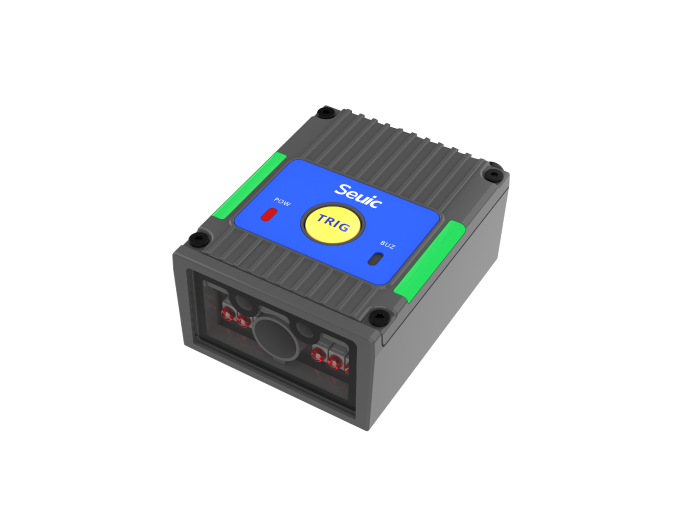
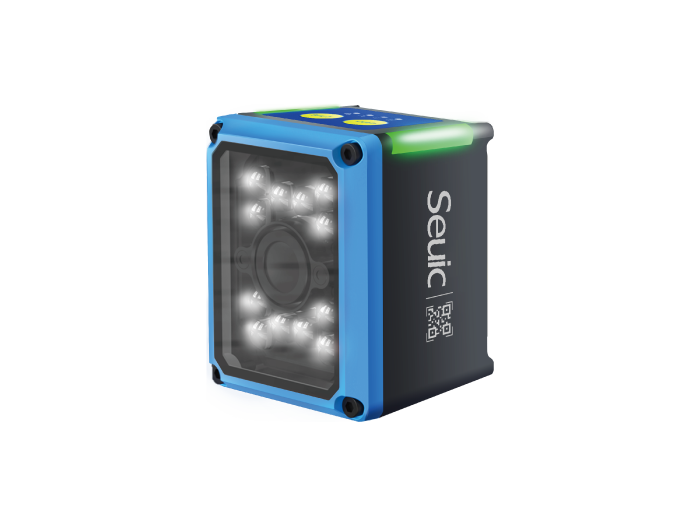
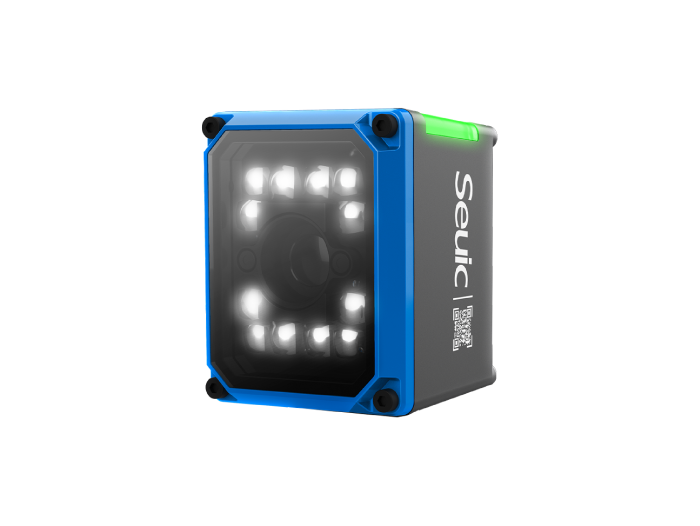
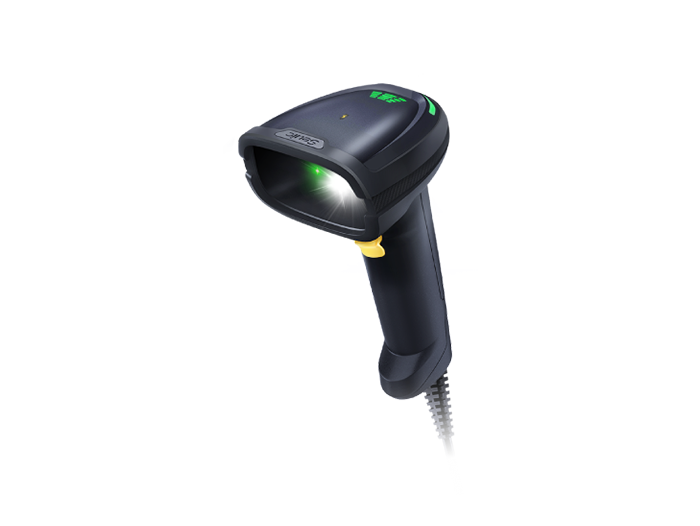
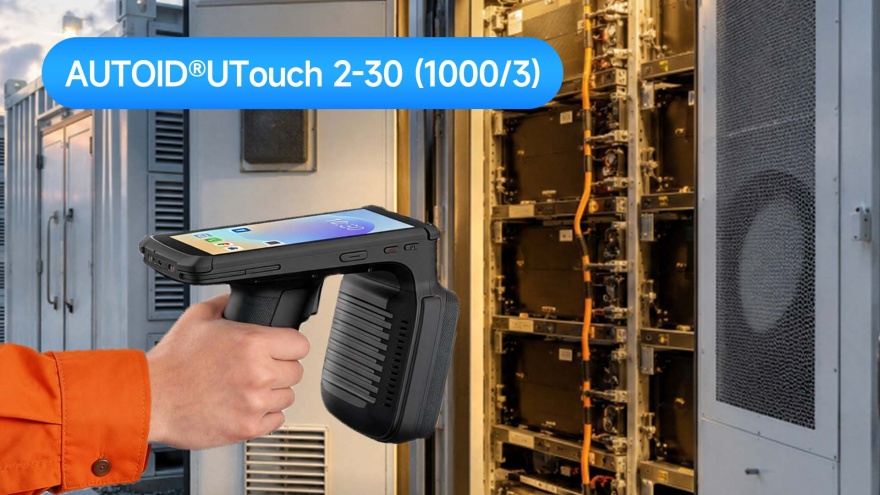
RFID Reader: A device that emits radio waves and communicates with tags. It can be a fixed portal reader at a doorway or a handheld mobile device.
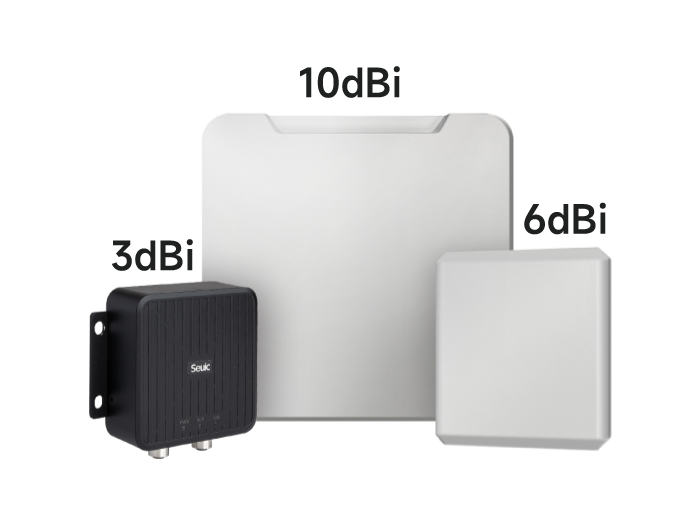
Antenna: Transmits and receives radio waves, bridging the reader and the tags.
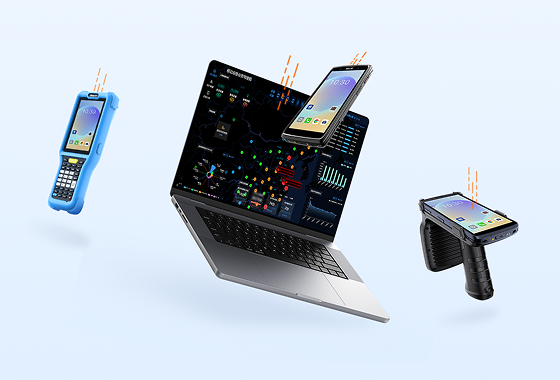
Software System: Processes data from the reader and transforms it into visual asset lists, location information, and status reports. It is typically integrated with existing ERP or WMS systems.
2. How Does RFID Asset Tracking Work?
The workflow of RFID asset tracking may sound complex, but it is remarkably efficient. The core steps are:
Initialization: Assign a unique digital identity to each asset and write it into the RFID tag's chip.
Tag Deployment: Securely attach the programmed RFID tag to the corresponding asset.
Activation & Communication: The RFID reader continuously emits radio waves at a specific frequency, creating an electromagnetic field. When a tagged asset enters this field, the tag receives energy from the reader's signal.
Data Transmission: The activated tag uses the harvested energy to transmit its stored identity information back to the reader via radio waves. This happens in milliseconds.
Data Processing & Display: The reader sends all collected tag data to the backend software system, which decodes, filters, and aggregates it. The system then displays real-time information — current location, quantity, status — on a dashboard or interface.
Key difference: Unlike barcodes, which require close proximity and one-at-a-time scanning, RFID's greatest advantage is contactless batch reading. A powerful reader can simultaneously read hundreds or even thousands of RFID tags in one second — even when they are inside boxes or containers.
3. Core Benefits of RFID Asset Tracking
What tangible advantages does RFID asset tracking bring to your business? Here are the most critical ones:
Dramatically Improved Efficiency & Accuracy: Say goodbye to time-consuming manual inventory. RFID can complete asset counts hundreds of times faster than humans, reducing error rates to near zero. This is crucial for warehouses, hospital pharmacies, and retail stores that require frequent cycle counts.
Real-Time Asset Visibility & Location: Managers can check the "last known location" of any asset at any time through the system, quickly locating lost or misplaced high-value equipment — such as ventilators in hospitals or tool carts in factories — significantly reducing idle time and search efforts.
Enhanced Security & Loss Prevention: Install fixed RFID readers at key entry/exit points. If an unauthorized asset is removed from a designated area, the system triggers an immediate alarm, effectively preventing theft or accidental loss.
Optimized Utilization & Lifecycle Management: By tracking usage frequency and movement patterns, you gain clear insight into which assets are heavily used and which are sitting idle. This provides valuable data for procurement decisions, maintenance scheduling, and retirement planning, maximizing return on investment.
Simplified Compliance & Auditing: For government agencies, utility companies, and other organizations subject to strict asset audits, RFID systems provide a complete, tamper-proof history of asset movements, making audits effortless.
4. How to Deploy an RFID Asset Tracking System
Starting an RFID project is not complicated, but it requires careful planning. Here are the recommended steps:
Define Requirements & Goals: Ask yourself: What problem are you trying to solve? Reducing inventory time? Preventing asset loss? Optimizing utilization? Clear goals are the foundation for choosing the right technical path.
Assess Assets & Environment: What materials are your assets made of (metal and liquids affect RFID performance)? Is the environment indoor or outdoor? What are the temperature and humidity conditions? These factors determine tag and reader selection.
Select the Right Hardware: Based on your needs and environment, choose between passive (battery-free) or active (battery-powered) RFID systems. For most asset management scenarios, cost-effective passive UHF RFID is the mainstream choice. Also decide whether you need fixed readers or handheld devices.
Deploy Software & Integrate: Choose a powerful, easy-to-integrate RFID management software. Ensure it can seamlessly connect with your existing ERP, WMS, or HIS (Hospital Information System).
Pilot Test & Scale Up: Start with a small area (e.g., one warehouse zone or one department) to validate system performance and refine workflows. Once successful, gradually roll out across the entire organization.
RFID asset tracking has evolved from a cutting-edge technology into a standard tool for modern enterprise management. It is not just a replacement for barcodes — it is a strategic solution that drives process optimization, enhances asset visibility, and lowers operational costs. Whether you run a hospital managing precision instruments, an e-commerce center with massive inventory, or an energy company overseeing remote field facilities, embracing RFID technology will give you a competitive edge in the digital transformation journey.
Ready to move beyond inefficient traditional asset management? If you have any questions about selecting or implementing an RFID asset tracking system, feel free to contact SEUIC. We offer customized one-on-one expert services tailored to your needs.
Related News

-
2D Barcode Scanner Selection Guide for Warehouse: Receiving & Cycle Count
Product Updates | 2026.10.22Learn More
-
IWE Chennai 2026 Recap: Connecting Data to Smarter Operations
News & Events | 2026.10.22Learn More
-

Rugged Android Tablet vs PDA: Field Worker Selection Guide
Product Updates | 2026.10.21Learn More
-
Industrial PDA Protection Rating Guide: IP67 & MIL-STD-810 Explained
Product Updates | 2026.10.21Learn More